
Vape Pen for Oil Cartridges: B2B Buyer Guide for Cannabis Brands
Choose a vape pen for oil cartridges by battery output, cartridge fit, oil compatibility, branding, packaging, MOQ, testing, and supplier repeatability.
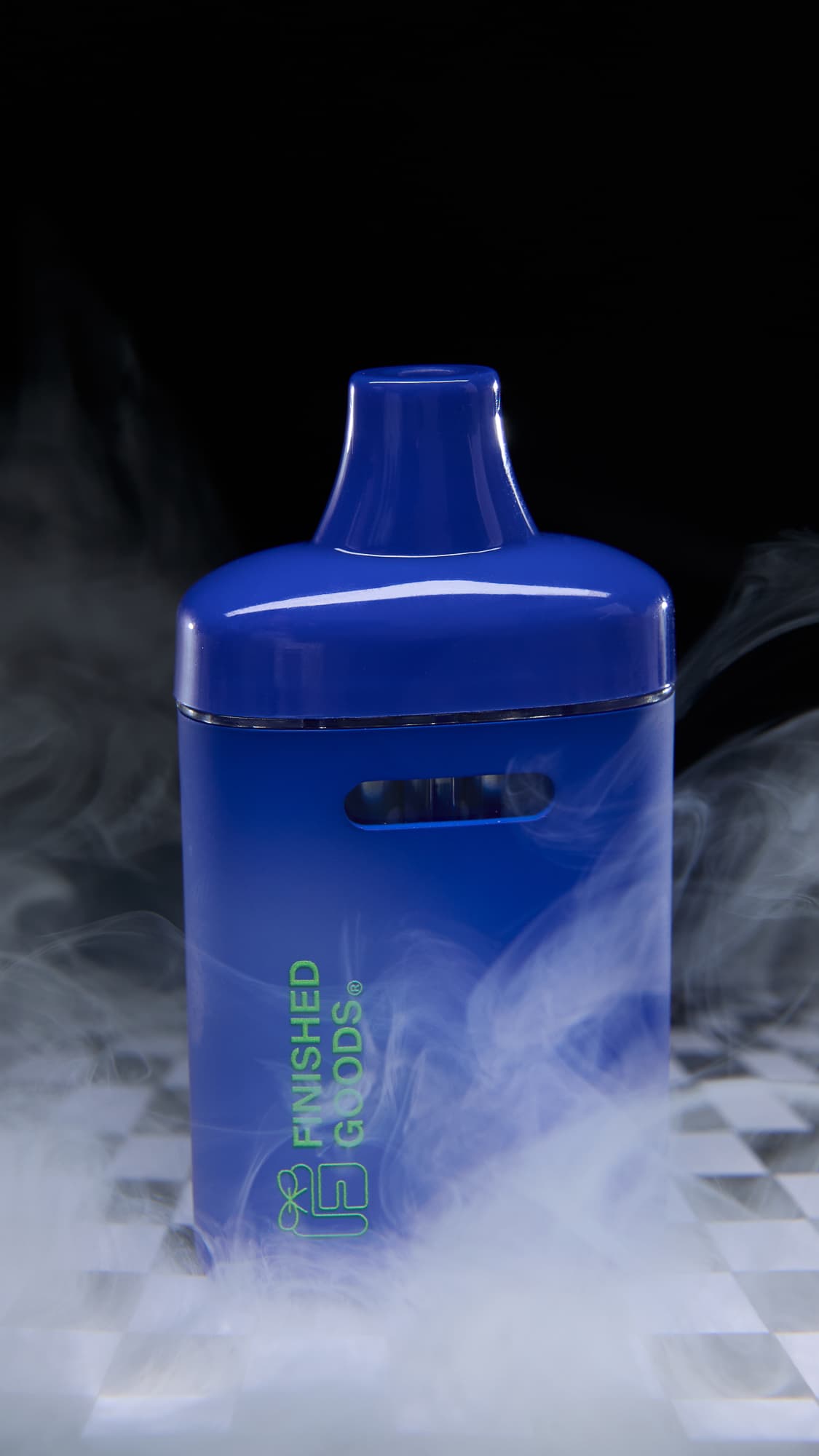
Vape Pen for Oil Cartridges: A Buyer's Guide for Cannabis Brands
A vape pen for oil cartridges is a battery-and-cartridge system that vaporizes cannabis oil through a 510-thread cartridge, pod, or compatible oil format. For cannabis brands, this is not a consumer-accessory question; it is a sourcing question. The right answer determines which battery, cartridge, voltage range, packaging, and supplier path will produce a reliable finished product that performs on the shelf.
This guide helps licensed cannabis brands evaluate vape pen programs before ordering. It covers battery compatibility, cartridge fit, oil viscosity, voltage, charging, custom branding, MOQ, lead time, and the supplier questions every buyer should answer before scaling.
What Buyers Actually Mean by "Vape Pen for Oil Cartridges"
The term means different things depending on who is asking. To a consumer, a vape pen usually means a battery. To a procurement team, it can mean the entire program: the 510 cartridge, battery, packaging, sample process, and supplier support needed to launch. Clarifying which version you mean before requesting quotes will save time and prevent misaligned proposals.
If your brand sells cartridges only, the vape pen decision centers on battery compatibility and recommended voltage ranges. If you sell a kit, the battery becomes part of the product experience. If you sell a disposable or all-in-one format, the cartridge and battery are integrated, and the sourcing questions shift entirely.
The most effective buying process starts with the oil, not the device. Distillate, live resin, rosin, and high-terpene formulas each have different intake requirements, ceramic behavior, voltage tolerances, and storage characteristics. Hardware should be chosen around the formulation you're actually filling, not the other way around.
Battery Compatibility
For 510 cartridge programs, the battery has to work with the cartridge, not just technically, but consistently over time. Evaluate thread quality, contact reliability, voltage range, activation style, battery capacity, charging port, and real-world performance after repeated use. A well-built cartridge can still underperform when paired with an inconsistent battery.
Voltage directly affects vapor production, flavor, oil consumption, and the customer's experience. Lower voltage tends to preserve flavor and reduce harshness, especially for delicate oil profiles. Higher voltage produces stronger vapor but can burn flavor or stress the atomizer if the oil isn't suited for it. Always test your recommended voltage range using your actual oil and cartridge combination.
Battery capacity should match expected consumer behavior. A slim battery looks clean and retail-friendly but requires more frequent charging. A larger battery lasts longer but may feel less premium or be harder to package attractively. The right choice depends on product tier, customer expectations, and whether the battery ships alone or as part of a kit.
Cartridge Fit and Oil Compatibility
Treat the cartridge and battery as a pair, not separate components. Threading, center pin contact, diameter, airflow path, mouthpiece style, and cartridge length all affect the final experience. Test the cartridge on the intended battery before committing to either at scale.
Oil compatibility is often the more critical issue. Thin oil can leak through hardware designed for thicker formulations. Thick oil can underwick or clog in hardware not built for it. High terpene concentrations can degrade seals, alter flavor, and create material compatibility problems. A supplier worth working with will ask about your oil before recommending any hardware.
Filled samples need to be tested beyond first use. A cartridge that performs immediately after filling may behave differently after sitting upright for a week, being shipped across climate zones, or going through temperature swings in freight. Document results from storage, transit, and shelf conditions before signing off on production.
Custom Branding and Packaging
Custom branding options typically include battery color, logo placement, cartridge mouthpiece, retail box, inserts, labels, and full kit packaging. Confirm what is achievable at your intended MOQ; many suppliers support low minimums on stock hardware but require larger orders for custom colors or branded components.
Packaging needs to serve both compliance and retail presentation. A vape pen kit may need to accommodate the battery, cartridge, charging cable, instructions, warnings, batch labels, QR codes, and child-resistant features, all without looking cluttered. Designing packaging after hardware is already selected often leads to fit problems or label-space issues late in the launch timeline.
Always request production-equivalent samples before final approval. A render won't show how a battery finish actually looks in hand, whether a logo placement reads as premium, whether the box protects the cartridge through shipping, or whether fine compliance text stays legible at size.
MOQ and Lead Time
MOQ varies depending on whether you are ordering stock batteries, custom batteries, cartridges, full kits, or custom packaging. The more customized the program, the higher the minimums and the longer the lead time. Ask suppliers for separate MOQ tiers covering stock hardware, custom logo, custom color, custom packaging, and reorder quantities; do not accept a single blended number.
Lead time should be broken into distinct phases: sample approval, artwork approval, production, freight, filling, packaging, and distribution. If a supplier only quotes production time, you don't have a real launch schedule. Hardware needs to arrive before filling and packaging deadlines, not simultaneously with your retail launch date.
For first runs, resist the temptation to overorder before demand is proven. A smaller launch quantity reduces risk while you confirm sell-through rates, collect customer feedback, track return rates, and establish reorder timing.
Testing Checklist
Before approving any vape pen for oil cartridges program, work through this checklist:
Test the cartridge on the intended battery. Confirm voltage recommendations. Check draw resistance. Verify charging behavior. Test the filled cartridge after storage, transit simulation, and temperature variation. Evaluate leakage, clogging tendency, flavor fidelity, vapor production, and battery life.
If you're selling a retail kit, test the full assembly. Confirm the cartridge, battery, charger, instructions, label, and packaging all work together as a cohesive unit. A kit that functions but ships in a confusing or incomplete package will still generate returns and damage brand perception.
Supplier Questions Worth Asking
Ask suppliers which oil formulations their cartridges support and what voltage ranges they recommend for each. Ask how batteries are tested, how contact issues are diagnosed, and whether filled samples can be evaluated before a purchase order is placed. Ask about replacement terms if a production issue surfaces post-delivery.
Ask how custom branding is managed across reorders. Color drift, logo placement shifts, and undisclosed component substitutions create product inconsistency. A reliable supplier maintains approved specs on file and proactively communicates any changes before they appear in your next shipment.
When a Kit Makes Sense
A vape pen kit makes the most sense when your brand wants full control over the customer experience and wants to eliminate compatibility guesswork. Kits work well for first-time buyers, premium oil launches, and retail programs where the battery is a meaningful part of the brand story.
Cartridge-only programs make sense when customers already own batteries, when your goal is lower unit cost, or when retail space constraints favor a smaller footprint. Compare kit and cartridge-only economics, including margin, packaging cost, and return rate risk, before choosing the format.
Supplier Comparison Framework
When evaluating suppliers, build a simple comparison matrix covering battery options, cartridge options, kit packaging, custom branding capabilities, MOQ, lead time, sample support, and replacement terms. This prevents a single attractive unit price from dominating a decision that has many moving parts.
The strongest supplier for a full vape pen program is typically one that can support the entire launch path: helping you test your oil, select the right cartridge, dial in voltage range, confirm packaging fit, and document approved specs for reorders. A supplier that sells batteries alone can be useful, but the brand absorbs all the compatibility risk across the finished product.
Also calculate landed cost, not just unit price. Landed cost includes hardware, branding, packaging, freight, sample rounds, testing, any rework, replacements, and downstream customer service exposure. A cheaper battery becomes expensive fast if it causes contact failures, inconsistent charging, or confusing consumer instructions.
Retail Education and Instructions
When a vape pen doesn't work, customers blame the brand, even when the issue is a low battery, the wrong voltage setting, improper storage, or a loose cartridge connection. Retail education needs to be built into the product before packaging is ordered, not added as an afterthought.
Useful instructions cover how to charge the battery, how to adjust voltage, how to store cartridges, what to do when airflow feels restricted, and which voltage range works best for the oil inside. Clear guidance reduces avoidable returns and makes retail staff more confident selling the product.
When a Separate Vape Pen Isn't the Right Fit
A two-piece vape pen setup may not be ideal if your brand wants a single integrated device, doesn't want customers managing battery compatibility, or needs tighter control over the full tank-and-battery experience. In that case, an all-in-one disposable or pod format is likely a cleaner decision.
A separate vape pen is strongest when your brand wants reusable battery value, familiar 510 cartridge compatibility, and the flexibility to sell cartridges independently from the power unit.
Vape Pen for Oil Cartridges: Final Buyer Record
Approve a vape pen for oil cartridges against the exact cartridge, oil, voltage behavior, airflow path, and package the customer will receive. Record the battery and cartridge revisions, fit, electrical contact, charging behavior, draw performance, consumer instructions, approved appearance, and reapproval triggers.
The signed vape pen for oil cartridges record should travel with the purchase order and retained sample. If the battery output, thread depth, enclosure, charging component, firmware, or intended cartridge changes, review whether the original vape pen for oil cartridges test still applies before the next vape pen for oil cartridges lot is released.
FAQ
Where can I buy vape pens for oil cartridges with custom branding? Cannabis brands typically source from B2B hardware suppliers that support batteries, cartridges, kits, sample testing, logo placement, custom packaging, MOQ planning, and reorder documentation.
What voltage should a vape pen use for cannabis oil cartridges? It depends on oil type, cartridge design, atomizer style, and customer preference. Test voltage ranges with your actual oil before printing recommendations on packaging or approving production.
Should brands sell cartridges only or full vape pen kits? Cartridge-only programs can reduce cost and work well when customers already own batteries. Vape pen kits offer more control over compatibility, presentation, and the customer experience, particularly for premium or first-time-user products.
What should I test before placing a wholesale order? Test cartridge-to-battery contact, voltage performance, draw resistance, leakage, clogging, flavor fidelity, charging behavior, packaging fit, and consumer instruction clarity.


