Private Label Vape Hardware: Supplier Scope and Buyer Checks
Private label vape hardware explained: what it is, how custom branding works, MOQs, lead times, compliance, and how to pick the right supplier model.
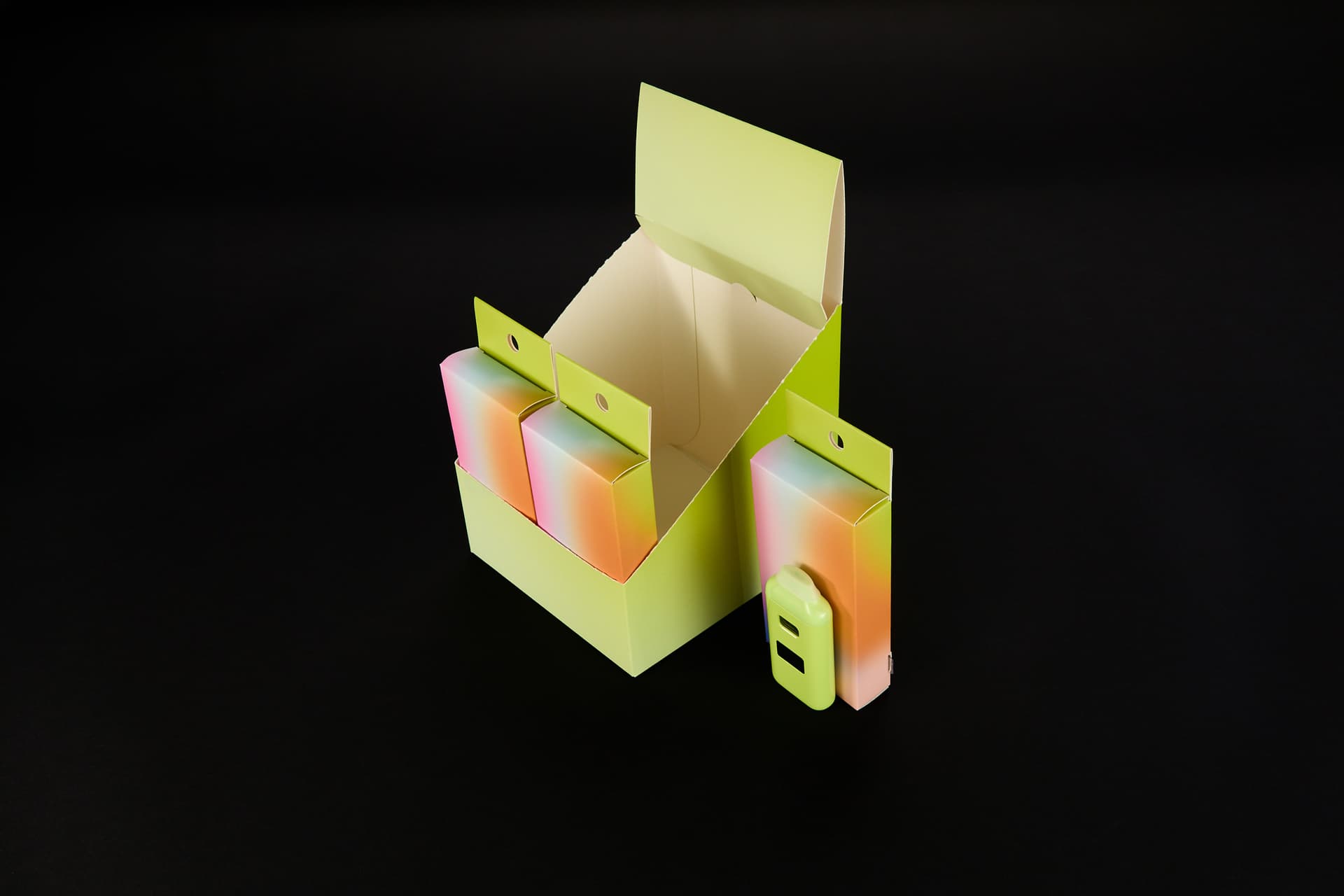
Define the hardware configuration before approving the branding. A private label vape hardware offer may cover cartridges, all-in-one devices, pods or batteries supplied with brand-specific decoration and packaging. Ask each supplier to define exactly what is standard, what can change, who controls the design, and which configuration the quote and evidence cover. Compare that written scope before choosing a supplier model.
What private label vape hardware means
Suppliers may use white label, private label, custom and OEM differently. Use these distinctions as RFQ questions rather than assuming the label defines the contract:
- White label: ask whether the offer uses a stock configuration, where the brand identity appears, and which changes are available.
- Private label: identify the exact decoration, component, finish and packaging changes included in the offer, along with the resulting model or revision.
- Custom or OEM: ask whether new design work or tooling is required, who owns it, which changes need validation, and how development is quoted.
An existing platform is a starting point for evaluation. It does not establish compatibility with a new formulation or production line. Review representative samples and the controlled specification for the proposed configuration before treating it as approved.
Which hardware formats can be private labeled
510-thread cartridges
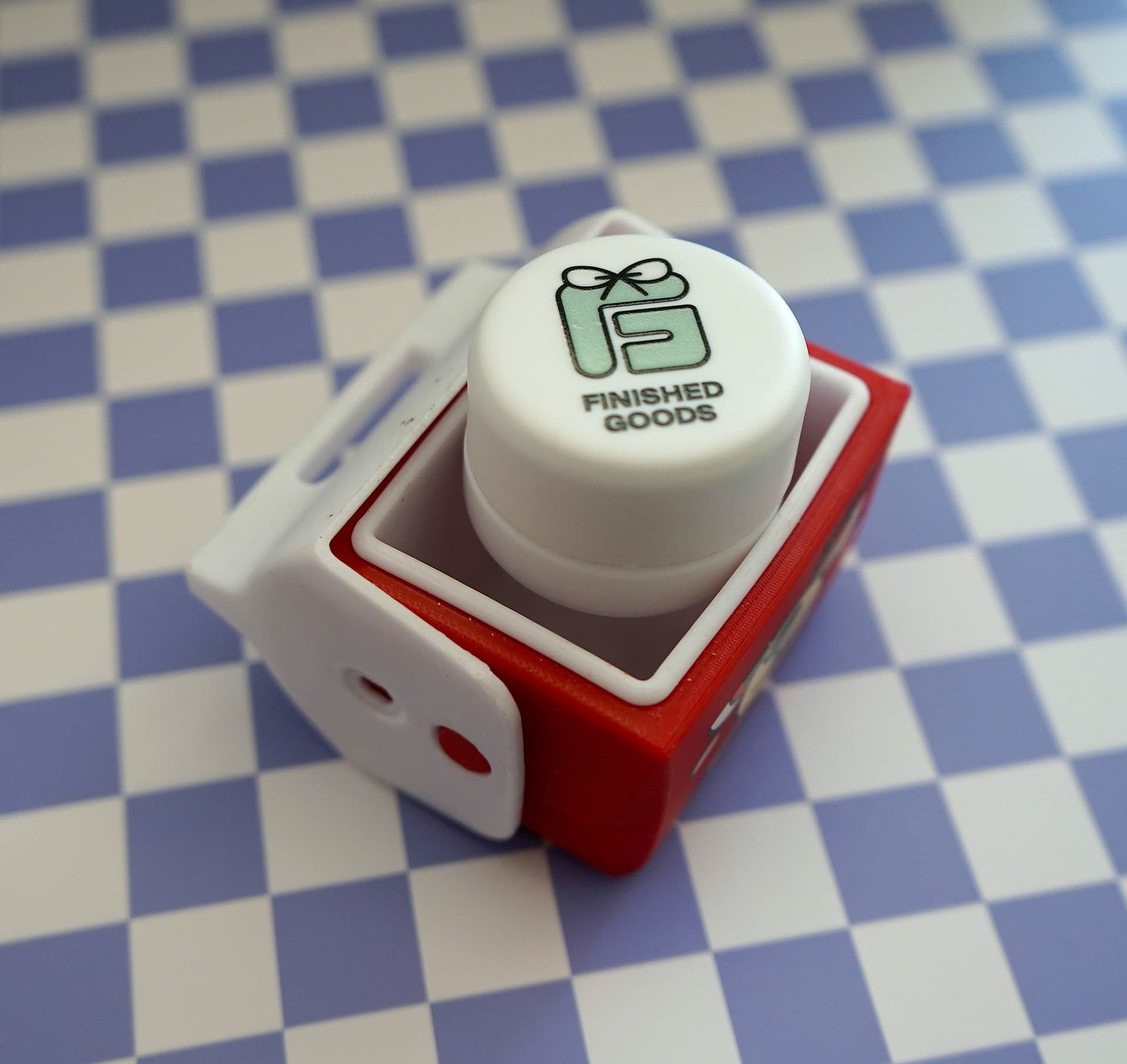
For a 510-thread cartridge program, identify the available mouthpiece, body, color and decoration options for the exact model. Request the atomizer, fill volume, aperture, materials and filling/capping specification. Validate the complete configuration with the intended formulation and production process.
All-in-one (AIO) disposables
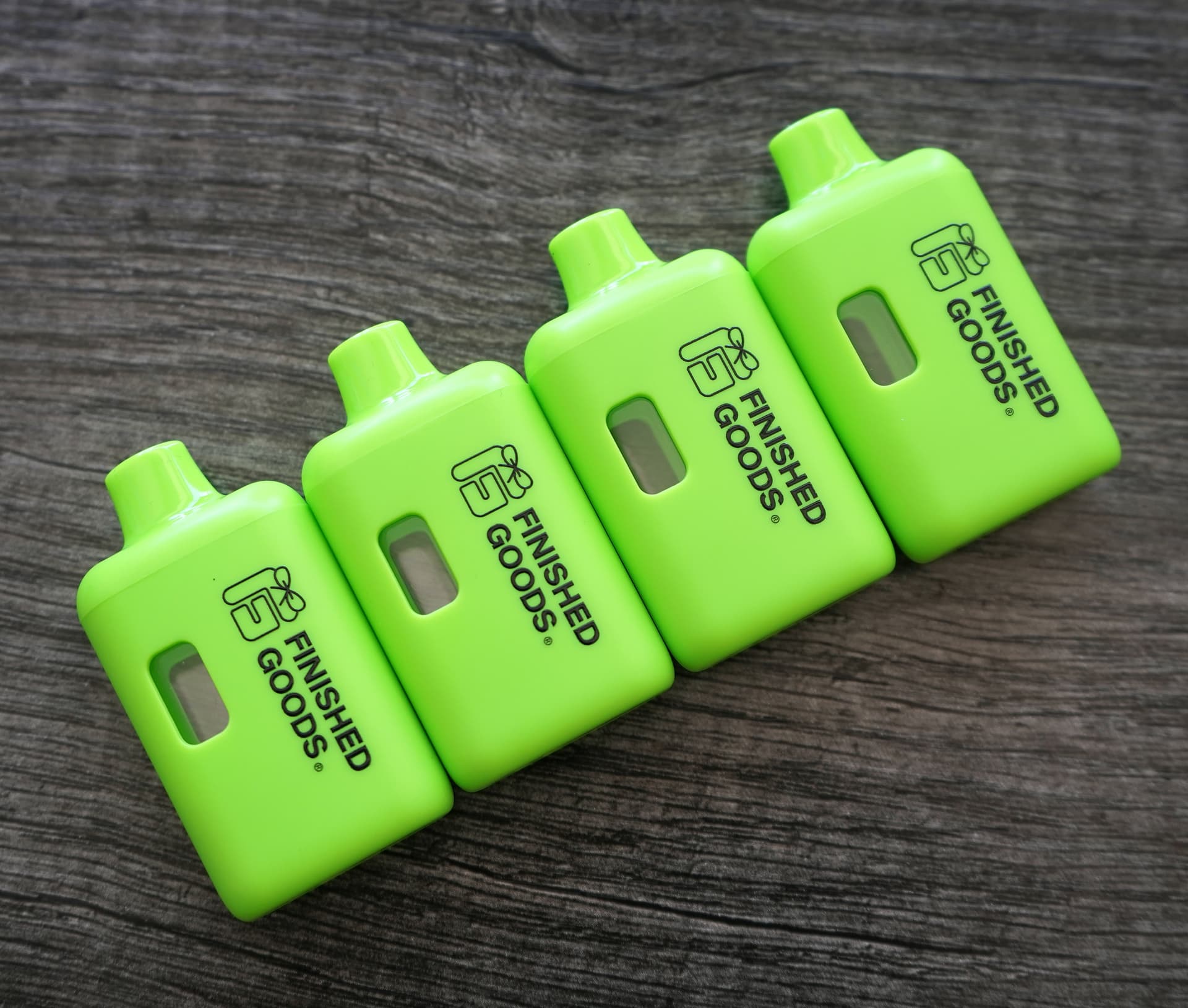
For an AIO program, request the available print area, finishes and shell options. Confirm the battery, output, charging and control specification separately from appearance. Ask whether a proposed visual change affects assembly, charging access, markings or the approved configuration.
Pod systems
For a pod program, name the exact pod and battery pairing. Ask who controls the platform, what compatibility evidence is available, and how changes or replacement components will be managed.
Batteries
For a battery program, ask which decoration and finish options are supported. Identify the intended cartridge pairing, controls and charging instructions; a shared connector alone should not substitute for a pairing evaluation.
Common customization options
| Option | What it changes | Evidence or decision to request |
|---|---|---|
| Pad printing | Logo or text applied in ink | Confirm supported surfaces, artwork limits, color passes and a representative proof |
| Laser engraving | Logo etched into metal or certain plastics | Confirm the material, mark appearance and agreed durability check on a finished sample |
| UV or full-color printing | Multi-color graphics on bodies or shells | Confirm the supported process, print area, finish and acceptance criteria |
| Custom colors | Mouthpiece, body, or shell color | Request a color standard, physical approval sample and configuration-specific quote |
| Custom packaging | Boxes, blister packs, inserts, labels | Have the qualified packaging/compliance owner identify the requirements for the actual product and destination |
| Custom tooling | New mouthpiece or body shape | Quote design, tooling, ownership, validation milestones and production separately |
Request minimum orders, sample charges and lead times in a current written quote for the exact hardware, decoration, packaging, quantity and destination. Identify the approvals or supplied materials each milestone depends on.
How the private label process works
1. Define the formulation and process. Give the Product/QA owner enough information to specify the proposed configuration and evaluation conditions. An oil category or marketing name does not establish the required atomizer, aperture or output setting. 2. Select candidates. Compare configurations against the product brief, supporting evidence, production process and current commercial offer. 3. Agree on sample evaluation. Use production-representative formulation and identified samples under a Product/QA-approved protocol. Record fit, filling/capping behavior, leakage, activation and performance through the intended fill, with defined acceptance criteria. 4. Approve decoration. Review logo placement, color and finish through the agreed proof process. Identify which features require a physical sample rather than a digital artwork proof alone. 5. Confirm compliance documents. Collect materials and testing documentation required in your markets. 6. Approve pre-production samples. Sign off on decorated units before the full run. 7. Production, QC, and delivery. Agree on inspection standards and defect handling before the order ships.
Compare supplier scope and accountability
Compare the responsibilities in the actual offer. A factory, platform owner, wholesaler or sourcing coordinator may provide different services; the business label alone does not prove scope, speed, quality or accountability.
| Supplier role | Scope to establish | Evidence or contract question |
|---|---|---|
| Platform owner | Design control, supported configurations and component changes | Who approves changes, and which records cover the quoted revision? |
| Catalog wholesaler | Stock, customization, traceability and support included in this offer | Which items are available now, and who handles factory or configuration questions? |
| Decoration or fulfillment provider | Receiving, decoration, packaging, inspection and delivery responsibilities | Who owns the upstream hardware specification and the finished-unit acceptance decision? |
| Factory | Manufacturing, tooling, inspection, export and change-control scope | Which responsibilities and costs stay with the buyer or another provider? |
| Sourcing coordinator or broker | Supplier selection, coordination, records and issue handling included in the contract | Who is the contracting seller, who controls production changes, and who is accountable for remedies? |
Choose the arrangement that covers the work your team needs, with named responsibility and evidence for each step. Do not substitute a supplier ranking for configuration review, a written scope or agreed remedies.
Compliance considerations
Have the qualified compliance owner identify the applicable requirements and assign responsibility for the actual product, package, destination and sales channel. Questions to resolve before ordering include:
- Which child-resistant, tamper-evidence or other package requirements apply to this program, and which configuration does the supporting evidence cover?
- Which materials, component and finished-product records or tests are required, and who reviews their scope and results?
- Which labeling, marking, warning and artwork requirements apply to the hardware and final package?
- Which battery, transport and carrier requirements apply to the proposed shipping configuration?
Record the requirement source, reviewer, date and approved configuration. A supplier document or a general article should not be treated as approval for every market or future revision.
Questions to ask any private label hardware supplier
- Which platforms do you recommend for my specific oil, and why?
- What are the minimums and lead times for this exact configuration, including colors and decoration?
- Can I test filled samples before committing?
- What materials and testing documentation can you provide?
- How are defects defined, inspected, and handled?
- Can hardware and packaging be sourced and delivered together?
Prepare a useful Finished Goods project brief
Send Finished Goods a brief identifying the proposed hardware format, formulation category, production process, decoration, packaging, quantity, destination and target date. Ask which parts of the project are currently available, what evidence can be supplied, which responsibilities are included, and what the written quote depends on. Confirm those answers before relying on a service, documentation or delivery commitment.
FAQ
What is private label vape hardware? The term is used for a branded hardware offer. Confirm the underlying platform, included changes, controlled specification and responsibility split in the actual proposal.
What is the difference between private label and white label? Ask the supplier to define both terms and list the differences in decoration, components, packaging, ownership and support. The label alone does not establish the scope.
Does private label require new tooling? Ask which existing parts can be used and which proposed changes require design or tooling work. Quote that work and its validation separately rather than inferring it from the term OEM or custom.
What is the minimum order? Request the current minimum and price breaks for the exact configuration. Separate hardware, decoration, packaging, tooling and reorder conditions.
How should a brand choose a supplier? Compare configuration fit, traceable evidence, a clear responsibility split, current commercial terms and agreed remedies. The best arrangement for a particular program depends on those requirements.