Vape Cartridge Sample Approval Workflow: How Licensed Brands Should Spec & Sign Off Hardware
Vape cartridge sample approval workflow for licensed cannabis brands: specs, oil-fit testing, packaging checks, QC review, and written sign-off process.
A vape cartridge sample approval workflow is the process licensed cannabis brands use to confirm that a cartridge, atomizer, mouthpiece, finish, packaging setup, and oil fit are ready for production. The workflow should happen before a production PO is placed, because the sample stage is where the cheapest mistakes are caught.
Most sample reviews are too casual. A few people take a few pulls, decide the cart feels fine, and approve the order. That is not a workflow. A real approval process checks oil compatibility, fill-line fit, airflow, leak resistance, clog risk, labeling, packaging, and shelf-readiness against a written spec.
Start With the Commercial Spec
Before a supplier sends samples, the brand should define the product job. Is this a value 510 cart, a premium live resin SKU, a solventless drop, a high-terpene formulation, or a rechargeable disposable portfolio? Each product type creates different hardware requirements.
The commercial spec should include fill volume, oil type, viscosity range, target price point, retail channel, expected launch date, and packaging format. If the product is going into a multi-state rollout, compliance documents and packaging requirements should be included from the beginning.
Define the Hardware Spec
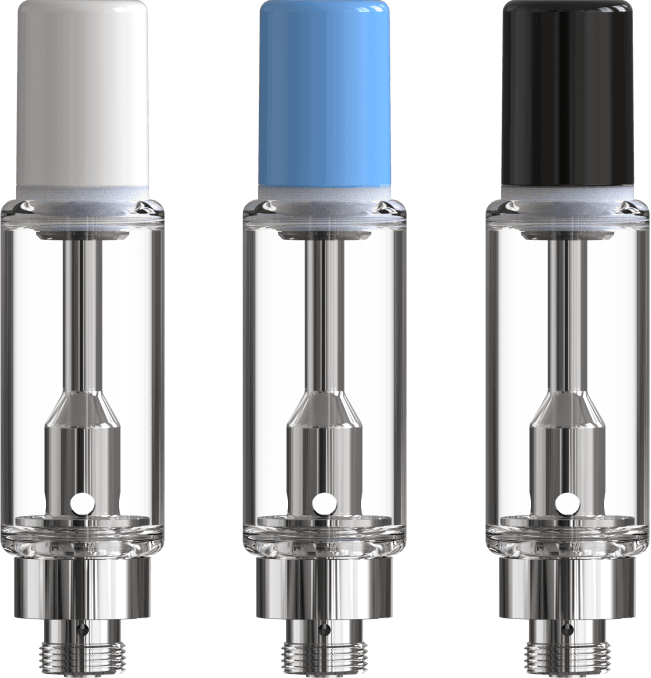
The hardware spec should identify the exact cartridge body, aperture size, atomizer type, mouthpiece material, center-post format, finish, resistance range, and battery pairing. For 510 cartridges, brands should also confirm diameter, thread fit, capping method, and compatibility with the filling system.
Small hardware differences can create large performance differences. A cartridge that looks identical from the outside may use a different ceramic core, seal system, or intake geometry. The sample approval workflow should record the exact SKU and revision so the approved sample matches the production order.
Test With the Actual Oil
Sample approval is only meaningful when the cartridge is tested with the oil that will go to market. Distillate, live resin, rosin, high-terpene blends, and winterized oils all behave differently under heat and pressure. A cart that performs cleanly with one oil can clog, leak, or taste burnt with another.
Brands should fill samples at the intended fill weight, cap them with the intended method, and store them in realistic conditions. Test immediately after filling, after 24 hours, after 72 hours, and after a short warm-storage period if the SKU will ship through hot lanes.
Run a Simple Performance Checklist
- Does the cartridge fill cleanly without flooding or trapped air?
- Does the cap seat consistently without cracking, deforming, or pushing oil into the airway?
- Is the draw resistance consistent across samples?
- Does vapor production stay stable through the first third, middle third, and final third of the tank?
- Is flavor clean, or does the atomizer introduce burnt, metallic, or muted notes?
- Do samples leak after resting upright, sideways, and inverted?
- Do samples clog after storage, shipping simulation, or repeated heating?
Check Packaging and Retail Readiness
Sample approval should not stop at the cartridge. The full retail unit matters. Confirm that the cartridge fits the tray, box, tube, label, or insert. Check that the mouthpiece is protected, the unit does not rattle excessively, and the packaging can survive normal handling.
For child-resistant formats, request certification documents for the final package system. If the box, tube, bag, or jar changes after sample approval, the approval should be reviewed again. The production sample should match the compliance file, not just the brand render.
Document Approval in Writing
Every approved sample should have a written record that includes sample date, hardware SKU, revision, oil used, fill volume, test results, artwork version, packaging version, and the person who signed off. Photos and short videos are useful, especially when multiple teams are involved.
This documentation protects both sides. The brand knows what it approved. The supplier knows what to produce. If something changes later, the team can compare the production batch against the approved reference instead of relying on memory.
When to Reject or Revise Samples
Reject samples when there is repeatable leaking, clogging, burnt flavor, inconsistent pull, fill-line incompatibility, damaged packaging fit, or unclear compliance documentation. Do not approve a sample because the launch date is close. Approving a weak sample only moves the problem into production.
Request a revision when the concept is right but a specific variable needs work: aperture size, atomizer pairing, mouthpiece tolerance, finish, packaging insert, or airflow. Keep the revision list short and specific so the supplier can correct the issue without restarting the entire program.
The Bottom Line
A vape cartridge sample approval workflow turns subjective sampling into a production gate. Licensed brands should approve cartridges only after the actual oil, hardware, packaging, and documentation work together. Finished Goods helps teams build that workflow before production, so the approved sample is not just attractive. It is ready to become a reliable retail SKU.
How to Structure a Vape Cartridge Sample Approval Timeline
A vape cartridge sample approval workflow is most effective when it follows a defined timeline rather than a reactive process. Most brands benefit from building the sample approval schedule backward from the production PO date, allocating specific time windows for each review stage. This prevents sample approval from becoming an open-ended process that drifts into the production window.
A practical vape cartridge sample approval timeline might include two to five business days for the initial sample shipment review, two days for oil-fill testing and clog checks, two additional days for packaging and labeling verification, and one to two days for final documentation review and written sign-off. Brands that book this window in advance, rather than treating it as a task to be done when the samples arrive, consistently hit production deadlines with fewer surprises.
Multiple stakeholders often need to sign off on a vape cartridge sample before production can begin. The product development lead, the compliance team, the operations manager, and the brand manager may each have different approval criteria. Identifying these stakeholders and their specific requirements before samples arrive prevents the common scenario where approval stalls because the right person was not included in the review.
Common Reasons Vape Cartridge Sample Approval Fails
Vape cartridge sample approval failures usually fall into a small number of repeatable categories. Understanding these failure modes helps brands design a workflow that catches problems before they reach production.
The most common failure is testing the sample with the wrong oil. Brands sometimes test samples with whatever oil is available at the time, rather than the exact formulation planned for market. This produces approval data that is not predictive of real-world performance. A cartridge that passes with a thin distillate may fail with a thick live resin extract. The vape cartridge sample approval workflow should always specify the exact oil that will be used in production.
Another frequent failure is incomplete packaging review. Brands focus on the cartridge hardware and skip the packaging check. If the cartridge does not fit the tray correctly, or if the mouthpiece is not protected, the problem shows up after the production run is complete and the packaging has been printed. Including the full retail unit in the vape cartridge sample approval process prevents this from happening.
A third common failure is approving samples without a written record. When the production batch arrives and something is wrong, there is no reference point to determine whether the issue is a production deviation or an acceptance of a marginal sample. Written documentation with photos, test notes, and sign-off by name creates a clear baseline that protects both the brand and the supplier.
Setting Approval Criteria Before Requesting Samples
The most important step in the vape cartridge sample approval workflow happens before the samples arrive. Brands that define pass/fail criteria in writing before requesting samples have a clear framework for evaluation. Brands that evaluate samples without pre-defined criteria tend to approve based on feel and gut response, which introduces subjectivity and inconsistency.
Approval criteria for a vape cartridge sample should include minimum draw resistance range, maximum acceptable clog rate across sample population, leak tolerance after fill and after storage, flavor profile standards such as no metallic or burnt notes, fill-line compatibility with the brand's existing filling equipment, and packaging fit and protection requirements. These criteria should be agreed upon by the relevant stakeholders before the first sample is ordered, so the review process is a verification exercise rather than a negotiation.
Brands that take the time to establish approval criteria before requesting samples also find that the supplier relationship becomes more productive. The supplier can prepare samples that target the brand's specific requirements rather than sending generic samples and waiting for feedback. This alignment reduces the number of revision cycles and shortens the overall vape cartridge sample approval timeline, which benefits both parties.
Building a sample approval checklist that can be reused across multiple hardware programs is a practical investment. Once a brand has gone through one rigorous vape cartridge sample approval process, the checklist can be adapted for future products, saving time and creating consistency across the portfolio.
A well-structured vape cartridge sample approval process protects the brand investment and builds supplier confidence before the first production run ships.
How this workflow differs from a sample request
A sample request starts the process. A sample approval workflow decides whether the sample is good enough to become a production spec. Those are different jobs. A fast sample program helps a brand get hardware in hand quickly, but speed only helps if the team uses the sample to test the right things and document the result.
This workflow should be used after the sample arrives and before the purchase order is approved. The goal is to make the decision repeatable. If a team cannot explain why a cartridge passed, what oil was used, what fill conditions were tested, and what packaging was checked, the approval is not strong enough for scale.
Who should sign off before production?
Sample approval should not sit with one person unless that person owns the full launch risk. Operations should review fill and capping behavior. Product should review vapor, flavor, draw, and device feel. Compliance should review required documentation and packaging constraints. Marketing should confirm branding, finish, and retail presentation. Purchasing should confirm MOQ, lead time, pricing, freight, and reorder terms.
When those approvals are split across the right owners, the brand is less likely to approve a cartridge that looks good in a meeting but creates problems during filling, packaging, or retail sell-through.
What should be documented after approval?
The final approval record should include the cartridge model, supplier, sample date, oil used, fill volume, capping method, storage conditions, packaging format, test notes, approved artwork, approved finish, failure observations, and any conditions that must stay the same on reorder. This documentation protects the brand if a later batch performs differently or if a supplier proposes a component change.
A sample approval is only valuable if it can be repeated. The written spec turns a good sample into a controlled production decision.