510 Thread Battery Wholesale: A Buyer's Guide for Licensed Cannabis Brands
Compare 510-thread batteries by cartridge fit, controls, charging, validation evidence, branding, and current MOQ and lead-time terms for each quoted model.

510 Thread Battery Wholesale: Start With the Exact Cartridge Program
Licensed brands can source 510-thread batteries through direct manufacturers, hardware specialists, broad-line wholesalers, and private-label partners. Compare voltage behavior, capacity, activation type, cartridge fit, charging design, customization, test evidence, minimum order, lead time, and replacement terms for the exact model under consideration.
Request the current specification and commercial quote rather than relying on a general catalog description. The battery, cartridge, formulation, retail package, and consumer instructions should be evaluated as one program.
Define the Cartridge Pairing
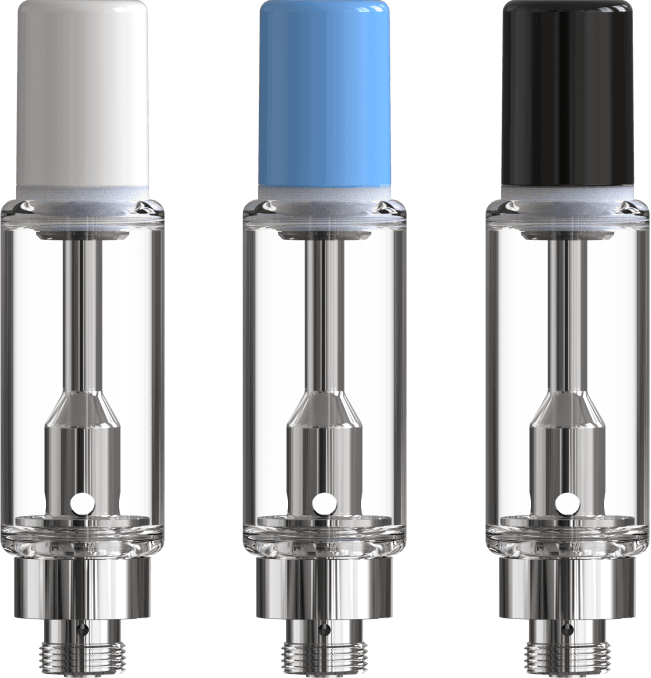
A threaded connection alone does not establish electrical, dimensional, or performance compatibility. Identify the exact cartridge, resistance range, physical dimensions, airflow path, center-pin behavior, oil category, and intended use conditions before selecting a battery.
Test the proposed pairing with production-representative oil. Verify fit, activation, output behavior, draw experience, heat, charging, and use through the intended cartridge fill. If the brand will support multiple cartridges, validate each approved pairing and document the supported combinations.
Choose the Activation and Control Model
Draw-Activated Batteries
Draw activation can simplify the consumer interface, but the sensor and airflow path must work with the approved cartridge. Define the intended draw and verify activation across normal use, storage, and battery state.
Button-Activated Batteries
A button can provide explicit activation and may support selectable settings. Confirm the control sequence, lock behavior, supported output modes, timeout behavior, and instructions for the exact model.
Variable or Programmed Output
If the device offers multiple settings or a programmed heat profile, identify the supported operating range and the setting the brand intends to recommend. Do not publish a universal voltage recommendation for an oil category without validating the battery, cartridge, atomizer, formulation, and draw conditions together.
Request the Current Electrical Specification
The controlled battery record should identify:
- model and revision;
- cell rating and capacity;
- output range or programmed behavior;
- activation and user controls;
- thread and cartridge-fit requirements;
- charging port, input, cable, and indicator behavior;
- protection features and timeout behavior;
- applicable battery, transport, and material records;
- decoration area, print method, and packaging configuration.
Confirm these values for the exact quoted model. If the supplier changes the cell, board, port, housing, firmware, factory, or assembly process, review the affected evidence before accepting the revision.
Validate the Complete Pairing
Use identified battery and cartridge samples, production-representative oil, defined draw conditions, and an agreed charging process. Record the sample IDs and conditions so the result can be repeated.
Check:
- thread engagement and physical fit;
- activation and contact consistency;
- output at each supported setting;
- cartridge and mouthpiece temperature;
- vapor and flavor behavior through the fill;
- charging and indicator behavior;
- battery state at the end of the planned use cycle;
- behavior after storage and normal handling;
- instructions required for safe and consistent use.
Set acceptance criteria before production. Avoid descriptions such as “works with every cartridge” or “best voltage for every oil.” Use the exact approved pairing and written operating range.
Review Branding and Retail Packaging
Confirm the available decoration method, print area, color control, proof process, abrasion expectations, and any changes decoration may make to seams, indicators, controls, or charging access. Approve a decorated physical sample and retain it with the artwork and specification.
Evaluate the battery inside its final retail package. Check device retention, cable or accessory placement, instructions, warnings, barcode location, tamper evidence where applicable, case pack, and distribution protection. Confirm market-specific requirements with qualified compliance owners.
Compare Quality Evidence and Remedies
Ask the supplier which inspection and test records are available for the exact model and production lot. Define the sample plan, acceptance criteria, nonconformance process, and replacement or corrective-action terms before the purchase order.
A supplier relationship should not depend on an unsupported failure-rate promise. Request the current quality evidence, identify who evaluates field complaints, and document what happens when production differs from the signed specification or retained sample.
Request Current MOQ, Lead Time, and Commercial Terms
Minimum order and lead time depend on the model, quantity, decoration, packaging, factory schedule, inspection, freight method, and destination. Request a current written quote for the exact configuration.
The quote should separate blank samples, decorated samples, pilot units, production quantity, tooling, printing, packaging, inspection, freight, duties, and reorder terms. It should state when each timeline begins and which buyer approvals, artwork, payments, or supplied materials it depends on.
Wholesale Battery RFQ Checklist
- Which battery model and revision are being quoted?
- Which cartridges and oil program will be evaluated with it?
- What activation, output, charging, and control behavior applies?
- Which battery, transport, material, and quality records are available?
- What sample and validation plan will control approval?
- Which decoration and packaging options are included?
- What are the current MOQ, sample, production, freight, and reorder terms?
- Which components or processes require written change notice?
- What remedy applies if production differs from the approved build?
Request a Current Battery Proposal
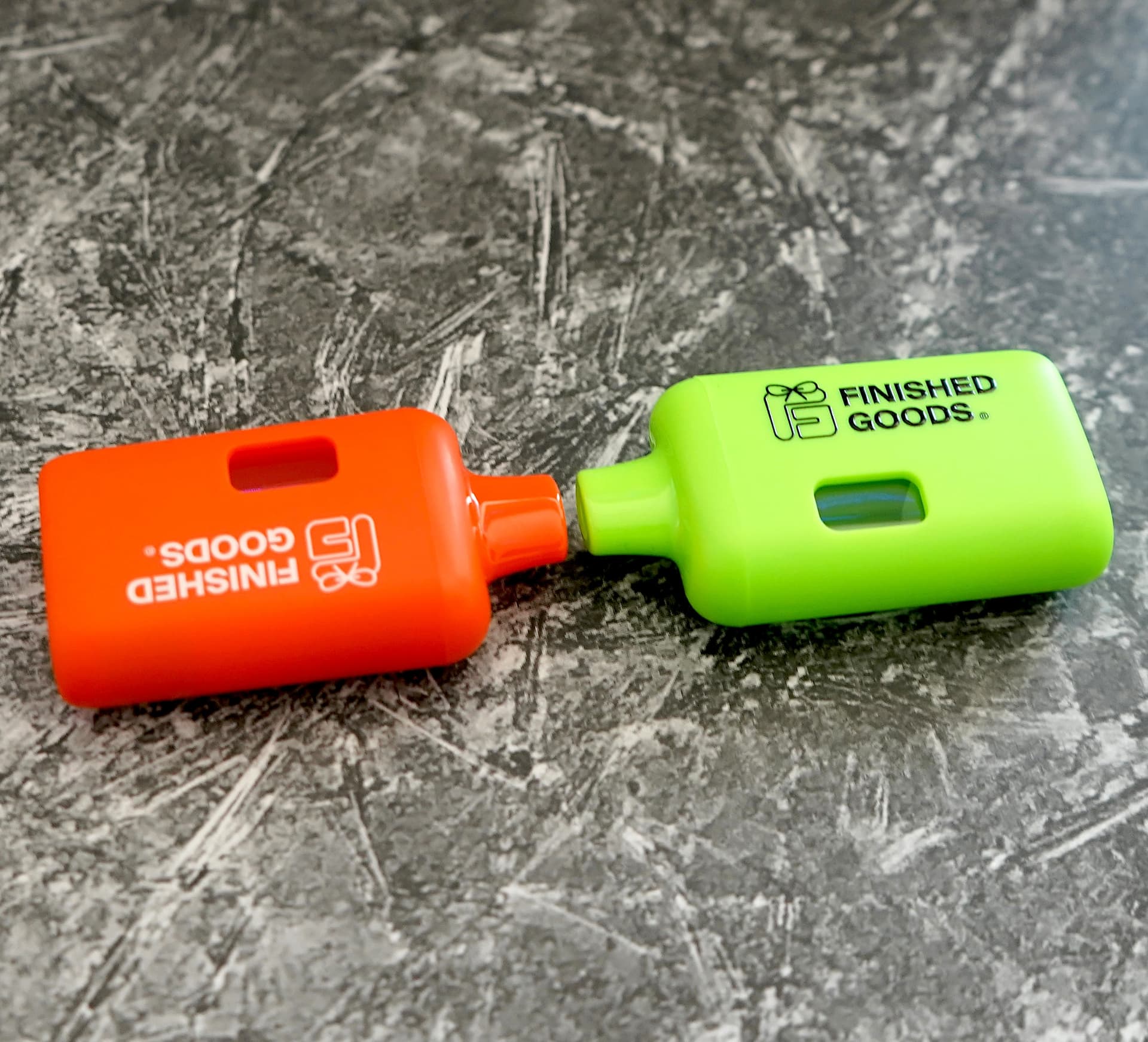
Send Finished Goods the cartridge model, formulation category, intended controls, branding, packaging, quantity, destination, and target date. Review the current 510-thread battery options, then request current specifications, representative samples, evaluation scope, and commercial terms for the exact proposed model.