4-Gram Cannabis Vape: Buyer Guide to Formats, MOQ, and Sourcing
Compare 4-gram cannabis vape formats, oil validation, filling, packaging, current MOQ and lead-time questions, and the records to request before ordering.

What a 4-Gram Cannabis Vape Program Requires
A 4-gram cannabis vape program starts with a nominal fill target, but the purchasing decision cannot stop at capacity. Buyers should compare the exact device revision, oil fit, atomizer configuration, electrical behavior, filling process, retail package, validation plan, minimum order, and delivery schedule as one controlled program.
Use the current drawing, written specification, representative samples, and commercial quote for the exact configuration under consideration. Do not assume that a general catalog description or a smaller-fill approval applies to the 4-gram version.
Keep the Generic Buyer Guide and the MAGNUM Product Story Separate
This page is a category-level buyer guide. It explains how to evaluate 4-gram cartridges and all-in-one devices without turning one product into the definition of the category.
MAGNUM should remain a separate Finished Goods product story with its own verified specification, current quote, sample plan, and approved product language. Buyers can use the framework below to evaluate MAGNUM or another quoted platform, but product-specific claims should stay on the relevant product record and be supported for that exact revision.
Choose the Format Before Comparing Suppliers
510-Thread Cartridge
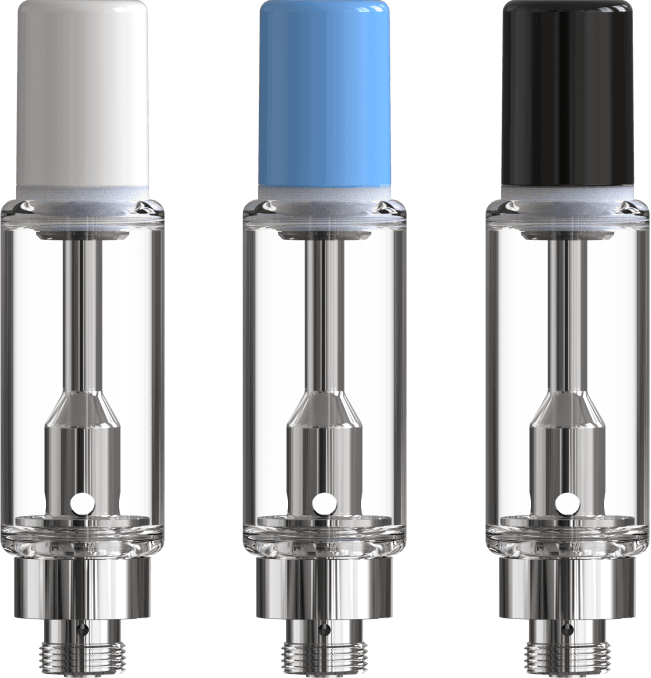
A 510-thread format pairs the oil reservoir with a separate compatible battery. Confirm the thread, electrical range, cartridge dimensions, mouthpiece, tank and atomizer configuration, and the batteries the brand intends to support. Evaluate the filled cartridge with those batteries rather than treating “510” as proof of universal compatibility.
All-in-One Device
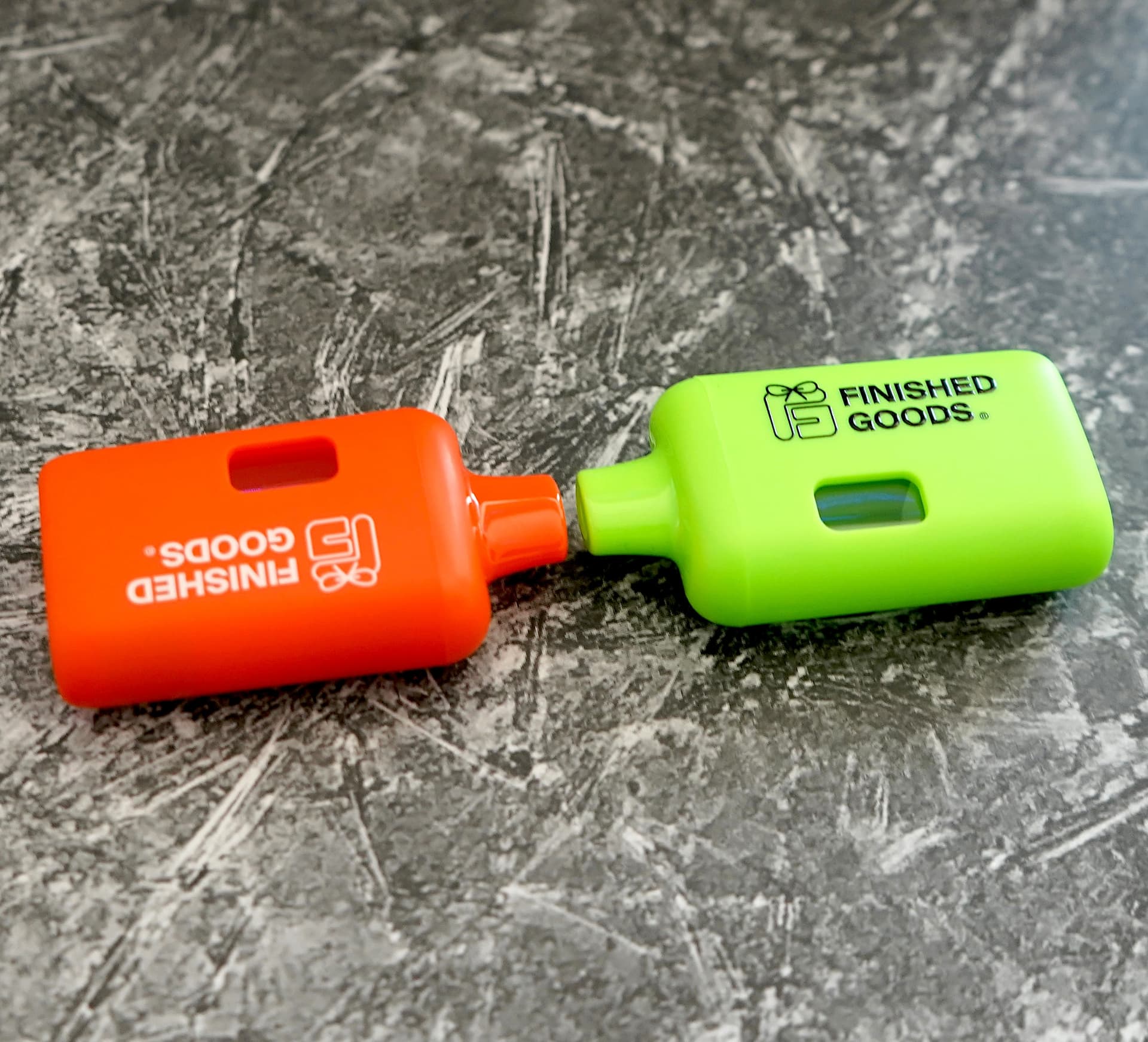
An all-in-one combines the reservoir, power source, controls, and charging design in one unit. Confirm the activation method, battery and output behavior, charge port, supported settings, safety documentation, and end-of-fill performance for the exact build. The integrated format can simplify the consumer kit while adding battery, charging, and electronics requirements to the supplier review.
Confirm the Exact Product Revision
Before sampling, request the current specification and drawing for the quoted revision. The controlled record should identify:
- nominal oil capacity and allowed fill range;
- overall dimensions and finished weight;
- tank, mouthpiece, seal, center-post, and product-contact materials;
- atomizer and intake configuration;
- battery, output, activation, charging, and control behavior where applicable;
- filling, capping, rest, storage, and pack-out instructions;
- decoration and packaging options;
- applicable test records and change-notice requirements.
If the supplier changes a component, material, factory, tool, firmware setting, or assembly process, review the affected evidence before accepting the revised build.
Validate With the Production Oil
A larger reservoir keeps the formulation in contact with the hardware for a longer use period. Validate the proposed device with production-representative oil and record the formulation category, viscosity under defined conditions, terpene content, fill temperature, storage conditions, and expected batch variation.
Do not describe a device as working with every oil. Ask which configuration is proposed for the submitted formulation and why. Test the complete fill under the intended draw, power, orientation, storage, and handling conditions. Include the beginning, middle, and end of the fill rather than approving only the first sample session.
Record leakage, flooding, clogging, dry behavior, activation, vapor output, flavor change, condensation, mouthpiece temperature, remaining oil, battery behavior, and any condition that requires investigation. The acceptance criteria should be agreed before the production order.
Run the Actual Filling and Capping Process
Use the intended filling equipment, tray, needle, oil temperature, fill weight, capping method, fill-to-cap interval, rest period, and line rate during the pilot. A hand-filled engineering sample does not establish that the same device will run cleanly on the production line.
Verify device stability in the tray, access to the fill port, cap seating, oil at the airpath, cosmetic protection, filled-unit handling, and the final retail pack-out. Retain the approved instructions and sample identifiers with the purchase record.
Compare Evidence, Not Marketing Absolutes
Ask each supplier to identify the evidence available for the exact quoted configuration. Relevant records may include material declarations, battery and transport documentation, dimensional reports, incoming and final inspection records, and results from an agreed oil-and-device validation plan.
Do not substitute broad statements such as “no clogs,” “no leaks,” “no returns,” or “works with any oil” for a defined test method and acceptance range. When a claim is not verified, use operational language: validate with the production oil, confirm for the exact SKU, request the current specification, or request the current quote.
Plan Child-Resistant and Retail Packaging Together
Confirm the applicable packaging requirements for each target market and product category with qualified compliance owners. Evaluate the exact package-and-closure combination rather than relying on a report for a different size, liner, closure, or construction.
Develop the retail package from the current device drawing and a representative physical sample. Check device retention, opening behavior, required label area, warnings, barcode placement, charging instructions where relevant, tamper evidence, case pack, and distribution protection. Recheck fit after any hardware or decoration revision.
Request Current MOQ and Lead-Time Information
Minimum order, sample timing, production timing, freight, and commercial terms can change by platform, quantity, decoration, packaging, factory schedule, and destination. Request a current written quote instead of publishing a universal MOQ or lead-time promise.
The quote should distinguish blank samples, decorated samples, pilot units, production quantity, tooling, printing, packaging, inspection, freight, duties, and reorder terms. It should also state when each timeline begins and which buyer approvals or supplied materials it depends on.
4-Gram Vape RFQ Checklist
- Is the quote for a 510-thread cartridge or an all-in-one device?
- Which exact product revision, capacity, materials, atomizer, and electrical configuration are included?
- Which production oil and fill process will be used for validation?
- What sample quantities and evaluation responsibilities apply?
- Which tests, records, and acceptance criteria will control approval?
- Which current MOQ, sample, production, freight, and reorder terms apply?
- Which decoration and retail packaging options are included?
- Which package documents apply to the exact finished format?
- What change-notice and nonconformance process applies after approval?
- What remedy applies if production differs from the signed specification and retained sample?
Make the Decision From the Complete Program
Choose a 4-gram format only after the hardware, production oil, filling line, package, evidence, commercial terms, and launch schedule have been reviewed together. Keep the category comparison separate from any individual product story, and approve the exact quoted revision through a written specification and retained sample.
Send Finished Goods the intended format, formulation category, fill process, decoration, packaging, quantities, destination, and target date. Request current specifications, sample options, evaluation scope, and a commercial quote before committing to production.