Vape Cartridge Leak Testing: What Licensed Brands Should Demand From a Supplier QA Program
Build vape cartridge leak testing into supplier QA with named methods, controlled samples, acceptance rules, lot evidence, corrective action, and audit rights.
Vape cartridge leak testing should use a defined method, controlled filled samples, written acceptance criteria, lot traceability, and documented disposition.
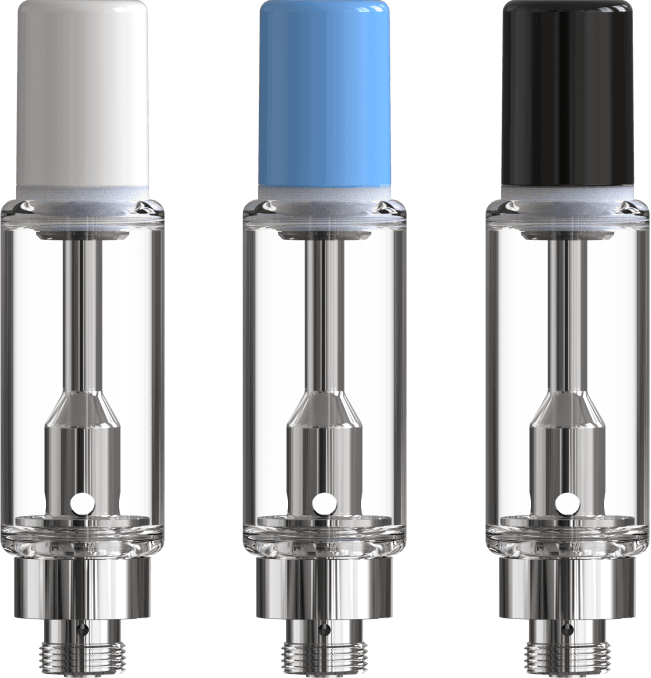
A proper vape cartridge leak test measures whether the cartridge holds a pressure or vacuum differential over time without oil migrating past the center post seals, the mouthpiece seams, or the wick channel. As a licensed brand buying hardware at volume, you should demand a documented pass rate of 99.5% or better on empty pressure decay at the factory, plus a second post fill leak protocol run either by your co packer or verified by the supplier on filled samples. Anything looser than that will show up as sticky boxes, leaked cartons, and warranty claims once product moves through a warm distributor warehouse or a hot delivery vehicle.
This post is for procurement and operations leads writing or renewing a hardware supply agreement. It covers the specific test protocols to name in the contract, sample sizes that actually mean something statistically, and the documentation you should receive with every shipment.
For the broader repeatable protocol behind lot-level evidence, see how an automated vape testing machine validates airflow, wicking, vapor production, and burnout alongside leak controls.
What a Leak Test Actually Measures
Leak testing is not a single procedure. It is a family of tests that each catch a different failure mode. When a supplier says "we leak test every cartridge," that claim is meaningless without knowing which protocol, at what pressure, for how long, and against what acceptance criteria.
The failure modes you care about, in rough order of frequency:
- Center post seal failures that let oil wick down into the airway or the 510 threads
- Mouthpiece press fit failures where the top cap separates from the tank under thermal expansion
- Intake hole clogging or oversizing that changes draw resistance and encourages flooding
- Micro cracks in glass or polycarbonate tanks from press fit stress
- Gasket compression set after heat exposure during transit
A credible QA program tests for each of these, not just one.
Named Test Protocols and What Each Catches
Write the specific protocol names into your supply agreement. Vague language like "industry standard leak testing" gives the supplier room to substitute a cheaper test later.
Pressure Decay Test
The cartridge is pressurized to a set value (commonly 20 to 40 kPa above ambient) through the airway or intake, then isolated. Pressure is monitored over a fixed dwell time, typically 3 to 10 seconds on an automated station or 30 to 60 seconds for offline audit sampling. A pass requires the pressure drop to stay under a defined threshold.
What it catches: gross seal failures, missing gaskets, cracked tanks, oversized intake holes.
What it misses: slow micro leaks that only appear once oil viscosity and thermal cycling come into play.
Vacuum Decay Test
Inverse of pressure decay. The cartridge is pulled to a vacuum and the rise in pressure is monitored. Vacuum decay is generally more sensitive to small leaks than positive pressure at the same magnitude, and it also tests seal integrity in the direction oil actually migrates during shipment (outward from the tank).
What it catches: smaller leaks than pressure decay, seals that hold under compression but fail under tension.
Thermal Cycle Test
Sample cartridges, usually filled with a viscosity matched simulant or your actual formulation, are cycled between roughly 5 C and 50 C over multiple hours, then inspected visually and re weighed. This is a sampling test, not a 100% inline test.
What it catches: gasket compression set, adhesive failures, differential expansion problems between metal, glass, and polymer components. This is the test that predicts what happens in a hot truck in July.
Fill and Hold (Oil Simulant) Test
Sample cartridges are filled with a viscosity matched simulant, capped, inverted, and held at elevated temperature for 24 to 72 hours. Weighed before and after. Any mass loss above the noise threshold is a leak.
What it catches: the real world leak profile with actual fluid dynamics, not just air.
Sample Sizes and Acceptance Rates
Here is where most supplier QA programs fall apart. A supplier saying "we test samples from every lot" tells you nothing. You need to specify sampling plan, sample size, and AQL (acceptance quality limit).
ANSI/ASQ Z1.4 is the standard sampling framework. For hardware at the volumes brands typically buy, General Inspection Level II is appropriate for lot audits, and 100% inline testing is appropriate for the primary pressure or vacuum decay step.
Recommended Sampling by Order Size
Recommended Leak-Test Sampling by Order Volume
- Under 10,000 units: 100% inline pressure- or vacuum-decay testing; 50-unit thermal or fill-and-hold lot audit; AQL 0.65.
- 10,000 to 50,000 units: 100% inline pressure- or vacuum-decay testing; 125-unit thermal or fill-and-hold lot audit; AQL 0.65.
- 50,000 to 150,000 units: 100% inline pressure- or vacuum-decay testing; 200-unit thermal or fill-and-hold lot audit; AQL 0.40.
- Over 150,000 units: 100% inline pressure- or vacuum-decay testing; 315-unit thermal or fill-and-hold lot audit; AQL 0.40.
An AQL of 0.65 means the lot is accepted if the number of defective units in the sample is at or below the standard's cutoff for that sample size. Tighter AQL (0.40 or lower) is appropriate once you are running at scale and any field failure rate has retail consequences.
For inline pressure or vacuum decay, demand a documented station pass rate of 99.5% or higher. Anything lower means the supplier is either running a loose threshold or shipping known marginal units.
What a Supplier QA Agreement Should Specify
Do not accept a one page quality boilerplate. The QA section of your supply agreement should be its own document and should include the following.
Test Protocols and Parameters
- Named test (pressure decay, vacuum decay, thermal cycle, fill and hold)
- Test pressure or vacuum level in kPa
- Dwell time in seconds
- Pass threshold (maximum allowable pressure change)
- Whether the test is 100% inline or sampled, and the sampling plan
Documentation Deliverables
For every production lot, the supplier should provide:
- Lot number and date of manufacture
- Quantity produced and quantity shipped
- Inline test pass rate for that lot
- Audit sample results with pass/fail counts
- Any deviations, rework, or holds
- Signed off by a named QA lead, not just an anonymous stamp
This document should ship with the goods or be delivered electronically before receipt. No documentation, no acceptance.
Retest and Rework Rules
Specify what happens when a lot fails audit. Can the supplier 100% rescreen and resubmit? Can they cherry pick a passing sub lot? Your agreement should require full lot rescreen with a new sample draw, not selective substitution. Rejected units should be quarantined and their disposition documented.
RMA and Field Failure Terms
- Defined field failure rate threshold (commonly 1% to 2%) above which the supplier owes replacement or credit
- Reporting window (typically 90 to 180 days from receipt)
- Required evidence (photos, sample returns, lot numbers)
- Turnaround commitment on RMA resolution
Audit Rights
You or a designated third party should have the right to audit the supplier's QA station and records on reasonable notice. If the supplier resists this clause, that is a signal.
How FGI's Automated Testing Covers Each Protocol
Our automated testing station runs 100% inline pressure decay and vacuum decay on cartridges before they leave the facility, with per unit results logged against lot number. Thermal cycle and fill and hold audits are run on drawn samples per the sampling plan above, with results included in the lot QA packet that ships with every order.
For brands that want their specific formulation validated (viscosity, terpene content, and cannabinoid ratio all affect leak behavior), we run fill and hold audits using your oil or a viscosity matched simulant during hardware qualification, before you commit to a production order. That qualification data becomes part of your file and is re run on any hardware revision.
For more detail on the testing station itself, see our earlier posts on automated vape testing and our hardware reliability benchmark methodology.
MOQ and Lead Time Impact of Tighter QA
Tighter QA is not free, and being honest about that helps you plan.
- 100% inline testing adds negligible per unit time on a properly equipped line. No MOQ or lead time impact for standard SKUs.
- Tighter AQL (0.40 vs 0.65) means larger audit samples and higher probability of a full lot rescreen. Expect 3 to 5 additional days of lead time on lots that trigger a rescreen.
- Custom fill and hold with your oil requires oil samples in hand before production and adds 5 to 10 days to first article qualification. Once qualified, subsequent orders run on standard lead time.
- Custom hardware (branded mouthpieces, custom tank geometry) requires re qualification of the full leak test program, which typically adds 2 to 3 weeks to first production and may raise MOQ because tooling changes affect the sampling economics.
A supplier who quotes you the same lead time whether you ask for 0.65 AQL or 0.40 AQL is probably not actually running the tighter plan.
Vape Cartridge Leak Testing Evidence Pack
Vape cartridge leak testing should produce an auditable evidence pack, not a verbal pass. For each lot or qualification run, the report should identify the cartridge revision, sample lot, oil or validated simulant, fill conditions, test method, equipment, duration, orientation, temperature, acceptance criteria, failures, and disposition; the cannabis vape failure-rate benchmark shows how this evidence connects to field reliability.
The record should distinguish qualification testing from routine inspection:
- empty-component inspection from filled-unit testing;
- qualification testing from routine lot inspection;
- visible leakage from pressure, vacuum, seal, or dimensional findings;
- initial failures from retest results; and
- supplier containment from verified corrective action.
When comparing suppliers, require the same test definition and acceptance rule. A claim based on a different oil, sample size, storage condition, or test duration is not directly comparable without documenting the difference.
Keep the report with the approved sample, purchase order, receiving record, and any later complaint investigation. If a component, seal, atomizer, material, tooling condition, or manufacturing location changes, decide whether qualification must be repeated before the next lot is released, then attach the new evidence to the approved revision.
What to Do Next
If you are renewing a hardware supply agreement or evaluating a new supplier, pull your current QA appendix and check it against the list above. The three items most often missing:
Named test protocols with actual pressure and dwell parameters
A specified sampling plan and AQL, not just "we test samples"
Per lot documentation delivered with every shipment
If any of those are absent, your supplier is asking you to trust the process without being able to verify it. That trust is what turns into pallets of leaking cartridges six months later.
For a walk through of our full QA packet and testing station output, reach out to your FGI account contact and we will send a redacted sample from a recent production run so you can see exactly what documentation looks like before you write it into your next agreement.