Automated Vape Testing Machine: A Buyer Evidence Guide
What to request before trusting automated vape testing machine claims: protocols, sample traceability, acceptance criteria, and reports that hold up in QA.
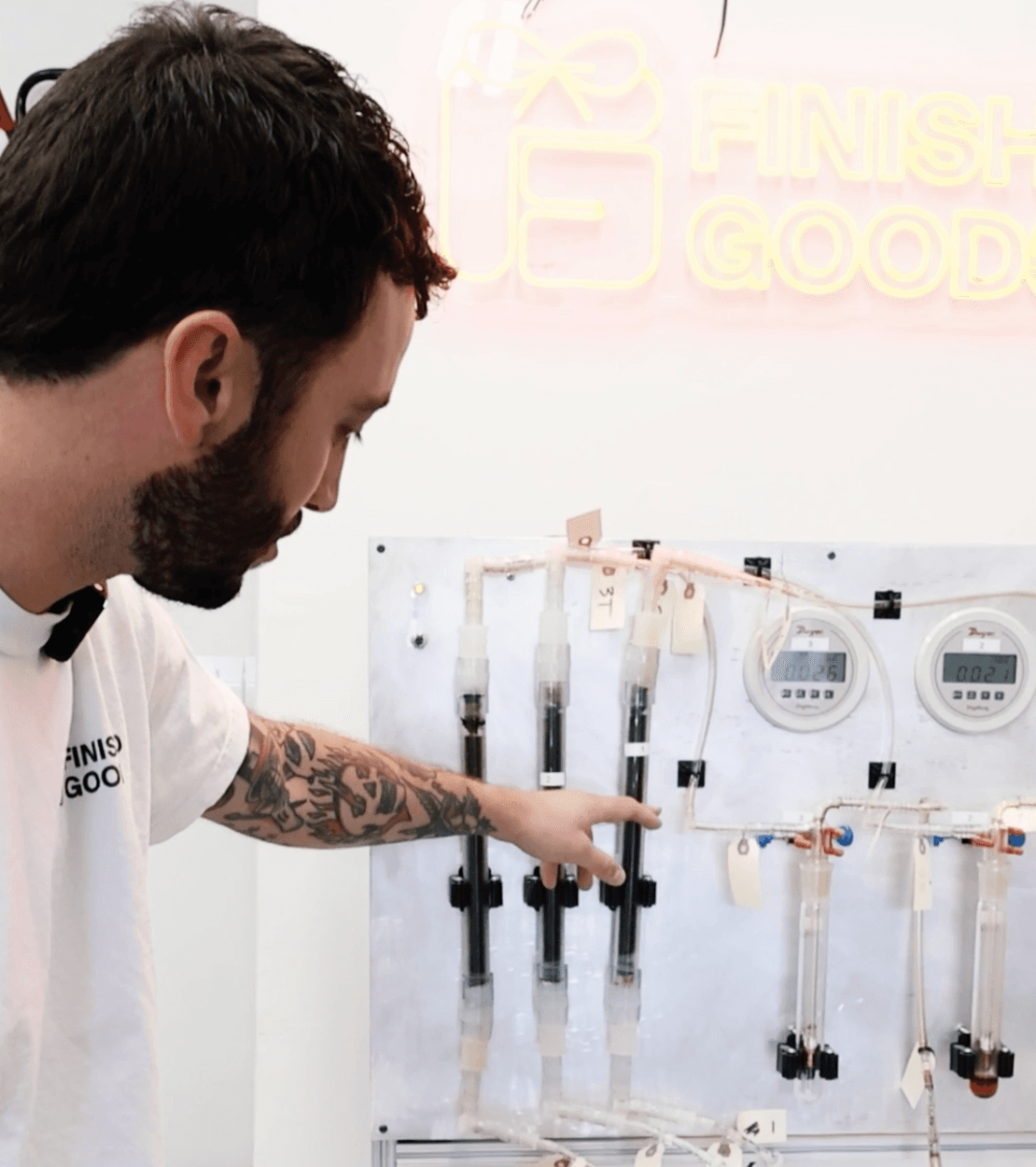
An automated vape testing machine can make repeated hardware tests more consistent, but the machine itself does not prove that a device is reliable. Buyers still need the test plan, the exact hardware and oil configuration, the acceptance criteria, the results, and the corrective action taken when a unit fails.
The practical question is not whether a supplier owns a testing machine. It is whether the supplier can show evidence that applies to the exact device, atomizer, battery, oil, fill process, and production lot under review.
What automated testing can help evaluate
A configured test system may help a supplier repeat a defined draw profile and record selected measurements across multiple devices. Depending on the equipment and protocol, those measurements may include draw behavior, activation, electrical output, temperature, pressure, mass change, or other variables.
Those measurements are useful only when the method is documented. A buyer should be able to see what the machine measures directly, what is inferred, what still requires human inspection, and what the supplier does not test.
Automated testing should be treated as one part of a broader qualification process. Visual inspection, dimensional checks, material documentation, fill-and-cap validation, transport simulation, leak evaluation, sensory review, and production-lot controls may still be necessary. The right combination depends on the hardware, formulation, market, and risk profile.
Start with the exact test article
Before reviewing a report, confirm what was actually tested. Record the product name, revision, component lot, atomizer configuration, battery configuration, capacity, fill method, cap method, oil or validated surrogate, and any conditioning performed before the run.
Small configuration changes can make results non-comparable. A test on one resistance, inlet geometry, seal stack, oil, or fill process should not automatically be presented as proof for another configuration.
Ask the supplier to connect every report to an identifiable test article and revision. If the report cannot be traced to the quoted build, treat it as background information rather than approval evidence.
Request the written protocol
A useful protocol should state the purpose of the test and define the method before results are reviewed. Ask for the device and configuration tested; the oil or surrogate used; the units and lots represented; the conditioning, storage, and test environment; the draw profile and stop conditions; the measurements and equipment; calibration or verification records; the pass, fail, and review criteria; the handling of invalid runs and retests; and the person responsible for approving the result.
Do not accept a protocol assembled after an unexpected result without understanding what changed. A pre-defined method makes it easier to distinguish a real device issue from a changed test condition.
Make sample coverage explicit
There is no universal sample size that proves every vape hardware configuration. The appropriate coverage depends on the decision being made, the severity of a possible failure, the maturity of the design, the consistency of the process, and the amount of prior evidence.
Ask whether the report describes design validation, a pilot build, incoming inspection, in-process control, finished-lot release, or a complaint investigation. Those are different decisions and may require different evidence.
If a supplier says that every unit is screened, ask what characteristic is screened, at what stage, with what limits, and how the result is stored. Screening one airflow or electrical characteristic is not the same as running every filled device through full-use evaluation.
Match the test to the intended oil and process
Hardware performance can depend on the interaction between the device, formulation, fill process, cap process, storage, and use conditions. Buyers should therefore ask for evidence that is relevant to the intended production configuration.
Document the formulation characteristics that matter to the test, while protecting confidential recipe information. Confirm the planned fill temperature, fill equipment, fill volume, cap method, rest or conditioning steps, and storage orientation. If a surrogate is used, ask why it is considered representative and what limitations that creates.
Separate machine data from human evaluation
Automated measurements and human observations answer different questions. Machine data can improve repeatability for selected variables. Human review may still be needed for taste, odor, perceived draw, visible residue, usability, and other experience-based observations.
The report should label each result by source. Do not blend measured values, operator observations, assumptions, and marketing conclusions into one score without explaining how the score was produced.
When a human panel is used, request the review method, training or instructions, sample identification, and how disagreements are handled. A few informal impressions should not be described as a validated consumer result.
Review failures, not just averages
Averages can hide important variation. Request the individual-unit results or an appropriate summary that shows the spread, the failure modes, and where in the run each issue occurred.
Ask how the supplier classifies nonconformances such as activation problems, draw restriction, leakage, dry hits, overheating, electrical faults, cosmetic defects, or inconsistent output. The categories should be defined so that different people classify the same observation consistently.
For every failed unit, determine whether the supplier preserved the unit, investigated the cause, checked related lots, documented corrective action, and confirmed the action with a new test. A testing program is valuable when it changes decisions, not merely when it produces a report.
Keep regulatory and quality claims separate
An internal performance test does not by itself establish regulatory compliance, emissions safety, material compliance, or suitability for every jurisdiction. Those conclusions require the applicable methods, laboratories, documentation, and qualified review for the specific market.
Likewise, a successful prototype or sample run does not guarantee future production performance. Production controls, change management, lot traceability, incoming inspection, and complaint handling remain necessary after a design is selected.
Avoid absolute language such as clog-free, leak-free, zero failures, or guaranteed return rates unless the exact scope, period, denominator, method, owner, limitations, and approval record are available for review.
Compare suppliers using the same evidence request
Send the same evidence request to each supplier so the responses can be compared. Record whether the quoted configuration was tested; whether the method is written and version controlled; whether the report identifies lots and revisions; whether acceptance criteria were set before the test; whether raw or unit-level results are available; whether failures led to documented containment and corrective action; whether material, battery, and applicable compliance documents are current; and whether production changes require notice and requalification.
A polished video of a machine running is not a substitute for this documentation. Conversely, a supplier without a particular branded machine may still have a credible quality system if the methods, records, controls, and decisions are clear.
What to request before approving hardware
Before approving a device, ask for the protocol, configuration record, sample and lot coverage, equipment verification, acceptance criteria, results, failure log, corrective-action record, and approval owner. Keep those records with the approved product specification so a later change can be compared with the original evidence.
When discussing a specific program with Finished Goods, ask the team to identify the testing evidence available for that exact platform and configuration rather than relying on a general performance claim.
Automated testing is most valuable when it makes a decision more traceable. The goal is not to claim that a machine eliminates failure. The goal is to understand what was tested, what the evidence shows, what remains uncertain, and what action follows from the result.
Related buyer guides
Oil and hardware fit: https://www.finishedgoods.com/blog/cannabis-oil-vape-hardware-fit-guide
Supplier qualification: https://www.finishedgoods.com/blog/vape-hardware-supplier-questions-before-po
Manufacturer sourcing: https://www.finishedgoods.com/cannabis-vape-hardware-manufacturer-guide
For the leak-test portion of a supplier QA program, review what to demand from a supplier leak-testing program before treating a machine result as release evidence.