
Cannabis Hardware for Dispensaries: A Buying Guide for Retail Sourcing
A dispensary hardware buying guide for retail buyers: how to evaluate brand vape hardware, case-pack math, CR compliance, and cut counter returns fast.
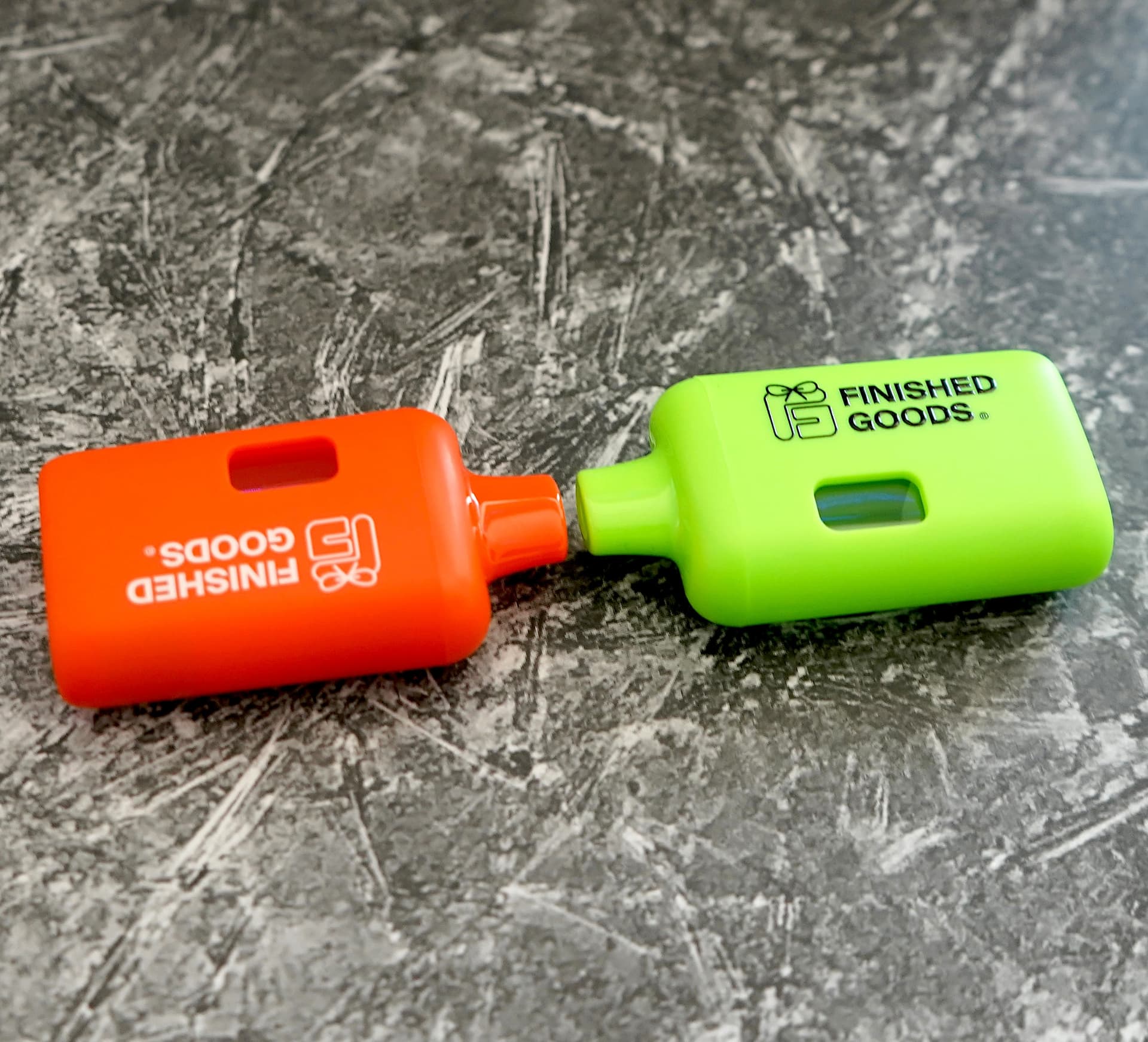
If you buy for a licensed dispensary and you are researching a dispensary hardware buying guide, the short answer is this: dispensaries almost never source empty vape hardware directly. You buy finished, filled, labeled, and compliance-tested SKUs from licensed brands and processors in your state. Your job as a retail buyer is to evaluate which brands on your menu are using hardware that performs, ships intact, and does not generate returns. This guide walks through what to look for on the shelf side, and how to route sample and spec requests through the brand partners who actually manufacture the finished product.
Why dispensaries don't buy hardware direct
Empty cartridges, disposables, and batteries are components. In every regulated state, oil has to be filled, capped, tested, and packaged inside a licensed facility. That means the hardware in your display case arrived as a finished good from a licensed brand, not from a hardware supplier.
What this changes for you as a retail buyer:
- You are evaluating the brand's hardware choice, not selecting hardware yourself.
- Your leverage is menu placement and reorder volume with the brand.
- Sample requests, spec sheets, and defect reports go through the brand's sales rep, who can escalate to their hardware supplier if needed.
The practical version of a dispensary hardware buying guide is really a framework for judging the hardware inside the SKUs you already stock or are considering adding.
What dispensary buyers should evaluate in vape hardware
Budtenders return to the counter with the same handful of complaints: clogged airflow, burnt taste on the third pull, batteries that die in a week, threading that strips, packaging that will not close after the first open. Each of those maps to a hardware or packaging decision the brand made upstream.
When you audit a brand's hardware, look at:
Heating element and wick design
Ceramic core cartridges dominate the premium tier because they handle thicker oil and higher terpene loads without wicking issues. Cotton wick designs are cheaper and can taste fine at first but tend to burn faster with live resin or rosin. Ask the brand what element their supplier uses and whether it is matched to their oil viscosity. A brand that cannot answer this is not paying attention.
Airflow and draw resistance
Too tight and customers complain the cart is clogged. Too loose and they burn through oil in a week. Consistent airflow across a case pack is a manufacturing quality issue, not a design issue. If you are seeing variable draw complaints on a specific SKU, that is a supplier consistency problem the brand needs to raise.
Battery quality on disposables and 510 threads
For all-in-one disposables, battery cycle count and voltage stability matter more than mAh on the spec sheet. For 510 batteries you sell as accessories, look for consistent thread depth and a stable connection point. Loose threading is the top driver of accessory returns.
Leak resistance in transit and on shelf
Cartridges that leak in the display case are a compliance and cleanup problem. Silicone plug quality, tank seal design, and cap fit all factor in. A brand should be able to tell you their leak rate per case and what their supplier's QC catches before shipment.
Packaging integrity after first open
Child-resistant packaging that will not re-close is packaging that ends up in a drawer, not back in the box. This is a real point-of-purchase complaint and worth raising with brand reps.
MOQ and case-pack math for a dispensary reorder cadence
Dispensary MOQs are set by the brand, not by the hardware supplier, but the case-pack math the brand inherits from hardware sourcing shapes what they can offer you.
A typical scenario:
- Hardware ships to the brand in master cartons of a few hundred to a few thousand units.
- The brand fills, tests, and repacks into retail-ready cases of 10, 20, 30, or 50 units.
- Your reorder minimum from the brand is usually one retail case per SKU.
If a brand's smallest case pack is 50 units of a slow-moving strain, you are stuck holding inventory. If they can break to 10 or 20, you can menu more SKUs without tying up capital. When you evaluate a new brand partner, ask:
- What is the smallest case pack per SKU?
- What is the lead time on reorders?
- What is the shelf-life or oxidation window on the hardware once filled?
That last question matters more than most buyers realize. Filled cartridges sitting in a warehouse for months can develop wicking or seal issues that show up in your case, not the brand's.
Child-resistant compliance for retail-facing SKUs
CR requirements vary by state, but the failure modes are consistent. As a dispensary buyer, you are on the hook if a non-compliant SKU makes it into a customer's bag. Verify:
- The outer packaging is certified CR under the applicable state standard (usually referencing 16 CFR 1700.20 protocols).
- The certification covers the exact SKU configuration, not just a similar one from the same brand.
- The CR mechanism still functions after normal handling. Slider boxes and press-and-turn tubes both work when built right and both fail when built cheap.
Ask your brand partners for the CR certification documentation on file. A brand sourcing from a serious hardware and packaging supplier will have this ready without a scramble.
Hardware attribute comparison: what actually matters at retail
| Attribute | Why it matters at the counter | What to ask the brand |
|---|---|---|
| Heating element type | Drives taste consistency and clog rate | Ceramic core spec, oil viscosity match |
| Airflow consistency | Reduces returns and complaints | QC sampling rate per production run |
| Battery cycle life (disposables) | Determines perceived value | Rated cycles, real-world testing |
| Leak rate | Shelf and transit damage | Leak rate per case, seal design |
| CR packaging | Compliance and legal exposure | Certification docs per SKU |
| Case pack flexibility | Inventory efficiency | Smallest reorder unit per SKU |
| Reorder lead time | Menu continuity | Days from PO to delivery |
Which licensed brands use Finished Goods hardware
Finished Goods supplies vape hardware and packaging to licensed cannabis brands and processors across multiple states. If you are a dispensary buyer wondering whether a brand on your menu is running FGI hardware, the honest answer is that brand supplier relationships are confidential and vary by SKU and production run. What you can do is ask your brand rep directly. Brands that source through FGI generally can answer detailed hardware spec questions quickly because they have supplier support behind them.
Signals that a brand is working with a serious hardware partner rather than piecing together the cheapest available components:
- They can produce spec sheets and CR certifications on request.
- Their hardware looks and performs consistently across production runs.
- They can accommodate custom packaging without a six-month lead time.
- Their disposables and cartridges do not show wide variance in draw or battery life across a case.
How to request samples through a licensed brand partner
Dispensaries cannot receive empty hardware samples from a supplier like Finished Goods directly. What you can do:
1. Identify the brand SKU you want to evaluate. 2. Contact that brand's sales rep and request evaluation units through your standard sample process. 3. If the brand needs supplier support (custom colors, a new form factor, a packaging change you want to see), the brand can loop in their hardware partner. 4. Provide structured feedback to the brand: draw resistance, taste consistency, leak reports, packaging complaints. Brands pass this upstream and it drives real changes in the next production run.
Dispensary buyer feedback is one of the highest-signal inputs a hardware supplier gets. Brands who share it with their supplier tend to end up with better product.
FAQ: sourcing hardware as a dispensary vs as a brand
Can a dispensary buy empty cartridges to fill in-house?
No. Filling and packaging cannabis oil requires a manufacturing or processor license in every regulated state. Dispensary licenses do not cover this activity.
Can a dispensary buy branded accessories like 510 batteries for resale?
Yes, in most states, non-cannabis accessories such as empty batteries and chargers can be purchased through general accessory distributors and resold. This is a separate SKU category from filled vape hardware.
If we want a custom SKU with a specific brand, who do we talk to?
Start with the brand. If they have supplier flexibility, they can spec a custom cartridge, disposable, or packaging configuration for a large enough commitment. The hardware supplier only takes direction from the licensed brand, not from the retailer.
How do we handle defect claims on hardware issues?
Return defective units to the brand with lot codes and quantities. Brands with real supplier relationships can get credit or replacement from their hardware partner and pass it through to you. Brands without that relationship tend to eat the loss quietly or push back on the return.
What is the difference between a hardware supplier and a brand?
A hardware supplier like Finished Goods sells empty vape hardware, batteries, and packaging to licensed cannabis brands and processors. A brand fills that hardware with tested oil, packages it, and sells the finished SKU to dispensaries. Your relationship as a dispensary buyer is with the brand.
Bottom line for retail buyers
The useful dispensary hardware buying guide is not a list of cartridge SKUs to buy. It is a framework for judging which brand partners have their hardware sourcing figured out. Ask the questions in this guide the next time a rep pitches you a new line. The brands that can answer them cleanly are the ones worth menuing.
If you work for a licensed brand or processor and you need hardware sourcing support, that is what Finished Goods does. Contact us through finishedgoods.com.
