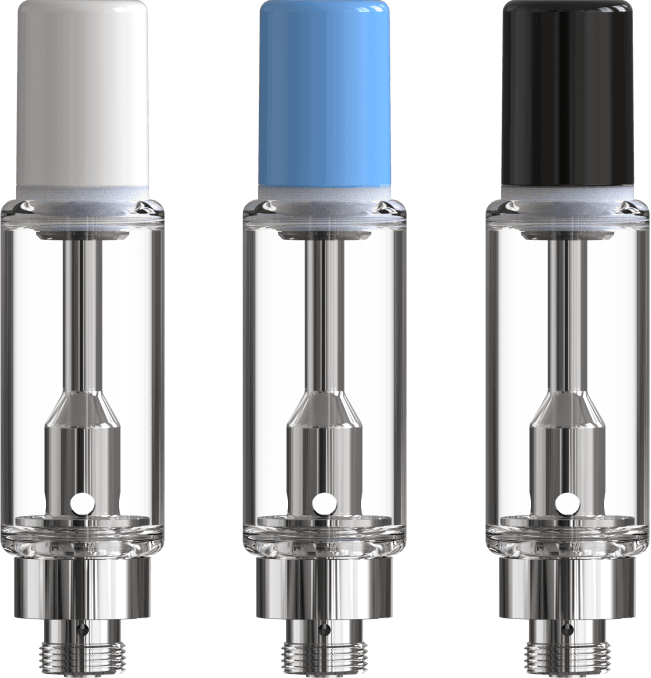
Vape Hardware Quality Control SLA for Cannabis Brands
Create a vape hardware quality control SLA with named tests, AQL sampling, traceability, failure terms, remedies, audit rights, and formal change control.
A vape hardware quality control SLA turns testing, sampling, traceability, remedies, escalation, and change control into enforceable purchase requirements.
If you are buying vape hardware for a licensed cannabis brand, your quality control terms belong in the purchase order and master supply agreement, not in a slide deck or a verbal promise from a sales rep. This post gives you the extractable artifact: the named test protocols to require, the AQL sampling math to apply, the failure-rate thresholds to write into the contract, and clause language you can lift into your own PO template.
The goal is simple. When a lot arrives, you should be able to point at a single document and say whether it passed or failed on terms both sides agreed to before production started.
Why QC has to be contractual, not implied
Most vape hardware disputes are not about whether a defect exists. They are about whose definition of defect applies, what sample size proves the point, and who pays for the fill lost to leakers. If those three things are not defined in writing before the PO ships, you will lose that argument every time.
Contractual QC does three things for a licensed brand:
- It shifts the burden of proof to the supplier by defining pass/fail before production.
- It gives your operations team an objective basis to reject a lot rather than negotiating case by case.
- It gives finance a documented path to chargebacks, replacement units, or credit against the next PO.
Implied QC, meaning "industry standard" or "the supplier does their own testing," is not enforceable. Insurers, state regulators, and retail buyers will not accept it if a complaint escalates.
Named test protocols every vape hardware supplier should run
Write these into the SLA by name. Reference the test method, the acceptance criterion, and the sample size for each. Do not accept a generic "passes QC" line on a certificate.
Heavy metals on the wetted path
Require ICP-MS testing on the atomizer, mouthpiece, and any post that contacts oil. Acceptance criteria should match or exceed the strictest state limits you sell into (typically lead, cadmium, arsenic, mercury, plus nickel and chromium for cannabis-specific programs). Require certificates traceable to lot number, not a generic annual report.
Leak and pressure testing
Two tests, not one:
- Vacuum leak test on filled units at a stated pressure differential and dwell time, simulating air freight and altitude change.
- Thermal-cycle leak test using a product-validated temperature range and dwell period, followed by inspection for weepage at the mouthpiece, coil post, and threading.
Draw resistance and airflow consistency
Require a maximum acceptable variance in draw resistance across the lot, measured in kPa at a defined flow rate. Airflow inconsistency is one of the most common reasons brands see complaints on otherwise functional hardware.
Coil performance and heat-up curve
Specify resistance tolerance (for example, plus or minus 0.1 ohm from nominal) and a required heat-up profile at the target voltage. For battery-integrated devices, include cycle life testing to a stated number of full charges.
Cosmetic and dimensional inspection
AQL-based visual inspection covering scratches, print defects, mouthpiece fit, and thread engagement. Dimensional check on 510 threading, mouthpiece bore, and overall length against the approved sample.
Battery safety (for disposables and integrated devices)
Require UN 38.3 documentation on the cell, plus overcharge, short-circuit, and drop testing on the finished device. This is not optional if you ship interstate or via air.
Failure-rate thresholds buyers should write into the PO
These are the categories to define in the SLA and tie to remedies such as replacement, credit, or lot rejection. Set each numeric threshold from validated pilot-fill, inspection, and field data for the specific product; the contract should identify the evidence and revision used.
Defect Thresholds and Remedy Triggers
- Leakers after fill but before consumer use: set an acceptable rate and a separate full-lot rejection trigger using validated pilot-fill and field data.
- Dead on arrival (will not fire or draw): set an acceptable rate and a separate full-lot rejection trigger using validated reliability data.
- Major cosmetic defects (visible and unsellable): define the acceptable rate and the rate that triggers a chargeback or lot remedy.
- Minor cosmetic defects: define the acceptable rate and the rate that triggers a credit.
- Draw resistance outside specification: define the acceptable rate and the rate that triggers a chargeback or lot remedy.
- Heavy metals above the applicable limit: zero tolerance; full-lot rejection and regulatory hold.
- Field failure rate: define the reporting window, acceptable rate, and per-unit credit or replacement remedy in the contract.
Two notes. First, define "leaker" in the contract with a specific test (weight loss over X hours at Y temperature, or visible oil at defined inspection points). Second, tie the field failure rate to a reporting window and a documented complaint intake process, otherwise it is unenforceable.
AQL sampling math applied to vape hardware lots
AQL (Acceptable Quality Limit) sampling from ANSI/ASQ Z1.4 is the standard buyers should reference by name. It gives you a statistically defensible sample size without inspecting every unit.
When the contract adopts General Inspection Level II, state the defect-class AQLs in the PO or an exhibit. Select them with the inspector and supplier for the specific product and risk; do not treat generic example values as universal defaults.
- Critical defects (safety, heavy metals, battery): define the contractual acceptance rule, including whether any critical defect requires rejection.
- Major defects (leakers, DOA, function): state the selected AQL and its corresponding accept/reject numbers from the adopted table.
- Minor defects (cosmetic): state the selected AQL and its corresponding accept/reject numbers from the adopted table.
Worked example
For a 50,000-unit lot, use the current licensed ANSI/ASQ Z1.4 tables to determine the code letter and sample size for the selected inspection level. Do not copy an unverified table value into the PO.
Applying the AQL table:
- For major defects: record the selected AQL and the adopted table’s corresponding sample size and accept/reject numbers.
- For critical defects: record the contractual acceptance rule and any required zero-acceptance or lot-rejection condition.
- For minor defects: record the selected AQL and the adopted table’s corresponding sample size and accept/reject numbers.
Write the sample size, code letter, and accept/reject numbers directly into the PO for the lot size range you buy in. Do not leave the inspection level undefined.
Who pulls the sample
The SLA should specify. Options in order of buyer preference:
Third-party inspection at the factory before shipment (pre-shipment inspection, or PSI).
Buyer or buyer's agent inspection at port of arrival.
Buyer inspection at receiving with pre-agreed remedies if the sample fails.
Supplier self-inspection with no third-party check is the weakest position and should be paired with tight failure thresholds and a right-to-audit clause.
Sample SLA clauses (lift-and-use)
These are starting language. Have your counsel adapt them to your jurisdiction and master agreement. They are written to be dropped into a vape hardware supply agreement or PO terms.
Clause 1: Incoming inspection and AQL
"Supplier shall inspect each production lot in accordance with ANSI/ASQ Z1.4, using the inspection level, defect classifications, AQLs, sample sizes, and accept/reject numbers stated in Exhibit A. Buyer reserves the right to conduct or commission a pre-shipment inspection at Supplier's facility on the same basis, with reasonable notice. A lot that fails the acceptance criteria shall be reworked or replaced at Supplier's cost, or rejected at Buyer's option."
Clause 2: Named test protocols
"For each lot, Supplier shall perform and certify: (a) ICP-MS heavy metals testing on all oil-contact components against limits set forth in Exhibit A; (b) vacuum and thermal-cycle leak testing per Exhibit B; (c) draw resistance measurement per Exhibit C; (d) coil resistance and heat-up verification per Exhibit D; and, for battery-integrated devices, (e) UN 38.3 documentation and finished-device safety testing. Certificates shall reference the specific lot number and be delivered to Buyer prior to shipment."
Clause 3: Field failure and epidemic failure
"Supplier warrants that the field failure rate, measured over the reporting period stated in Exhibit E, shall not exceed the threshold stated in Exhibit E. If the field failure rate exceeds the epidemic-failure threshold stated in Exhibit E within any lot, an epidemic failure event is declared, and Supplier shall replace all unsold units from that lot and credit Buyer for documented complaints against sold units."
Clause 4: Documentation and traceability
"Each shipment shall include: lot-level Certificate of Analysis for heavy metals, lot-level QC report showing sample size, defects found by category, and accept/reject determination, and component-level material declarations for all oil-contact surfaces. Records shall be retained for the period stated in the agreement and as required by applicable law, and made available on request."
Clause 5: Right to audit
"Buyer or Buyer's designated third party may audit Supplier's manufacturing and QC facilities on reasonable written notice, subject to the scope, frequency, confidentiality, and cost-allocation terms stated in the agreement, with the right to review QC records, observe testing, and pull retained samples."
Clause 6: Remedies
"For any lot failing the acceptance criteria in Clause 1 or the thresholds set forth in Exhibit E, Buyer's remedies shall include, at Buyer's election: (a) rejection and return at Supplier's cost, (b) rework or replacement at Supplier's cost, (c) credit against future purchases, or (d) chargeback for documented consumer complaints, remediation costs, and lost fill."
How FGI documents QC for licensed brands
Every program we place is scoped against the same structure described above. That means:
- Lot-level heavy metals COAs on the wetted path, tied to the specific lot number on your receiving paperwork.
- Pre-shipment leak, draw, and coil testing with sample sizes calculated from the lot size using ANSI/ASQ Z1.4.
- Pre-shipment inspection available at the factory before the container leaves, with the AQL and defect thresholds set to your PO.
- Retained samples from every production lot, held against future dispute or regulator inquiry.
- A written QC packet delivered per shipment, not a generic annual certificate.
If you are drafting or refreshing your vape hardware supply agreement, the clauses above are the extractable version of what we run against internally. Bring them to your next supplier conversation and ask which ones the supplier will sign to. The answer tells you what you need to know before the PO goes out.
Related reading on the blog: the supplier PO checklist for cannabis vape hardware, and how automated end-of-line testing changes the AQL math on high-volume programs.
Vape Hardware Quality Control SLA: Change Control
A vape hardware quality control SLA is incomplete unless it defines change control. The supplier should identify which material, component, tooling, firmware, factory, subcontractor, or process changes require notice, what evidence accompanies the notice, and whether the buyer can require a new sample approval.
The SLA should state the approved configuration and the change procedure:
- the approved drawing and product revision;
- the notice period and authorized contacts;
- the documents, test results, and samples required for review;
- the buyer’s right to pause production or shipment;
- how affected work in process and finished inventory are identified;
- who pays for retesting, rework, replacement, or expedited recovery; and
- how emergency changes are contained and approved.
Tie each approved exception back to the SLA, purchase order, lot record, and retained reference sample. A supplier should not be able to substitute a “functionally equivalent” component without showing that the agreed performance, compliance, and appearance criteria remain satisfied.
Review the vape hardware quality control SLA after a failed lot or material field issue. Update the named test, sampling rule, escalation deadline, or evidence requirement that failed to control the risk. That keeps the SLA connected to actual operating experience and gives every reorder the current version rather than a static contract attachment.