Empty Disposable Vape Pens Wholesale: A B2B Sourcing Guide for Cannabis Brands
Source empty disposable vape pens wholesale with oil-matched device specs, sample approval, fill-line validation, decoration, QC, MOQ, and lead-time controls.
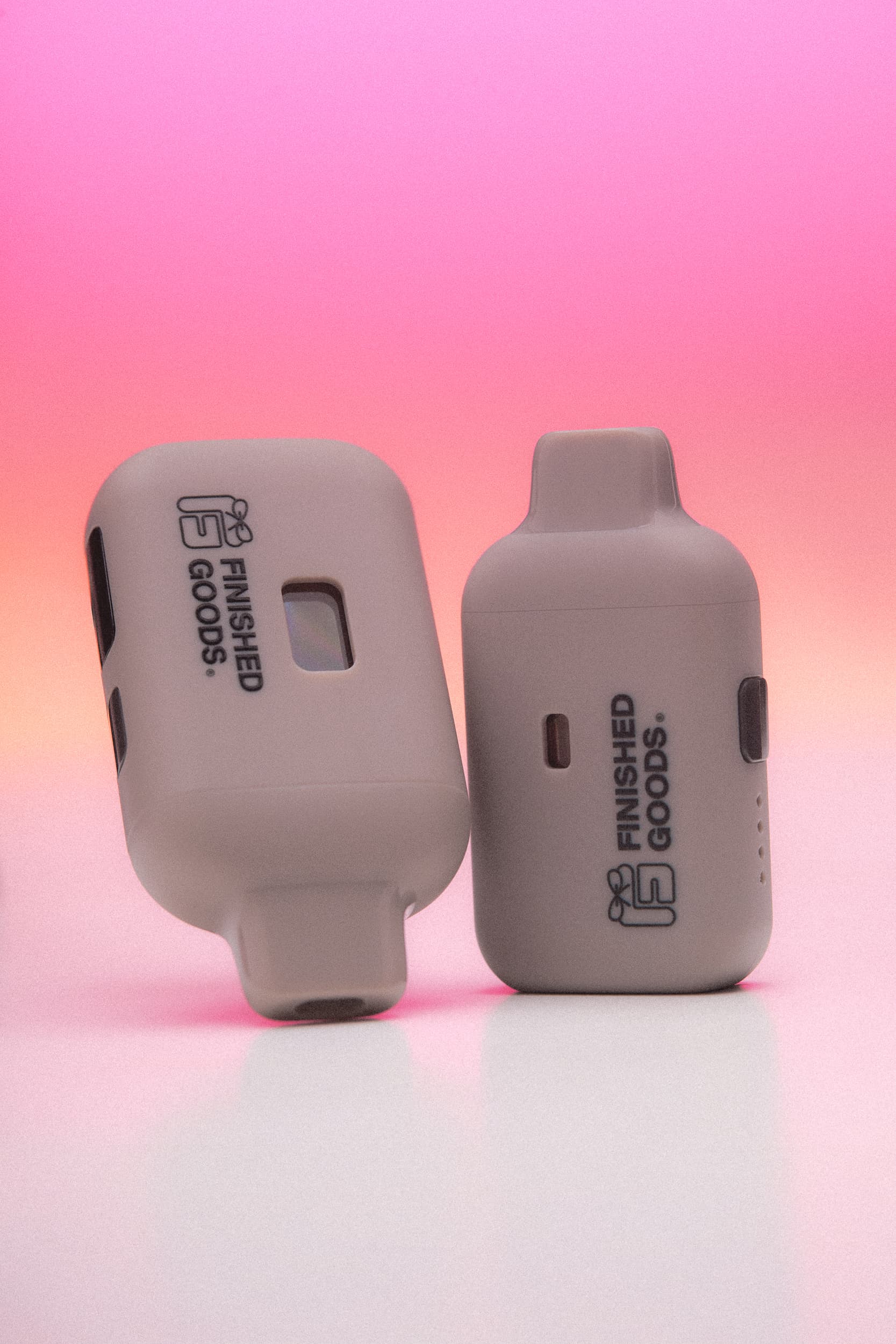
Empty disposable vape pens wholesale programs should be approved as filled production systems, not selected from empty samples or catalog descriptions alone.
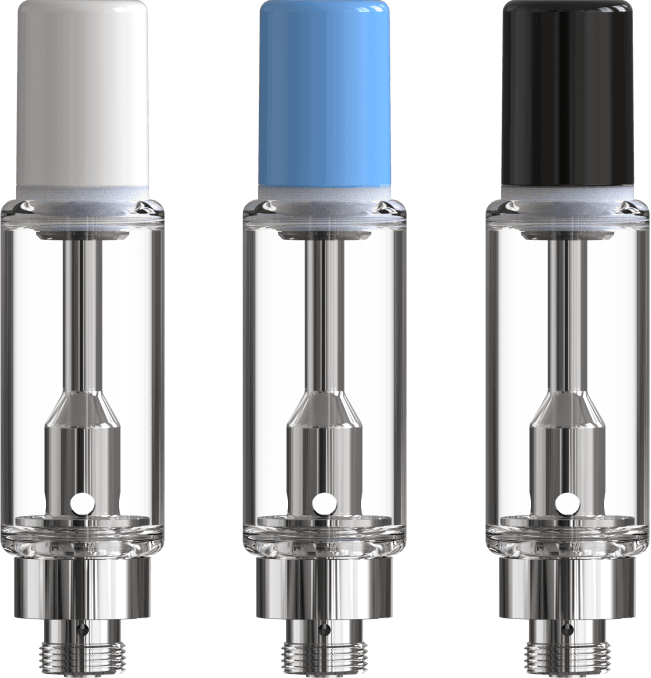
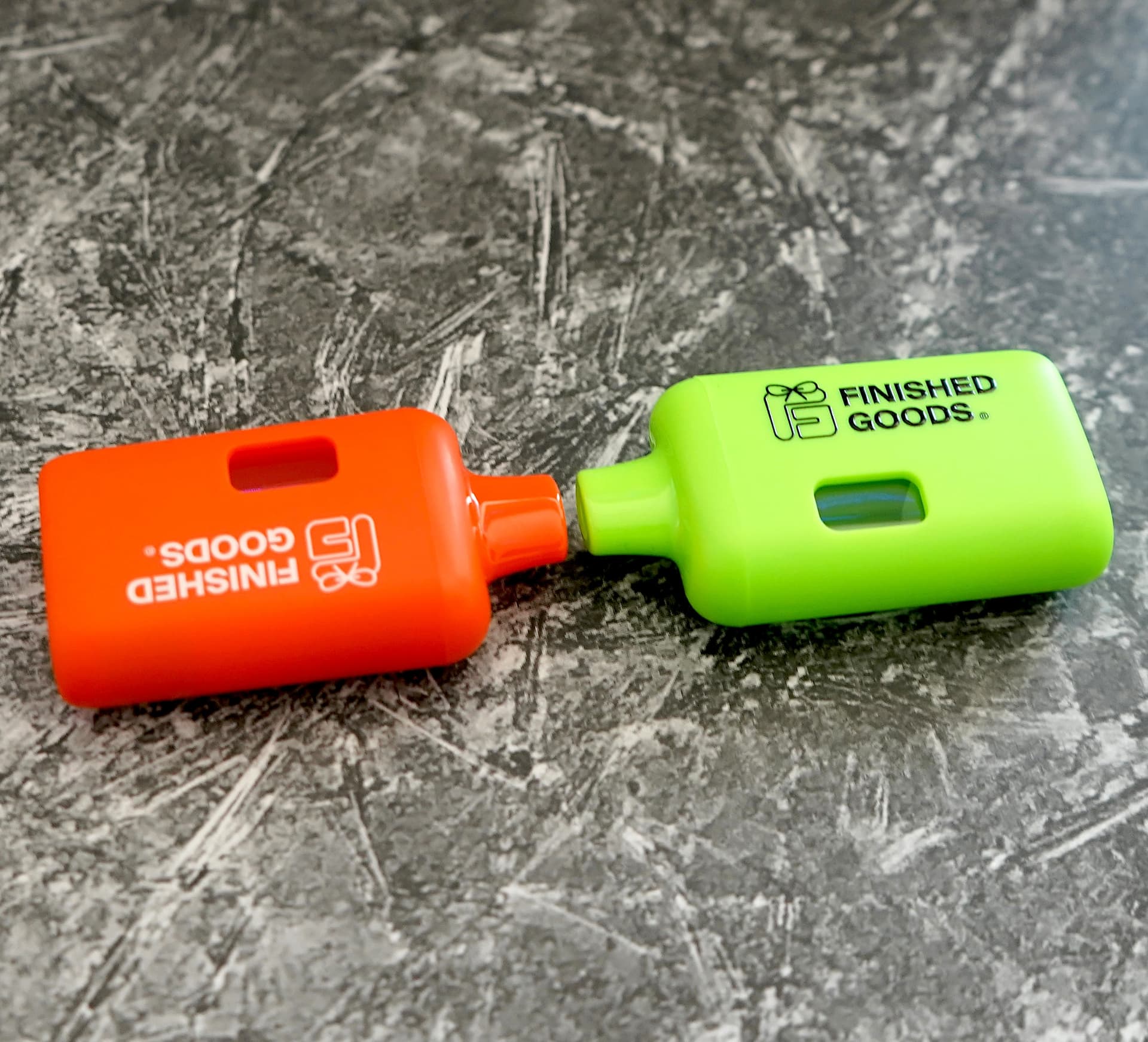
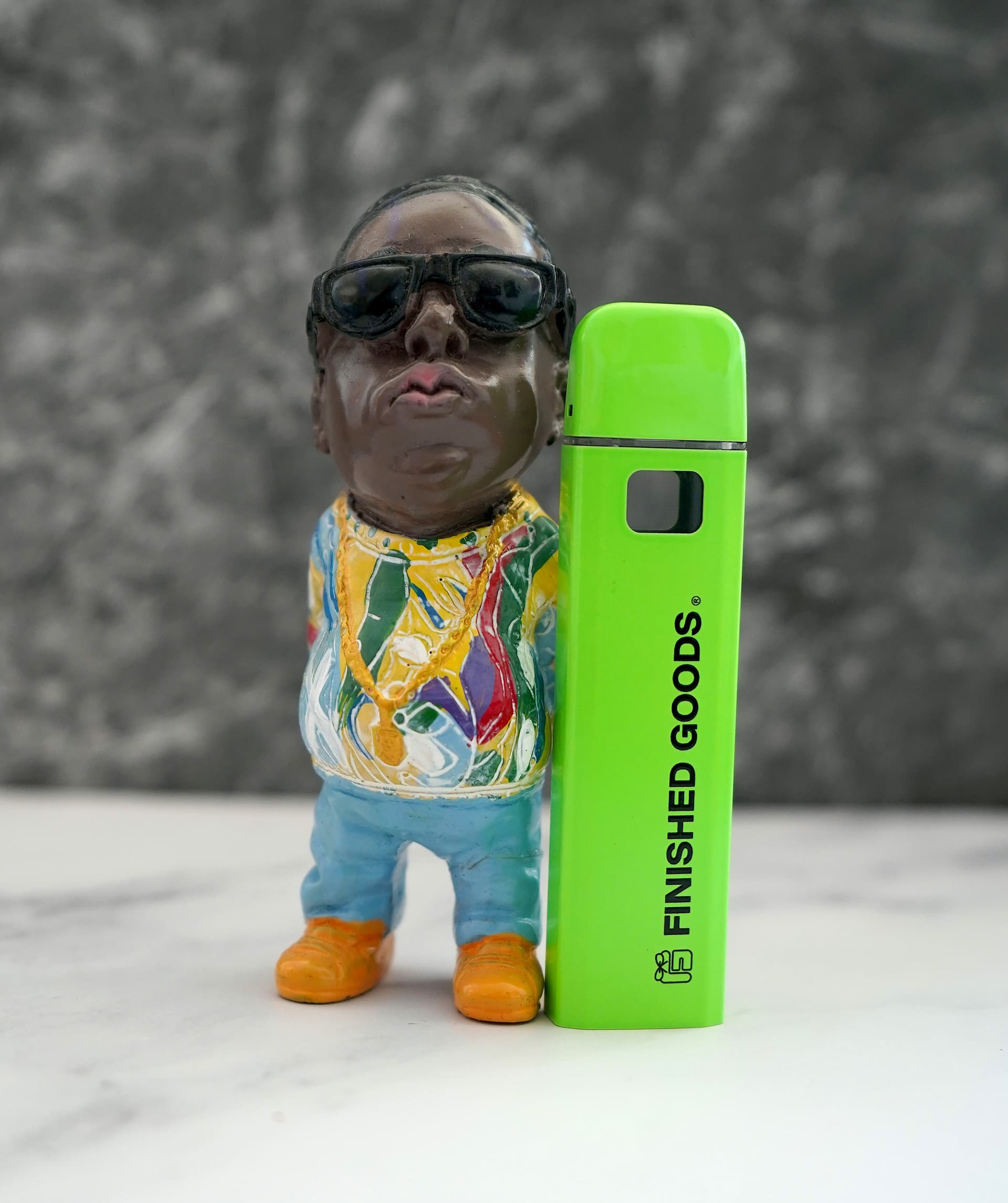
An empty disposable vape pen, in a B2B context, is an unfilled all in one (AIO) device sold in bulk to a licensed brand or processor who fills, caps, decorates, and packages it under their own label. You are buying the hardware only: battery, tank, wick or ceramic, mouthpiece, and usually a bare or lightly branded shell that your team will decorate. This guide covers what to lock down before you commit to an MOQ, how decoration timelines actually play out, how to sample responsibly, and how AIO empties differ from cartridge empties on your fill line.
If you already know the format you want, skip to the spec checklist. If you are choosing between a 510 cartridge program and a disposable program, start at the top.
Compare all-in-one vape hardware before locking the wholesale device specification.
AIO empties vs cartridge empties: what actually changes for procurement
A 510 cartridge is a consumable that pairs with a separately sold battery. An AIO disposable is a single sealed unit: battery, tank, and mouthpiece in one shell, usually rechargeable, sometimes with adjustable airflow or preheat. From a procurement standpoint, three things change when you move from carts to AIO empties:
- Unit cost and unit count. An AIO carries a battery in every SKU, so per unit landed cost is higher and pallet counts per case are lower. Plan warehouse space accordingly.
- Fill workflow. AIOs are typically bottom filled through a silicone plug, then capped or heat sealed. Cartridges are top filled and then capped with a mouthpiece. Your fill line tooling and nest plates are format specific.
- QC failure modes. AIO failures include battery drift, LED failure, and charge port defects on top of the usual leak and clog issues. Your incoming QC sample rate should be higher for AIO than for a straight cartridge.
If your brand is committing to disposables as a category, treat the empty AIO as a hardware program, not a one time buy.
Specs to lock before you agree to an MOQ
Before you sign off on a production run, get these on paper. Vague specs cause the majority of post delivery disputes we see.
Battery
- Capacity (mAh). Match capacity to tank size and expected session count. Rechargeable AIOs are not sized to empty the tank on one charge; confirm cycle life and charge current instead.
- Chemistry and cycle life. Confirm the cell is rated for the number of charge cycles you expect a consumer to complete.
- Voltage behavior. Fixed voltage, stepped voltage, or variable. Preheat function or not. This affects how your oil hits and how you write the consumer instructions.
Tank
- Capacity. 0.5g, 1g, and 2g are the common formats. Confirm actual fill volume, not nominal, because headspace varies.
- Heating element. Ceramic coil, quartz, or wick style. Aperture size matters for viscosity. Terpene rich live resin needs different apertures than a heavily cut distillate.
- Center post and airflow. Restricted draw vs open draw changes the perceived potency and the burn rate.
Mouthpiece and shell
- Material. PCTG, PC, zinc alloy, or ceramic tips. Regulatory review in some states restricts certain materials.
- Removable vs fixed mouthpiece. Affects both consumer experience and decoration options.
Charging
- Port type. USB C is now standard on new programs. Micro USB should be a red flag on any current spec sheet.
- Charge current and protection. Confirm overcharge and short circuit protection.
Compliance and documentation
- CoAs on heavy metals for the tank and mouthpiece.
- Battery certifications (UN 38.3 at minimum for freight).
- Country of origin documentation for state level reporting.
Decoration paths and realistic lead times
This is where most brand launches slip. Understand what each decoration route actually costs you in weeks.
Decoration Methods and Typical Lead Times
- Shrink wrap or heat-shrink sleeve: 1 to 2 weeks from art approval. Lowest cost, fastest, and most forgiving on small runs; can look inexpensive if the art is not tuned.
- Printed label wrap: 2 to 3 weeks. A practical middle ground; verify the adhesive rating against oil residue and pocket wear.
- Direct print (silk screen or pad print): 4 to 6 weeks. Cleaner appearance and tighter registration on curved shells, with a higher MOQ per colorway.
- UV printing on the shell: 4 to 8 weeks. Can support photographic detail but typically carries the highest MOQ and longest lead time.
- Custom mouthpiece (color match or shape): 8 to 12 weeks. Requires tooling or dedicated color runs and generally makes sense only at volume.
- Custom shell tooling: 12 to 20 weeks or more. A full private mold requires significant capital and is generally reserved for anchor SKUs.
A practical sequence for a first program: launch on shrink or label wrap, validate sell through and consumer response, then step up to direct print or a custom mouthpiece on your second or third run.
Sample pack policy and approval workflow
A sample should exist to answer one question: does this hardware work with my oil, my fill line, and my brand standard. Treat samples with that discipline.
A working sample workflow looks like this:
Bare hardware samples. Request unfilled units in the exact spec you intend to buy. Two to five units per SKU is enough for a bench check.
Fill trial. Run a small batch through your fill line, cap, and cure per your standard.
Burn down. Test to empty on at least three units per SKU. Watch for clogging, leaking, coil burn, and battery cutoff before the tank is dry.
Decorated pre production sample. Once you commit, request a decorated proof against your approved art before the full run starts.
Golden sample retention. Keep a sealed reference unit from the pre production sample. It is your reference point for every future QC dispute.
At FGI we ship bare hardware samples on any active AIO empty in our catalog. Decorated pre production samples come after art files are locked and a PO is in place, because the tooling and setup carry real cost.
Compatibility with your fill line
AIO empties are not universally compatible with every filler. Confirm with your equipment operator before you buy.
- Thompson Duke and similar. Bottom fill AIOs generally run well with a nest plate matched to the shell footprint. Confirm needle length against tank depth.
- Vape Jet. Handles a wide range of formats. Check nest plate availability for the specific AIO shell.
- ATG Pharma. High throughput, format specific tooling. Plan for a changeover cost if you switch AIO shells.
- DDS (Detroit Dispensing Solutions). Confirm dispense head and fixture compatibility with your tank geometry.
- Hand fill or semi automatic. Workable for pilot runs and small SKUs. Not recommended at scale for AIO because throughput and fill accuracy will hurt margin.
Send your filler make, model, and any custom fixtures to your hardware supplier before you commit to a spec. A three hour conversation up front avoids a six week tooling delay later.
Speccing an AIO empty by oil type
Hardware selection should follow the oil, not the other way around.
- Distillate, lightly cut. Standard ceramic aperture, mid range airflow, 1g or 2g tank. Most AIO empties on the market are tuned for this.
- Live resin, live rosin, or high terpene. Larger aperture, more open airflow, and a battery with preheat helps prevent clogging on cold starts. Watch mouthpiece material against terpene degradation.
- CBD or minor cannabinoid blends. Often lower viscosity, which means a tighter aperture to prevent leak through.
- High THCa or crystallized inputs. Requires the widest aperture and often a higher voltage curve. Test aggressively.
If you are running more than one oil format, plan for more than one AIO SKU. Trying to force a single hardware platform across every oil type is the fastest way to generate warranty returns.
Empty Disposable Vape Pens: Signed Sample Record
Empty disposable vape pens should be approved against the exact oil, fill line, operating procedure, and package planned for production. An empty device can pass cosmetic inspection and still fail after filling, storage, shipping, or normal use.
For every empty disposable vape pens sample round, record the approved empty disposable vape pens configuration:
- device, tank, atomizer, intake, seal, battery, and firmware revision;
- oil identifier, fill temperature, equipment, fill weight, and closure process;
- saturation time, storage orientation, and packaging configuration;
- charging, indicator, draw, airflow, and cutoff behavior;
- leakage, clogging, flavor, vapor, residue, and end-of-fill observations;
- approved color, finish, decoration, artwork, and physical reference; and
- the changes that require a new approval.
Run empty disposable vape pens through the production process before the order is released, including fixture fit, filling, handling, cooling, labeling, and case packing. Use multiple units from the same sample lot, retain untouched controls, and test the full intended fill.
The supplier quotation for empty disposable vape pens should identify the same signed configuration used during validation. If the factory substitutes an atomizer, battery, gasket, housing, or production site, procurement should stop and determine whether requalification is required. This keeps empty disposable vape pens sourcing tied to a reproducible product rather than a generic catalog description.
When production units arrive, inspect the empty disposable vape pens before filling. Confirm the lot, revision, count, appearance, dimensions, charging behavior, draw path, and package against the approved references, then quarantine any discrepancy for supplier review. Once oil is added, the cost and root-cause analysis become harder. A documented incoming check keeps empty disposable vape pens from entering production merely because the outer carton and catalog name look correct.
Where to start
If you are speccing an AIO program now, get a bare hardware sample of two or three formats, run them through your fill line with your actual oil, and pick a decoration path that matches your launch timeline. For teams looking at our current AIO empties, the Air Mini (0.5G to 2G), Pure 2.0 (0.5G to 1.25G), Magnum (1G to 4G), Air (2G to 5G), and dual-tank XL and XLS cover the full range. Reach out with your oil profile, target tank size, and filler model, and we will scope specs, MOQ, and lead time against your launch date.