

Disposable Vape Packaging: Child-Resistant Box Formats for 1g to 5g AIOs
Compare disposable vape packaging for 1g to 5g AIOs. Match the child-resistant box, insert, opening mechanism, and print specifications to your device size.
Disposable vape packaging has to do more work than cartridge packaging. The box sets the shelf presence, holds a device that grows in length and weight as you move from 1g to 5g, carries every compliance element your state requires, and often provides the child-resistant feature itself. The right format depends mostly on device size. Folding tuck-end cartons and CR sleeve-and-tray boxes cover most 1g and 2g AIOs. Larger 3g to 5g devices usually need a sturdier sleeve-and-tray build or a rigid box with a fitted insert. Lock in the format, insert, and CR mechanism against a production device before anyone touches artwork.
This guide covers the packaging side only: box structure, inserts, CR mechanisms on paper packaging, print spec, and planning. Device-level child-resistant features are a separate topic.
Why AIO packaging differs from cart packaging
A 510 cartridge is a small, standardized part. Most cart boxes are built around a narrow range of cartridge dimensions, so stock structures fit a wide range of products.
AIOs do not work that way. Every disposable has its own body shape, mouthpiece profile, button or draw-activation layout, and battery size. A box that fits one 2g device can rattle around or crush a different 2g device. As capacity goes up, three things change at once:
- Dimensions. Larger tanks and batteries mean longer, wider, or thicker bodies. Some 3g to 5g designs are noticeably more square than the slim pen form factor of most 1g units.
- Weight. A heavier device puts more load on the insert and the box walls, especially in transit and in drop scenarios.
- Retail price point. Higher-capacity devices usually sell at a higher price, and buyers expect the box to look and feel like it.
The packaging also carries the lithium battery. Your box and outer carton choices affect how cleanly product moves through your distribution and shipping process, so loop in whoever handles logistics early.
Disposable vape packaging formats by AIO size
Three structures cover almost every AIO program. Each can be built in CR paper.
Folding tuck-end cartons
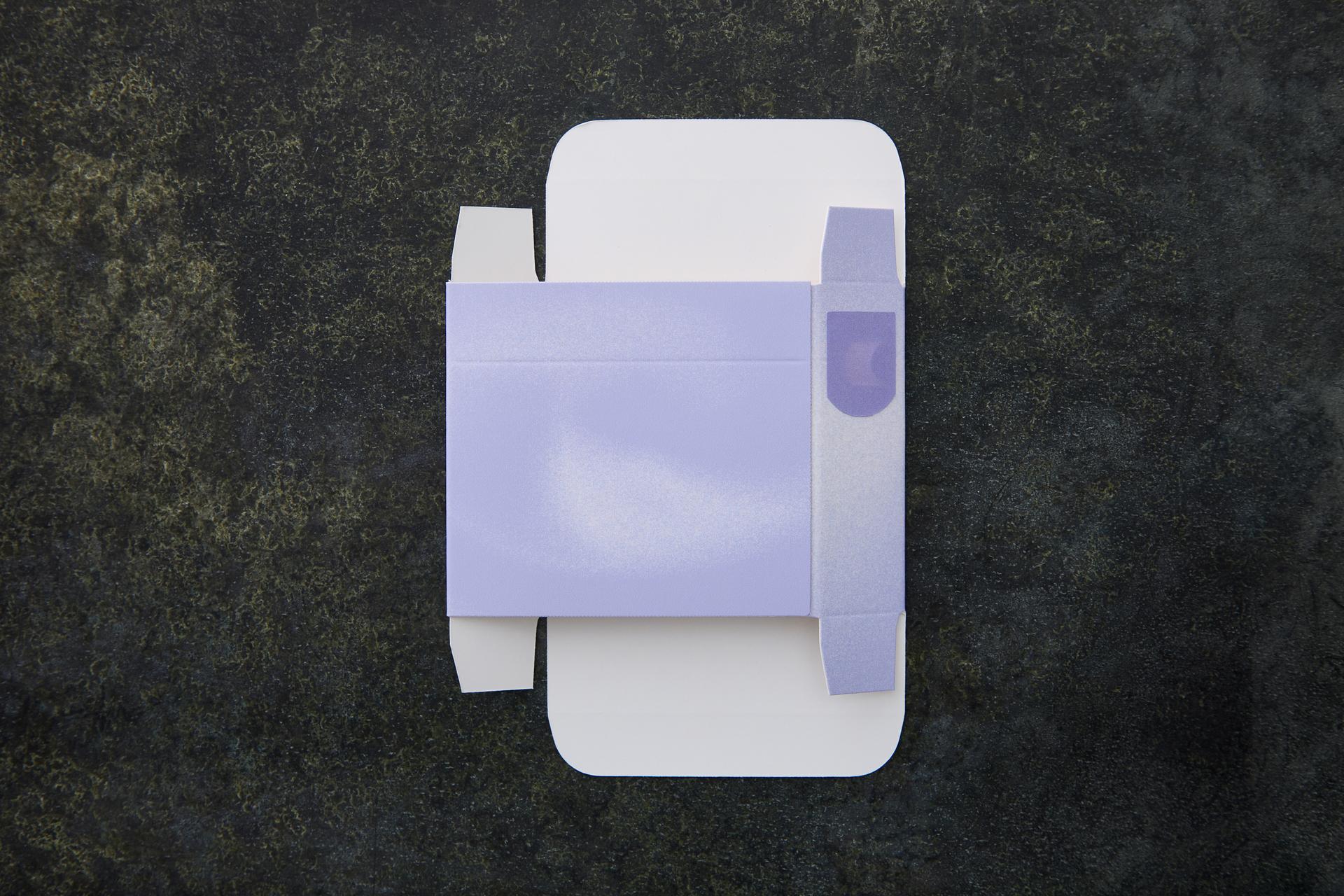
A single piece of paperboard, die-cut and folded, with tuck flaps on one or both ends. This is the most economical format and the fastest to produce.
- Best fit: 1g and lighter 2g devices.
- Strengths: low unit cost, flat-shipping, fast to fill on a packaging line or by hand.
- Limits: less rigidity, so heavier devices need a well-designed insert. CR features on tuck-end cartons depend on locking tabs that must be engineered and tested for your specific dimensions.
Sleeve and tray (drawer) boxes
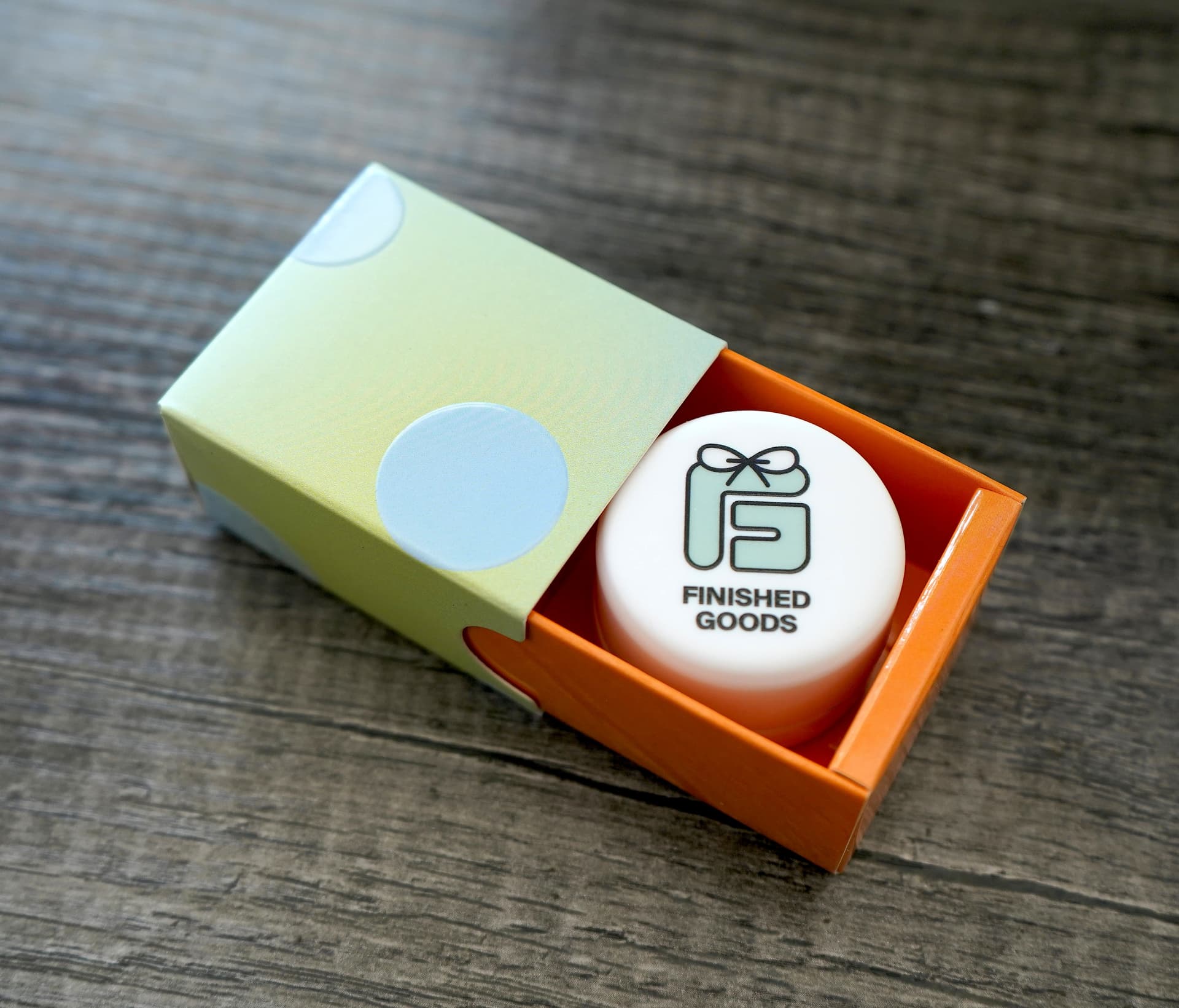
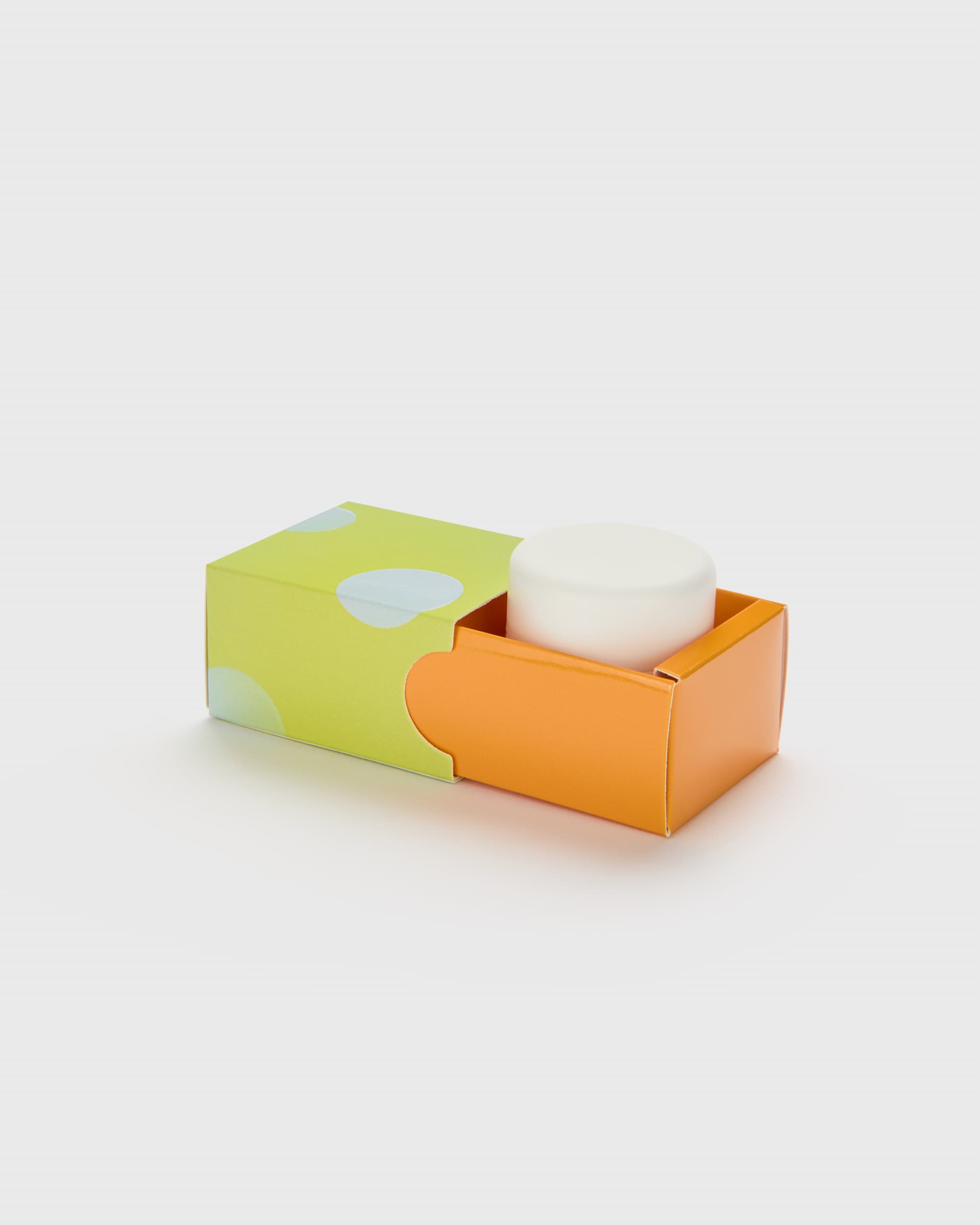
A printed outer sleeve with an inner tray that slides out. In CR versions, the tray locks inside the sleeve and releases only when you press defined points while pulling.
- Best fit: 2g through 4g devices, and 5g devices with a reinforced tray.
- Strengths: the most common CR paper format for vapes, good shelf presence, room for a fitted insert, repeatable opening experience for adults.
- Limits: more components than a tuck-end, and the press points and locking tabs need to stay clear of heavy embellishment.
Rigid boxes
Chipboard wrapped in printed paper, in lid-and-base, book-style, or drawer construction. CR versions use locking drawers or engineered closures.
- Best fit: 4g and 5g devices, premium lines, gift or limited releases.
- Strengths: best protection for heavier devices, premium feel, holds dense inserts well.
- Limits: highest unit cost, ships assembled so it takes more freight and storage space, longer production.
Format comparison
| Attribute | Folding tuck-end | Sleeve and tray | Rigid box |
|---|---|---|---|
| Typical AIO size range | 1g to 2g | 2g to 5g | 4g to 5g, premium |
| Relative unit cost | Lowest | Moderate | Highest |
| Protection for heavier devices | Limited, insert-dependent | Good with reinforced tray | Best |
| Ships flat | Yes | Usually, depending on build | No |
| Common CR approach | Locking tuck or press tabs | Press-and-slide locking tray | Locking drawer or engineered closure |
| Shelf presence | Standard | Strong | Premium |
Child-resistant mechanisms for paper AIO boxes
If your state requires child-resistant packaging, and your device itself is not the CR barrier, the box has to do it. In the US, CR performance is evaluated under the protocol in 16 CFR 1700.20, which tests the package with children and adults. Rules on when CR is required, and whether a CR exit bag can substitute for a CR primary package, vary by state, so confirm with your compliance lead.
Common paper CR mechanisms:
- Press-and-slide locking trays. The tray has tabs that catch inside the sleeve. The user presses marked points on the sleeve to release the tabs, then slides the tray out. This is the workhorse for AIO boxes.
- Dual-press locking tucks. The closure flap locks into the carton and releases only when two points are pressed at the same time.
- Locking rigid drawers. Similar logic to the sleeve and tray, executed in rigid board for heavier devices.
What buyers should know:
- Certification follows the structure. CR test results apply to a specific package design. If you change dimensions, board, or the mechanism to fit a bigger device, ask whether the existing certification still covers it or whether retesting is needed.
- Ask for documentation. Request the test report or certificate for the exact structure you are buying, and keep it in your compliance file.
- Reclosability matters. Many states require packaging to remain child-resistant after opening if the product is multi-use. An AIO is used over many sessions, so plan for a mechanism that relocks every time.
- Adult usability is part of the test. A mechanism that frustrates adults leads to torn boxes and complaints. Clear opening instructions printed near the press points help.
Inserts and fit tolerances for 1g, 2g, 3g, 4g, 5g devices
The insert is where most AIO packaging problems show up. Too loose and the device rattles, shifts, and looks cheap when opened. Too tight and the box bulges, the CR tray will not slide, or the device gets scuffed going in and out.
Insert material options
- Die-cut paperboard. Lowest cost, fully paper-based, works well for 1g and 2g devices.
- Molded pulp. Paper-based, shapes closely around irregular bodies, good for mid and large devices.
- Thermoformed plastic trays. Precise fit and clean presentation. Check your sustainability goals and any local packaging rules before committing.
- Foam inserts. Strong protection for heavy 4g and 5g devices in rigid boxes, at higher cost.
Fit guidance by size
- 1g. Slim devices can slide lengthwise in a simple paperboard cradle. Watch the mouthpiece end so it is not pressed against a box wall.
- 2g. Often the same footprint family as 1g but heavier. Check that the insert holds the device at both ends, not just the middle.
- 3g. Bodies tend to get wider or thicker. A molded or multi-layer paperboard insert usually holds better than a single fold.
- 4g and 5g. Weight becomes the main design driver. Use a reinforced tray, molded pulp, or foam, and test drops and transit before approving.
How to spec fit correctly
- Build the insert from production devices, not renders or prototype shells. Small changes to the mouthpiece or button area can break a fit.
- If you sell multiple capacities on the same device platform, ask whether one box with swappable inserts can cover more than one size. This can simplify inventory.
- Check orientation. Decide which face of the device shows when the tray opens, and make sure buttons and indicator lights are not pressed by the insert in storage.
- Approve a physical sample with the device inside, then run it through your fill process and a real shipment before signing off on production.
Print, finishes, and compliance label space
Custom disposable vape boxes are a brand asset, but the print spec has to work around the CR mechanism and your compliance requirements.
Print and finishes
- Process color and spot colors. CMYK covers most artwork. Use Pantone spot colors when brand color consistency across runs matters.
- Foil stamping, embossing, debossing, spot UV. All available on paper and rigid formats. Keep heavy embellishment away from fold lines, locking tabs, and press points, where it can crack or interfere with the mechanism.
- Lamination and coatings. Soft-touch and matte laminations look premium but can affect how well printed labels adhere. If you will apply a label, test it on the actual finish.
- Board choice. Thicker or reinforced board supports heavier devices and holds up better on a press-and-slide mechanism that gets opened many times.
Compliance label space
Plan the compliance layout before the creative layout. Depending on your state, the box may need:
- The state universal cannabis symbol
- Required health and safety warnings
- Potency and cannabinoid content
- Batch or lot number and testing information, often via a QR code
- License number and producer information
- Net contents
Practical points:
- Reserve a flat, uncoated or label-friendly panel for variable data that changes batch to batch. Printing variable data on the box is rarely practical.
- Do not cover CR press points or opening instructions with labels.
- Check content rules. Many states restrict imagery or colors that could appeal to children, and some have opacity requirements for packaging. Window cutouts and certain graphics may not be allowed.
- Keep one design per state where rules differ. If you sell in more than one market, a shared structure with state-specific print or labels keeps the CR certification consistent while meeting each state's text requirements.
MOQ and lead-time planning
Minimums and lead times vary with format, CR mechanism, insert type, finishes, and quantity, so FGI quotes them per project rather than as a fixed number. What does hold across almost every AIO packaging program:
- Custom printed packaging has more steps than stock. Structural sampling, dieline approval, artwork proofing, production, and freight all take time. Build your schedule backward from your device launch date.
- Rigid boxes generally take longer than folding cartons and sleeve-and-tray formats, and cost more to ship and store because they ship assembled.
- Embellishments add steps. Foil, embossing, and specialty laminations each add process time and setup.
- Device timing drives packaging timing. You cannot finalize the insert until you have production devices in hand. If your hardware order is still being finalized, plan packaging sampling to start as soon as devices arrive.
- Order packaging and hardware together. Coordinating both through one supplier keeps the fit, quantities, and delivery windows aligned.
Ask your FGI rep for current MOQ and timing on the exact structure you are considering.
Disposable vape packaging checklist before artwork approval
Run through this list before you release final artwork:
1. Format confirmed for device size and weight: tuck-end, sleeve and tray, or rigid. 2. Insert sampled with production devices, tested for fit, rattle, scuffing, and button pressure. 3. CR mechanism selected and test documentation received for this exact structure. 4. Reclosability confirmed if your state requires CR after opening. 5. State packaging rules reviewed for opacity, imagery, color, and required symbols and warnings. 6. Compliance label panel reserved on a label-friendly surface, clear of press points. 7. Label adhesion tested on the chosen lamination or coating. 8. Embellishments kept clear of fold lines, locking tabs, and press points. 9. Opening instructions printed near the CR release points. 10. Physical sample run through your fill line and a real shipment. 11. MOQ and lead time confirmed and aligned with your device delivery and launch dates. 12. Multi-size plan settled, including whether one structure with different inserts can cover more than one capacity.
Getting disposable vape packaging right is mostly a sequencing problem: device first, then insert, then CR structure, then print. Brands that follow that order avoid reprints, retesting, and launch delays. If you are planning a 1g to 5g AIO line, FGI can source the hardware and the CR paper packaging together so the box is built around the device you are actually selling.
Before locking the insert drawing, verify the dimensions of the production device against the vape hardware specifications used for the packaging sample.
What to record at the packaging fitting
Lay the sample device, insert, and printed carton next to the approved drawing. For disposable vape packaging, record whether the device moves when the closed carton is handled and whether removing it damages the insert. Photograph the sample with its revision label visible so the printer can distinguish a change in the device from a change in the dieline. Compare the final assembly with the cannabis vape packaging guide before signing the artwork proof.