Concentrate Slide Box: Cannabis Packaging for Licensed Brands
The concentrate slide box from Finished Goods delivers compliant cannabis packaging for licensed brands. Fast production and recycled paperboard options available.
Concentrate Slide Box: Premium Paperboard Packaging for Cannabis Jars
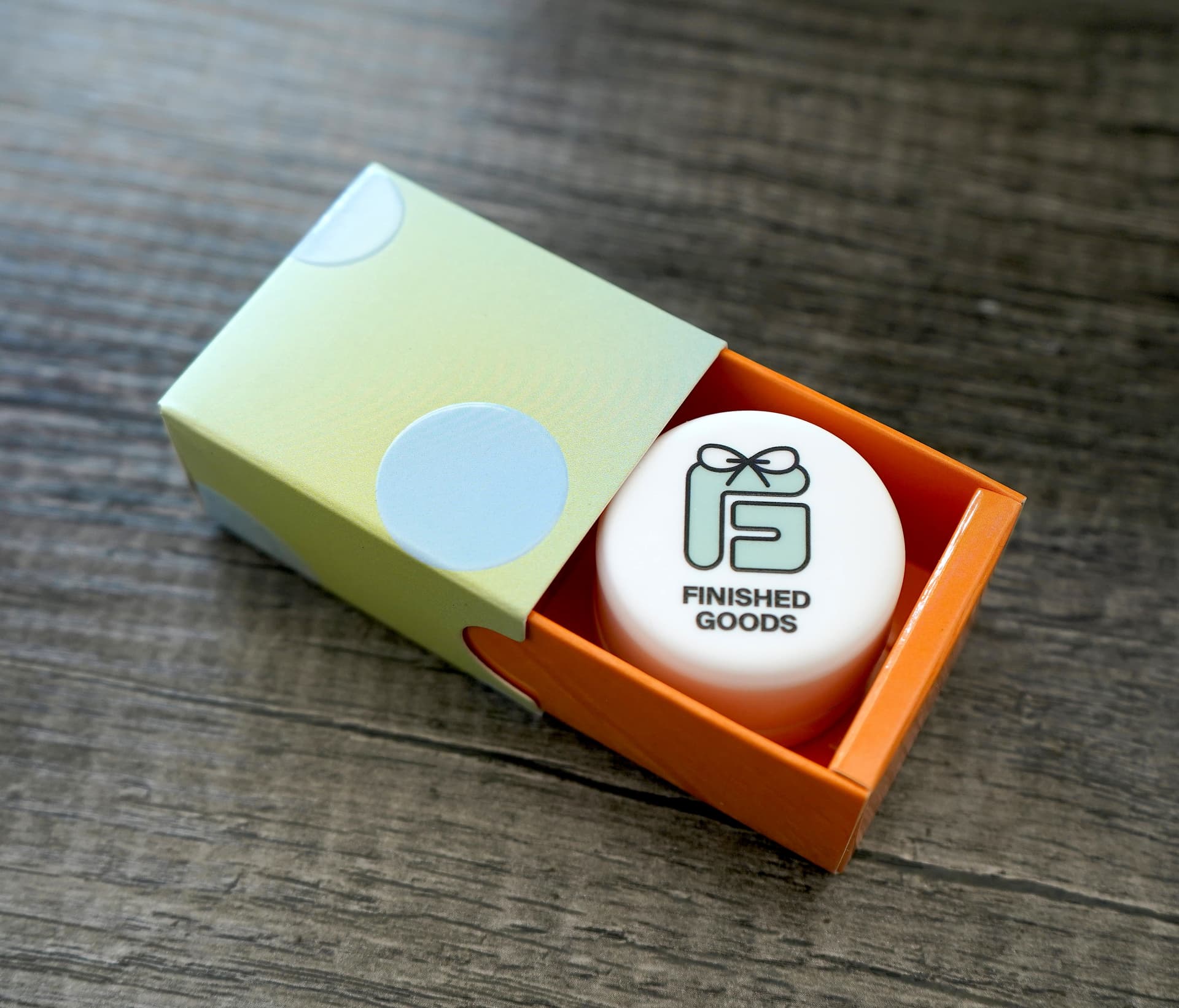
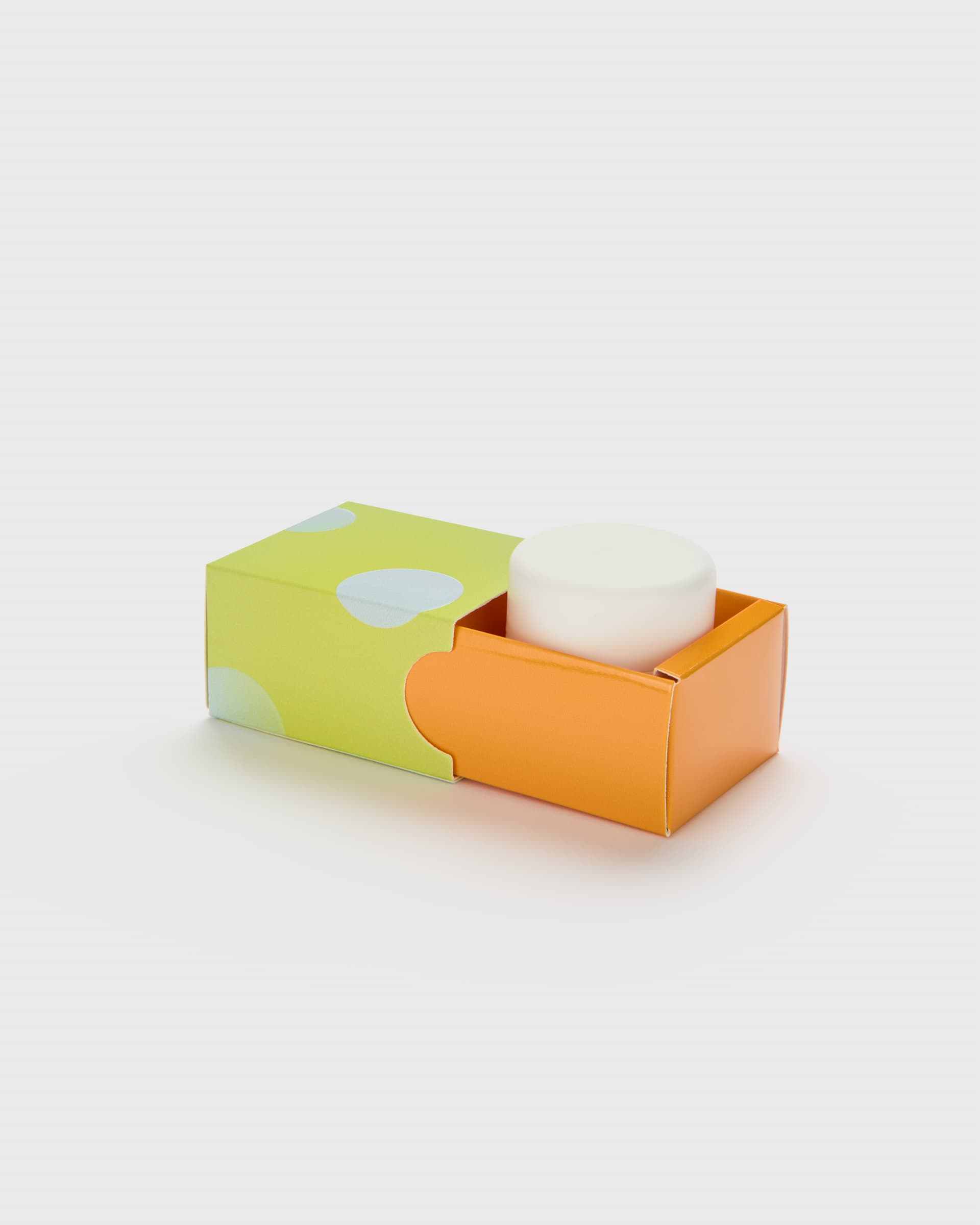
A concentrate slide box gives a cannabis brand the presentation of a rigid or ring-style carton without automatically accepting the same material cost. Finished Goods builds the format as a matchbox-style paperboard sleeve with a slide-out tray sized around the concentrate jar. The result is a controlled unboxing experience, a large printable surface, and a structure that can move from an individual unit to a coordinated retail display.
This guide is for licensed brands evaluating a concentrate slide box for live resin, rosin, badder, sauce, diamonds, or other jarred concentrates. It focuses on the decisions that determine whether the package works in production and at retail: jar fit, tray retention, slide action, child-resistant responsibility, print construction, parent-carton design, landed cost, and approval steps.
What a Concentrate Slide Box Is
A concentrate slide box has two primary paperboard parts:
- an outer sleeve that carries the main brand graphics;
- an inner tray that slides out and supports the concentrate jar.
The motion is similar to a matchbox. A thumb opening or exposed tray edge gives the consumer a clear place to begin opening the package. The tray controls the jar position so the product does not simply move around inside an oversized carton.
Finished Goods positions the format as a premium-feeling alternative to a rigid or ring-style box. Its product page describes an all-paper construction and an estimated cost roughly 30% below a comparable rigid or ring-style format. Treat that percentage as a sourcing estimate, not a universal quote: final cost depends on dimensions, board grade, insert construction, finishes, order volume, freight method, and parent-carton requirements.
See the current Finished Goods Concentrate Slide Box configuration before requesting a production quote.
Start With the Jar, Not the Artwork
The jar is the controlling specification. A design team should not finalize the dieline until the production jar, lid, label, and any tamper-evident element have been measured together.
Send the packaging supplier:
- the jar manufacturer and exact SKU;
- outside diameter at the widest point;
- total closed height, including the lid;
- lid overhang or shoulder dimensions;
- filled unit weight;
- label dimensions and placement;
- tamper-evident band or seal details;
- acceptable clearance around the jar;
- the orientation in which the brand wants the jar presented.
A few millimeters can determine whether the jar seats cleanly, rattles, binds, or lifts out of the tray. A sample built around a different jar should not be treated as fit approval.
Tray Retention and Slide Action
The inner tray has two jobs: retain the jar and create a deliberate opening motion. Those requirements need to be tested separately.
For jar retention, check whether the insert prevents side-to-side movement without crushing the label, scuffing the lid, or making removal difficult. For slide action, test the package upright, flat, and after repeated opening. The tray should move smoothly without falling out under its own weight.
The right friction level depends on board thickness, coatings, humidity, carton tolerances, and the weight of the filled jar. That is why a digitally printed appearance sample is not enough. Request a structural sample made with the intended board and finish before production approval.
Premium Presentation Without a Rigid-Box Build
The slide format creates several brand surfaces:
- the exterior sleeve;
- the exposed end of the tray;
- the tray interior around the jar;
- the area beneath the jar, if the structure allows it;
- the parent carton or counter display.
This gives the designer a sequence rather than one front panel. The sleeve can carry the primary retail hierarchy, while the tray reveals product details, a strain story, use instructions, or a campaign message.
Keep the hierarchy practical. Product name, net contents, required warnings, batch information, and market-specific labeling still need enough contrast and space. A premium finish cannot compensate for illegible compliance copy.
Printing and Finishing Options
Finished Goods lists full CMYK printing, Pantone color matching, soft-touch and gloss finishes, spot UV, embossing, and debossing for the concentrate slide box. Standard SBS and recycled paperboard options are also listed, along with custom durability coatings.
Each finish changes the proofing plan:
- CMYK is useful for photography, gradients, and broad color ranges.
- Pantone matching is appropriate when a brand color must stay consistent across SKUs.
- Soft touch creates a low-gloss tactile surface but should be tested for scuffing and fingerprint behavior.
- Spot UV adds contrast by placing gloss only on selected artwork.
- Embossing or debossing adds dimension but requires tooling and enough clear space around fine copy.
- Anti-scratch coatings can help the package survive case packing, freight, and retail handling.
Ask for a finish-specific physical proof. A PDF cannot show slide friction, coating feel, foil registration, emboss depth, or how a dark solid color responds to handling.
Child-Resistant Responsibility
Do not assume that a paperboard slide box is child-resistant because it surrounds a cannabis jar. The exact package configuration must determine the compliance claim.
Ask whether child resistance is provided by:
1. the primary concentrate jar and closure; 2. a tested locking mechanism in the box; 3. a certified combination of components; or 4. another market-approved package configuration.
Request the report or certificate for the exact tested configuration and confirm that the production materials, dimensions, closure, and use instructions match that test. A certificate for a different jar, sleeve, or insert is not automatically transferable.
Regulations vary by market and product type. The packaging supplier can provide documentation, but the licensed operator remains responsible for confirming the package against the rules that apply where the product will be sold. Use the child-resistant cannabis packaging guide as a sourcing framework, then validate the final configuration with the appropriate compliance team.
Parent Cartons and Retail Displays
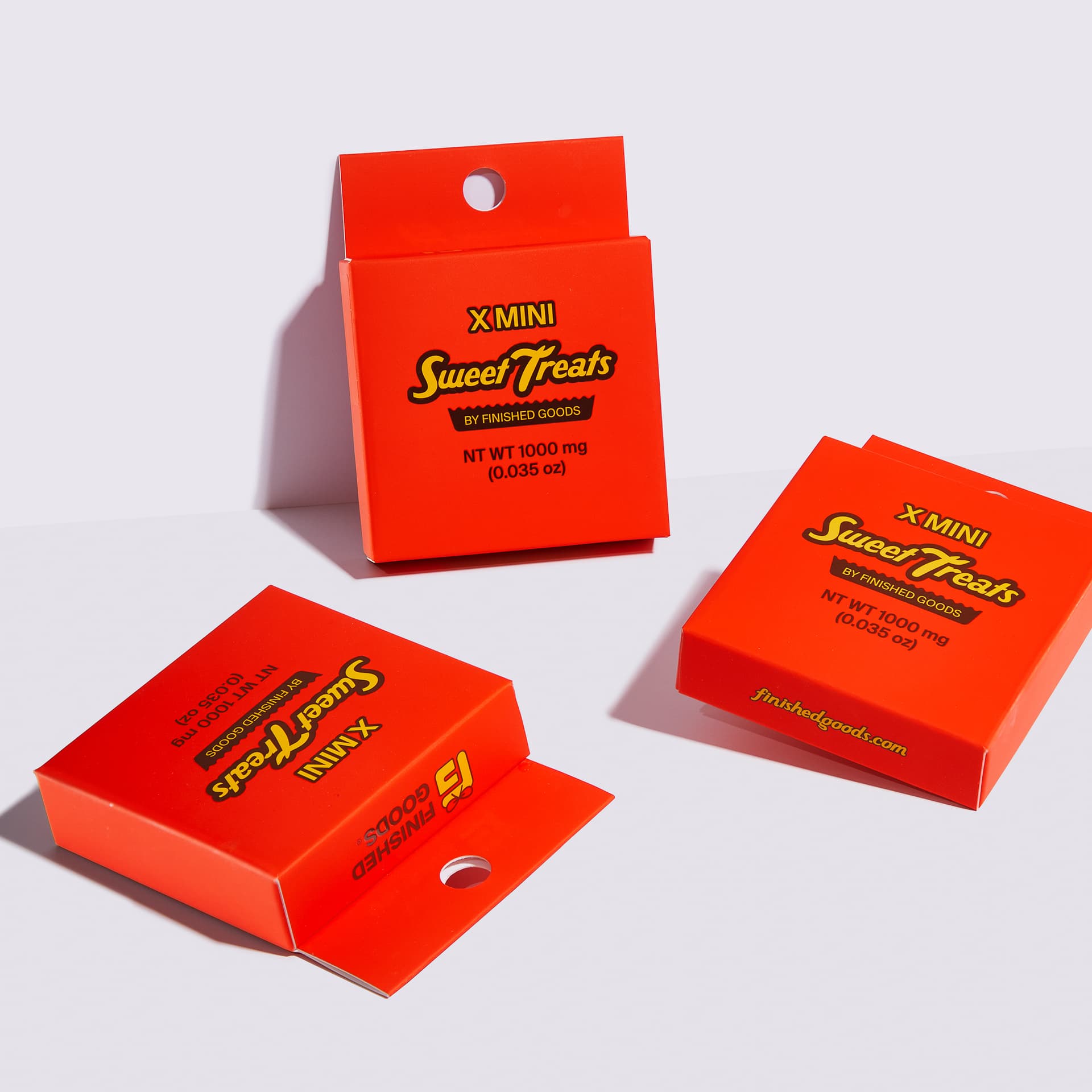
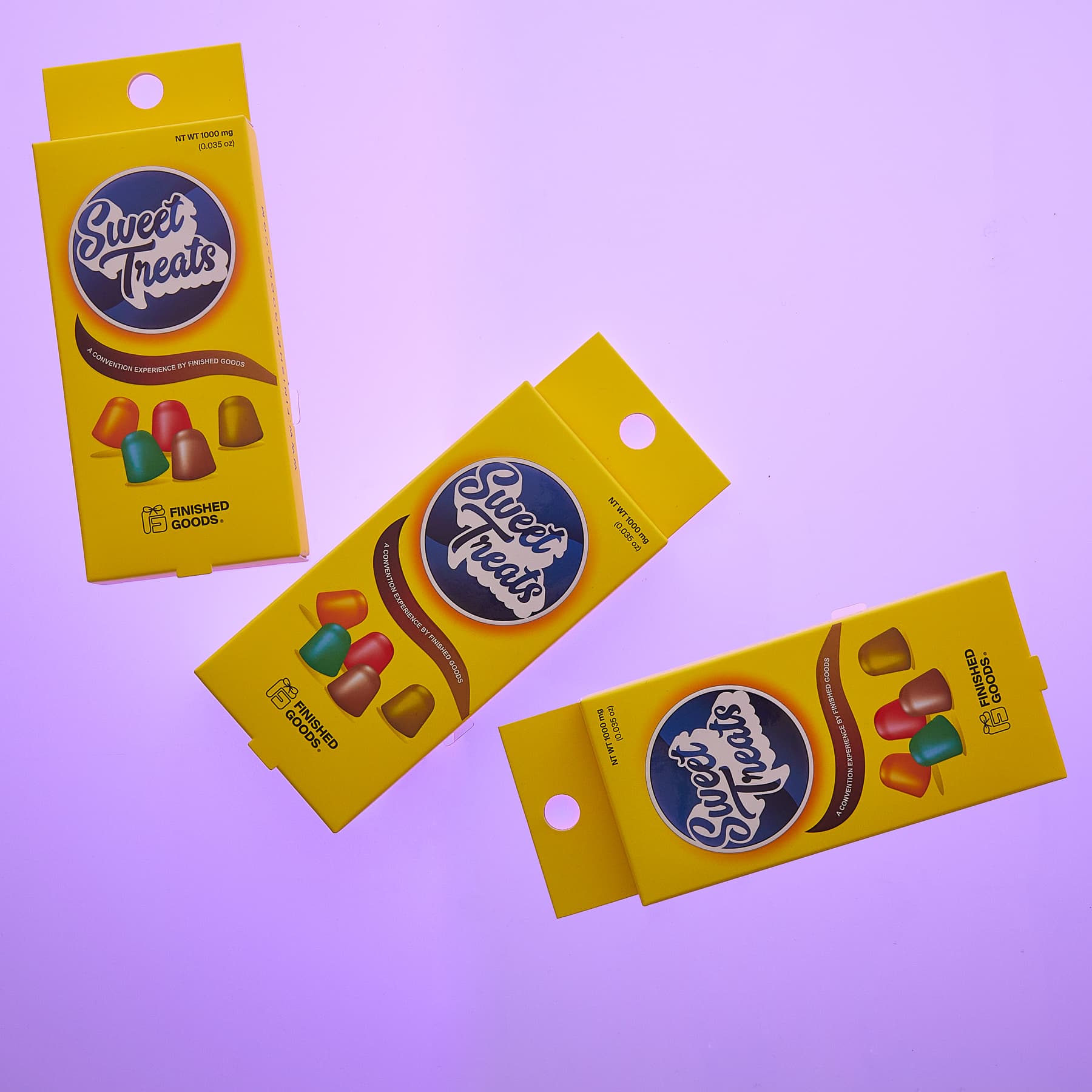
The individual box should be designed together with its shipping and merchandising system. Finished Goods offers branded parent cartons and counter displays built around the slide box, including mixed-SKU configurations.
Before approving that system, define:
- individual units per parent carton;
- number of SKUs per display;
- display footprint and shelf-height limits;
- whether the parent ships retail-ready;
- barcode placement and scan access;
- case-pack quantity;
- orientation during freight;
- how a budtender removes and replenishes units.
A beautiful individual carton can still create operational problems if the display is too large, the case pack is difficult to count, or the unit cannot be removed without disturbing the remaining packages.
Production and Freight Timing
Finished Goods lists China production of approximately three to four weeks, followed by about two weeks for air freight or four weeks for sea freight. Those are planning ranges, not a promise for every project.
Build the launch schedule backward from the required delivery date and include time for:
- structural sampling;
- artwork and compliance review;
- printed proof approval;
- production scheduling;
- quality inspection;
- freight booking;
- customs and domestic delivery;
- filling-line or packout validation.
Air freight may shorten transit time but increase landed cost. Sea freight may improve economics but requires more schedule tolerance. Ask for both landed scenarios rather than comparing unit price alone.
Sample Approval Checklist
Approve the physical package against a written checklist:
- production jar fits without rattle or compression;
- lid and label do not scuff during insertion or removal;
- tray retains the jar in every intended orientation;
- slide resistance is smooth and repeatable;
- tray does not fall out when the package is tilted;
- thumb opening is usable without tearing the sleeve;
- all required copy is legible at final size;
- barcode scans on the finished stock and coating;
- print color and finish match the approved standard;
- parent carton protects and presents the units correctly;
- the applicable child-resistant documentation is on file;
- case-pack quantity and packout sequence are confirmed.
Record the approved jar, board, coating, dieline, insert, and tolerances as part of the purchase order. Reorders should reference that approved construction rather than relying on the product name alone.
When a Concentrate Slide Box Is the Right Format
A concentrate slide box is a strong fit when the brand wants a premium reveal, broad print area, and coordinated retail presentation while avoiding a full rigid-box construction. It is especially useful when the same structural platform can support several concentrate SKUs through artwork changes and organized parent displays.
It may not be the right format when the jar itself already carries the complete retail presentation, when the program cannot support custom production timing, or when the required child-resistant function has not been resolved.
The decision should come from the complete system: jar, closure, tray, sleeve, label, documentation, parent carton, freight, and packout. When those elements are approved together, the concentrate slide box becomes more than decoration. It becomes a repeatable packaging platform for the line.
Questions to Send With the RFQ
1. What jar dimensions and tolerances does the quoted tray support? 2. Is the insert paperboard, and how is the jar retained? 3. Which board grades and recycled-content options are available? 4. Which finishes require additional tooling or lead time? 5. What physical proof is included before production? 6. What child-resistant function and documentation apply to this exact configuration? 7. What are the MOQ and price breaks for individual cartons and parent displays? 8. What are the current production, air-freight, and sea-freight timelines? 9. How are finished units packed to prevent scuffing and tray movement? 10. What change-control process protects approved materials and dimensions on reorder?
The best concentrate slide box quote is the one that answers those questions clearly and ties the finished package to the actual jar and launch plan.