Concentrate Jar Liners and Seals: How Cannabis Brands Choose the Right System
Choose concentrate jar liners and seals as a system: liner types, torque specs, induction seal windows, and how barrier differs from child resistance.
Concentrate jar liners and seals form the working interface among the product, closure, and outside environment. Depending on their construction, they may support seal integrity, limit aroma loss, resist product contact, provide tamper evidence, or improve first-open presentation. Selection depends on the concentrate, jar finish, lid, storage conditions, filling process, and distribution path.
A liner that works for one badder may fail with live rosin, sauce, or diamonds. Material names alone do not prove performance. Cannabis brands should evaluate the exact jar, lid, liner, seal, and product as one packaging system.
Understand the Components
The jar finish is the top geometry that meets the closure. Its threads, sealing land, dimensions, and surface condition affect contact. The closure applies force and may also contain a child-resistant mechanism. The liner sits inside the lid or on the jar opening and can add resilience, chemical resistance, or barrier performance.
An induction seal is a membrane bonded to the jar opening with electromagnetic energy and a compatible sealing layer. A secondary seal can include a shrink band, label, or carton feature. It may support tamper evidence but does not automatically make the primary package leakproof or child resistant.
Define which component performs each function. "Airtight lid" is not a material specification or test method.
Start with the Concentrate
Record product type, fill weight, texture, terpene content, filling temperature, storage temperature, headspace, and intended shelf life. Include the real production range rather than one ideal batch.
- Live rosin may be stored cold and exposed to condensation.
- Sauce can flow into threads if tilted.
- Diamonds may shift during transit.
- Badder can contact the lid in parcel shipping.
These behaviors change what the seal must withstand.
Use production-representative concentrate in compatibility studies. Empty-jar tests can isolate mechanical problems, but they cannot establish product compatibility.
Compare Liner Approaches
Foam or resilient liners can accommodate surface variation and maintain contact under closure force. Their facing material, backing, and thickness determine product-contact and barrier behavior.
PTFE-faced and specialty liners may be considered where chemical resistance matters. The full construction still needs review; the facing name alone is incomplete.
Pressure-sensitive seals adhere after the lid is applied. Performance depends on pressure, surface energy, cleanliness, time, temperature, and materials. They are not interchangeable with induction seals.
Induction liners often combine foil with a heat-seal layer selected for the container. Equipment power, line speed, coil position, lid pressure, jar material, and cleanliness influence the bond.
Lift-and-peel structures can improve access when the tab remains reachable and strong enough to remove the membrane cleanly.
Finished Goods' concentrate-jar range currently lists lift-and-peel, aluminum-plus-plastic, PE/PTFE, pressure-seal, glossy PE, PTFE, and aluminum liner options. Treat this menu as a sampling starting point, not proof that every option fits every concentrate.
Match the Liner to the Jar and Lid
Compatibility is mechanical as well as chemical. The liner diameter must seat correctly. The jar sealing land should provide consistent contact, and the closure must position or compress the liner as intended.
Inspect thread start, cap height, liner retention, sealing-land flatness, and child-resistant engagement. A liner that is too thick can change closure position or opening behavior. One that is too thin may not maintain contact.
Keep paint and decoration away from critical sealing surfaces unless the system was designed and validated for them. Product residue on threads can also prevent closure.
Establish a Torque Process
Closure torque affects seal compression and adult usability. Too little may allow leakage, aroma loss, or liner movement. Too much can deform components, damage threads, make opening difficult, or alter a child-resistant mechanism.
Define application torque or another closure-control method with qualified packaging and process personnel. Use calibrated equipment and production-representative components. Removal torque may also be monitored over time because materials can relax.
Train operators to keep product off the sealing land. A perfect torque target cannot rescue contaminated threads or a liner placed off-center.
Develop the Induction-Sealing Window
An induction sealer must deliver enough energy for a continuous bond without overheating the liner, lid, product, or container. The acceptable range is a process window, not one setting copied between lines.
Run trials across line speed, power, coil position, cap torque, and normal package variation. Inspect for channels, incomplete bonds, scorching, wrinkles, difficult peel, and layer separation. Check different conveyor positions if exposure may be uneven.
Define how integrity will be assessed. Visual review finds obvious defects but may need qualified leak, peel, or other functional tests.
Separate Four Different Requirements
Barrier, leak resistance, tamper evidence, and child resistance are different properties. A membrane can show first opening without providing the desired aroma barrier. A liner can reduce leakage without creating visible tamper evidence. A shrink band can reveal opening while doing little for the jar-to-lid seal.
Write requirements separately:
- Product containment in expected orientations
- Aroma, moisture, or oxygen barrier where relevant
- Evidence of first opening
- Adult opening and resealing experience
- Child-resistant function of the complete package
Then identify the component and test supporting each one.
Run Filled-Product Compatibility Studies
Fill the exact jar and close it using the proposed process. Include representative product batches and expected headspace. Store samples at the temperatures, durations, and orientations relevant to manufacturing, freight, retail, and consumer use.
Inspect at planned intervals for mass change, leakage, odor, discoloration, liner swelling, softening, cracking, staining, delamination, adhesive transfer, seal lift, product pickup, torque, and opening behavior. Review the concentrate's aroma, color, texture, and appearance through an approved quality process.
For refrigerated products, include realistic temperature cycling and condensation. For parcel distribution, consider vibration and changing orientation. An upright shelf test alone may miss the failure mode.
Define acceptance criteria before results are reviewed. Record component and product lots so findings remain traceable.
Protect Child-Resistant Performance
Changing a liner can alter closure height, torque, compression, or opening force. If the jar is sold as child resistant, confirm whether the liner belongs to the tested configuration and whether a proposed change requires review or additional testing.
Do not treat an induction membrane or shrink band as evidence that the package is child resistant. Verify the exact CR documentation and current jurisdictional requirements for the complete retail configuration.
Adult usability matters too. Test whether intended adults can operate the closure, remove the seal, access the concentrate, and reclose the package. A tab that tears or a membrane that requires a tool creates a poor experience even if it survived freight.
Validate the Filling and Packing Line
Run a pilot with actual operators, filler, jars, lids, liners, torque tools, induction sealer, labels, cartons, and case packs. Observe liner placement, product contamination, cross-threading, torque variation, seal verification, label interference, cycle time, and rework.
Define component staging and line clearance. Similar liners can be hard to distinguish visually. Use controlled labels, dedicated bins, item verification, and reconciliation to prevent mix-ups.
Inspect finished cases after realistic distribution. Glass jars may need dividers or trays. Confirm lids do not loosen and seals do not lift under vibration or temperature change.
Create Production Inspection Methods
The line needs an objective way to confirm that each sealing step occurred. This may include component presence, closure position, torque checks, induction indicators, visual inspection, leak challenges, or another validated method.
Define sampling frequency, equipment, limits, records, and escalation. Check startup, normal running, restarts, material changes, and the end of the batch. A stable average can hide individual failures if the process is not monitored across time.
Retain finished samples by component and product lot. If a complaint occurs, the team should be able to identify the jar, lid, liner, seal settings, filling batch, packing date, and distribution history.
Evaluate Suppliers on the Complete Construction
Request jar and lid drawings, exact liner construction, material statements, intended-use information, CR documentation where applicable, application instructions, induction compatibility, storage requirements, lot traceability, quality controls, samples, lead time, and change control.
Require advance notice before changes to liner layers, facing, backing, adhesive, foil, heat-seal coating, thickness, supplier, manufacturing site, or dimensions. A visually identical liner can behave differently after a material change.
The purchase order should identify every component and approved revision. "Standard liner" is not enough for a controlled concentrate program.
Specify the jar, liner, and slide box as one packaging bundle
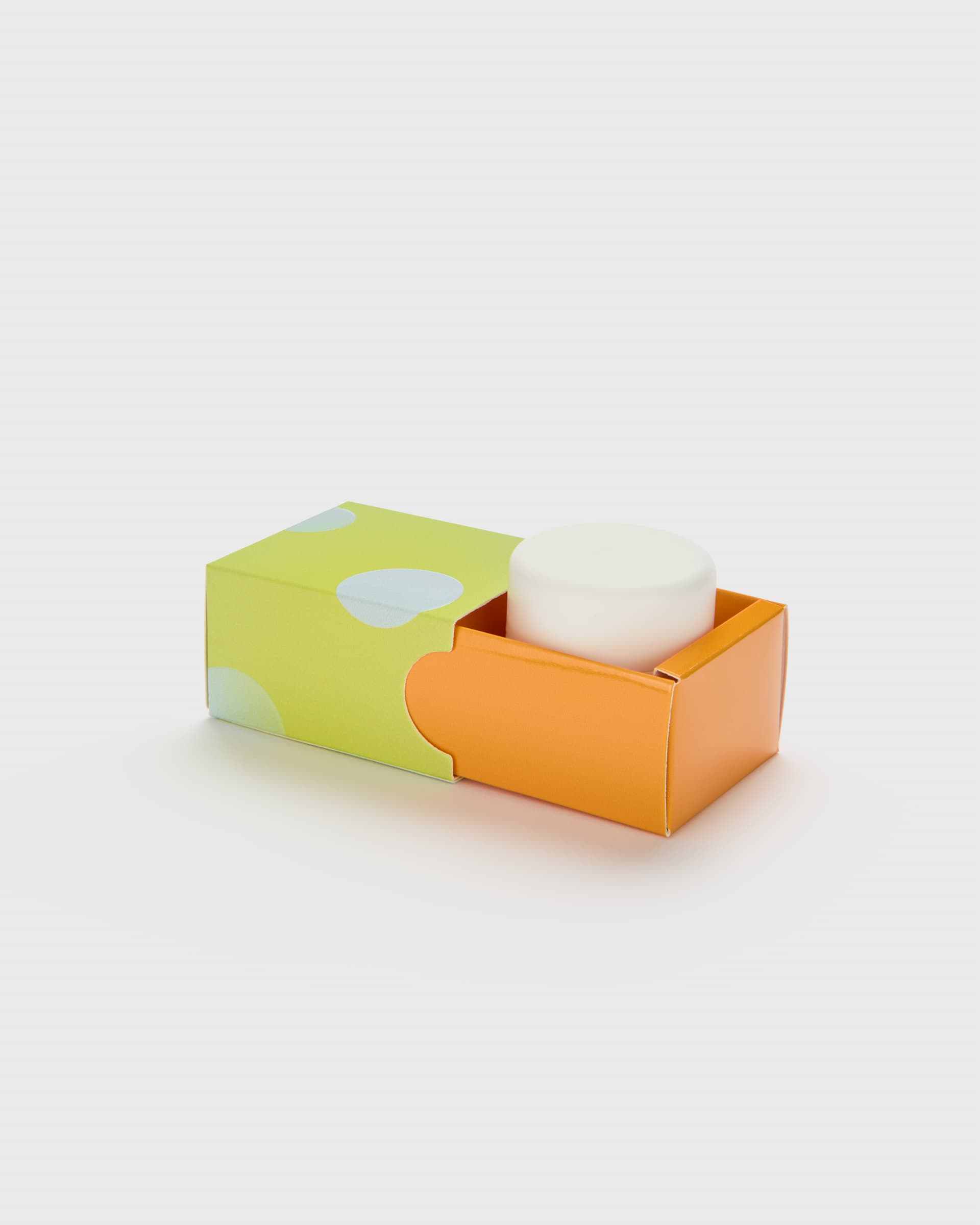
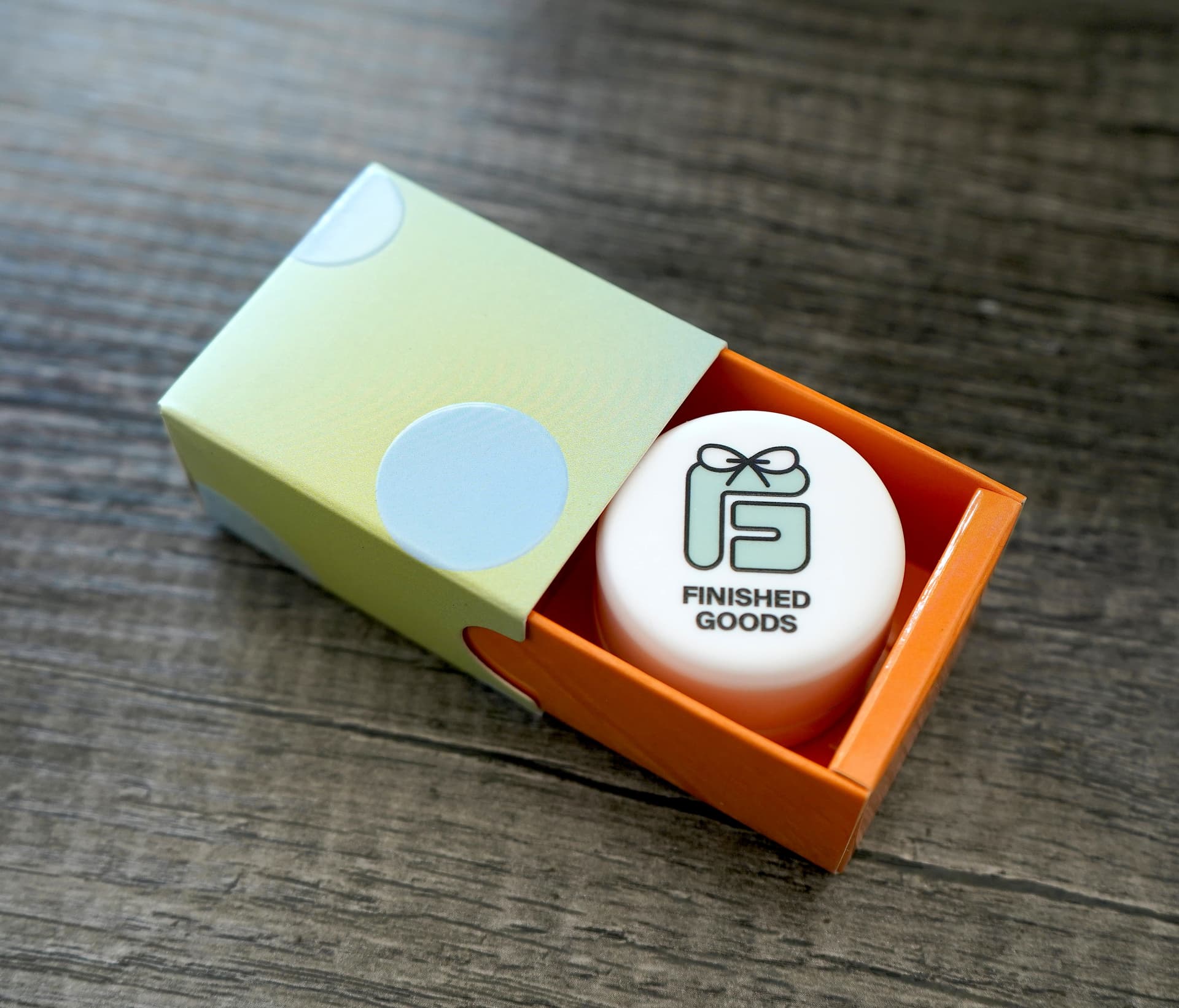
Build one approval record for the concentrate jar, its lid and liner or seal, and the concentrate slide box. Start with the filled and closed jar dimensions, then check insert clearance, retention, opening access, artwork space, case pack, and transport behavior using assembled samples. Confirm which component performs child resistance, tamper evidence, and product-contact protection before releasing the bundle.
Ask for one coordinated quotation that identifies the MOQ and reorder minimum for each component, the usable number of complete bundles, and any surplus components caused by different minimums. Record stock availability, artwork and sample approval dates, production and inspection milestones, freight, and the component that determines the final delivery date. Combined MOQ and lead time are quote-specific: approve the written bundle schedule and quantities rather than assuming the jar, liner, and printed box share one minimum or one production clock.
Selection Checklist
Before production, confirm:
- Production-representative concentrate and storage conditions
- Exact jar, lid, liner, and seal materials
- Product-contact and compatibility review
- Closure torque or application process
- Induction process window if used
- Leak, barrier, and tamper-evidence requirements
- Child-resistant documentation and change review
- Filled-product study with written acceptance criteria
- Adult opening and resealing experience
- Line pilot, inspection method, and lot traceability
- Case-pack and distribution validation
- Supplier change control and remedies
Choose a Verified Seal System
Concentrate jar liners and seals work only as part of the complete package and process. The correct material on paper can still fail with the wrong jar finish, torque, induction setting, product contact, or storage condition.
Finished Goods offers child-resistant concentrate jars in multiple sizes, colors, lid constructions, and liner options. Submit the concentrate type, fill weight, storage plan, desired jar, tamper-evidence requirement, filling process, and launch schedule so samples can be evaluated as a real system rather than selected from a component list.