Cannabis Vape Packaging: Formats, Compliance, and Sourcing for Licensed Brands
Compare cannabis vape packaging formats: peel-to-open boxes, slide boxes from 17 cents, and mylar bags. ASTM D3475 compliance and MOQs for licensed brands.

Cannabis Vape Packaging: Formats, Compliance, and Sourcing for Licensed Brands
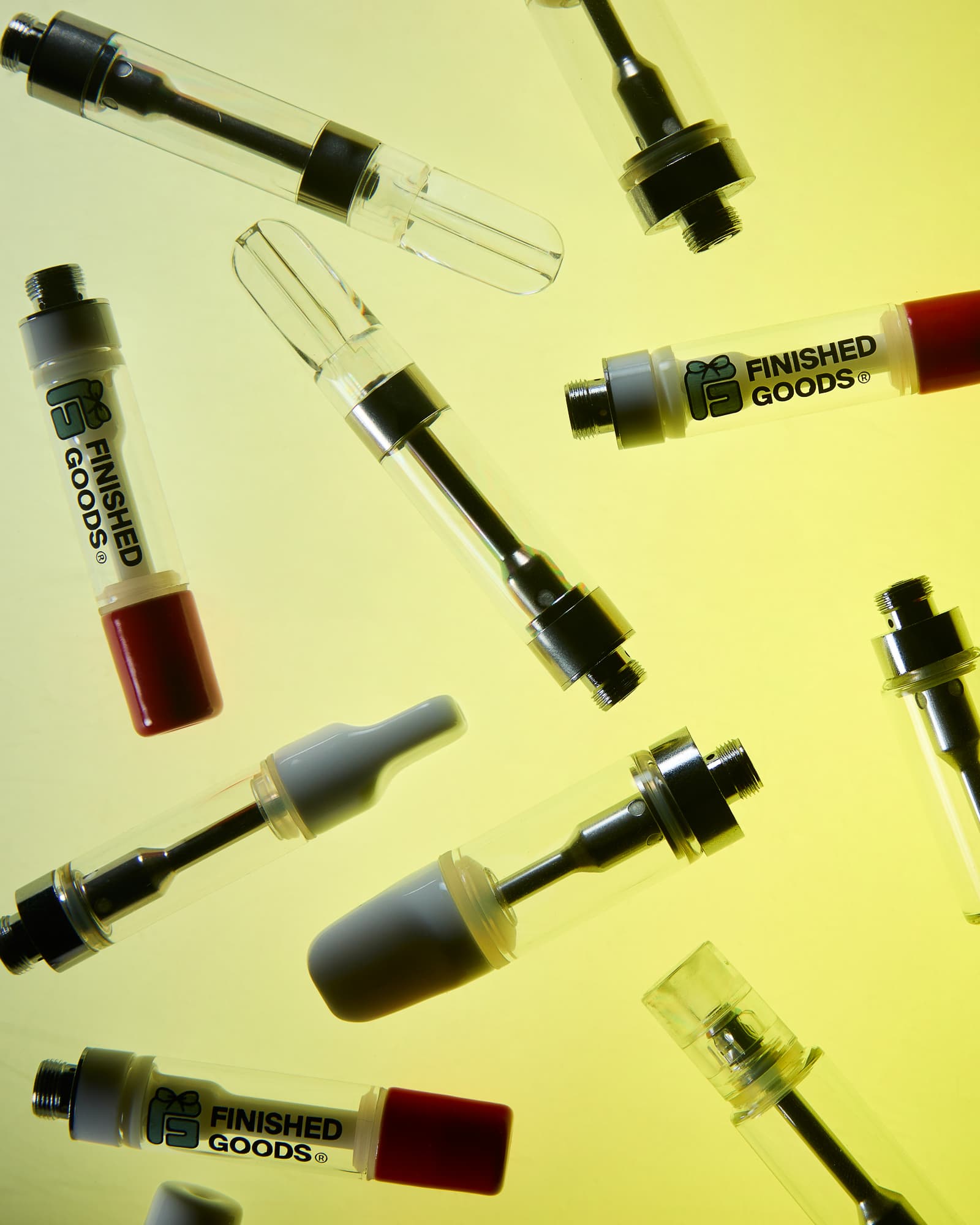
Cannabis vape packaging is the child-resistant secondary packaging that carries a cartridge, disposable, or pod system from your fill line to the dispensary shelf. For licensed cannabis brands, the workable formats come down to four options: peel-to-open paperboard boxes, paper slide boxes, plastic insert slide boxes, and child-resistant mylar bags. All four can be certified to ASTM D3475, and the cost spread is wide: a plastic insert slide box runs as low as 17 cents per unit at high volumes, while a full rigid box can cost several times that. Finished Goods manufactures all four formats alongside the vape hardware itself, which means one supplier, one QC standard, and packaging that actually fits the device inside it.
What Counts as Compliant Cannabis Vape Packaging?
Compliant vape packaging is certified child-resistant (tested under the CPSC protocol, 16 CFR 1700.15 and 1700.20, and classified under ASTM D3475) and meets your state's opacity, labeling, and tamper-evidence rules. The certification is the non-negotiable part. A box that looks child-resistant but has no test documentation behind it is not compliant, and the fine lands on the license holder, not the packaging supplier.
Two practical rules follow from that:
- Ask for the certification documentation before you sign a PO, not after. A real supplier produces it in one email.
- Confirm the certification covers the exact SKU you are buying. A certified 1-gram cart box does not automatically extend to the 2-gram version of the same box.
State rules layer on top of the federal test standard. Most adult-use states also require opaque or semi-opaque packaging for inhalable products, a universal cannabis symbol, and tamper evidence. Our guide to child-resistant packaging requirements by state covers the layers in detail.
Which Packaging Formats Work for Carts, Disposables, and Pods?
The right format depends on the device size, your retail price point, and how much shelf presence you are paying for. Here is how the four formats map to products:
- Peel N Tear vape box: a certified child-resistant paperboard box with a peel-to-open ripcord. Works for carts, disposables, and AIOs. It is the shelf-friendly replacement for a mylar bag and costs a fraction of a rigid box.
- Paper slide box: the premium option. Rigid construction, smooth slide mechanism, custom foam or paperboard inserts. Best for flagship SKUs and dual-tank or large-format devices where the unboxing matters. MOQ starts at 500 units.
- Plastic insert paper slide box: the least expensive option that is still a real box. A custom-molded insert holds the device and a printed sleeve slides over it. Child-resistant, Pantone-matched, and as low as 17 cents per unit at high volumes.
- Child-resistant mylar bags: the budget floor. Certified to ASTM D3475 and fine for compliance, but a bag cannot stand up on a shelf, and budtenders handle it accordingly.
Peel N Tear vs Mylar vs Rigid Box: Which Should You Pick?
Pick by where the product sells and what it sells for. A 20 dollar cart in a premium dispensary case justifies a printed box; a value-line disposable moving through delivery services may not.
The Peel N Tear box exists specifically to cover the middle: it prints like a rigid box (holographic, soft-touch, spot UV, embossing are all available), ships flat-packed at 1,000 to 2,000 units per master carton to keep freight low, and opens with an intuitive ripcord that budtenders do not have to explain. If you are currently in mylar and losing shelf placements to boxed competitors, this is the move that fixes it without rigid-box pricing.
How Long Does Custom Vape Packaging Take?
Custom production runs 2 to 4 weeks after artwork approval, plus freight. Express air adds roughly 5 days, standard air 10 to 12 days, and sea freight about 4 weeks. That means a realistic first custom order lands in 3 to 8 weeks depending on how you ship. Reorders are faster because dies, plates, and inserts already exist.
If the packaging and the hardware come from the same supplier, the timelines run in parallel instead of in sequence. That is one of the quiet advantages covered in our cannabis vape hardware manufacturer guide: one PO, one production schedule, one QC inspection before anything ships.
FAQ
Is a mylar bag child-resistant enough for vape carts?
A certified child-resistant mylar bag meets the ASTM D3475 requirement in most states, so yes, it is legally sufficient where opacity rules are also met. The tradeoff is retail presence, not compliance.
What is the cheapest child-resistant vape packaging?
The plastic insert paper slide box, at as low as 17 cents per unit with delivery at high volumes. It is cheaper than most printed mylar programs once you account for print minimums, and it stands up on a shelf.
Can vape packaging double as a retail display?
Yes. Parent cartons can be built as shelf-ready displays, and display window cutouts and pegboard hang holes can be added to individual boxes. Matching point-of-purchase displays can be sized to any count or mix of SKUs.
Do battery and device SKUs need different packaging?
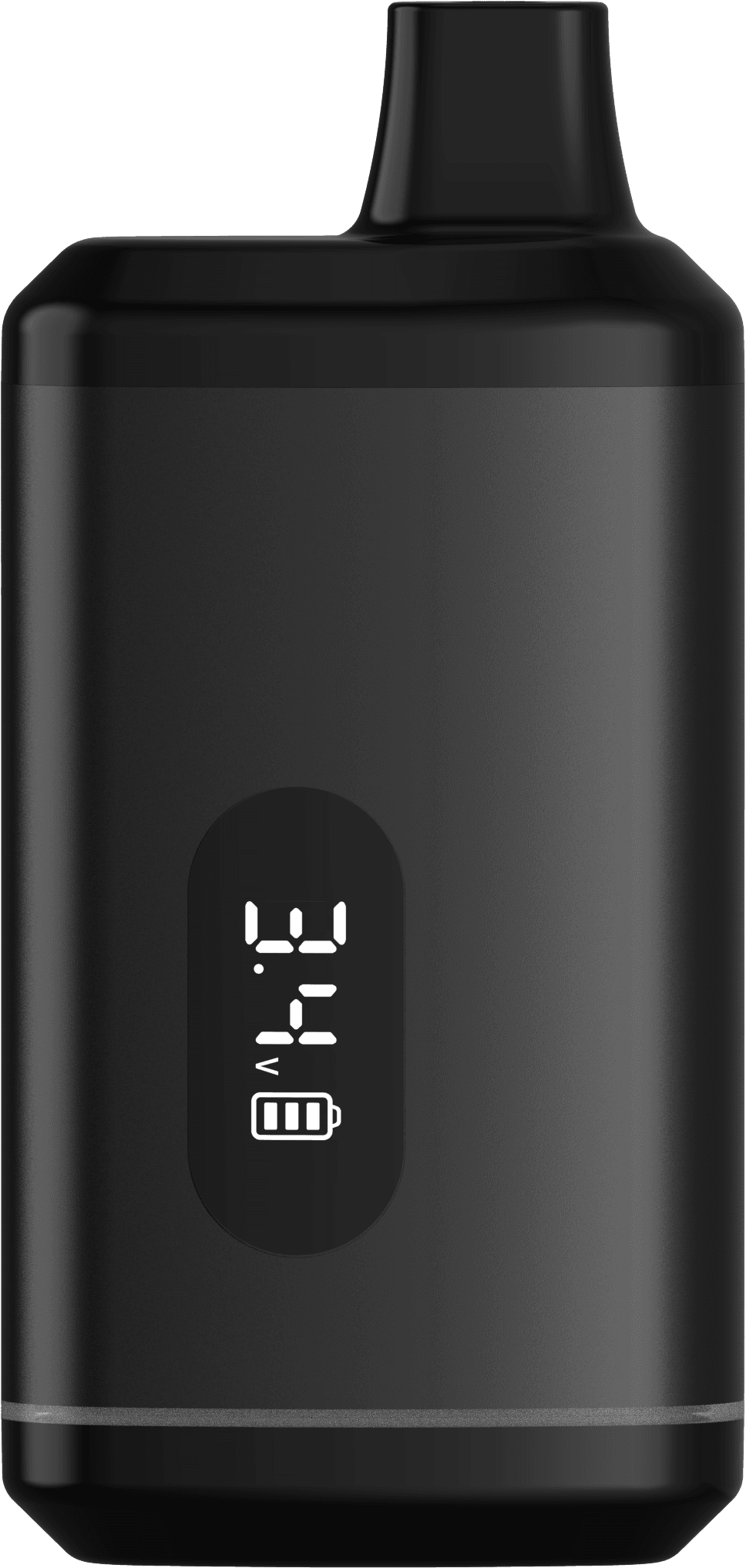
Usually yes, because a battery sold without oil is not always subject to the same child-resistance rules as a filled cart. Many brands still box them identically for brand consistency. See the prepackaged battery box for a retail-ready option that ships straight to the shelf.
When evaluating a paper format, use the child-resistant paper packaging for cannabis brands guide to compare format, testing, and sourcing questions for the exact finished pack.