Custom Pop Top Tubes: Print Methods, MOQ, and Lead Time
Compare custom pop top tubes with labels, direct print, or custom resin. Review MOQ, lead time, artwork requirements, and child-resistant packaging evidence.

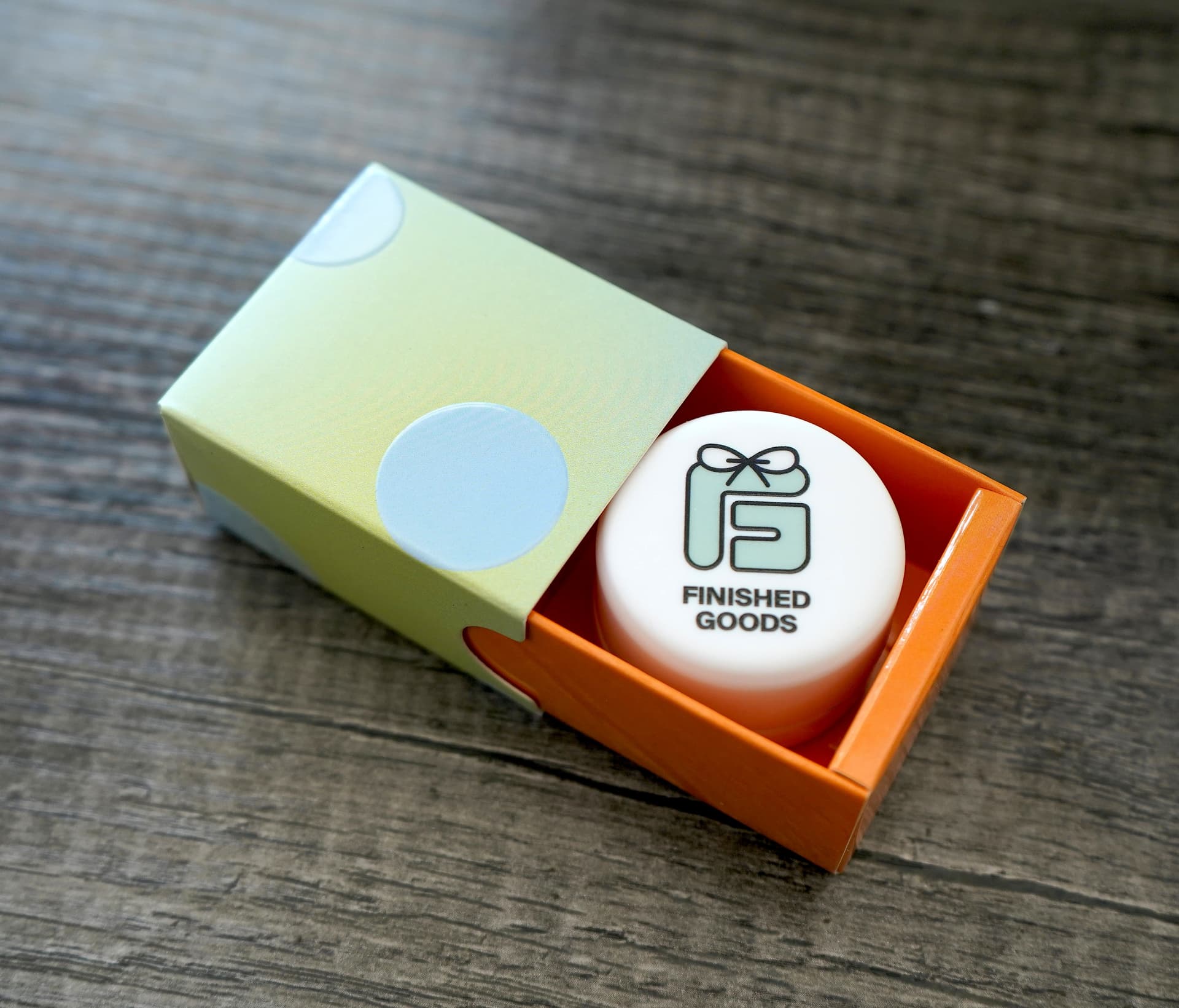
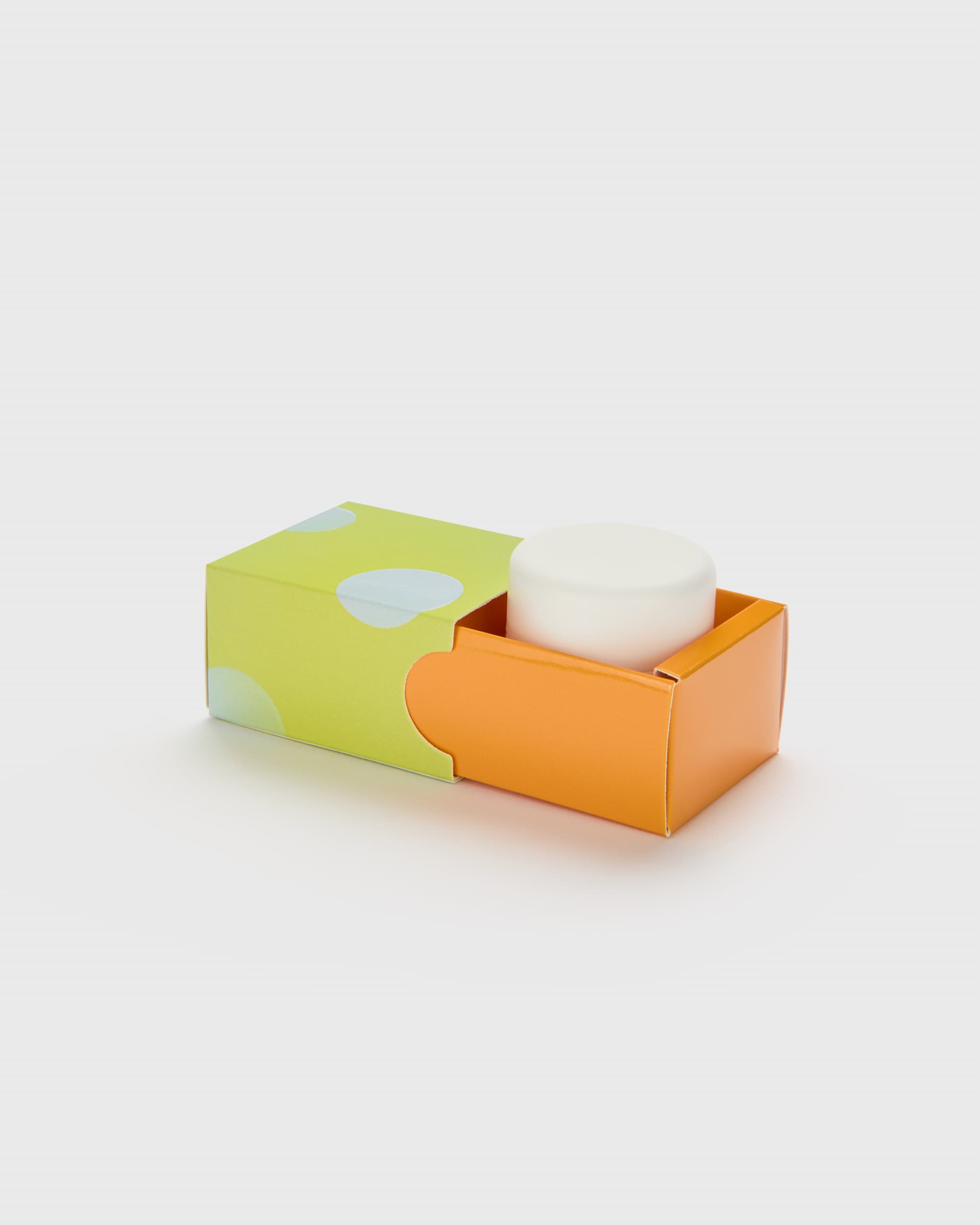
Custom pop top tubes give licensed brands three decoration options: apply a full-wrap label to a stock tube, print directly on the tube wall, or mold the tube in a custom resin color. Minimums, setup steps, and timing depend on the exact tube, supplier, decoration process, inventory, and artwork. Request dated quotes for each option. A compliance reviewer should compare every decorated package with the tested configuration and decide whether material, process, closure, or content changes need further evidence or testing.
The rest of this guide covers how to choose between the three, what evidence to review when a decorated package changes, and how to keep the order on schedule for launch.
Custom Pop Top Tubes: Decoration Options at a Glance
A brand can compare these paths, or a combination (for example, colored resin plus a label for batch and compliance data).
- Full-wrap or partial label on a stock tube. A pressure-sensitive label applied by hand or on a wrap labeler. Compare current stock, labeling capacity, proof needs, and artwork-change terms.
- Direct print on the tube. Screen print, pad print, or digital UV print applied to the tube wall at the factory. Review the proof, durability, setup charge, and revision terms for the exact printing process.
- Custom resin color. Colorant is added to the plastic during molding so the tube itself is your brand color. Often paired with a label or a one-color print for the logo and required warnings.
Custom Pop Top Tubes: Labels vs Direct Print vs Custom Resin Color
| Factor | Label on stock tube | Direct print | Custom resin color |
|---|---|---|---|
| Order minimum | Request stock and label MOQ | Request decorated SKU MOQ | Request color and size MOQ |
| Lead time | Quote stock, labels, application | Quote setup, proof, production | Quote material, proof, production |
| Artwork changes | Confirm proof and relabeling terms | Confirm setup for each revision | Confirm color-run change terms |
| SKU flexibility | Depends on label and stock plan | Depends on print variants | Depends on color and SKU plan |
| Look and feel | Depends on label stock and finish | Integrated, no edges | Solid color through the wall |
| Compliance data (batch, dates, warnings) | Easy to print variable data | Confirm variable-data capability | Needs a label or print on top |
| Scuff and moisture resistance | Depends on stock and laminate | Test the exact ink and finish | Test finished color and scuff performance |
| Fill-line impact | Validate label station and line rate | Validate handling of printed tubes | Validate handling of colored tubes |
| CR certification consideration | Review label placement and tested pack | Review print process and tested pack | Review material and tested pack |
When labels make sense
Labels for custom pop top tubes can support multiple artwork variants and variable data, such as batch numbers or dates, when the equipment and approved label specification allow it. Compare that approach with the current tube stock, application capacity, and destination-market labeling requirements.
When direct print makes sense
Direct print on custom pop top tubes may fit a stable artwork program when the quoted print process, minimum, and durability tests meet the need. A preprinted tube can remove in-house label application, but receiving and filling operations still need validation. Plan on a separate label or sticker if you still need variable compliance data.
When custom resin makes sense
Choosing a resin color for custom pop top tubes is a brand-equity decision. It makes the tube recognizable on a shelf even with no print at all. Compare custom and stocked colors using current quoted minimums, material evidence, approval samples, and reorder plans.
Reviewing Child-Resistant Evidence After Decoration
The current product page describes a child-resistant closure, but the evidence must match the tested package configuration and its opening performance. The CPSC PPPA FAQ says CPSC does not approve a specific package design and that the end-product manufacturer is responsible for certification where that federal rule applies. Have a compliance reviewer check the exact decorated package and destination-market cannabis requirements before relying on existing test evidence.
- Keep labels off the lid and the closure seam. A label that wraps over the lid line or stiffens the squeeze zone can change how the tube opens. Your dieline should stop below the lid.
- Do not add thickness at the squeeze points. Heavy label stocks, thick laminates, or textured coatings at the press points can change the force needed to open.
- Ask whether the CR test report covers your resin. A different resin formulation or colorant loading may or may not be covered by the existing test documentation. Ask for confirmation in writing before you approve a custom color.
- Keep the documentation on file. Regulators and retail partners may ask for proof that your package meets child-resistant requirements. Request the applicable test evidence and finished-product certification record, where required, for the exact product-package configuration and retain the approved version with SKU records.
Child-resistant is only one part of compliance. State rules on opacity, required warnings, the universal symbol, and font sizes vary and change. If your state requires opaque packaging, a clear tube with a partial label may not qualify, while an opaque resin or a full-wrap opaque label may. Confirm current rules with your compliance lead before artwork is final.
Artwork and Dieline Requirements for Custom Pop Top Tubes
A tube is not a flat box panel, and artwork built like one will distort or misalign. Start from the dieline your FGI rep provides for your exact tube size, and follow these practices:
- Plan for the seam. A full-wrap label has an overlap where the ends meet. Keep logos, barcodes, and required warnings away from it.
- Verify the tube shape. The current Finished Goods pop-top page describes straight, no-taper walls; confirm the exact offered tube and use its supplied dieline before approving label dimensions or seam placement.
- Mind the readable face. On a narrow tube, only a portion of the circumference faces the shopper at once. Put the brand mark and product name on the front face and push secondary copy around the sides.
- Use vector files. Supply logos and text as outlined vectors. Raster images should be high resolution at actual print size.
- Specify colors precisely. Give spot color references for brand colors. Expect some variation between a label printed on paper or film, ink printed on plastic, and colored resin, even when all three target the same color.
- Add a white underbase on clear or colored tubes. Without white ink underneath, printed colors take on the tube color or look washed out. Tell your rep if you want a white base layer.
- Check warning legibility at size. Required warnings and symbols must stay readable on a curved surface. Print a proof at actual size and wrap it around a sample tube before sign-off.
- Leave room for variable data. If you print batch or date information on the line, design a clear box for it.
Fill-Line Considerations: Label Application and Throughput
If you choose labels, decoration becomes part of your packaging operation. Plan for it before the order is placed.
- Hand application vs wrap labeler. Hand labeling works at low volume but is slow and inconsistent at scale. A wrap labeler needs labels supplied on the correct roll core size and unwind direction for that machine. Get the spec from your equipment documentation and share it with your rep.
- Label before or after filling. Labeling empty tubes is easier to control, but filled tubes can be labeled if your equipment is set up for it. Decide this early because it affects how labels are rolled and wound.
- Consistent tube dimensions matter. Wrap labelers depend on uniform diameter. Compare incoming dimensions on each lot and revalidate line settings when the tube or production process changes.
- Account for the labeling step in throughput. If your line runs fill, cap, and case-pack, labeling adds a station and a potential bottleneck. Direct print or custom resin moves that work upstream to the factory.
- Storage conditions. Labels can lift or wrinkle in heat or humidity. Ask about label stock and adhesive suited to your storage and distribution conditions.
Ordering Custom Pop Top Tubes: Timeline from Proof to Delivery
Lead time depends on the decoration method, quantity, and current production schedule. Your rep will give you a dated timeline with your quote. A typical approval workflow may include these steps; confirm the quoted sequence and responsibilities:
1. Specify the tube. Size, stock or custom color, quantity, and decoration method. 2. Receive the dieline. Built for the exact tube you are ordering. 3. Submit artwork. Final files with spot colors, compliance copy, and any white underbase noted. 4. Review the digital proof. Check copy, colors, placement, and seam location. Have your compliance lead sign off here, not later. 5. Approve a physical sample when offered. For direct print and custom resin, a pre-production sample is the last low-cost point to catch a problem. 6. Production. Molding (for custom resin), decoration, and quality checks. 7. Freight and receiving. Build transit time and receiving inspection into your launch plan.
Artwork revisions and late compliance review can affect the launch schedule. Agree on a copy-approval checkpoint before the final proof and record any revision impact in the dated timeline.
FAQ
What is the minimum order for custom printed pop top tubes?
It depends on the tube size, inventory, decoration process, color, artwork, and supplier program. Request the current MOQ and setup terms for each exact option rather than assuming a fixed method ranking.
Can I order custom pop top tubes wholesale and decorate them myself?
Ask whether the quoted stock tube and your labeling process support in-house decoration. Confirm the tube MOQ, label MOQ, equipment fit, and approved artwork for each SKU. Ask for the label dieline for your tube so your label printer builds it to the right shape.
Will printing or labeling affect child-resistant certification?
Labels, print, and color changes should be reviewed against the exact tested package. Confirm whether placement, material, process, or closure performance changes require additional evidence or testing before approving the finished pack.
How close will my brand color match?
Close, but not identical across materials. Ink on plastic, ink on a label, and colorant in resin each render the same target slightly differently. Approve a physical sample if exact color is critical to your brand.
Where should compliance warnings go on a pop-top tube?
Place them where they stay legible and away from the label seam and the closure. Requirements for warning text, symbols, and placement differ by state, so confirm current rules with your compliance lead before final artwork.
Can I combine colored resin with a label?
The methods may be combined if the exact decorated tube, test evidence, artwork, and quote are approved. The resin carries the brand color, and the label carries the logo, product details, and variable compliance data.
Next Step
To quote custom pop top tubes, send your Finished Goods rep your tube size, estimated annual volume, number of SKUs, and preferred decoration method. Request a current quote, exact dieline, test-evidence scope, and dated schedule before committing to a launch plan.