Custom Vape Cartridge Packaging: A Buyer's Guide for Licensed Cannabis Brands
Custom vape cartridge packaging guide for licensed brands: compare structures, hardware fit, test documentation, artwork controls, MOQs, and lead times.
Custom Vape Cartridge Packaging: The Short Answer
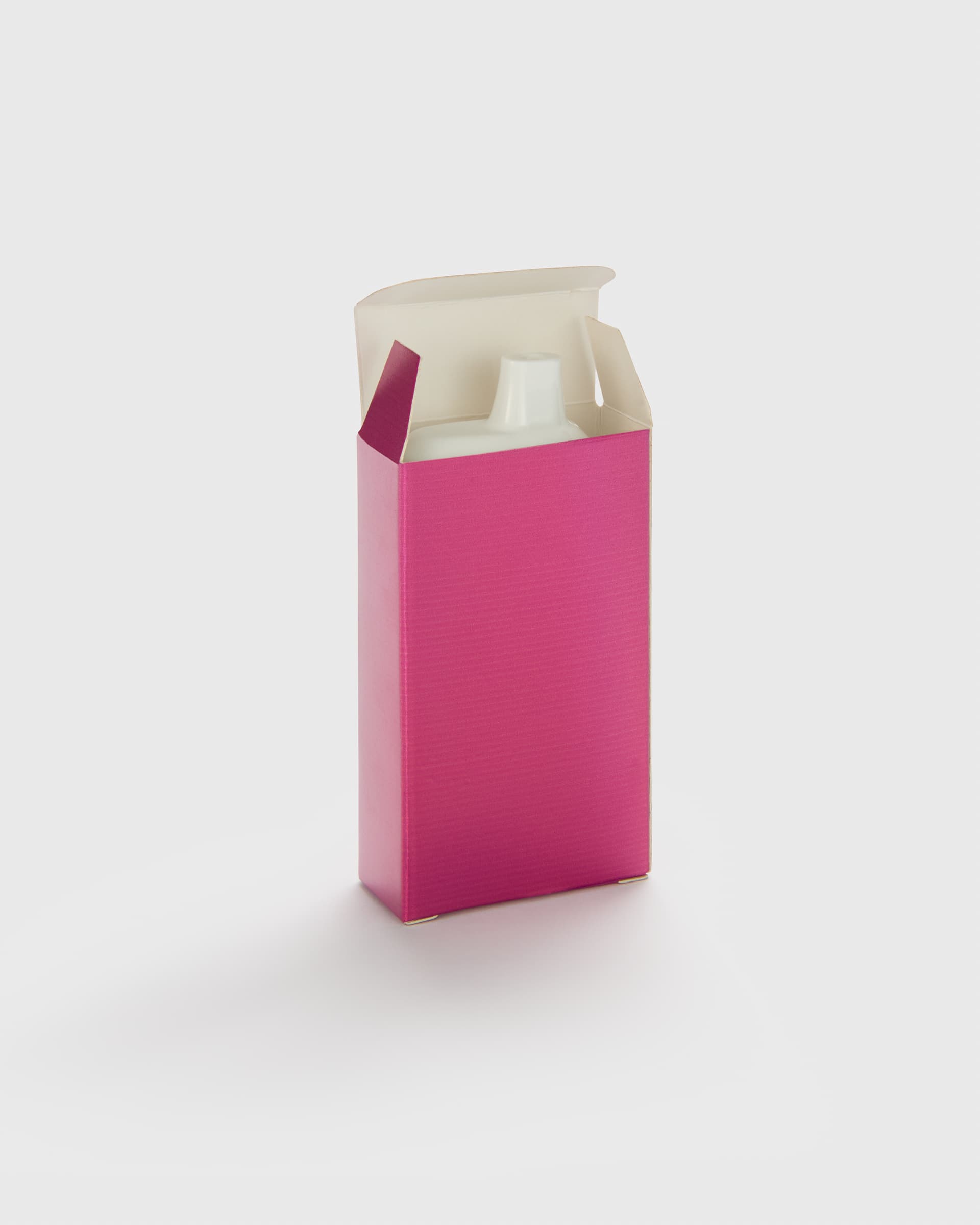
Custom vape cartridge packaging is primary or secondary packaging built to fit a specific cartridge or disposable and printed with the brand artwork and required market-specific information. For licensed cannabis brands, a qualified source should coordinate hardware fit, configuration-specific child-resistant test documentation where required, current state labeling requirements, production MOQs, and realistic lead times. Finished Goods (FGI) supplies hardware and packaging to brands and processors across regulated markets.
What counts as "custom" vape packaging
Custom in this category means one or more of the following are specified by the buyer:
- Structure: slide box, tuck-end carton, magnetic rigid box, tin, pre-roll style tube, or clamshell blister.
- Cavity or insert: die-cut paper pulp, molded pulp, EVA foam, or thermoformed PET sized to a specific cartridge diameter, mouthpiece shape, and overall length.
- Child-resistant mechanism: push-and-slide, squeeze-and-slide, press-tab, or another documented closure. Confirm that the exact purchased configuration is covered by the applicable test report. ASTM D3475 may classify the package type; 16 CFR 1700.20 provides U.S. special-packaging test procedures.
- Print and finish: CMYK or Pantone offset or digital print, soft-touch or matte lamination, spot UV, foil stamp, emboss or deboss.
- Compliance printing: state warning symbols, THC content fields, batch and lot areas, universal cannabis symbols, and QR or barcode zones.
State which elements are custom and which use a stock structure so quotes cover the same scope.
Best format for each cartridge type
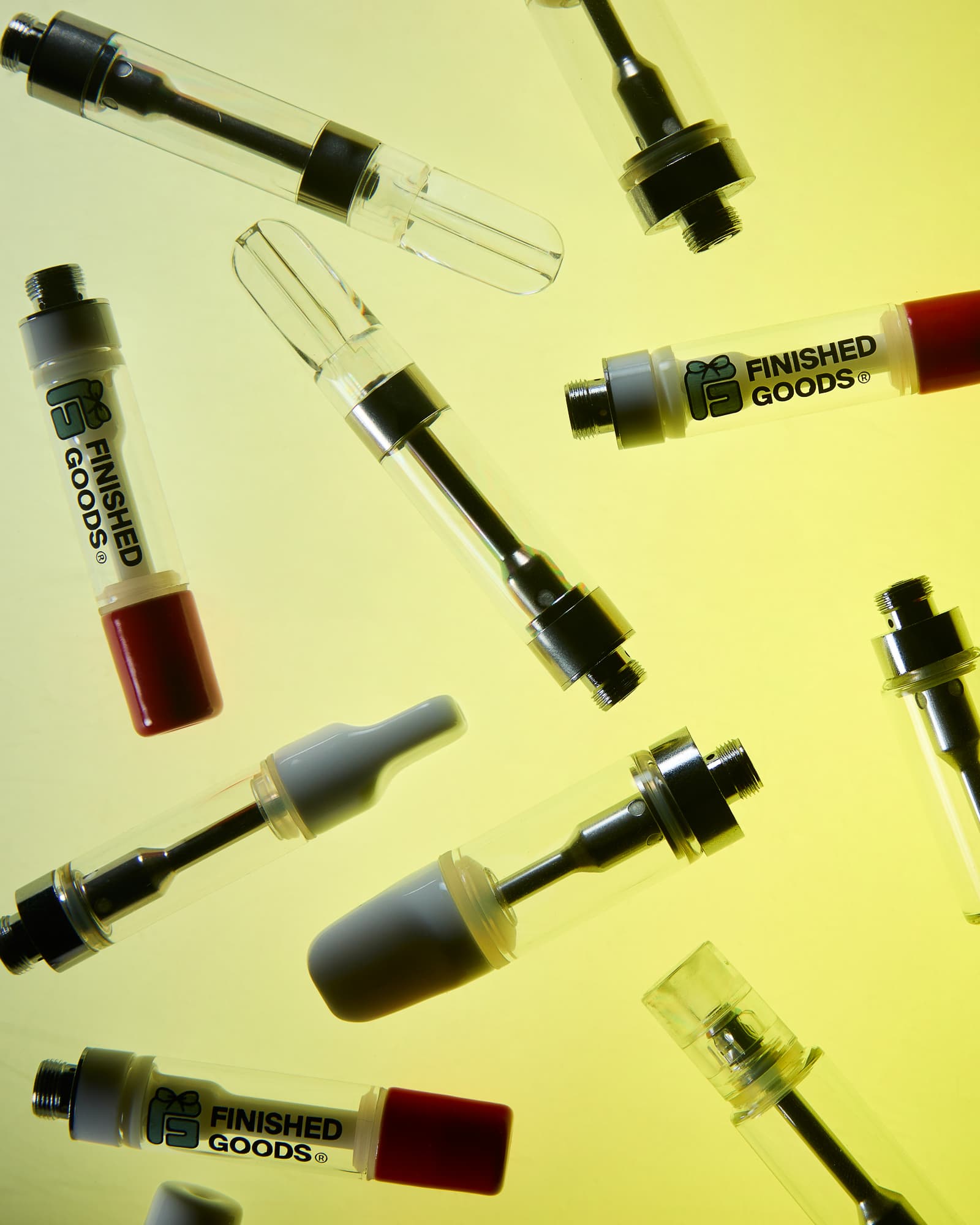
- Standard 510 cartridges: use a slide or tuck carton with a fitted paper, molded-pulp, or other validated insert that controls movement without stressing the mouthpiece.
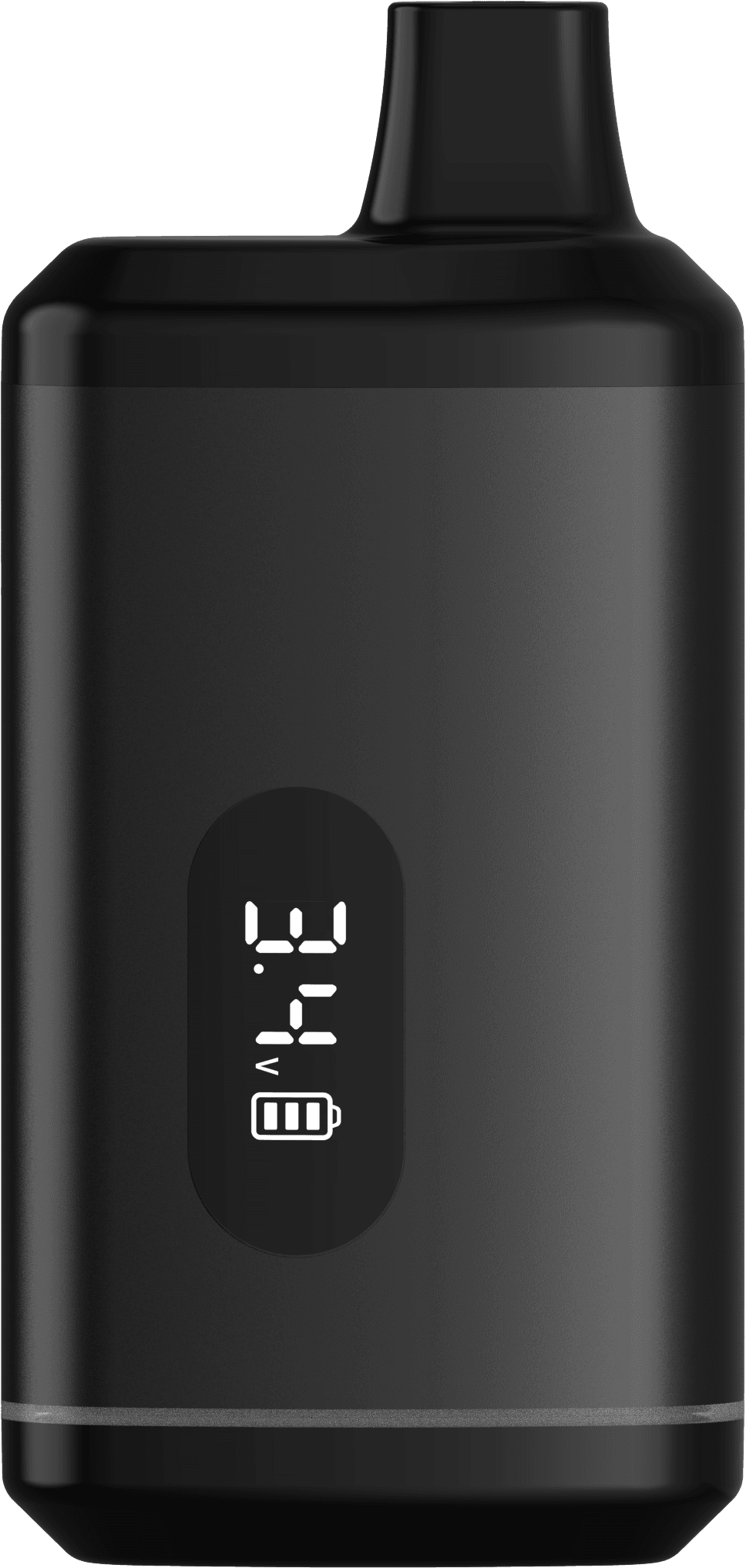
- All-in-one devices: use a cavity or tray that protects the mouthpiece, activation area, and charging port while keeping the device orientation consistent.
- Premium oil programs: consider a rigid box, tin, or higher-finish carton only after checking weight, freight, assembly, and retail handling.
- Multi-packs: separate each device so cartridges cannot strike or abrade one another during packing and transit.
- Pod systems: size the package to the complete pod geometry and confirm that any window, opacity, or product-visibility treatment is permitted in the target market.
What to specify before you request a quote
A usable RFQ for custom vape cartridge packaging includes:
1. Cartridge or device dimensions: outside diameter at the widest point, overall length, mouthpiece shape. 2. Unit count per box (single, 2-pack, 5-pack). 3. Target states of sale and the packaging requirements confirmed by the brand’s qualified reviewer, with responsibility for any unresolved requirements assigned before artwork approval. 4. Structure and material: board construction, thickness, finish, insert material, and the tolerances needed to protect and retain the actual device. 5. Print method and finishes. 6. Annual volume estimate and first PO quantity. 7. In-hand date and destination warehouse.
Provide dielines only after structure and insert are agreed. Artwork produced against the wrong dieline can require layout changes and reprints.
Compliance basics
A jurisdiction-specific packaging review typically covers three categories:
- Child resistance: request configuration-specific test documentation under the requirements applicable to each market. ASTM D3475 classifies package types, while 16 CFR 1700.20 special-packaging procedures cover child-and-adult panel testing. ASTM F963 is a toy-safety standard and should not be used as proof of child resistance. Changes to materials, dimensions, closures, or opening instructions may require technical review and retesting.
- Labeling: confirm the symbols, cannabinoid disclosures, batch fields, dates, warnings, and placement rules required in each target market. Record which information is preprinted and which variable data is applied during filling or packing.
- Marketing restrictions vary by jurisdiction and may address youth appeal, health or therapeutic claims, imagery, product depictions, and required warning prominence. Route final artwork through current market-specific review.
A print supplier may not review regulated-market requirements. The license holder should confirm current rules and ensure that any child-resistant test documentation applies to the exact structure, dimensions, materials, closure, and opening instructions being purchased.
Supplier models, and which fits which buyer
Broad-catalog packaging wholesalers. They may offer a wide format range but limited regulated-market support. Use them for accessories or secondary packaging only after confirming whether the exact configuration needs child-resistant performance, test documentation, or a fitted insert.
Print-only shops. They may be strong on artwork and finishes while leaving structure, insert engineering, regulatory review, and test-document collection to the buyer. Define those responsibilities before requesting a quote.
Low-minimum fulfillment houses. They can suit pilots when a stock structure is acceptable, but the available materials, closures, inserts, decoration, and documentation may be limited. Compare the complete landed program, not only the unit price.
Hardware-plus-packaging partners can coordinate the device, fitted insert, decoration, production schedule, and configuration-specific documentation across suppliers. Buyers should still verify the responsible factory, revision control, test-report scope, inspection plan, and change-notice process.
How to Evaluate MOQs and Lead Times
- Stock structures with custom print can reduce tooling work. Obtain a current, program-specific quote that separates the minimum order, sampling, production, freight, duties, and delivery assumptions.
- A custom structure adds dieline development, physical sampling, tooling, fit approval, and artwork approval. The schedule should show each stage separately from mass production and transit.
- Rigid boxes and tins may use different tooling, assembly, packing, and freight assumptions than folding cartons. Compare them on total landed cost, protection, retail use, and production handling.
- Confirm the manufacturing origin, production calendar, transit mode, customs buffer, delivery terms, and destination. Air and sea options trade time against cost, so quoted timing should be tied to the actual lane and shipment plan.
For a small market test, compare a stock package with applied labels against the tooling, minimums, unit economics, and timing of a fully custom structure.
Custom Vape Cartridge Packaging Failure Modes to Avoid
- Approving artwork before receiving a physical sample of the structure with the actual cartridge inside.
- Ordering packaging before the hardware SKU is locked. Even a small change in device diameter, length, mouthpiece shape, or charging-port position can invalidate a fitted insert or artwork layout.
- Skipping CR test documentation and discovering the gap during a state audit.
- Specifying soft-touch lamination on a slide box without evaluating its effect on sliding friction and closure operation in the finished sample.
- Approving warning-panel placement without checking the applicable market requirements against the final artwork.
How to brief Finished Goods
Send the cartridge sample or controlled spec sheet, target markets, unit count per box, first order quantity, destination, and requested in-hand date. Ask Finished Goods to confirm the available structure, fit-sampling and dieline scope, configuration-specific documentation, and production and delivery assumptions in the quote.
Contact Finished Goods about custom cartridge packaging with the controlled device specification and target-market list to request a scoped proposal.
Custom Vape Cartridge Packaging Approval Checklist
Before issuing a purchase order, assemble one approval package that connects the hardware revision, physical sample, packaging drawing, artwork, compliance review, and commercial quote. The team approving the order should be able to trace every requirement to a controlled file or current market decision.
- Confirm that the controlled device revision matches the physical fit sample and insert drawing.
- Verify that the structure, dimensions, materials, closure, and opening instructions match the scope of any required child-resistant test documentation.
- Review each target market's current labeling, opacity, tamper-evidence, resealability, symbol, warning, and variable-data requirements with qualified personnel.
- Approve a decorated physical sample for fit, closure operation, print, barcode readability, warning hierarchy, assembly, pack-out, and shipping protection.
- Record the approved dieline, artwork revision, color target, finish reference, defect criteria, inspection plan, case pack, pallet assumptions, and delivery terms.
- Require written change notice before the factory changes materials, dimensions, tooling, closure components, print processes, inserts, or production location.
This package turns custom vape cartridge packaging from a design handoff into a controlled production specification. For format comparisons and sourcing questions, review the Finished Goods cannabis vape packaging guide before requesting quotes.