Custom Branded Vape Hardware: What Cannabis Brands Actually Need to Order
Plan custom branded vape hardware with a clear decoration brief, model-specific samples, written quotes, and approval records before committing to production.
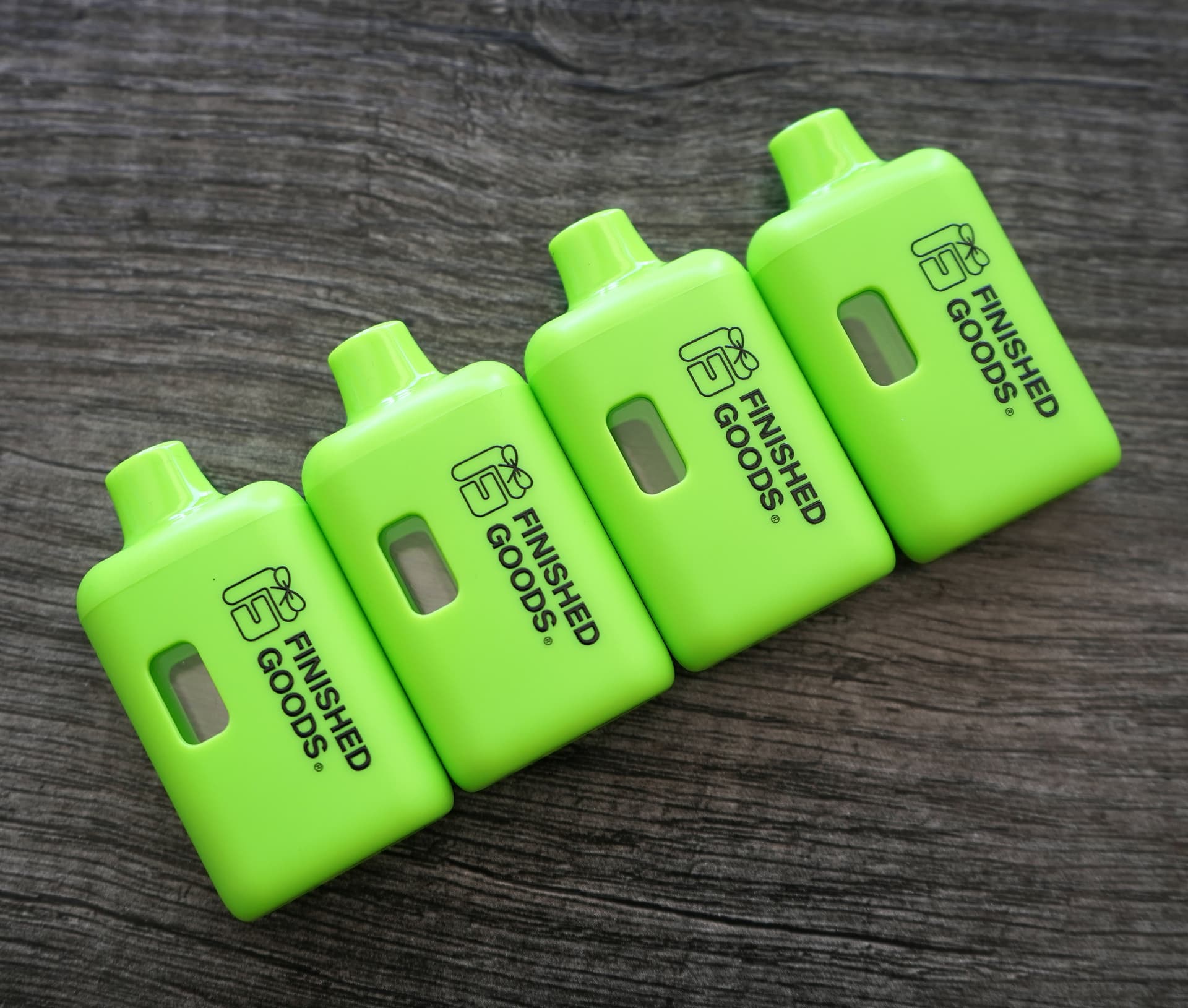
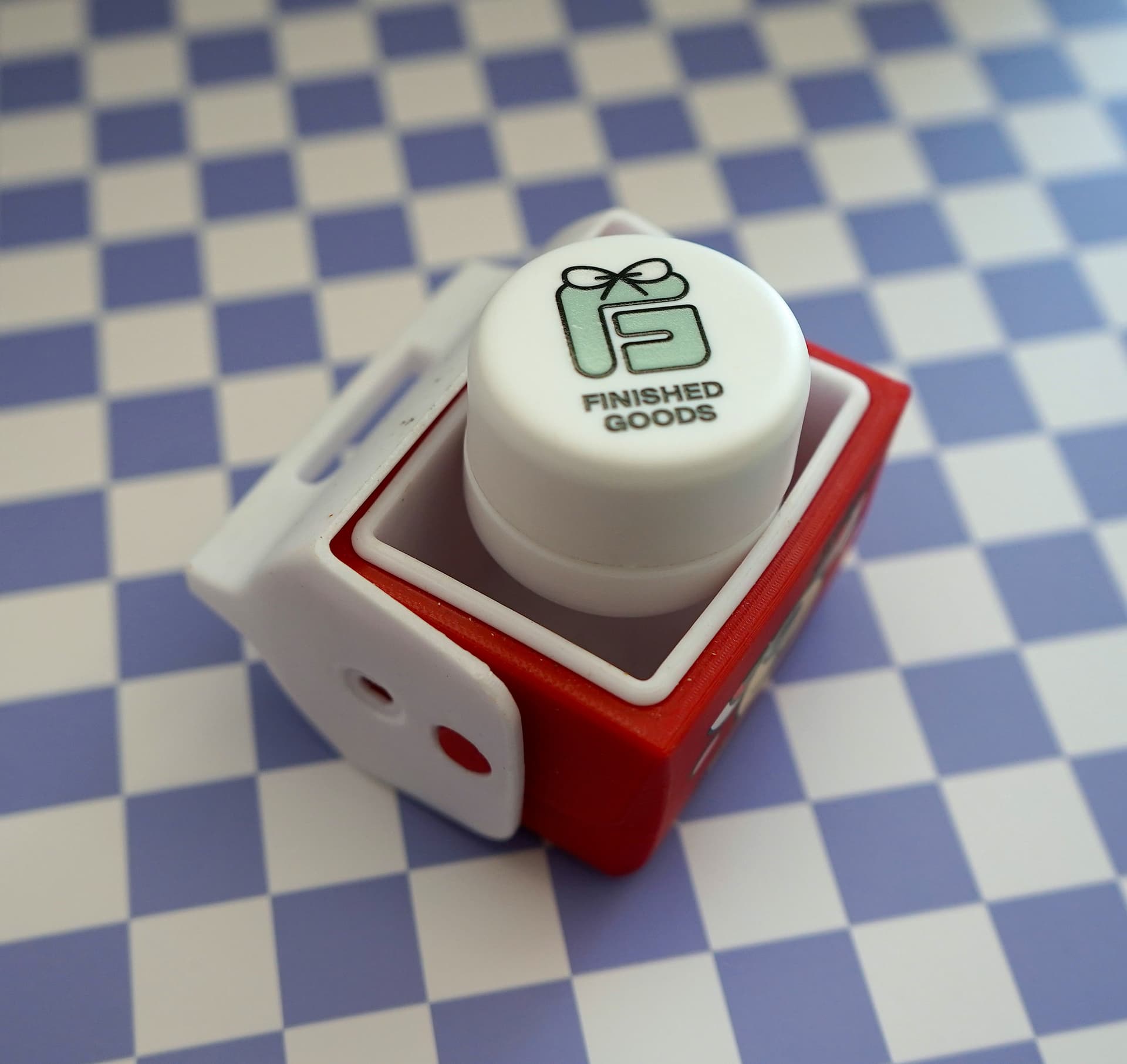
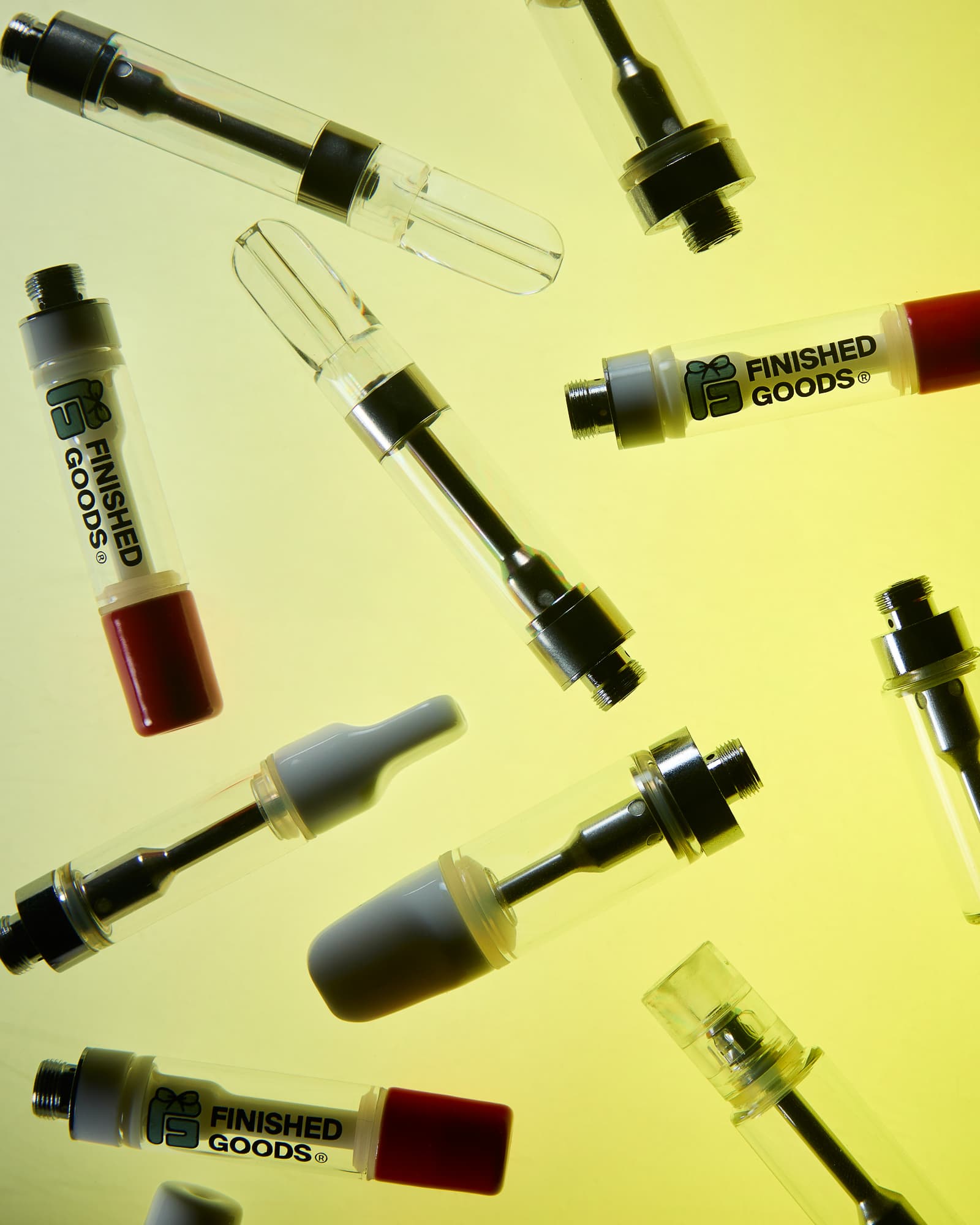
Custom branded vape hardware combines a selected hardware configuration with approved artwork, colors, finishes, or other agreed changes. For a licensed cannabis brand, the first question is what is being customized: the decoration, the physical configuration, or the underlying design.
Start with the cannabis vape hardware manufacturer guide to define the hardware requirements. This guide focuses on the branding brief and approval process. A logo treatment cannot establish whether a cartridge, all-in-one, or pod configuration works with your oil and production process.
Separate decoration from a change to the hardware
Ask the supplier to distinguish three scopes in the quote. Decoration applies artwork or a finish to an existing build. Configuration changes select or alter parts, colors, or other available options. A new design may require engineering, tooling, and a separate validation plan.
Do not use “custom” as the complete specification. Identify the exact model, revision, surfaces, artwork files, colors, and requested changes. If the supplier proposes a substitute, require a written explanation of what differs before approving it.
Build a decoration brief the supplier can quote
Provide the logo in the requested production format, the intended placement, dimensions, color references, and finish expectations. Ask for a drawing that identifies the available print area and any restrictions around seams, windows, controls, contacts, airflow openings, or charging ports.
| Decision | What to request | What to approve |
|---|---|---|
| Artwork placement | A model-specific drawing showing orientation, print area, and exclusions. | Position and scale on the exact hardware configuration. |
| Color and finish | The supplier's available process, reference method, and stated tolerances. | A physical reference under agreed viewing conditions. |
| Decoration method | Available methods for the actual surface, including preparation and test criteria. | Appearance and durability against the agreed sample and checks. |
| Product identification | How SKU, batch, variant, or other required information will be applied. | Legibility and consistency with the approved packaging and records. |
| Production control | Artwork version, hardware revision, inspection method, and change-notification process. | The exact reference that production and reorders must match. |
Ask which processes are available for the quoted model rather than assuming every method is offered across the catalogue. Printing, laser marking, labels, coatings, and molded color involve different approval questions. A sample on another material or housing is not evidence that the proposed treatment will perform the same way on your build.
Approve the hardware before locking the decoration
Define the oil formulation, intended fill amount, cartridge or device configuration, battery pairing where applicable, filling equipment, and expected use conditions. Ask the technical team to identify the samples and testing needed to qualify that combination.
Avoid choosing intake dimensions, resistance, voltage, or preheat settings from a generic oil-type table. The approved operating instructions should come from evidence for the exact configuration. Keep the hardware qualification record connected to the decorated sample so a successful visual proof does not conceal a changed component.
Compare MOQ and timing on the same basis
Request a written quote with minimum quantities broken out by model, artwork, color, finish, and reorder. Ask which quantities can be combined and which require separate runs. Confirm sample fees, setup charges, tooling charges, packaging, delivery terms, and quote validity.
There is no single MOQ or lead time established by the phrase “custom branded vape hardware.” Record each supplier's current offer and its assumptions. Separate artwork approval, sample preparation, hardware validation, production, shipment, and arrival. Identify which approvals or payments start each stage and what happens if a dependency changes.
For a repeat order, confirm whether inventory exists for the approved revision and decoration. Do not assume domestic stock, a prior quote, or a previous delivery time establishes availability for the next order.
Use a physical sample to resolve visual questions
A digital proof helps check text, layout, and artwork version. A decorated sample lets the team evaluate the actual surface, scale, orientation, finish, and color. Record both approvals and keep a reference sample tied to the production order.
Ask your quality team to define appropriate checks for print or finish durability, handling, packaging contact, and the intended distribution conditions. Record the method and acceptance criteria rather than relying on words such as “permanent” or “premium.” Confirm that decoration leaves functional openings, contacts, windows, and controls usable.
If the artwork or component changes after approval, identify which checks must be repeated. Do not treat an earlier sample approval as permission for an unreviewed substitution.
Evaluate the supplier's responsibilities
A manufacturer's, distributor's, or sourcing partner's label does not establish its quality or service. Ask who performs each operation, who holds the approved files and samples, who verifies production, and who is responsible when the delivered goods differ from the approved reference.
The supplier questions to ask before a PO guide helps structure that discussion. Request configuration-specific documentation and explain any gaps to the relevant product, quality, or compliance reviewer. Confirm tooling ownership, change control, and the remedy for nonconforming goods in the agreed commercial documents.
Keep the branding brief distinct from the manufacturing model
Custom decoration describes what the buyer wants applied or changed. White-label, private-label, OEM, and ODM arrangements describe broader responsibilities that need to be defined in the supplier agreement. Do not assume a printed logo includes proprietary tooling, exclusive hardware, firmware changes, or ownership of the design.
In the RFQ, separate required features from optional requests. Ask the supplier to quote each supported option and identify anything requiring further development. This keeps the conversation specific and helps prevent scope changes after the order is placed.
A practical sample-to-order checklist
1. Identify the hardware model and revision that the technical team will evaluate. 2. Supply controlled artwork, placement drawings, and color or finish references. 3. Confirm the proposed decoration process and the supplier's responsibilities. 4. Review the quote's quantities, charges, timing, and dependencies. 5. Complete the agreed hardware and decorated-sample checks. 6. Record approval against the exact hardware, artwork, and physical reference. 7. Issue the order with revision identifiers, inspection requirements, and change-control terms. 8. Check incoming goods against the approved references before releasing them into the production process.
Prepare your Finished Goods enquiry
Use the vape hardware RFQ template to assemble the oil and hardware requirements, artwork scope, quantities, filling process, and target delivery date. Include existing brand guidelines and identify the decisions that still need technical review.
Then use the Finished Goods hardware sourcing guide to continue the supplier discussion. Confirm the options, commercial terms, and sample plan in the response for your specific program.