Child-Resistant Concentrate Containers: A Buyer Guide for Cannabis Brands
How to spec child-resistant concentrate containers for rosin, badder, sauce, and diamonds: jar formats, liners, closures, and CR documentation to verify.
Child-resistant concentrate containers have to protect a demanding product while supporting regulated retail use. Live rosin, badder, sauce, diamonds, and other concentrates differ in texture, aroma, handling temperature, and fill behavior. The right package must match the product, maintain closure integrity, provide the applicable child-resistant function, carry approved information, and survive distribution without leaking or degrading the customer experience.
For most brands, the choice is not simply glass versus plastic. It is a complete packaging stack: the primary jar or pouch, lid and liner, seal, child-resistant mechanism, label, secondary carton, case pack, and master carton. Evaluate those pieces together with the actual concentrate.
Start with Product Behavior
Define what will be filled before choosing a container. Record the product type, target fill weight, expected storage temperature, viscosity or texture range, terpene profile, filling method, and intended consumer use.
A stable badder may need a different opening geometry than a loose sauce. Diamonds with sauce can shift during transit. Rosin may be handled cold and can be sensitive to temperature exposure. An undersized opening makes filling and consumer access difficult; an oversized package creates headspace and can look underfilled even when the declared weight is correct.
Test representative production material, not an easier substitute. The product used for compatibility work should reflect the formulation, fill condition, and storage plan expected at launch.
Compare the Main Container Formats
Child-Resistant Glass Jars
Glass offers a premium feel, strong visibility when clear, and broad compatibility for many concentrate programs. It also adds weight and can break. Color, paint, or opaque secondary packaging may be used for brand presentation and light control, subject to local rules.
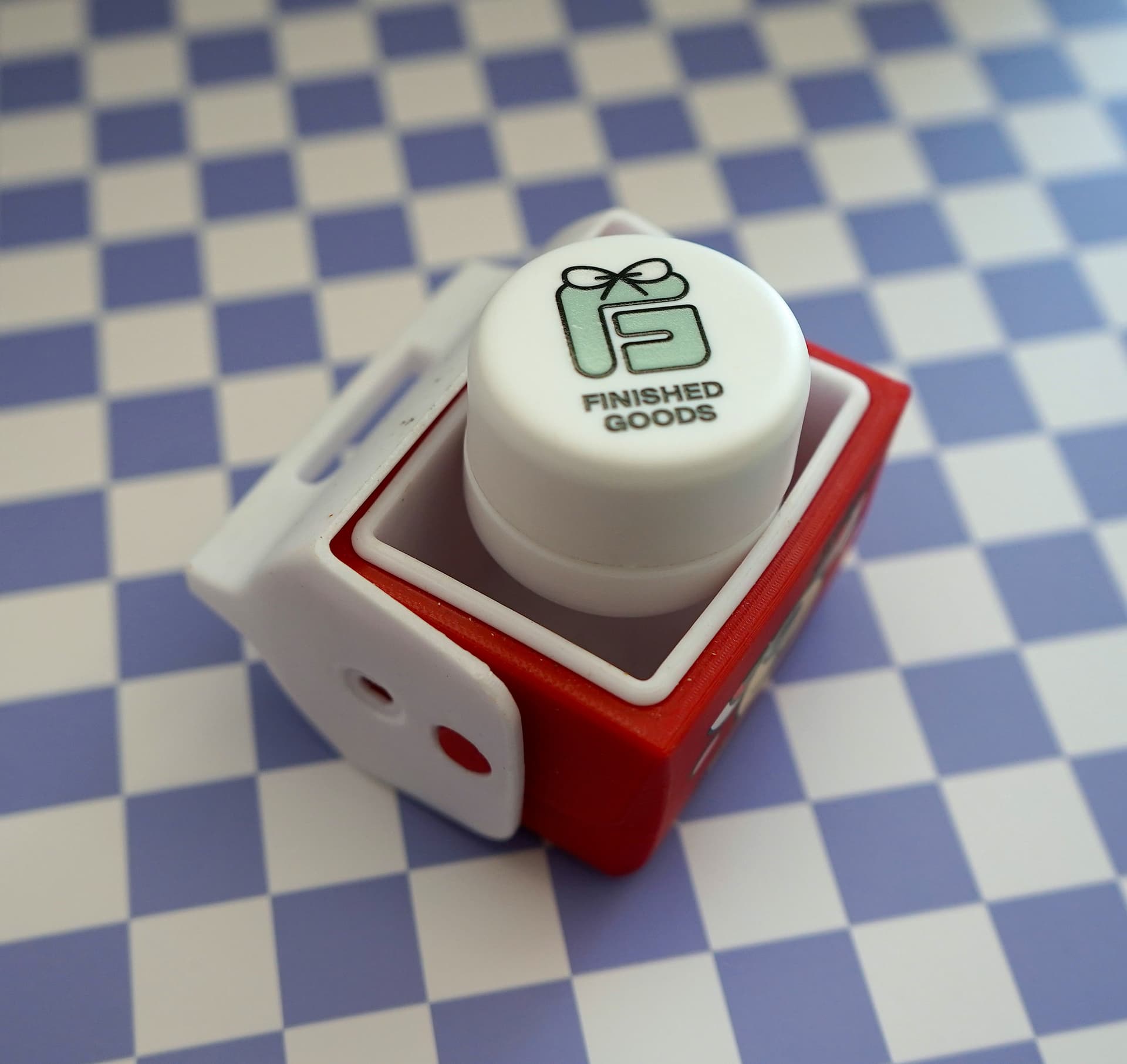
When evaluating Finished Goods concentrate jars, request the current drawing, nominal and usable volume, closure, color and decoration options, and exact liner construction for the proposed item. Evaluate the liner with the concentrate, jar, lid, filling process, storage conditions, and distribution plan. A shared material name or catalogue volume does not establish compatibility or a suitable fill weight.
Plastic Concentrate Jars
Plastic can reduce weight and breakage, but resin selection and product compatibility matter. Ask for the exact material, colorants, additives, temperature limits, and available compatibility evidence. Evaluate odor transfer, staining, distortion, seal behavior, and extractables or leachables concerns through the brand's technical and compliance process.
Flexible Pouches
Child-resistant peel-to-open or locking pouches can serve as primary packaging for some products or as a secondary layer around a jar. They provide a large print area and low shipping weight. For concentrates, confirm puncture resistance, seal integrity, product containment, opening behavior, and whether the pouch is intended to contact the product directly.
Jars Inside Child-Resistant Cartons
A secondary slide box or locking carton can create the child-resistant feature while protecting and presenting the jar. This approach can add print area and shelf structure, but it also adds components and packing steps. Confirm which layer carries the certification and whether the jar, carton, insert, and instructions must remain in a specific tested configuration.
Understand the Closure and Liner
The lid is only one part of the seal. Thread geometry, torque, liner compression, jar finish, temperature, product residue, and operator consistency determine whether the package closes reliably.
Liners solve different problems. An induction seal can provide a strong initial barrier and visible opening event when properly matched and applied. Pressure-sensitive liners rely on contact conditions and may not suit every product or distribution path. PTFE-containing or other specialty liners may be considered for compatibility, but the supplier and brand should verify the exact construction and intended use.
Do not select a liner by name alone. Run filled-product studies that inspect leakage, aroma retention, staining, delamination, liner lift, product pickup, and opening experience over the expected storage period and temperatures.
Torque needs control as well. Too little can compromise the seal or child-resistant function. Too much can deform components or make the package difficult for adults to open. Establish an application method and acceptable range for the actual jar-and-lid combination.
Verify Child-Resistant Documentation
Request documentation tied to the exact package. Confirm the tested manufacturer, item, dimensions, materials, closure, liner or insert if relevant, classification, laboratory, date, and whether the design is single-use or reclosable.
If the package uses a jar inside a secondary carton, ask whether the complete assembly was tested and which components are required for performance. If the jar itself is certified, confirm that custom colors, decoration, labels, or liner changes do not move the purchased item outside the documented configuration.
Federal special-packaging procedures under 16 CFR 1700.20 address child-and-adult panel testing. ASTM D3475 classifies package types; classification alone does not establish that the purchased package passed the required tests. Use the child-resistant cannabis packaging guide to organize questions for the brand’s qualified reviewer, who should confirm the applicable opacity, resealability, tamper-evidence, labeling, symbol, and other requirements for each target market and product.
Separate Child Resistance from Tamper Evidence
Child resistance is intended to make opening difficult for children while remaining usable by adults under the applicable protocol. Tamper evidence helps reveal that a package has been opened. A package may have one property without the other.
Induction seals, shrink bands, labels, and carton seals can support tamper evidence, but their placement must not interfere with the CR mechanism or cover required copy. Define whether the customer should see an intact seal at first opening and how production will verify its presence.
Validate Compatibility with Filled-Product Studies
Empty-container inspection cannot predict every concentrate interaction. Fill production-representative packages and store them in the positions and temperatures they may experience. Include upright, side, and inverted orientations when appropriate. Inspect at planned intervals.
Record mass change, visible leakage, odor escape, liner condition, closure torque, product appearance, texture, color, aroma, package staining, label adhesion, and opening behavior. For cold-chain products, include temperature cycling that reflects realistic handling rather than one constant ideal condition.
Compatibility work should have written acceptance criteria. "Looks fine" is not a release standard. Define who reviews the samples, how observations are recorded, and what triggers a redesign or additional test.
Design Labels and Decoration for Real Handling
Small concentrate jars offer limited label space. Map required information before selecting a decorative concept. Confirm label dimensions on the curved surface, readable type, barcode placement, variable data, and any state-specific stickers.
Direct printing, painted glass, colored pigment glass, lid printing, embossing, debossing, and pre-applied labels can create a distinctive pack. Ask which decoration methods are available for the exact jar and closure under review. Request physical decorated samples and test rub resistance, color, label adhesion, and code readability after cold storage and condensation if those conditions are expected.
Avoid decorating over critical mating surfaces or allowing labels to interfere with lid movement. If the outer carton carries part of the required information, control the relationship between jar and carton so the complete retail unit remains correctly identified.
Build the Package Around the Filling Line
The best container on a mood board can fail in production. Run a pilot with the actual filler, tools, operators, product, jar, lid, liner, seal, label, and carton.
Observe product stringing, residue on threads, fill-weight variation, cap alignment, torque, seal application, label placement, rework, and cleaning. Determine how components will be staged and protected. Establish line-clearance rules so jars, lids, liners, and labels from different SKUs cannot be mixed.
The case pack should support counting, inventory, and distribution. Dividers or trays may be necessary for glass. Test the full master carton for compression and vibration appropriate to the route. Inspect whether lids loosen, jars collide, labels scuff, or outer cartons deform.
Evaluate Suppliers on Evidence and Control
Ask a prospective supplier for the exact material specifications, CR documentation, closure and liner options, drawings or dielines, decoration capabilities, minimums, samples, lead times, case packs, lot traceability, quality plan, and written change-control process.
Obtain a project-specific quote that separates sample and artwork approvals, material availability, production, inspection, freight, customs where applicable, and receiving. Record when each quoted duration starts and which approvals or inputs it depends on. Custom color, decoration, quantity, packing scope, and the shipment route can change the calendar; reconfirm timing before placing the order.
Do not approve a purchase order from a catalog description alone. Reference the signed sample, exact components, colors, liner, decoration, quantity, packaging, acceptance criteria, required records, and delivery terms.
Compare Total Landed and Operating Cost
Include the jar, lid, liner, seal, label, carton, insert, case pack, freight, duties if applicable, storage, breakage, packing labor, inspection, scrap, and rework. A lower container price can be offset by slow capping, poor label adhesion, high breakage, or excess shipping cube.
Also consider customer-facing cost. A leaking jar, stuck lid, confusing mechanism, or concentrate left in an inaccessible corner can create returns and damage trust even when the package was inexpensive to purchase.
A Purchase-Order Checklist
Before release, confirm:
- Product type, fill weight, and storage conditions
- Exact jar or pouch, lid, liner, and seal
- Child-resistant documentation and compliance review
- Tamper-evident method
- Filled-product compatibility results
- Decoration and label approval
- Application torque or closure process
- Packing-line pilot and work instructions
- Case pack, dividers, and master carton
- Lot identification and incoming QC
- Change control and remedies
- Production, freight, and receiving dates
Choose the Complete Concentrate Packaging System
Child-resistant concentrate containers should protect the product, work on the line, open correctly for adults, and remain traceable through retail. That requires more than choosing an attractive jar. It requires evidence tied to the exact closure, liner, decoration, product, and secondary packaging.
Request a concentrate-packaging proposal from Finished Goods with the concentrate type, fill weight, target markets, desired format, decoration, quantities, packing plan, destination, and launch date. Ask the team to confirm available jar, carton, or pouch configurations and the documents supporting the proposed package so it can be evaluated as one system.