Anti-Counterfeit Vape Hardware: Serialization, Custom Molds and Verification for Licensed Brands
Build an anti-counterfeit vape hardware plan with controlled molds, serialization, production records, physical verification, and a clear incident response.
Anti-counterfeit vape hardware needs more than a recognizable shape or a QR code. Licensed cannabis brands should define what they are trying to verify: the hardware build, the finished product, the authorized sales channel, or a particular unit. Each requires a different record and response when something does not match.
Build the program around the real product and supply chain. A consumer-facing authenticity screen should reflect the evidence your system actually has. A matching identifier alone should not become a guarantee of product contents, laboratory results, or lawful distribution.
Separate recognition, traceability, and authentication
A custom housing can help people recognize a brand. A lot code can connect units to a production batch. A unit-level identifier can distinguish individual items in a system. Authentication asks a further question: does the physical item being checked correspond to the genuine item represented by the record?
GS1's barcode guidance describes identifiers and attributes such as serial and batch numbers. That structure is useful for traceability, but the presence of a code does not by itself answer every authenticity question.
Give custom molds a defined role
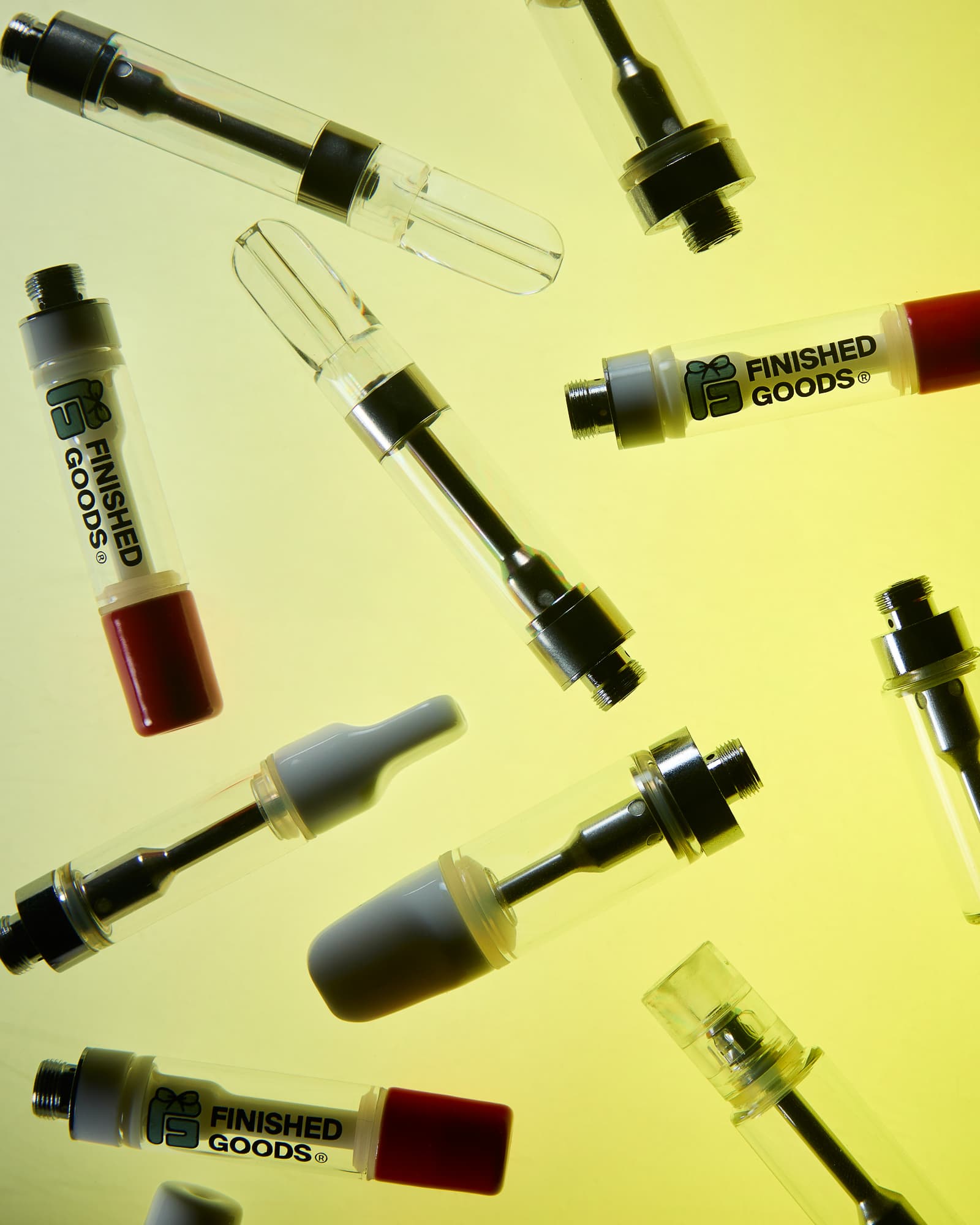
If a custom mold is proposed, specify the visual or dimensional features you want controlled. Record the drawing revision, tooling ownership and access terms, approved sample, marking locations, and change process. Ask how the supplier manages overruns, rejects, scrap, and unauthorized production under the commercial agreement.
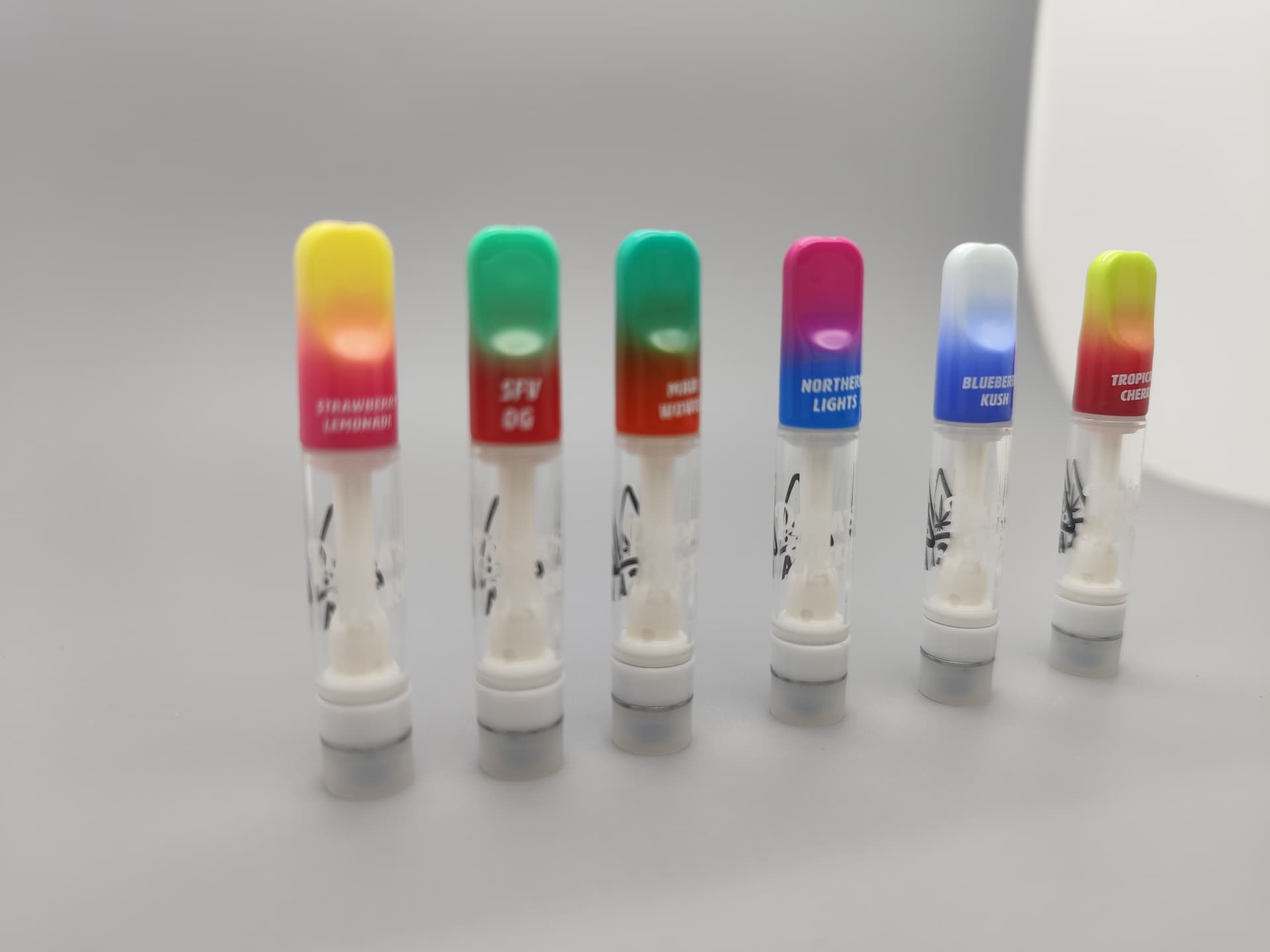
Evaluate recognition separately from security. A distinctive housing can be one layer in the program; do not describe it as impossible to copy. Review whether retailers and users can identify the intended feature without specialist equipment and whether production variation could cause genuine units to be rejected.
Connect the identifier to the production record
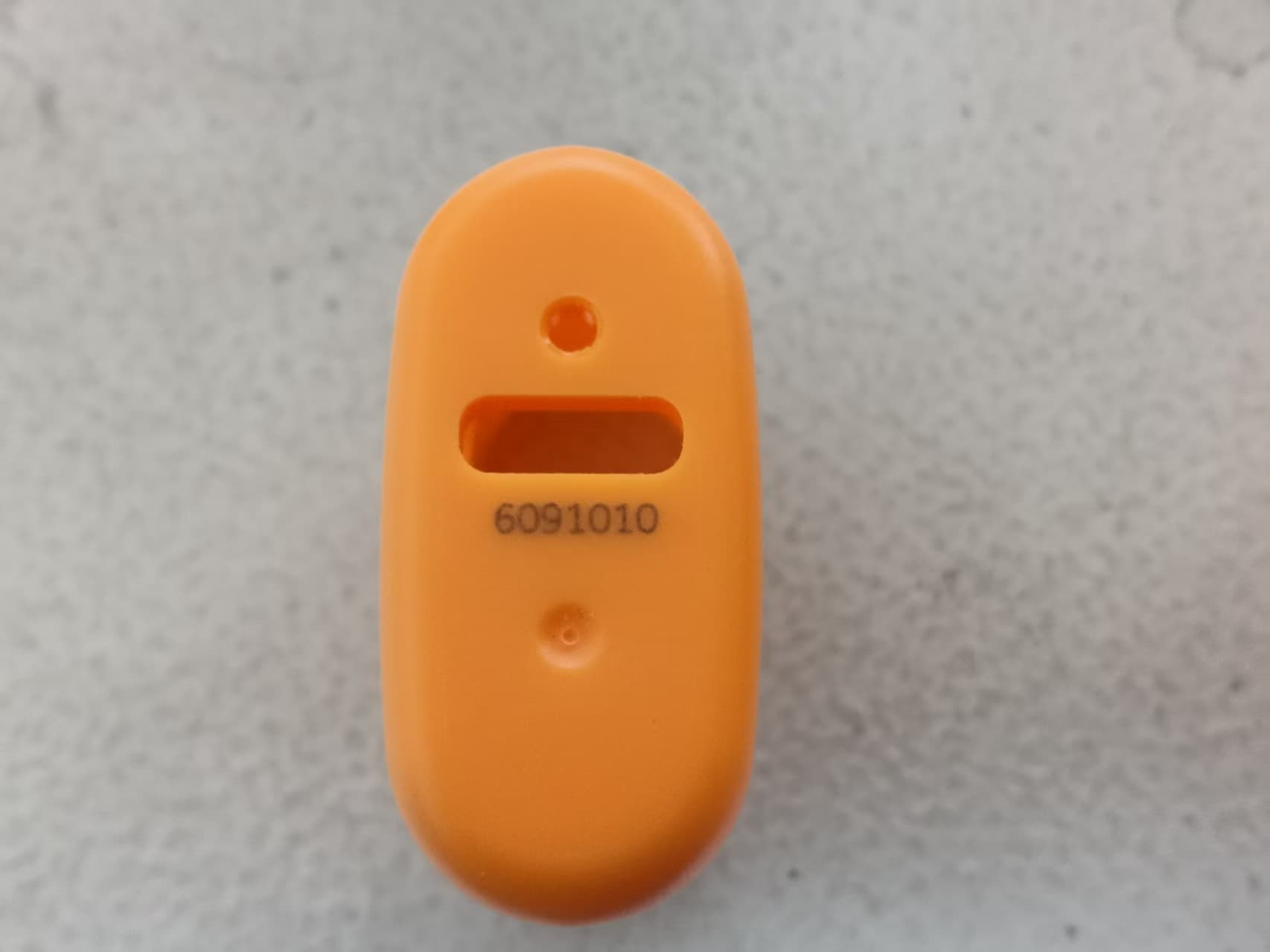
Define who creates identifiers, who applies them, and who confirms that each mark is associated with the correct unit or lot. Record hardware supplier lot, hardware revision, filling batch, finished-product lot, packaging revision, and release status according to the brand's traceability requirements.
Test the mapping through production. Rework, label replacement, rejected units, and mixed lots need explicit handling rules. Retire identifiers that should no longer validate. Do not allow a rejected or duplicate mark to return to inventory without a controlled decision.
Design verification around the physical product
GS1's digital-signatures standard explains that even a serialized barcode or signed-data link can be copied. It discusses combining digitally signed data with physical security markings and examining conflicting observations. Use that distinction when evaluating a vendor's claim that scanning a code proves authenticity.
Ask which physical feature the system checks, how that feature relates to the unit record, and what happens if a genuine code appears on multiple objects. Have the security reviewer evaluate the complete workflow, including identifier creation, marking, verification, account access, and incident handling.
Make the verification page clear
Use a brand-controlled destination that the customer can recognize and that your team can maintain. If a resolver or service provider sits between the code and the page, document domain ownership, access, service terms, and what happens if the provider changes.
GS1 Digital Link connects identifiers with online resources. Selecting such a link structure does not replace the authentication design, production mapping, or maintenance plan.
Define useful outcomes: recognized and consistent with the record, not recognized, inactive, or needing investigation. Explain the appropriate next action without exposing private production or customer information. Avoid an unconditional “safe product” result when the system has only checked an identifier.
Plan the response to a suspicious result
Assign an owner for reports from retailers, consumers, and distribution partners. Preserve the code, photographs, packaging, purchase-channel details, relevant dates, and the record version used for verification. Ask for only the information needed to investigate.
Separate a broken label, damaged mark, stale record, or service outage from a confirmed counterfeit finding. A scan anomaly is a signal for investigation. Have the responsible quality, legal, and security personnel determine the disposition and any communication to affected parties.
Test the program before release
- Verify genuine units across the approved production and packaging configurations.
- Check duplicate, retired, unknown, and incorrectly mapped identifiers.
- Review the behavior when a mark is damaged or the service is unavailable.
- Confirm that authorized users can correct records without losing the audit history.
- Test the retail and consumer instructions with the intended audience.
- Review vendor exit arrangements and continued control of the verification destination.
- Retain the test plan, results, unresolved risks, and release decision.
Measure the program against a defined objective, such as improved lot identification or a more reliable process for investigating suspicious units. Do not promise elimination of counterfeiting or infer that a successful scan verifies formulation, compliance, or laboratory performance.
Specify the program before ordering hardware
Use the hardware RFQ to explain the marking, drawing, lot-control, and evidence requirements. Confirm which hardware customization and marking options are available for the quoted Finished Goods configuration. Do not assume serialization services, authentication technology, or exclusive tooling are included until the responsible supplier and service provider confirm the scope in writing.
The strongest purchasing decision connects the approved physical build, accurate records, a tested verification workflow, and a named incident owner. A code or custom mold contributes to that system only when its role and limits are explicit.