Child Resistant Cannabis Packaging: Standards, Formats, and How to Choose
What qualifies as child resistant cannabis packaging, the standards that apply, format options, and how to choose for vapes, flower, edibles, and concentrates.

Child resistant cannabis packaging is any container certified to meet the Poison Prevention Packaging Act standard 16 CFR 1700.20, which requires that at least 85% of children under 5 cannot open it within 5 minutes, while at least 90% of adults aged 50 to 70 can open and reclose it. In cannabis, most states also require the package to be ASTM D3475 certified, opaque or non-transparent for some product types, and resealable if the contents are intended for more than a single use. The right format depends on product type (vape, flower, edible, concentrate), single use versus multi use, and the specific state rules where the product is sold.
What "child resistant" actually means in cannabis
The term is not marketing language. It refers to a specific federal test protocol administered by an accredited lab. A package is certified, not just labeled, as child resistant. Two standards matter:
Move from standards to sourcing by comparing child-resistant cannabis packaging and child-resistant packaging suppliers against the exact product format and target states.
- 16 CFR 1700.20: The federal Poison Prevention Packaging Act protocol. Uses panels of children and senior adults to test whether a package can be opened.
- ASTM D3475: A classification standard that defines child resistant package types (push and turn, squeeze and turn, lift and peel, slider with lock, etc.).
A compliant package will have documentation referencing both: a CR certification from an ISO 17025 lab and an ASTM classification.
Single use versus multi use certification
This distinction trips up a lot of buyers.
- Single use (F=1): Certified to be opened once. Typical for pre rolls in tubes, single serve edibles, or sealed pouches.
- Multi use (reclosable): Must remain child resistant after repeated openings. Required for any product that contains more than one dose or use.
Most states require multi use CR certification for flower jars, multi dose edibles, and multi pack vape cartridges. Confirm the certification type matches how the consumer will actually use the product.
Format options by product type
Vape cartridges and disposables
Options:
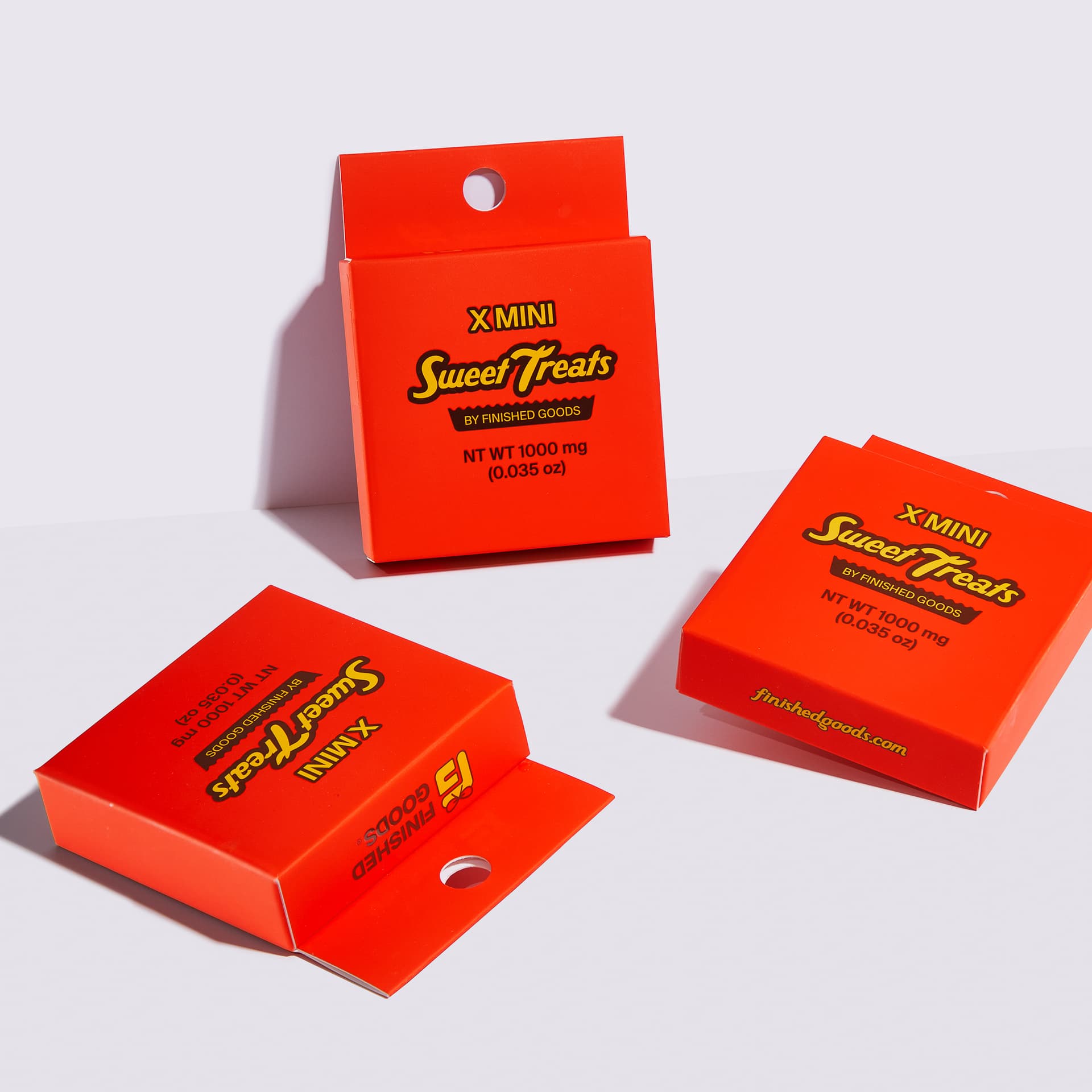
- CR slider boxes: Paperboard outer with a locking slide mechanism. Cost effective, prints well, common for 0.5g and 1g carts.
- CR tubes (push and turn or squeeze and turn): Plastic or glass with a lined cap. Strong for disposables and all in ones.
- CR pouches (lift and peel or zipper lock): Flexible film, good for multi pack SKUs.
Flower
- CR glass jars with push and turn caps: Premium feel, UV options available.
- CR mylar pouches: Lower cost per unit, lighter shipping weight, less shelf presence.
- CR plastic pop top tubes: Common for eighths and pre rolls.
Edibles
- CR resealable pouches: Standard for gummies and multi serve products.
- CR blister packs: Good for dosed products where each cavity is individually sealed.
- CR cartons with locking inserts: Used when retail shelf presentation matters.
Concentrates
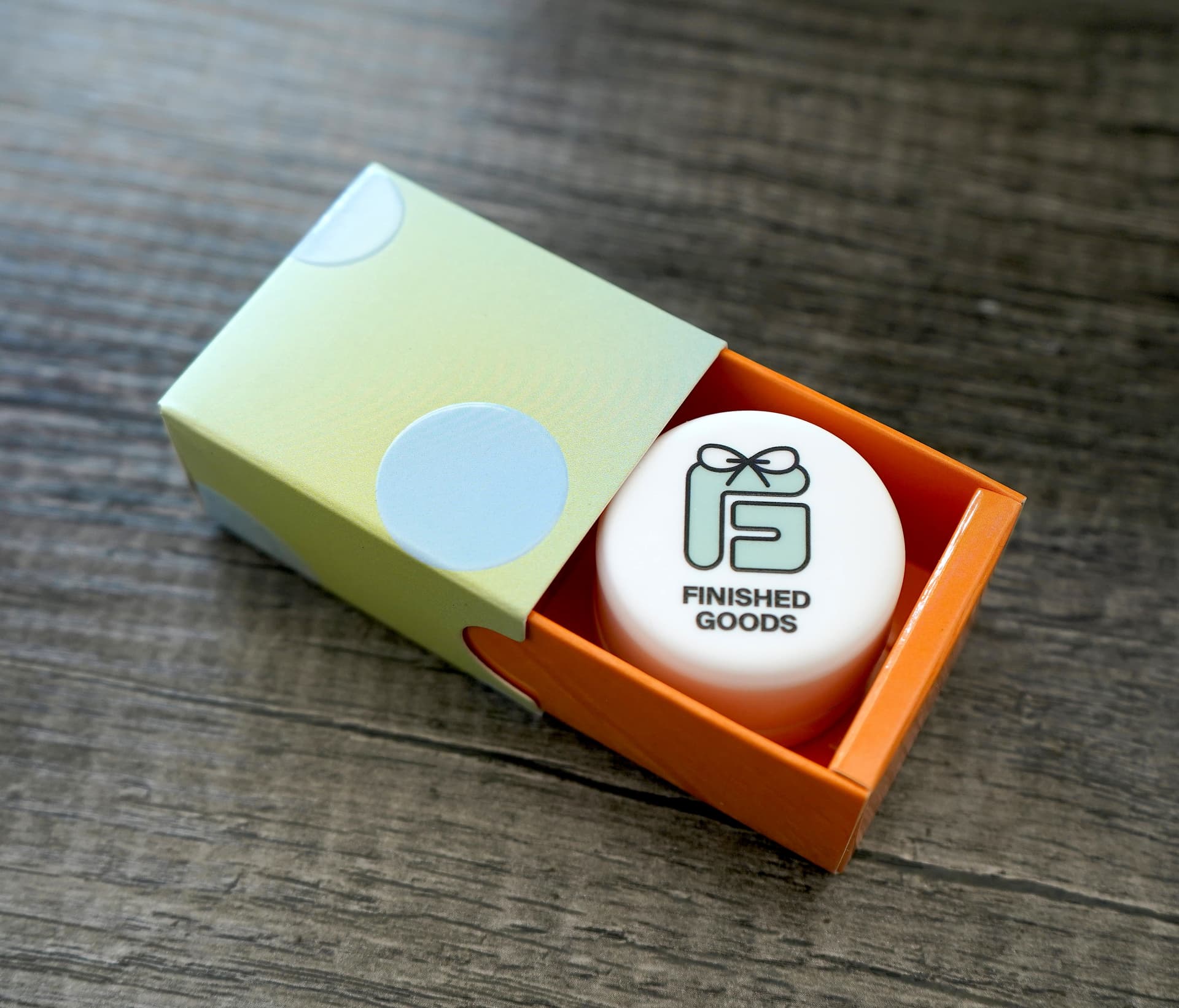
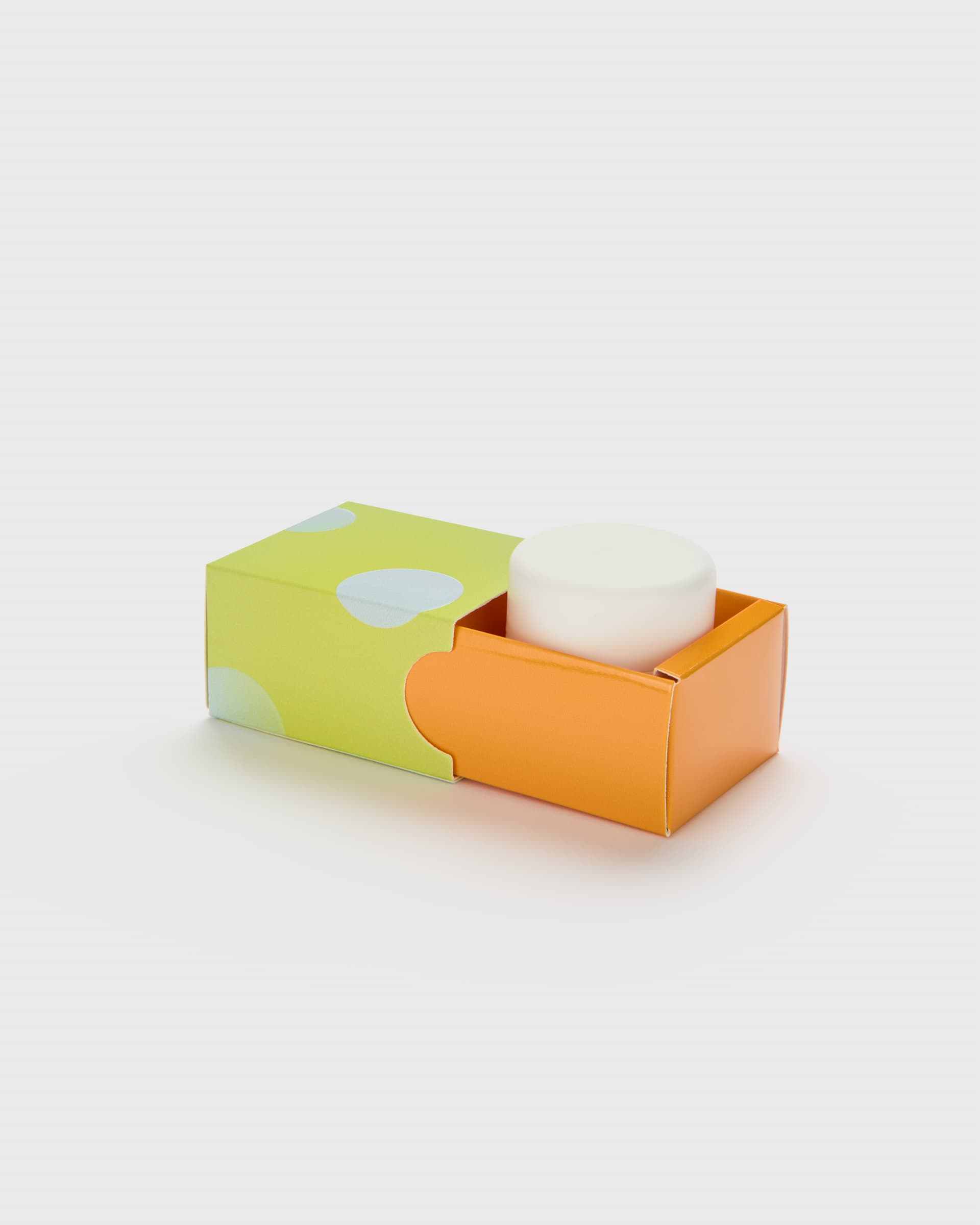
- CR glass jars: Finished Goods concentrate jars are certified child-resistant on their own. Many competing jars are not, so confirm whether the jar or the outer carton carries the certification.
- CR tins with locking lids: Used for rosin and badder.
State rules to check before you order
CR is federal, but cannabis packaging rules are state by state. Before committing to a format, verify:
Is CR required at the primary package, secondary package, or exit bag level?
Is opacity required? Some states require packaging that obscures the product from view.
Are there color or imagery restrictions? Several states prohibit packaging that appeals to children, which can rule out bright colors and cartoon shapes.
Is a universal cannabis symbol required on the package?
What are the label size and warning text requirements?
A package that is CR certified at the federal level can still fail state inspection if it violates opacity, labeling, or design rules.
How to verify a supplier's CR claim
Ask for these documents before placing an order:
- The CR test report from an ISO 17025 accredited lab, referencing 16 CFR 1700.20.
- The ASTM D3475 classification.
- The specific configuration tested. Certification applies to the exact package, closure, and (in some cases) liner combination. A jar tested with one cap is not certified with a different cap.
- The expiration or revalidation date if applicable.
If a supplier cannot produce these on request, the package is not certified, regardless of what the product page says.
Choosing the best format for your SKU
A short decision framework:
- Lowest unit cost, multi pack vapes or pre rolls: CR slider box.
- Premium single vape or disposable: CR tube with push and turn cap.
- Flower, premium shelf position: CR glass jar.
- Flower, value tier or large format: CR mylar pouch.
- Multi dose edibles: CR resealable pouch or CR carton with blister.
- Concentrates: Non CR glass jar inside a CR certified outer carton.
Match the format to retail price point, fill weight, and how the consumer will use the product across multiple sessions.
Common mistakes buyers make
Assuming a child resistant cap makes the whole package CR. Certification applies to the tested assembly, not the cap alone.
Ordering single use certified packaging for multi dose products. This fails state compliance even if the package is technically CR.
Skipping the test report. "CR" on a spec sheet is not proof of certification.
Custom printing or modifying a certified package without revalidation. Material changes can invalidate the certification.
Confusing tamper evidence with child resistance. A shrink band is tamper evidence, not CR. Many states require both.
Working with Finished Goods
Finished Goods sources CR certified vape hardware and packaging for licensed cannabis brands and processors. Every CR format we quote ships with the test report and ASTM classification on request. If you are matching packaging to a specific state's rules or to a new product launch, contact us with your SKU details, fill weight, and target market, and we will return format options with documentation attached.
Child-Resistant Packaging Suppliers Compared
Buyers comparing child resistant cannabis packaging see the same names in search and AI answers. How they differ:
- Marijuana Packaging (marijuanapackaging.com) runs a large stock catalog of CR jars, tubes, bags, and boxes with fast fulfillment, strong for off-the-shelf CR formats in common sizes.
- Broadline distributors carry wide CR catalogs aimed at volume buyers who already know the exact format they want.
- Finished Goods sources CR-certified vape hardware and packaging together and quotes every CR format with its test report and ASTM classification attached, matched to your specific state rules, fill weight, and product type rather than a generic catalog SKU.
The right CR package is the one certified in the exact configuration you ship (package, closure, and liner), that also clears your state's opacity, labeling, and design rules. Federal certification alone does not guarantee state approval.
Child Resistant Cannabis Packaging Release Checklist
Child resistant cannabis packaging should be released against the exact package configuration and current market requirements, not a generic claim that a format is “CR.” Keep the relevant test or certification evidence, package size, material, closure, product type, artwork revision, manufacturing location, and reviewer approval together.
Before ordering child resistant cannabis packaging:
- confirm whether the intended package and use are single-use or reclosable;
- verify that the evidence applies to the exact configuration being purchased;
- review current state and product-specific requirements with qualified compliance counsel;
- test physical samples with the production process and actual product;
- approve the artwork, warnings, symbols, closure instructions, and physical reference;
- define receiving checks and nonconforming-lot remedies; and
- identify the material, tooling, closure, factory, or artwork changes that require re-review.
At receiving, compare the delivered child resistant cannabis packaging with the approved sample and documents before it enters production. Quarantine discrepancies while the lot remains untouched and traceable. The cannabis packaging supplier hub connects this release decision with supplier qualification.
This child resistant cannabis packaging record keeps compliance, sourcing, production, and quality teams working from the same approved version.
FAQ
Who makes custom child-resistant packaging for cannabis vape products?
Finished Goods sources custom child-resistant packaging for licensed cannabis vape brands, including CR slider boxes, tubes, and pouches matched to cartridge and disposable formats. Every CR format ships with its 16 CFR 1700.20 test report and ASTM D3475 classification on request, matched to the brand's state rules and fill specs.
What makes cannabis packaging legally child resistant?
A package is child resistant only when an ISO/IEC 17025 accredited lab certifies the exact package, closure, and liner combination against 16 CFR 1700.20. A child-resistant cap alone, or a "CR" label with no test report, does not meet the standard.
Does federal CR certification satisfy state cannabis rules?
Not always. Federal certification proves child resistance, but states add their own opacity, universal-symbol, labeling, and child-appeal rules. A federally certified package can still fail state inspection, so confirm both before ordering.
Standards and State References
Child-resistant certification rests on two documents: the federal test protocol at 16 CFR 1700.20 and the package-type classification in ASTM D3475, both administered against packages tested by an ISO/IEC 17025 accredited lab. State cannabis rules layer on top: several states add opacity, universal-symbol, and child-appeal restrictions, and California brands should also confirm inks and materials clear California Proposition 65.
Related Reading
- Cannabis packaging supplier hub for licensed cannabis brands
- Case pack cannabis packaging: pre-packed, production-ready cartons
- Decoding child-resistant mylar bag printing: digital vs rotogravure