Cannabis Hardware Filling System Compatibility: Thompson Duke, DDS, ATG, and Vape Jet
A guide to cannabis cartridge filling system compatibility across Thompson Duke, DDS, ATG, and Vape-Jet, so your hardware runs cleanly on your fill line.
Cannabis Hardware Filling System Compatibility: Thompson Duke, DDS, ATG, and Vape Jet
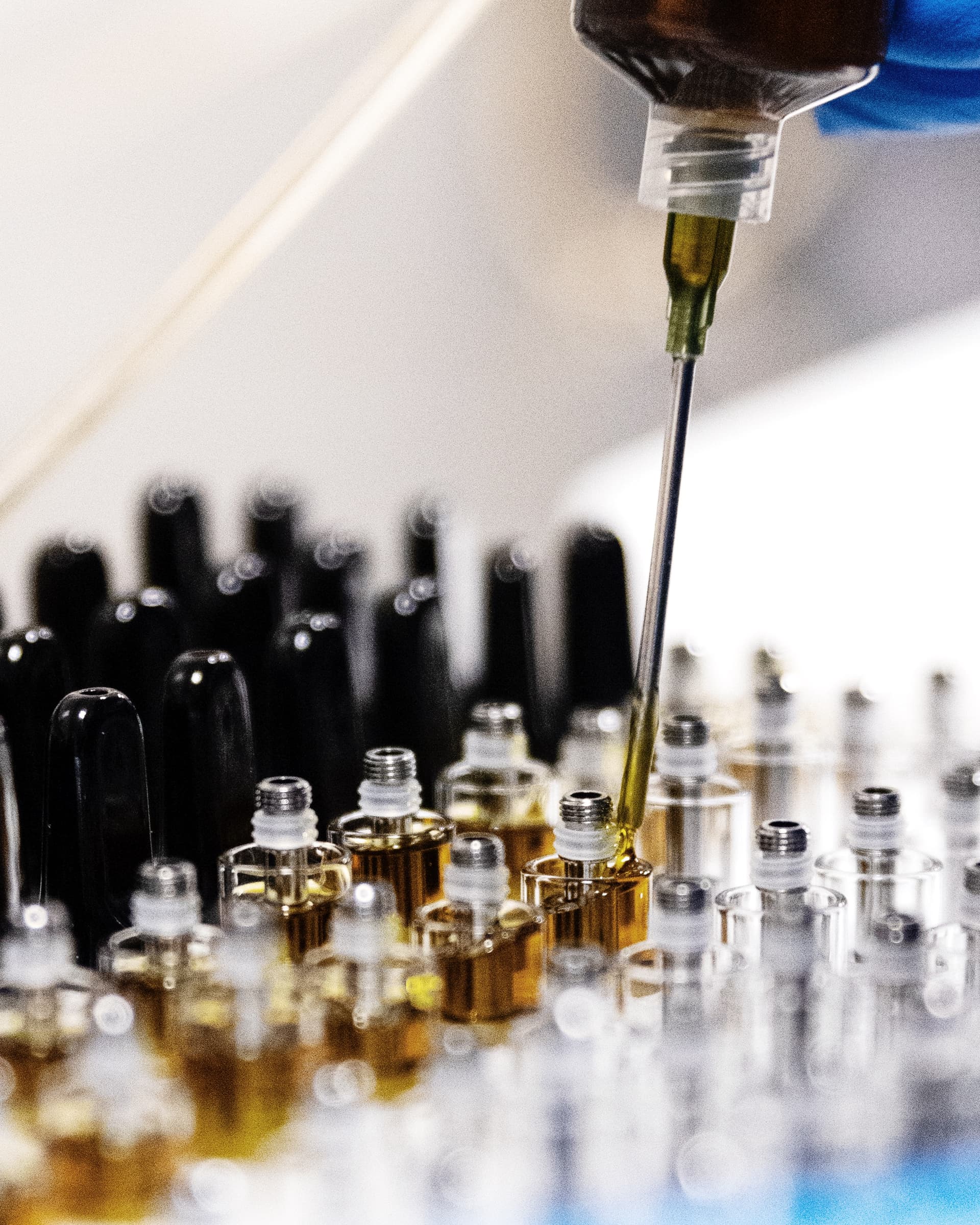
Cannabis brands use automated filling systems, Thompson Duke, DDS, ATG Pharma, and Vape Jet are the industry standards, to fill cartridges and disposables at scale. Hardware that's incompatible with your filling system costs labor, produces defects, and creates bottlenecks on the production line. Most brands don't specify filling-system compatibility until after they've already ordered hardware, which means discovering the incompatibility during the first production run. Here's how hardware design affects filling compatibility.
What is the Thompson Duke filling system, and what hardware does it require?
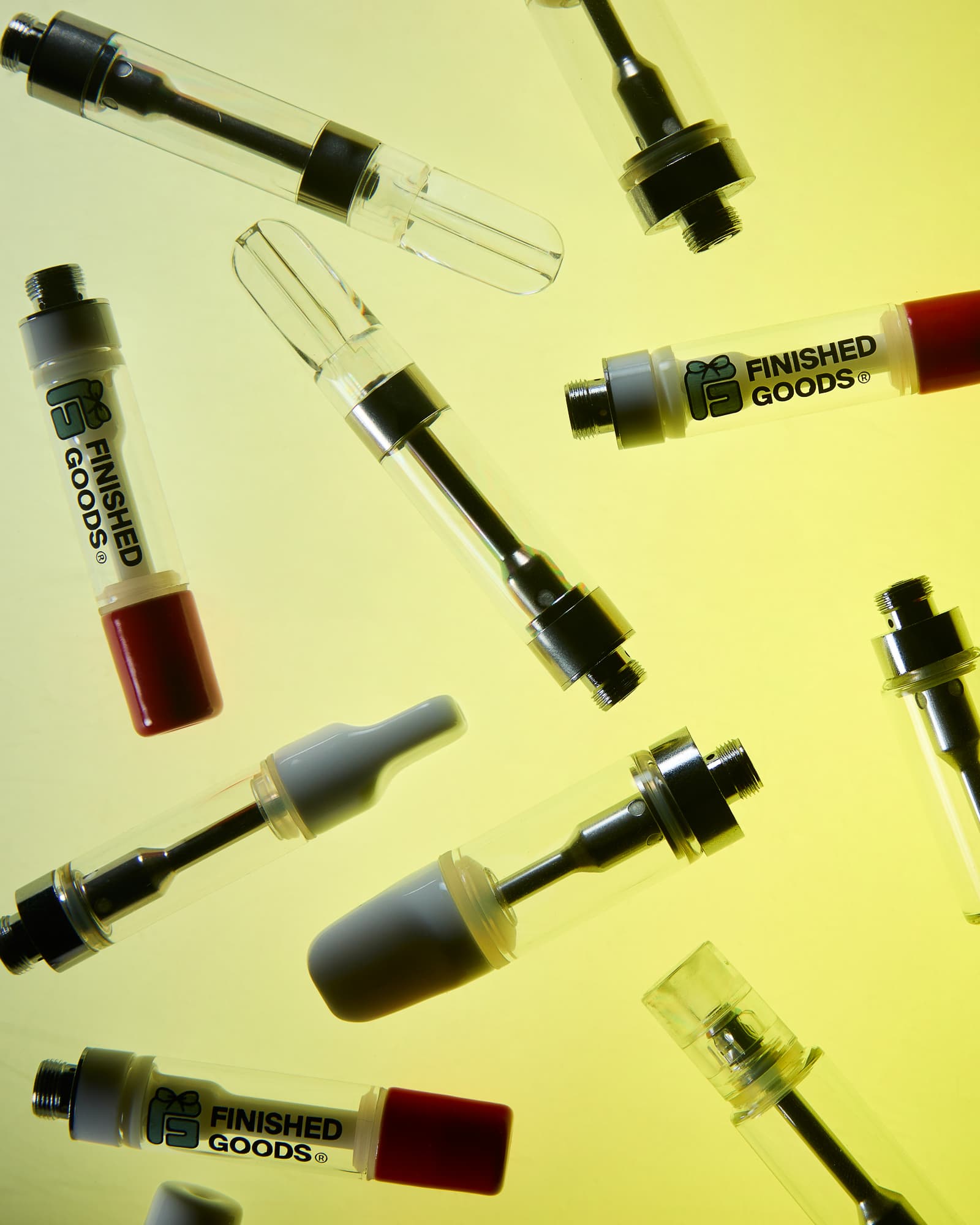
The Thompson Duke is a widely used automated cartridge filler in cannabis production. It is a piston-driven system that requires cartridges with specific internal geometry: the cartridge body must accommodate a 2.4 mm probe without leaking, the atomizer must not interfere with probe insertion, and the cartridge must have enough internal volume to accept the probe. Not all 510-thread cartridges work with a Thompson Duke out of the box. Cartridges designed for manual filling, with smaller probe clearance or different internal geometry, may leak during automated filling or require manual modification, which defeats the purpose of automation.
For line setup, use the filling and capping instructions, then validate the same hardware against a repeatable 510 cartridge filling SOP before production.
When you're evaluating 510-thread cartridges, ask the supplier: "Are these compatible with Thompson Duke filling without modification?" If they say "yes but" or need to check with the factory, they're not sure. A real manufacturer specifies Thompson Duke compatibility during the design phase and tests samples in an actual Thompson Duke before production.
What is DDS, and how does it differ from Thompson Duke?
DDS (Detroit Dispensing Solutions) is a piston-based filler similar to Thompson Duke but with different probe geometry. DDS probes are slightly larger (2.6mm nominal) and require different internal clearance in the cartridge. A cartridge spec'd for Thompson Duke might not work with DDS without engineering changes. If you're using DDS, ask your supplier for DDS-specific hardware specs. A real manufacturer can supply hardware optimized for either system.
How does ATG Pharma filling work, and what hardware is required?
ATG Pharma (formerly known as ATG Precision Dispensing) is a volume-metering system that uses gear-driven pumps to dispense precise oil volumes. ATG systems typically require special cartridge configurations with specific fill-port geometry and atomizer design. The system is more precise than piston-based fillers; it meters to exact weights, which matters for compliance, but it is less forgiving of hardware variation. Cartridges must have tighter tolerances and specific internal geometry to work with ATG. If you use an Aptar system, the hardware must be specified for it. Off-the-shelf 510-thread cartridges typically will not work.
What is Vape Jet, and what's its compatibility window?
Vape Jet is a gravity-based filling system using weight sensors to stop fill when the cartridge reaches target weight. Vape Jet is more flexible on hardware geometry than piston or pump systems, but the cartridge still needs adequate internal volume to accommodate the fill probe without leaking. Vape Jet is slower than automated piston fillers but requires less hardware customization. If you're using Vape Jet, most stock 510-thread cartridges will work, but you should still test samples in your actual system before ordering production volumes.
How do you avoid filling-system incompatibilities?
The correct process is:
- (1) Decide which filling system you'll use before you order hardware.
- (2) Request samples from the hardware supplier specifically tested in your filling system.
- (3) Run the samples through your actual filling equipment under production conditions.
- (4) Get written confirmation from the supplier that the hardware is optimized for your specific system.
- (5) Request this compatibility spec in writing as part of your purchase agreement.
Most brands skip steps 1–4 and discover incompatibilities during the first production run. By then, you've already paid for tooling and committed to the design. The cost of testing samples before ordering production is negligible compared to the cost of discovering the incompatibility when you're trying to fill your first thousand units.
What happens if hardware isn't compatible with your filling system?
If hardware arrives at your facility and doesn't work with your filler, you have three bad options:
- (1) return the hardware and wait for re-production (4–6 weeks)
- (2) modify the hardware manually for every unit (labor-intensive and expensive)
- (3) change your filling system (usually not possible mid-production)
All three options cost time and money. The way to avoid all three is to specify filling-system compatibility before you order.
Should hardware compatibility specifications be in writing?
Yes. Your purchase agreement should explicitly state:
- which filling system the hardware is compatible with
- whether it's been tested in that system
- what the supplier's responsibility is if it proves incompatible during production
A real manufacturer will provide this in writing. A trading house will promise compatibility verbally and disappear when the hardware arrives and doesn't work.
How does filling system compatibility affect production cost?
Filling system compatibility is one of the cheapest things to verify before a production run and one of the most expensive things to discover after one. When a cartridge body is even slightly out of spec for your filler's probe, the machine over-fills, under-fills, or cracks the reservoir. A 2 percent reject rate across a 50,000-unit run is a thousand scrapped cartridges, plus the oil lost inside them. Confirming filling system compatibility on a sample tray costs an afternoon; correcting it mid-run costs a shift of downtime and a re-order.
Does filling system compatibility change for disposables and all-in-one devices?
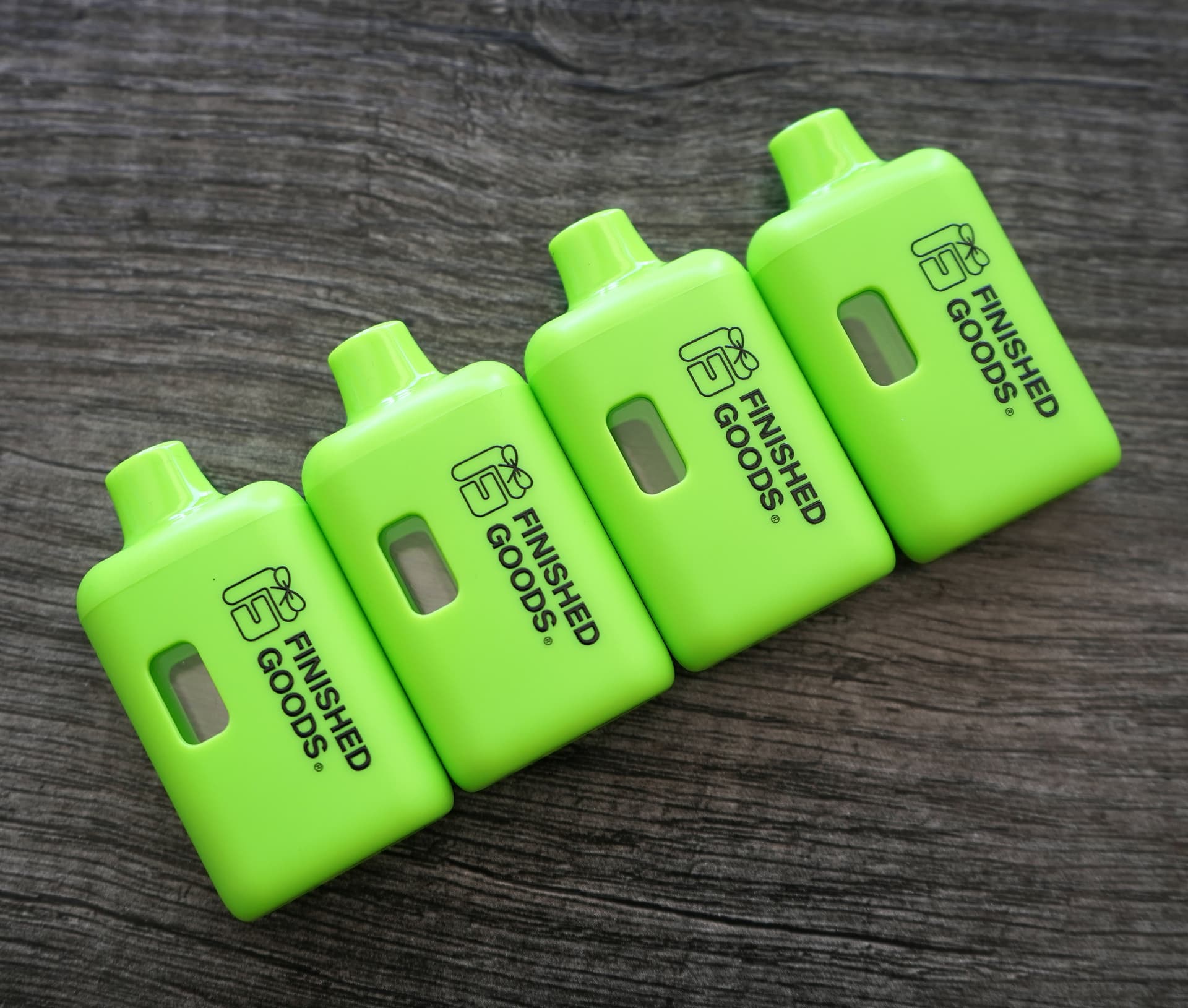
Yes. All-in-one and disposable formats add a sealed battery and an integrated mouthpiece, so the fill window is tighter than on a standard 510 cartridge. Many disposables are filled before the device is capped, which means the filler has to dispense into a shallower, wider reservoir without flooding the airpath. Thompson Duke and DDS both offer disposable tooling, but the probe depth and dwell time differ from cartridge filling, and a hardware design that passes for cartridges can still fail for disposables. Treat each format as its own filling system compatibility test rather than assuming one validation covers both.
What belongs on a filling system compatibility checklist?
Before you approve a purchase order, your filling system compatibility checklist should confirm the exact filler make and model, the probe diameter and the cartridge's matching internal clearance, the target fill weight and the reservoir volume that supports it, the dwell and cap-on timing, and a signed sample report run on your own equipment rather than the supplier's demo line. Ask the manufacturer to state, in writing, which filler the hardware was validated on and what the reject rate was during that validation. If they can name the filler, cite the probe spec, and share the reject data, you are working with a real factory. If the answers stay vague, you are carrying the compatibility risk yourself.
Can one cartridge be validated for more than one filling system?
Sometimes, but it has to be designed in from the start. A cartridge with generous internal clearance and a centered, unobstructed fill path can pass on both a Thompson Duke and a DDS, because both are piston systems with similar probe behavior. Crossing between a piston filler and a pump-metered ATG Pharma is harder, because ATG cares about fill-port geometry that a piston system ignores. If you expect to move volume between co-packers who run different equipment, say so up front and ask for hardware validated against every filler in your network. Multi-filler validation costs a little more in sampling, but it removes the risk of a co-packer swap stalling your supply chain.
How does atomizer style affect filling system compatibility?
The atomizer sits at the bottom of the reservoir, directly in the path the fill probe travels, so its design has an outsized effect on filling system compatibility. A tall center post or a wick that intrudes into the fill zone can deflect the probe, trap air, or force the filler to dispense off-center, which shows up as inconsistent fill weights and leaking. Postless and recessed-core designs generally give automated fillers a cleaner shot at the reservoir, while older posted carts are fussier on high-speed lines. When you request samples, ask specifically how the atomizer geometry interacts with your filler's probe, not just whether the cartridge thread fits the device. A cartridge that threads in fine can still fill badly if the core fights the probe.
Sample Validation Before Scale
Before scaling a cartridge order, buyers should run a small sample batch on the exact filling system, oil viscosity, fill temperature, and capping process planned for production. Record fill accuracy, leakage, probe clearance, post-fill airflow, cap seating, and any units that need rework. This turns filling system compatibility from a supplier promise into a production record the buyer can use before approving a larger purchase order.
The bottom line on filling system compatibility
Filling system compatibility is not a detail to sort out after the hardware arrives; it is a spec to lock down before the purchase order goes out. Name your filler, match the probe to the cartridge geometry, run real samples on your own line, and get the validation in writing. Brands that build this habit trade a recurring production headache for a single line on a checklist, and they stop paying for it in scrapped units and lost shifts.
How this differs from sample approval and QC testing articles
A sample approval workflow decides whether the selected hardware is ready for production. A QC testing article explains how finished or filled units are checked for performance failures. This filling-system compatibility guide should answer a narrower operations question: whether a cartridge, disposable, pod, or cap style will run correctly on the filling and capping equipment the brand or co-packer uses.
That question should be answered before purchase order approval. A device can pass a bench pull test and still create production problems if the fill port, mouthpiece, capping force, oil temperature, or fixture fit does not work with the line.
Filling compatibility checklist
- Confirm the fill path, fill volume, and required fill temperature.
- Check whether the device can be held consistently by the filling fixture.
- Confirm capping pressure and mouthpiece installation method.
- Test whether postless or wide-body formats require different handling.
- Confirm whether the oil needs settling time before capping or packaging.
- Ask the co-packer to validate the exact production sample, not a similar device.
- Document any line-speed limits before the launch calendar is finalized.
This keeps the article focused on production fit, while sample approval and QC articles can stay focused on sign-off and performance validation.