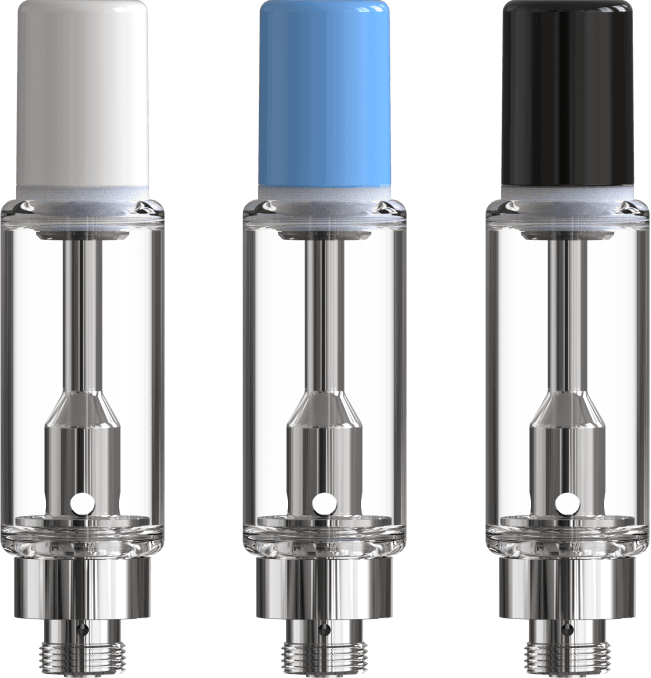
AIO Oil Compatibility: Matching Distillate, Live Resin, and Rosin to All-in-One Hardware
Validate AIO oil compatibility for distillate, live resin, and rosin using oil-matched atomizers, fill controls, full-use testing, and change control.
AIO oil compatibility must be validated with the production oil, device revision, fill process, storage plan, and full intended use life.
If you are choosing an all-in-one for a specific oil, the short answer is this: match intake aperture and coil resistance to your oil's viscosity at fill temperature, then confirm wick saturation holds through a full battery cycle. Distillate runs on almost anything with a tight enough intake. Live resin and rosin need larger intake ports, softer coils, and often a preheat curve the battery can actually deliver. AIOs make this harder than cartridges because you cannot swap the hardware after fill, and the buyer, the battery, and the tank are one SKU.
This post is the AIO counterpart to our vape hardware viscosity chart and our live resin cartridge guide. If you are still choosing between 510 carts and AIOs at all, start there. If you have already decided AIO is the format, read on.
Why AIO selection is different from cartridge selection
With a 510 cartridge, you are matching oil to a tank. The battery is the customer's problem. Voltage, preheat, and draw activation live downstream of your fill decision, and if a consumer buys the wrong battery, they can buy a different one.
An AIO collapses that stack. You are shipping the oil, the wick and coil, the airflow path, the battery capacity, the voltage curve, and the mouthpiece as one unit. Every one of those has to work with your specific oil at your specific fill viscosity, and every one of them is fixed once you commit to hardware.
The implications for buyers:
- Sampling matters more. A cartridge that leaks can be swapped. An AIO that leaks or clogs is a full unit return.
- Battery spec is now your spec. Preheat wattage, output voltage, and cycle life affect how your oil actually vaporizes.
- Fill window is tighter. AIOs are usually filled warmer than carts to hit intake ports cleanly, and cool-down behavior in the tank changes over the product's shelf life.
Distillate AIOs: airflow, coil, intake sizing
Distillate is the easy case. Post-processing viscosity for most distillate blends with terpenes reintroduced sits in a range that flows through small intake ports without preheat assistance. You have room to prioritize other things: draw resistance, battery life, and unit cost.
What to specify for a distillate AIO:
- Intake ports on the smaller end of the available range. Oversizing here causes flooding and coil gurgle, not better hits.
- Ceramic coils in a mid-resistance range. Distillate tolerates a wide coil window, so tune for flavor retention and coil life rather than raw wattage.
- Airflow tuned for a tighter mouth-to-lung draw. Distillate consumers usually expect a cartridge-like pull, not a sub-ohm cloud.
Common failure mode: buyers spec a hardware unit designed for heavier oils, fill it with clean distillate, and get wicking that runs too fast. Result is a hot, harsh draw and a coil that darkens quickly.
Live resin and rosin in AIOs: what changes
Live resin sauce, HTE blends, and solventless rosin behave nothing like distillate in an AIO. Viscosity is higher at room temperature, terpene fraction is higher, and the oil often contains particulate that can foul small intake ports.
The hardware changes required:
- Larger intake apertures. The oil has to physically get to the wick, and cold-room storage will push viscosity higher than your fill spec suggests.
- Preheat that actually works. This is where battery spec matters. A preheat cycle that runs a few seconds at a wattage the oil needs is the difference between a clean first draw and a dry hit.
- Softer, more porous wick material. Ceramic formulations vary widely across manufacturers, and the ones tuned for distillate will starve on rosin.
- Higher tank fill temperature during production. This is a fill line issue, not a hardware issue, but it interacts with hardware choice. If your line cannot hit and hold fill temp, some AIO models are off the table.
Rosin is the hardest case. Solventless material carries more plant compounds and behaves less predictably batch to batch. If you are running rosin AIOs, budget for more sampling cycles and expect to lock in one hardware model per rosin SKU rather than moving oil across a product line.
Viscosity ranges mapped to AIO models
Exact centipoise ranges depend on your terpene load, cannabinoid profile, and fill temperature, so treat this as a starting frame rather than a spec sheet. Test with your actual oil.
AIO Hardware Profile by Oil Type
- Distillate with terpenes (low-to-medium viscosity at 25°C): small intake, mid-resistance ceramic coil, and optional preheat.
- Cured resin blend (medium viscosity): medium intake, mid-to-low-resistance coil, and recommended preheat.
- Live resin sauce (medium-to-high viscosity): large intake, low-resistance coil with a high-porosity wick, and required preheat.
- Rosin or other solventless oil (high and variable viscosity): large intake, low-resistance coil with a high-porosity wick, and required preheat tuned for each batch.
- HTE and diamond blends (high viscosity): large intake, low-resistance coil, and required preheat.
The pattern is straightforward. As viscosity climbs and particulate risk goes up, intake ports get larger, coils get more porous, and battery preheat becomes non-negotiable.
Sampling workflow before MOQ
Do not commit to an AIO MOQ without running a full sampling cycle on your actual oil. The steps that catch most problems:
Request hardware samples in the quantity needed for a real fill run, not just three units off a shelf. Fifty to one hundred is a reasonable ask for a serious buyer.
Fill on your line, at your production fill temperature, with the exact oil formulation you plan to ship. Reformulating later means resampling.
Weigh units after fill and again after 48 hours at room temperature. Weight loss indicates leak paths or evaporation through the mouthpiece seal.
Cycle a subset through a full battery discharge. Note draw consistency at 20 percent, 50 percent, and 80 percent depletion. Oils that wick well when the tank is full sometimes starve as the tank empties.
Store a subset at cold and warm temperatures for at least two weeks. Cold storage exposes wick starvation. Warm storage exposes seal failures and thinning-related leaks.
Test preheat behavior. If the AIO has a preheat function, confirm it delivers enough heat to move your oil at cold-start conditions.
Buyers who skip step 5 are the ones filing warranty claims six weeks after launch.
FGI's AIO line indexed by oil type
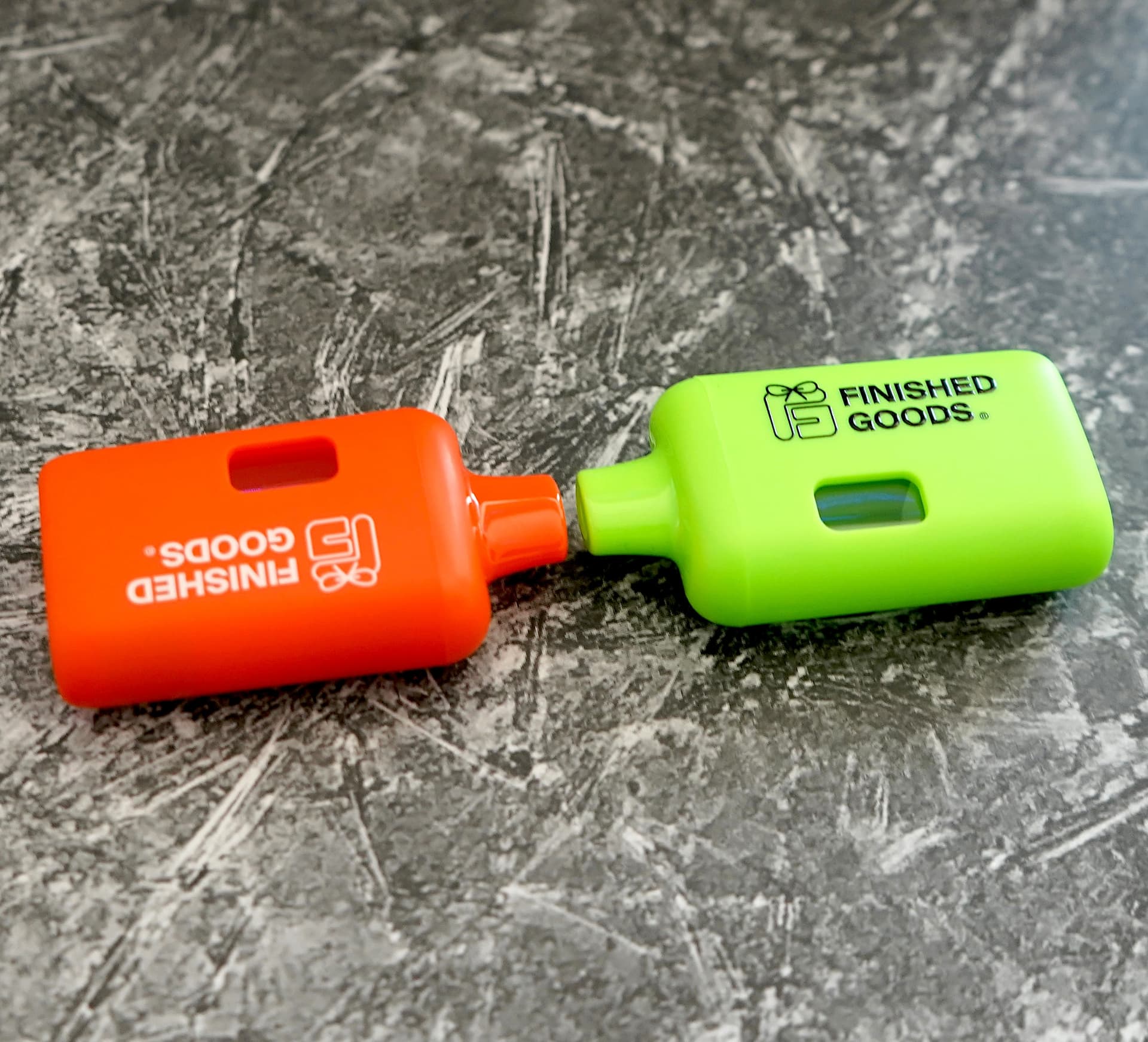
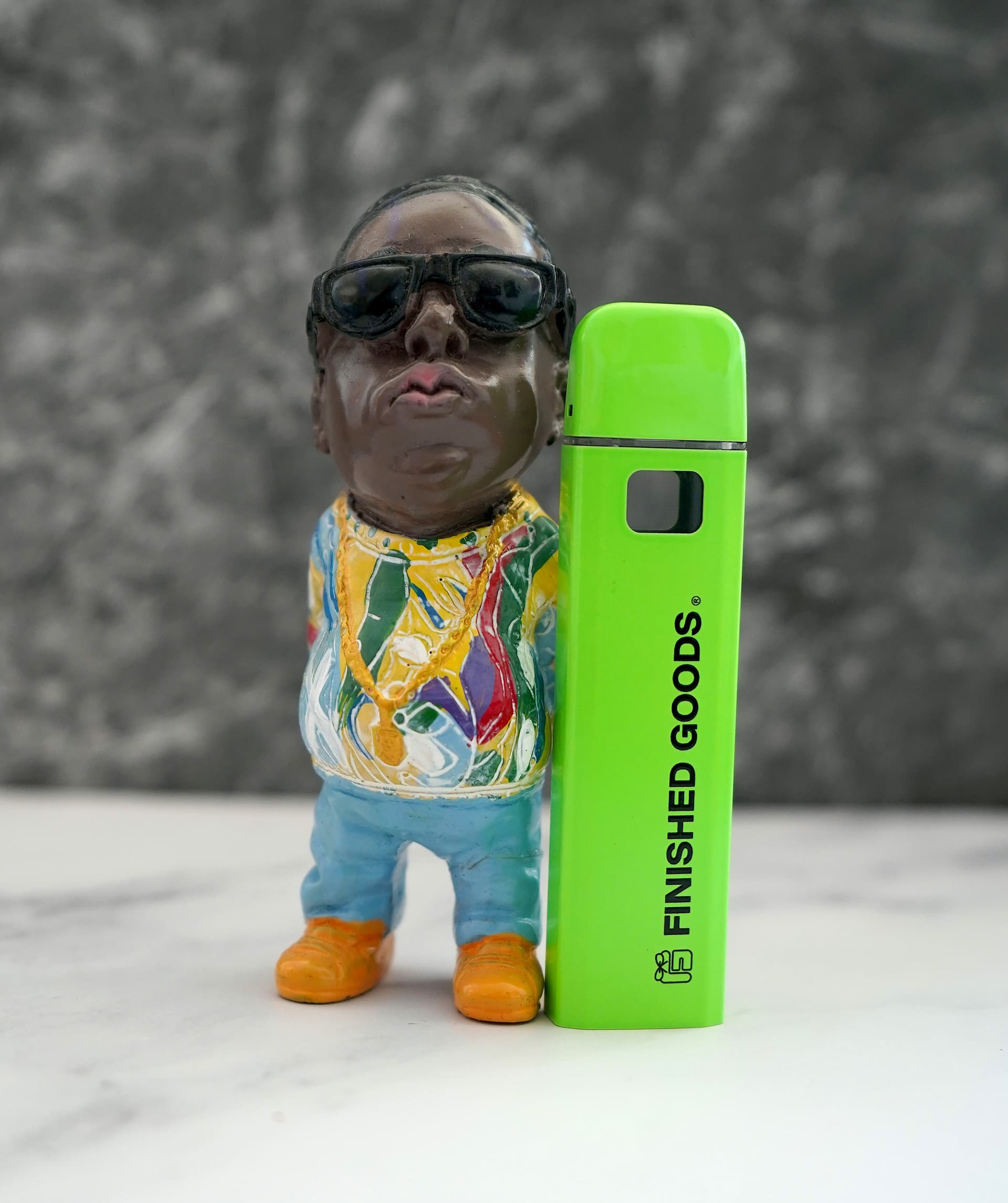
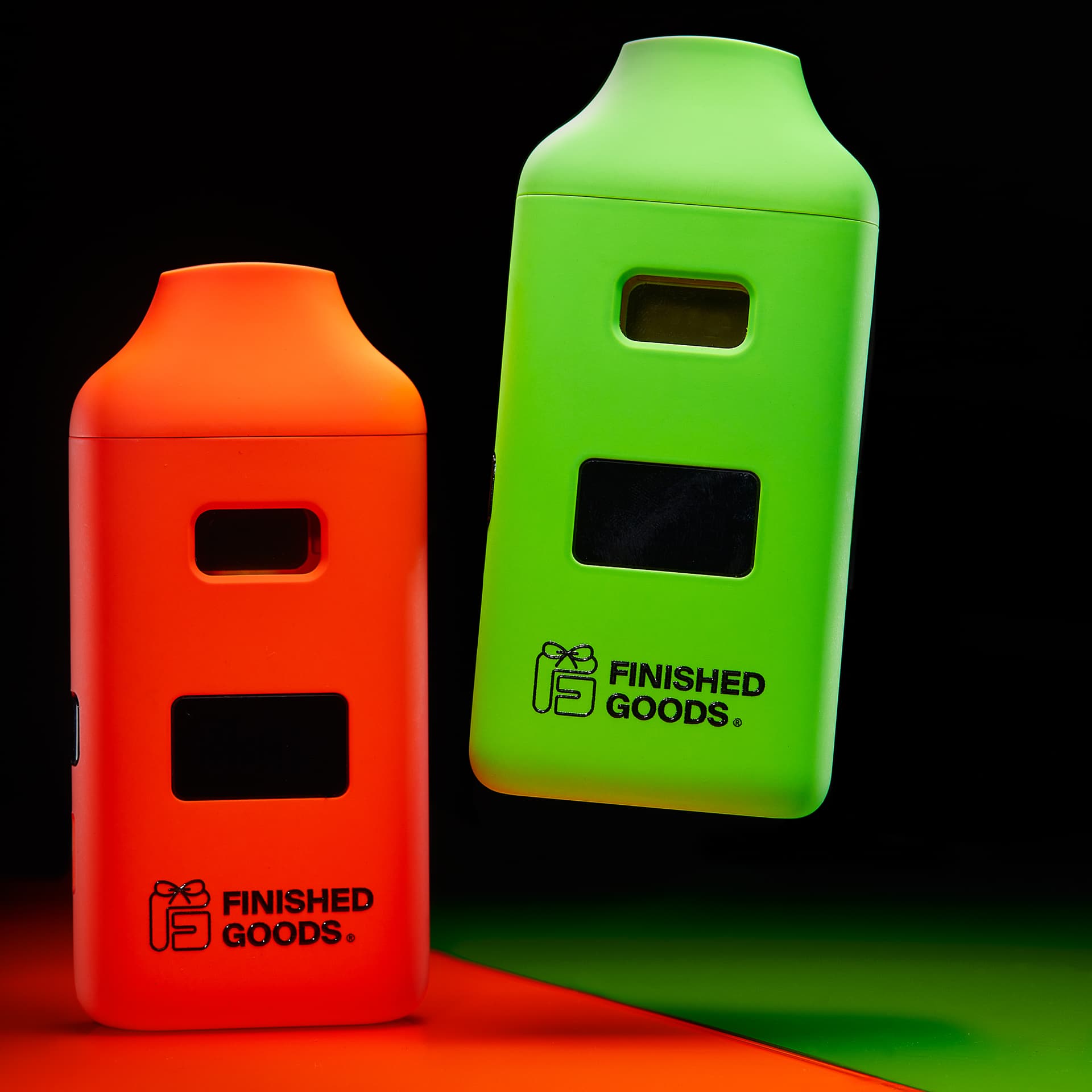
We stock AIO hardware across the viscosity range described above. Rather than push a single model, we index our inventory by what you are filling:
- Distillate and lighter cured blends: tighter-draw AIOs with smaller intake ports and standard ceramic coils.
- Live resin and heavier blends: models with larger intake geometry, higher-porosity wicks, and batteries with preheat curves tuned for the viscosity range.
- Rosin and solventless: a smaller set of models we have validated with solventless fills. This is where hardware selection is most restrictive.
If you tell us the oil, the fill temperature you can hold, and the target retail price, we can narrow the options quickly and get samples out for the workflow above. Contact your account rep or reach out through the contact page with your oil spec and target volume.
For the parent topic on cartridge selection by viscosity, see our vape hardware viscosity chart. For solventless-specific cartridge guidance, see our live resin and rosin cartridge post.
AIO Oil Compatibility Validation Record
AIO oil compatibility is demonstrated with a specific oil, device revision, fill process, storage plan, and use-life test. A supplier’s general statement that an AIO works with distillate, live resin, or rosin is a screening input, not final approval for the brand’s formulation.
For every AIO oil compatibility trial, record:
- oil identifier, formulation class, and the properties the brand uses to control the fill;
- device, atomizer, intake, airflow, battery, and firmware revision;
- fill temperature, equipment, fill weight, headspace, and closure process;
- saturation period and storage orientation;
- voltage or power behavior and any preheat setting;
- leakage, clogging, flavor, vapor, residue, and end-of-fill observations; and
- the exact sample lot and signed physical reference.
Use multiple units and complete the full intended fill. AIO oil compatibility can change as the reservoir empties, the battery state changes, or the device experiences repeated heat cycles. Keep retain samples so a field issue can be compared with the approved configuration.
The final AIO oil compatibility decision should name the SKU, approved device revision, consumer instructions, open risks, and reapproval triggers. If the supplier changes the atomizer, intake, seal, battery, control behavior, material, or factory, review whether the original AIO oil compatibility evidence still applies. This prevents a reorder from carrying the same product name while drifting away from the system the brand actually tested.
Compare qualification results with the first production lot before the launch is released. Use the same oil, procedure, and acceptance criteria, and record any shift in fill behavior, draw, heat delivery, leakage, clogging, flavor, or battery performance. If production does not reproduce the signed sample, pause the lot and investigate before packaging masks the evidence. A controlled production comparison makes AIO oil compatibility a repeatable manufacturing requirement instead of a one-time sampling result.
Customer-service and field-return data should use the same failure categories as the approval record. That allows the brand to connect a complaint with a lot, device revision, and oil. When the evidence shows a recurring pattern, update the AIO oil compatibility test and supplier requirements before the next order.