

5-Gram Disposable Vape: Configuration and Launch Guide for Brands
Evaluate a 5-gram disposable vape program using exact-device specs, production-oil samples, full-fill testing, packaging review, and current supplier quotes.
A 5-gram disposable vape program needs a defined device configuration and evidence that it works with the intended fill throughout use. The sourcing decision should address reservoir fit, atomizer and airflow behavior, battery and charging, storage, packaging, and launch economics together. Capacity alone does not establish oil compatibility, reliability, or market eligibility.
Verify the capacity of the 5-gram disposable vape
Ask for the target fill weight, usable reservoir volume, required headspace, and fill-process limits as separate specification fields. Grams describe mass; milliliters describe volume. A “5g” label does not establish a 5 mL usable fill for every formulation.
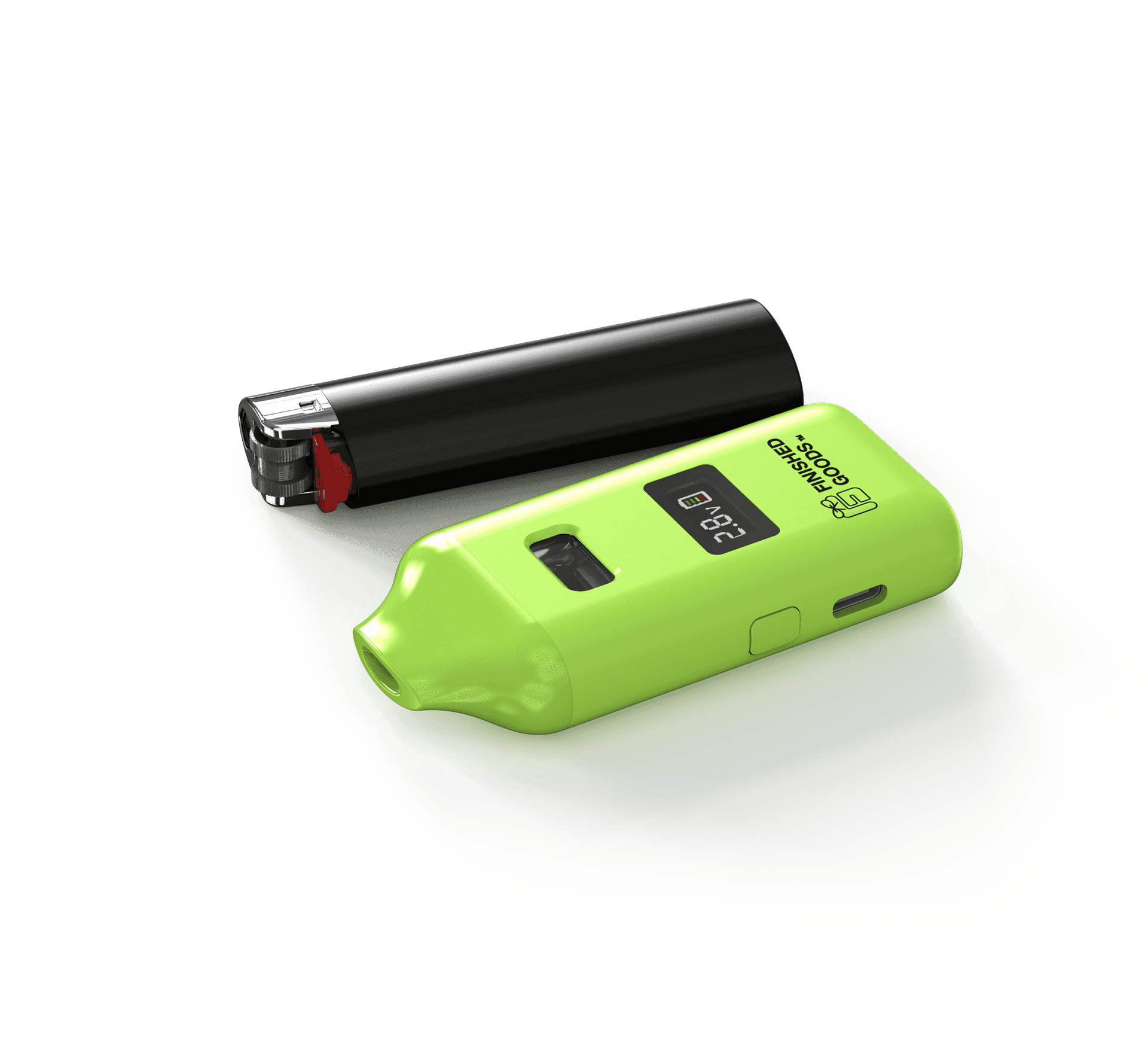
Request the controlled drawing and the exact atomizer, intake, seal, battery, control, and enclosure revisions. Do not assume that a specification or sample from a smaller version covers the proposed configuration. The Finished Goods Air product reference can start a configuration inquiry; confirm the current offered version and its supporting documents before choosing samples.
Establish the reason for the format
Use current retailer or customer evidence to decide whether a larger fill meets a real need in the intended channel. Model expected selling price, order size, sell-through, cash tied up in filled inventory, and support obligations using your own assumptions and quotes. Avoid treating the format as inherently premium, more profitable, or the largest available.
If comparing nearby capacities, review the four-gram format guide and define the specific reason to move to the proposed fill. For the broader integrated-versus-separate-battery choice, compare the exact components and retail offer. Test the actual candidate configuration rather than carrying forward a smaller model’s approval.
Evaluate performance through the intended fill
Agree on a written evaluation plan with the technical and quality owners. Identify the production-representative formulation, filling and closing process, storage conditions, use pattern, charging instructions, and acceptance criteria. Select sample quantities and observation intervals for the decision being made.
| Evaluation stage | Evidence to record | Decision it supports |
|---|---|---|
| Filled and closed sample | Configuration, formulation, fill weight, headspace, process record, and sample identifiers. | Whether the sample represents the intended production unit. |
| Storage and distribution exposure | Agreed conditions and observations of leakage, seals, activation, and package condition. | Whether additional evaluation or a design/process change is needed. |
| Use and charging | Operation, charging events, indicators, and agreed performance observations over the intended fill. | Whether the device meets the documented acceptance criteria. |
| End of fill | Remaining material, device behavior, battery condition, and unresolved observations. | Whether the full intended use has been demonstrated under the stated conditions. |
Do not turn a demonstration unit into a reliability claim. A complaint percentage needs a defined population, time window, defect definition, and collection method. Preserve the sample and lot references behind each observation, and separate a suspected cause from a confirmed investigation result.
Match the formulation to the configuration
Distillate, resin, and rosin labels do not replace a formulation-specific evaluation. Ask the reviewer to consider the actual material and its expected handling conditions. Do not infer universal compatibility, a required intake size, or a guaranteed clog outcome from the oil category or reservoir size alone.
Record whether the proposed formulation, atomizer, filling process, or storage plan changed between samples. If something changes, decide which prior results remain applicable and what must be repeated. Any advice about processing the formulation should come from the responsible technical team and its validated procedure.
Verify battery and charging claims
Ask for the cell specification, control behavior, charging requirements, instructions, and applicable supporting records for the ordered configuration. Evaluate the complete system under the agreed use conditions, including recharging where intended. Do not equate a capacity rating with a universal puff count or assume that a particular connector supports fast charging.
Request the method behind any claim about completing the fill, charge cycles, protective functions, or field returns. Ask the supplier to identify the responsible quality contact and provide the procedure, scope, and records behind any stated inspection or testing program.
Compare customization quotes for the 5-gram disposable vape
Ask for separate quotes for stock hardware with branded packaging, device decoration, and any structural or electronic changes. Each option should identify the minimum order, samples, tooling or setup, approval milestones, production, inspection, packing, freight, delivery terms, and quote validity.
Use actual packed dimensions and weights when comparing transport options. Include hardware, fill material, packaging, receiving, inspection, storage, packing labor, and expected support provisions in the program budget. Agree on the assumptions behind the forecast instead of choosing a route or customization tier from a universal quantity threshold.
Confirm the market and packaging scope
Before a launch commitment, have the qualified market reviewer confirm whether the proposed product and fill can be sold in each intended jurisdiction and what packaging, labeling, testing, and other conditions apply. Hardware capacity is not permission to sell a filled product.
Evaluate the decorated device, retail package, instructions, case pack, and shipping configuration together. Keep the exact package and any required test documentation connected to the approved device revision. Assign responsibility for changes to either component.
Prepare the supplier discussion with the questions to ask before a vape hardware purchase order. Use the sample approval workflow to connect the evaluated configuration to the production decision.
Record the launch decision
Before committing the order, document:
- The formulation and fill process used in the evaluation.
- The device, atomizer, intake, battery, and control revisions.
- Fill weight, headspace, and agreed storage and handling conditions.
- Charging, activation, indicator, and cutoff behavior.
- Performance observations through the intended fill and the acceptance decision.
- Decoration, packaging, instructions, and market-review references.
- The component or process changes that require further review.
Retain the approved configuration record and representative samples under the quality team’s documented plan. Record who owns each unresolved issue, what evidence will close it, and whether it prevents release. Require change notice so later production can be compared with the approved configuration.
Ask Finished Goods to scope a five-gram hardware evaluation with the intended formulation, fill weight, markets, quantities, packaging needs, destination, and timing. Request written confirmation of the available configuration, evaluation responsibilities, documentation, and commercial terms before approving the program.
Example of a late-fill review
Suppose a 5-gram disposable vape produces consistent early samples, but the test record ends before the final portion of the fill. Record the observation as an early-stage result and ask the supplier for the remaining sample evidence. Keep the oil batch, fill mass, and device revision with the record so the team can compare the same configuration at the next review. Use the supplier quality agreement to identify who documents the decision before releasing a 5-gram disposable vape order.
Before releasing a 5-gram disposable vape shipment, give the freight reviewer the exact device and battery identifiers approved for the order. Consult the PHMSA lithium battery resources and the FAA air cargo battery guide when assessing the planned route.