Vape Cartridge Failure Modes: A Field Diagnostic Guide for Cannabis Brands
A vape cartridge failure modes diagnostic for QA and procurement teams: what leaks, burnt taste, no vapor, clogs, and batch drift reveal about your hardware.
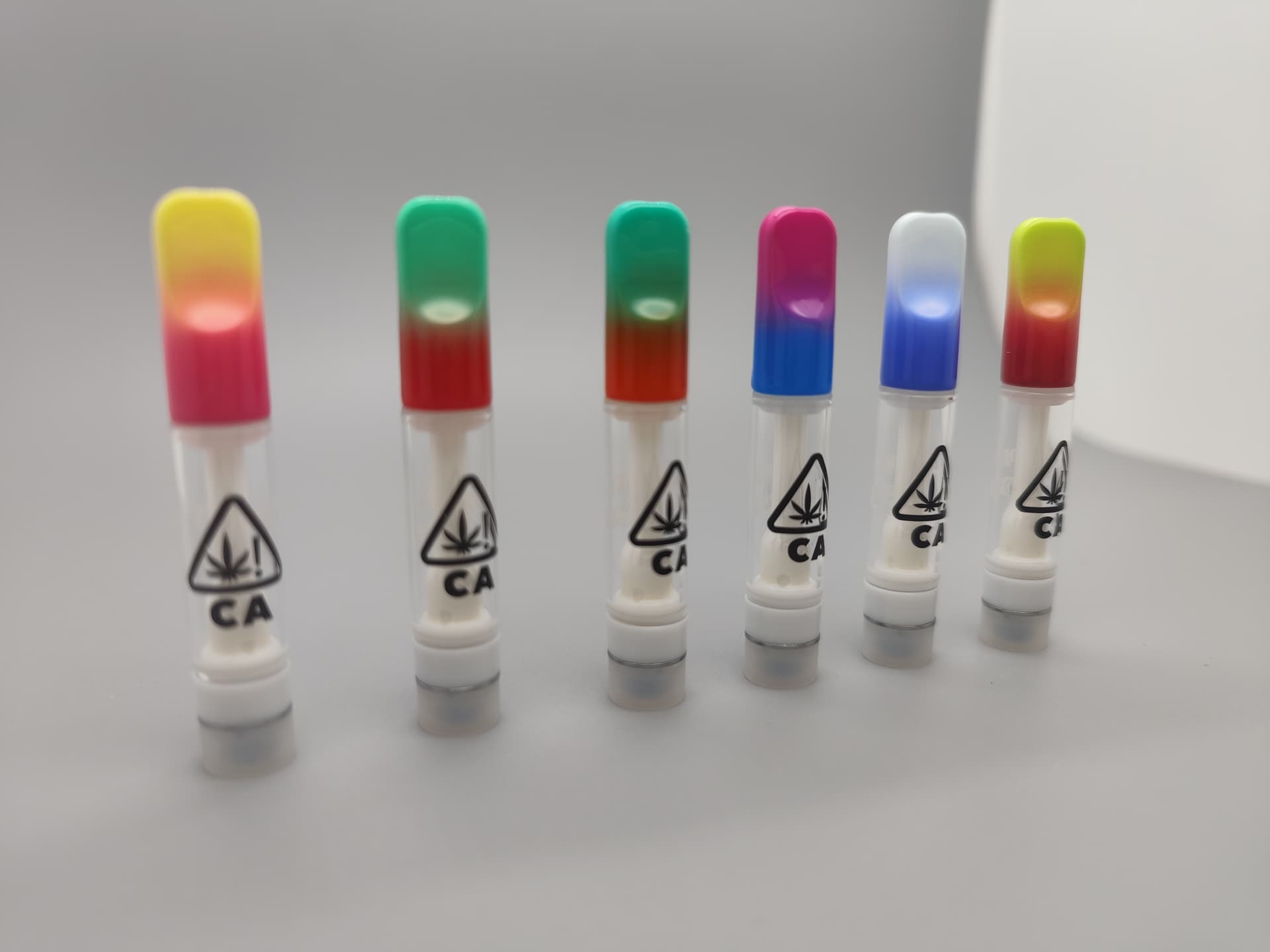
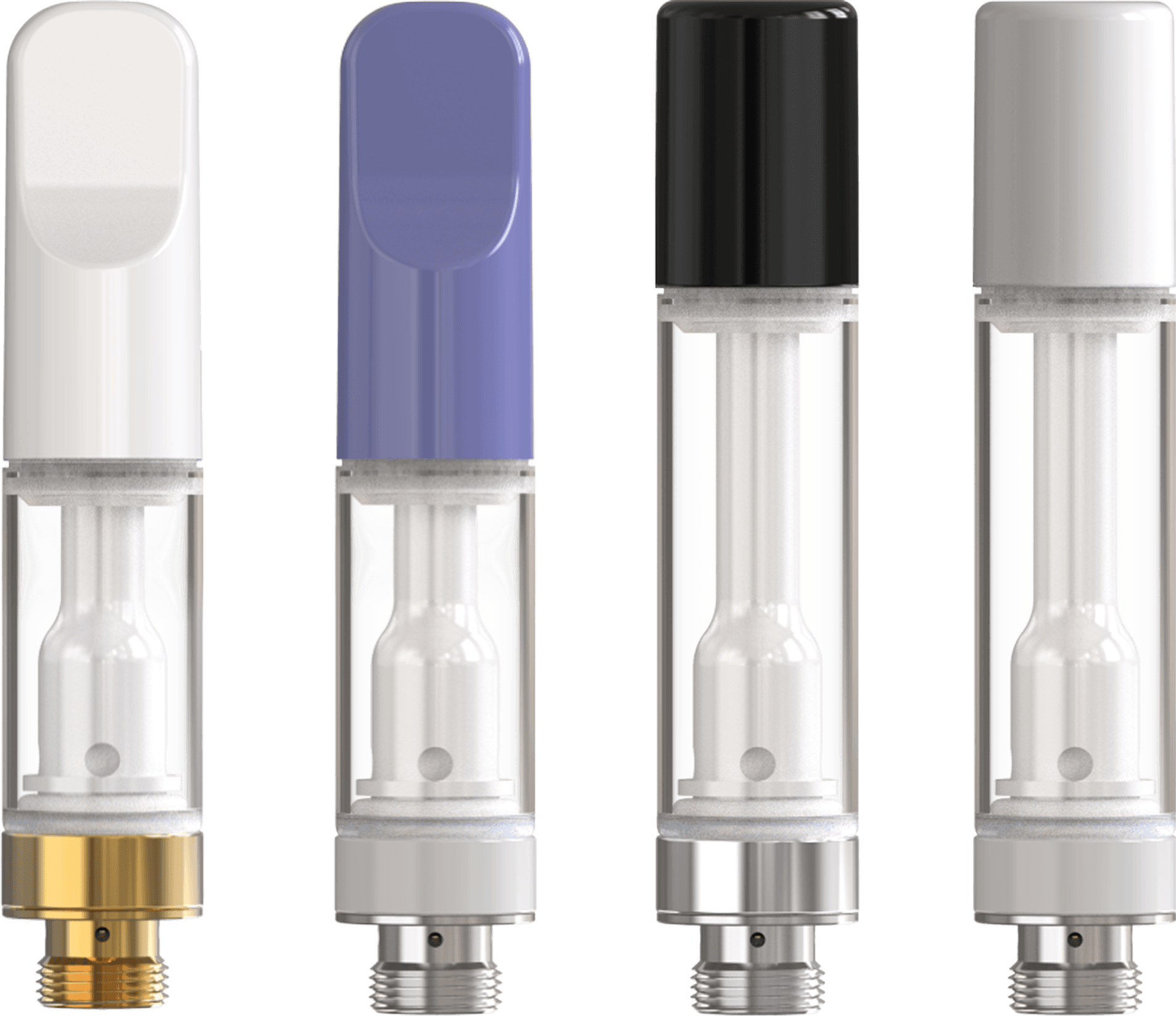
Vape cartridge failure modes are easier to fix when the complaint is treated as a diagnostic signal instead of a generic hardware problem. Leaks, burnt taste, weak vapor, clogs, and batch drift each point to a different interaction between cartridge design, oil viscosity, battery output, filling temperature, cap timing, storage conditions, and supplier quality control. This guide is for licensed cannabis brands, QA teams, and procurement leads that need to separate true hardware defects from formulation or process problems before escalating a batch.
The practical goal is simple: identify the failure mode, isolate the likely root cause, collect the right evidence, and decide whether the answer is a hardware change, a fill-line change, a battery change, or a supplier escalation.
Common Vape Cartridge Failure Modes
Most vape cartridge failure modes fall into five categories:
Leaking. Oil appears at the mouthpiece, tank window, airpath, or 510 thread connection.
Burnt taste. The consumer reports harsh flavor, scorched notes, or a dry hit during normal use.
No vapor or weak vapor. The cartridge fires inconsistently, produces low output, or does not produce visible vapor on a known-good battery.
Clogging. The draw path blocks, the consumer has to pull hard to clear it, or vapor only appears after warming or repeated draws.
Batch-to-batch inconsistency. One production lot performs normally while the next lot leaks, clogs, burns, or has uneven draw resistance with the same oil and fill process.
Each category has a different diagnostic path. Treating them all as supplier failure leads to slow replacements, weak credits, and the wrong corrective action. A disciplined review of vape cartridge failure modes gives your team a better chance of preserving launch timelines and preventing repeat returns.
Leaking: Where the Oil Appears Matters
Leaking is the failure mode brands escalate fastest because it is visible on the shelf and easy for retailers to photograph. But a leak at the tank window does not mean the same thing as oil at the mouthpiece or oil in the 510 threads.
Window leaks usually point to filling temperature, cap timing, or tank seal compression. If oil is filled hot and the mouthpiece is capped immediately, the oil can contract as it cools and pull air past the gasket. Later temperature or pressure changes during shipping can move oil into places it should not be. The first review should be fill temperature, cool-down time, capping sequence, and cap torque.
Mouthpiece leaks often mean oil migrated up the center post during shipping or storage. A small amount can occur in normal handling, but a repeat pattern across a lot suggests the center post inner diameter, top seal, or oil viscosity is mismatched. Pull retained samples before first use and check whether oil has moved above the coil housing.
Airpath or 510-thread leaks are more serious. Oil at the thread connection can kill batteries and create warranty claims across two SKUs. This pattern usually means oil is bypassing the wick or seal system entirely. Review wick saturation, soak time, coil housing tolerance, and viscosity at the actual storage temperature, not only at fill temperature.
When reviewing leaking as one of the core vape cartridge failure modes, ask the supplier for gasket material, o-ring durometer, compression validation, leak-test method, and acceptable leak rate by lot. A supplier that cannot answer those questions is not giving your QA team enough information to separate process drift from hardware drift.
Burnt Taste: Start With Voltage and Wick Saturation
Burnt taste is often blamed on ceramic quality, but the first question should be whether the coil is being driven at the right temperature for the oil. A cartridge can be well built and still taste burnt if the battery voltage, resistance, and oil flow rate are mismatched.
Start with the battery. Many ceramic cartridges are designed for a defined voltage band. If the brand pairs that cartridge with a fixed-voltage battery that runs too hot, or with a preheat function that overshoots, consumers may get burnt hits on the first few pulls. Test the same cartridge on a known-good variable voltage battery before assigning blame to the cartridge.
Next, review wick saturation. Thick oils may not feed the coil fast enough between draws, especially after the cartridge has been stored cold. Thin or terpene-heavy oils can feed quickly but flash off aggressively if voltage is too high. The same hardware can behave differently across distillate, live resin, rosin, and terpene-forward blends.
The timing of the burnt taste matters. Immediate burnt taste usually points to voltage, preheat behavior, or insufficient soak time before use. Burnt taste after the cartridge is partially depleted can point to wick geometry, intake placement, or oil that does not continue feeding the coil evenly as the tank level drops.
For brands selling matched cartridge and battery programs, battery pairing should be part of every vape cartridge failure modes review. If the complaint appears only with one battery SKU or one retail account, the cartridge may not be the root cause.
No Vapor or Weak Vapor: Separate Hardware Failure From Pairing Issues
No-vapor complaints need to be split into two groups: cartridges that fail on every known-good battery, and cartridges that feel weak only on specific batteries.
A true no-vapor cartridge should be tested on a variable voltage battery with a clean contact point. If it still does not fire, inspect the center pin, coil contact, airpath, and wick saturation. If the airpath is blocked with oil, the complaint may be a clog that presents as no vapor. If the airpath is clear but there is no output, the coil may not be making contact or the wick may never have saturated.
Weak vapor is often a pairing or expectation problem rather than a true defect. A cartridge designed for a tight, controlled draw can feel weak to consumers used to loose airflow. A cartridge rated for one voltage range can feel underpowered on a low-output disposable battery. Airflow diameter, airhole count, coil resistance, and battery output all shape the consumer experience.
When weak-vapor complaints cluster in one market or one retail chain, ask what batteries are being sold with the cartridge. If the same batch performs normally on another battery, the fix may be a recommended battery update, a voltage note, or a different hardware SKU for that market.
Clogging: Viscosity and Storage Conditions Come First
Clogging is one of the most common vape cartridge failure modes, and it is also one of the most misunderstood. The common myth is that a wider center post solves clogs. In reality, center-post geometry is a tradeoff. Wider intake paths can help thicker oils feed, but they can also increase flooding and leaking when the oil warms.
Start with viscosity. Every cartridge design has a practical viscosity range. If the oil is thicker than that range at normal use temperature, it will not feed consistently through the intake. A cartridge that passes bench testing at warm room temperature may clog after cold storage in a delivery van or warehouse.
Terpene reintegration also matters. If terpenes are not properly homogenized into the oil, the cartridge can develop viscosity gradients. The top of the tank may perform normally while the lower portion clogs or burns. Formulation teams should document homogenization temperature, mix time, and viscosity at a consistent test temperature.
Storage conditions can create complaints that look like hardware defects. Carts stored below 60F for extended periods can clog on first use until warmed. If complaints spike during winter or after a route with poor temperature control, review storage logs before replacing the supplier.
Ask hardware suppliers for recommended viscosity ranges in centipoise at a defined temperature, intake geometry, soak-time guidance, and cold-storage recommendations. A supplier that provides oil-matched cartridge recommendations gives your team a better path to prevention than one selling a generic SKU.
Batch Drift: When the Same Oil Performs Differently
The hardest vape cartridge failure modes to diagnose are the ones that appear after a supplier has already shipped successful lots. If batch A performs normally and batch B leaks, clogs, or burns with no change in oil, filling process, or battery pairing, the likely issue is supplier quality drift.
Possible causes include changes in coil vendors, ceramic lot variation, wick material changes, gasket material changes, center-post tolerance drift, assembly torque differences, or inspection shortcuts. These changes may be invisible in a standard sales conversation, but they show up quickly in field complaints.
Require lot-level documentation from your supplier. At minimum, request coil resistance range, airflow test results, leak-test pass rate, retained-sample policy, incoming inspection AQL, and written change notification when subcomponents change. If a supplier treats subcomponent changes as internal information only, your brand carries the field risk without enough visibility.
Your own incoming inspection should be simple but consistent. Pull samples from every received lot. Weigh empty cartridges if possible, check visual assembly, test draw resistance, fire a small sample on a known-good battery, and retain unfilled samples before production filling. Twenty minutes of inspection can prevent thousands of filled units from reaching the market with a known issue.
How to Escalate a Failure to Your Supplier
Suppliers respond faster when an escalation is specific. Do not send only a photo and a general complaint. Send a short failure report with the evidence needed to reproduce the issue.
Include the purchase order, lot number, fill date, oil type, viscosity at fill temperature, filling temperature, cap timing, cap torque if available, battery used for testing, storage conditions, failed-unit count, units sold from the lot, and complaint rate as a percentage. A complaint rate is more useful than a raw complaint count.
Separate the complaint by failure mode. Ten leaking units, six clogged units, and four burnt-taste complaints tell a different story than twenty generic failures. Send failed samples and retained unfilled samples when available. If you can provide both, the supplier can test whether the issue exists before filling or appears only after oil and process variables are introduced.
The best supplier conversations are corrective action conversations. Ask what changed, what inspection data exists, what the retained samples show, and what the supplier will change before the next lot. Replacement units may solve the immediate shortage, but corrective action prevents the same problem from returning.
The Finished Goods Approach to Failure Prevention
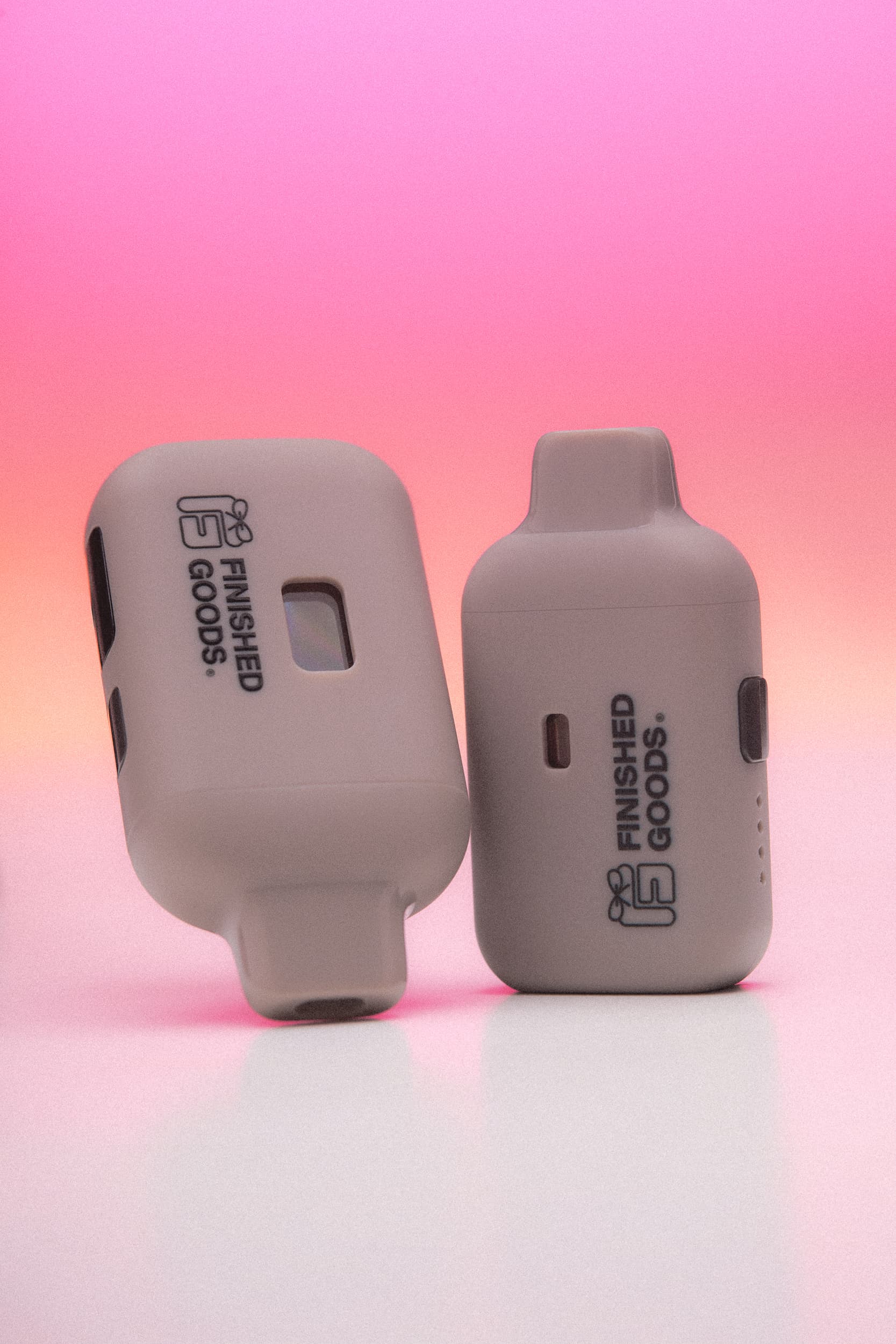
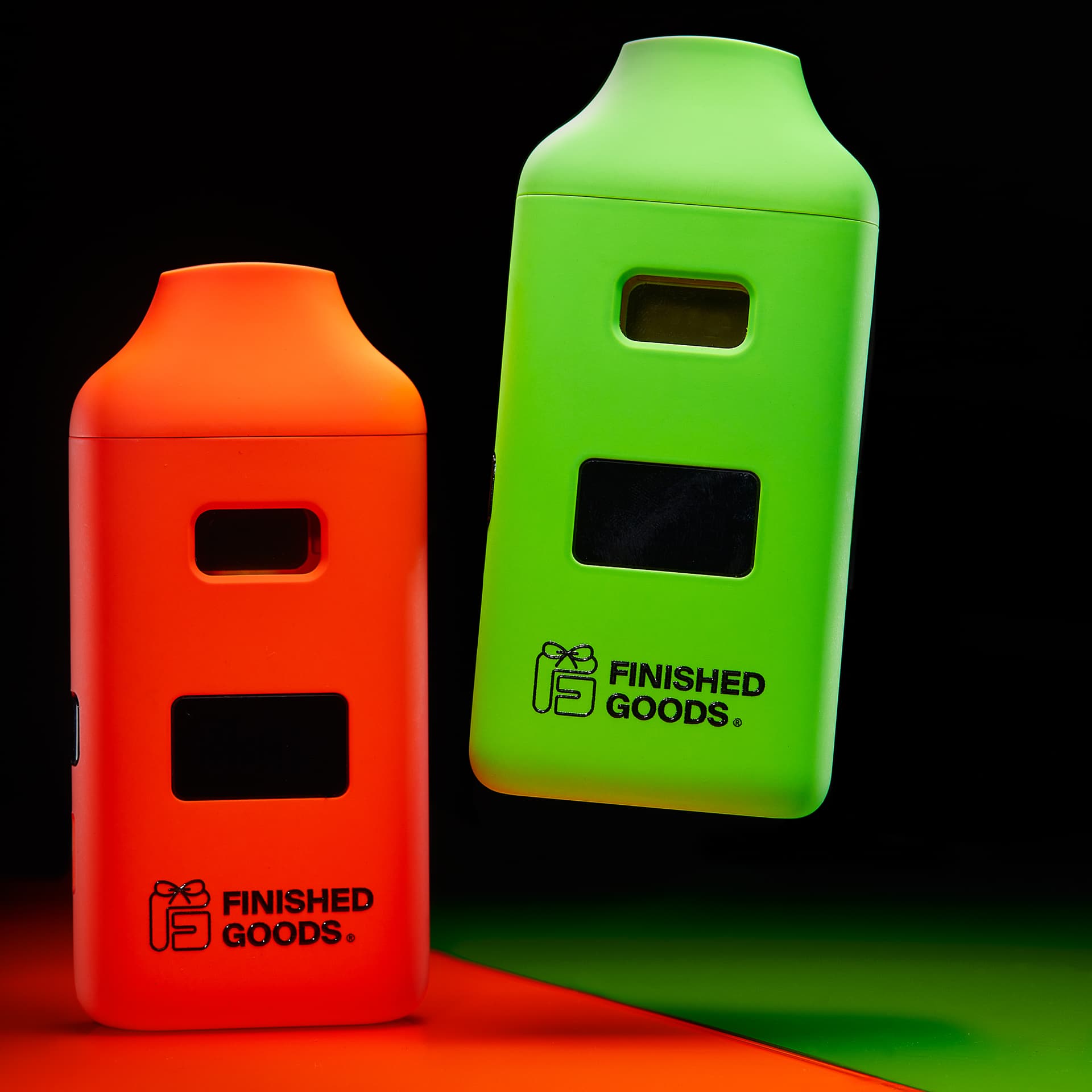
Finished Goods treats vape cartridge failure modes as engineering inputs, not after-the-fact customer service tickets. The correct cartridge for a brand depends on oil viscosity, terpene profile, battery pairing, fill equipment, storage environment, market expectations, and compliance requirements. A catalog part number alone is not enough information to protect a launch.
Before production, Finished Goods helps brands match oil to hardware, confirm battery compatibility, review fill-process variables, and document the approval sample. During production, lot-level QA and supplier control reduce the chance that small component changes become field failures. After launch, failure reports can be mapped back to specific variables instead of treated as vague complaints.
For brands building a repeatable cannabis vape program, this approach matters. The goal is not only to resolve one leak, one clog, or one burnt-taste complaint. The goal is to build a hardware and process system that produces fewer preventable failures across every purchase order.
FAQ: Vape Cartridge Failure Modes
What are the most common vape cartridge failure modes?
The most common vape cartridge failure modes are leaking, burnt taste, weak or no vapor, clogging, and batch-to-batch inconsistency. Each points to a different mix of hardware design, oil viscosity, battery output, fill process, storage, and quality control.
Are cartridge clogs always a hardware defect?
No. Cartridge clogs can come from hardware, but they can also come from oil viscosity, terpene separation, cold storage, inadequate soak time, or a mismatch between intake geometry and formulation. The right diagnostic process tests all of those variables before assigning fault.
How should a cannabis brand document cartridge failures?
Document lot number, purchase order, oil type, viscosity, fill temperature, cap timing, battery used, failed-unit count, units sold, complaint rate, failure mode, and photos or samples. This evidence gives the supplier enough information to investigate the root cause.
When should a brand change vape hardware suppliers?
A brand should consider changing suppliers when repeat failures occur across lots, the supplier cannot provide lot-level QA records, subcomponent changes are not disclosed, or corrective actions are vague. A one-time failure with clear root cause and corrective action does not always require a supplier change.