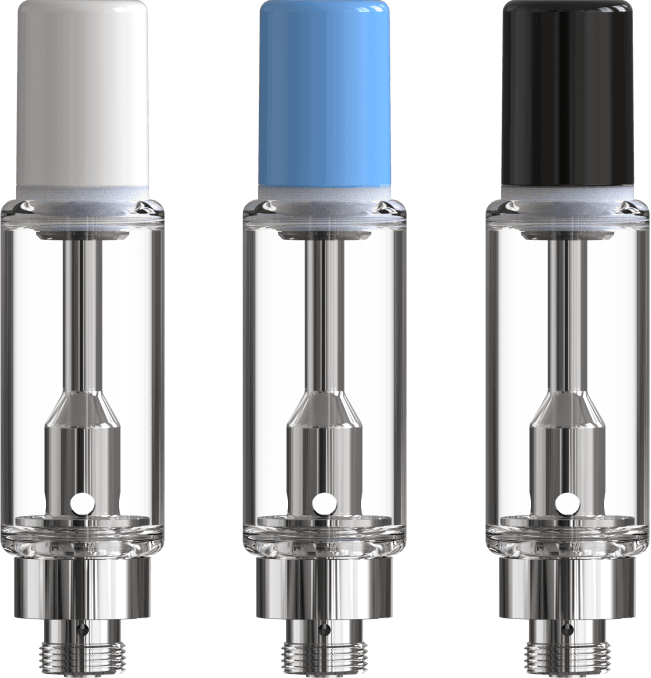
Ceramic vs Quartz Vape Cartridge Bodies: Oil Compatibility
Compare ceramic vs quartz vape cartridge bodies for oil compatibility, sample control, full-fill testing, sourcing specs, and repeatable production approval.
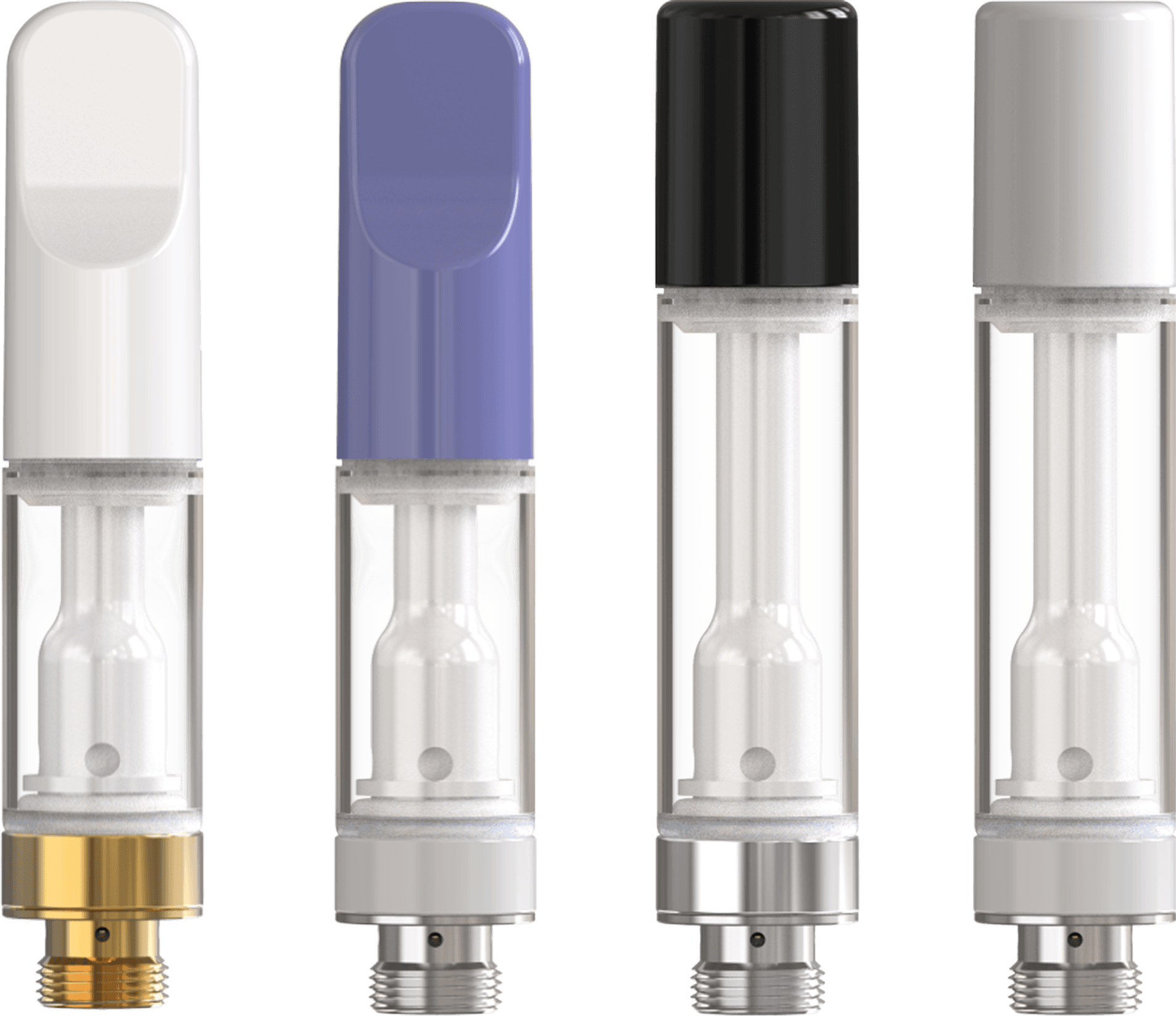
A ceramic vs quartz vape cartridge comparison is valid only when the oil, atomizer, airflow, battery, fill process, and test conditions are controlled.
For most distillate and lightly cut blends, a ceramic body pairs well with a ceramic heating element and gives you clean flavor with predictable wicking. For live resin, live rosin, and high-terpene sauces, glass or quartz bodies paired with the right heater tend to preserve terpene character better and are easier to inspect on the line. Neither answer is universal. The right cartridge body material depends on your oil's viscosity, terpene load, cut ratio, and how your fill and capping process is set up.
This guide walks through what each body material actually does to flavor and clog rate, where each wins and loses, and how to write body-material requirements into a sourcing spec so samples come back comparable.
What the body material actually affects
Buyers sometimes conflate the body (the outer tube that holds the oil) with the heating element (the wick and coil assembly that vaporizes it). They interact, but they are separate decisions.
The body material influences four things:
- Thermal behavior at the reservoir wall. How quickly the oil near the wall warms and thins during a draw, and how quickly it cools between draws.
- Chemical inertness. Whether terpenes or acidic compounds interact with the wall over shelf life.
- Visual clarity. How the oil presents on shelf, and how easily QC can spot bubbles, separation, or contamination.
- Perceived quality. Weight in hand, sound when tapped, and the feel of the mouthpiece against the lip.
Body material does not, by itself, determine clog rate. Clogging is driven by oil viscosity, airflow geometry, intake hole size, and heater wicking. A ceramic body with the wrong airflow will clog. A glass body with the right airflow will not. That said, body material and airflow design tend to come as a package from any given factory, so in practice they move together.
Ceramic bodies: where they win
Ceramic bodies (typically zirconia or a zirconia composite) are the default for distillate-forward brands and for anything that ships into hot climates or long distribution routes.
Where ceramic earns its place:
- Thermal stability. The wall temperature stays more even between draws, which reduces the thin-thick cycling that pulls oil away from the wick.
- Feel. Heavier in hand than glass or plastic, which reads as premium at retail.
- Print surface. Zirconia takes laser marking and pad printing cleanly, so brand marks stay legible after handling.
- Impact resistance. Better than glass on drop tests, which matters for retail display units and consumer carry.
Where ceramic loses:
- No visual QC. You cannot see the oil column, so bubbles, headspace inconsistencies, or contamination get caught only at the fill station, not downstream.
- Terpene interaction. With very high-terpene live resin or sauce blends, some brands report subtle flavor flattening over 60 to 90 days compared to glass. This is oil-specific and worth testing with your own formula.
- Cost. Ceramic bodies generally price above glass at the same volume tier.
Ceramic is the safe choice for distillate at 80 to 90 percent THC with 5 to 10 percent terpene reintroduction. It is a defensible choice for cured resin and live resin if you have validated shelf life on your specific formula.
Quartz and glass bodies: live resin and rosin territory
Quartz and glass bodies (most "glass" cartridges on the market are borosilicate; true fused quartz is less common and more expensive) share the traits that matter for high-terpene oils.
What they do well:
- Chemically inert. Borosilicate and quartz do not react with terpenes, esters, or the acidic byproducts sometimes present in solventless oils.
- Visual QC. You can see the oil. This is a real operational advantage: fill techs catch bubbles, retail buyers see clarity or color, and consumers can confirm the cart is not empty.
- Terpene fidelity. For live resin and rosin, most brand QA panels rank glass and quartz above ceramic on day-one flavor and on flavor retention past 90 days. Your mileage varies with formula.
- Cost at scale. Glass bodies generally price below ceramic at comparable volumes.
Where they lose:
- Fragility. Glass breaks. Retail display and consumer drop scenarios are the real risk, not shipping (bulk packaging handles that fine).
Ceramic vs Quartz Vape Cartridge Procurement Checklist
A ceramic vs quartz vape cartridge decision should be made with matched samples, not catalog descriptions. Hold the heater, resistance, intake size, capacity, mouthpiece, and oil constant so the body material is the only meaningful variable. Record first-puff flavor, draw consistency, visible oil condition, leakage, clogging, and appearance after storage. If multiple variables change between samples, the result cannot support a sourcing decision.
Run the comparison with the production formulation and the actual filling process. Include the expected fill temperature, capping method, dwell time, storage orientation, and battery voltage. A body that performs well with a thin reference oil may behave differently with a terpene-rich resin or solventless formulation. Repeat the test after ordinary handling and transportation so breakage, print adhesion, and cosmetic wear are considered alongside flavor.
For commercial approval, document unit cost at the intended order volume, decoration limitations, sample lead time, replacement policy, and the supplier's acceptable-quality thresholds. The final recommendation should explain why the selected body fits the oil, brand position, retail environment, and quality-control plan. That written decision record prevents a future packaging or purchasing change from silently invalidating the hardware test.
- Feel. Lighter in hand. Some brands add weighted mouthpieces or metal sleeves to compensate.
- Printing. Direct printing on glass requires UV-cure inks or careful pad printing; adhesion QC matters.
Quartz specifically shows up when a brand wants the glass advantages plus higher thermal tolerance for a wider fill temperature window. For most oils, borosilicate glass is functionally equivalent to quartz at the body level, and the heater choice matters more than the wall material.
Decision matrix by oil type
Use this as a starting point, then validate with your own oil.
Oil and Hardware Compatibility Guide
- Distillate with minimal terpenes (low-to-medium viscosity): ceramic body with a ceramic center-post heater for thermal stability, premium feel, and a printable surface.
- Distillate with 10% to 15% terpenes (medium viscosity): ceramic or glass body with a ceramic center-post heater; choose the body based on brand positioning.
- Cured resin (medium-to-high viscosity): glass or ceramic body with a ceramic center-post heater; visual quality control helps with color-forward products.
- Live resin (high viscosity and terpene-heavy): glass or quartz body with a ceramic center-post heater and wider intake for terpene fidelity and visual clarity.
- Live rosin or other solventless oil (high and variable viscosity): glass or quartz body with a ceramic heater, wider intake, and sometimes a dual coil for chemical inertness and viscosity accommodation.
- High-CBD or minor-cannabinoid blends (variable viscosity): glass body with a ceramic heater for visual quality control and cost efficiency.
Two notes on this table. First, ceramic center post heaters have become the default across almost all serious hardware regardless of body material; the older cotton and fiber wicks are largely gone from the premium tier. Second, intake hole sizing matters as much as body material for viscous oils. A 2.0 mm intake will clog a live rosin cart in a ceramic body or a glass body. A 2.5 to 3.0 mm intake with matched airflow will run either.
Writing body material into a sourcing spec
When requesting samples for brand approval, vague specs come back as vague samples. Language that gets you comparable units:
- Body material. "Zirconia ceramic body, ivory white" or "borosilicate glass body, clear." Specify color if it matters to your packaging.
- Wall thickness. Request the factory's standard and any thicker option. Thicker walls change feel and thermal behavior.
- Heater assembly. "Ceramic center post heater, [1.2 or 1.4 or 1.6] ohm, single coil." Ohm rating drives vapor production at a given battery voltage.
- Intake hole diameter. State the target and acceptable range, for example "2.5 mm intake, plus or minus 0.2 mm."
- Capacity and thread. 0.5 mL or 1.0 mL, 510 thread standard, press-fit or threaded mouthpiece.
- Mouthpiece material. Ceramic, glass, plastic, or metal. This is often decided separately from the body.
- Print and decoration. Specify pad print, laser mark, or none, and provide the artwork with dimensions.
- Test conditions. Ask for samples filled with an oil viscosity close to yours, or send your oil for the factory to fill. Empty samples tell you very little about clog rate.
Ask for a minimum of two body variants per heater configuration when you are evaluating a new supplier. Comparing a ceramic body to a glass body with different heaters underneath tells you nothing useful.
How we run sample rounds for brand approval
When a brand comes to us undecided between ceramic and glass, or wants to switch materials on an existing SKU, we structure the sample round to isolate variables:
Fill test with your oil. We arrange samples filled with your production oil, not a factory reference oil. Viscosity and terpene profile matter too much to shortcut.
Matched heater across bodies. Same ceramic center post heater and same ohm rating across the ceramic and glass variants. This lets your QA panel taste the body effect specifically.
Airflow variants where relevant. For high-viscosity oils, we include intake hole variants so you can see clog behavior across the range.
Aged samples. Where timeline allows, we hold a set at elevated temperature for 30 to 60 days to preview shelf life differences between body materials on your specific oil.
Blind panel. We recommend running the taste panel blind. Buyers who know which sample is glass will rate glass higher, and vice versa.
The output is a matrix your team can defend to the brand founder, the compliance lead, and the retail buyer. Body material is a decision that touches all three, and picking it on feel alone tends to produce regret at the 90-day mark.
If you are early in this process and want to see a spread of ceramic and glass options against your oil profile, reach out with your oil specs (viscosity, terpene percentage, cannabinoid profile) and your target volume, and we can put a sample round together.
Ceramic vs Quartz Vape Cartridge Sample Approval
A ceramic vs quartz vape cartridge decision should be made with the production oil and complete cartridge configuration, not from the body material alone. The tank, atomizer, intake, seals, airflow, battery, fill process, and storage conditions can all affect the result; the cartridge hardware and oil compatibility guide covers that system-level validation.
For each ceramic vs quartz vape cartridge sample round, keep the following constant wherever possible:
- oil lot and fill conditions;
- cartridge capacity, atomizer, intake, and mouthpiece;
- battery and voltage setting;
- saturation and storage time;
- draw method and evaluation schedule; and
- acceptance criteria for flavor, vapor, leakage, clogging, residue, and end-of-fill performance.
Record which differences are caused by the body configuration and which came from another component change. If the ceramic sample and quartz sample use different atomizers or airflow paths, the test is not a controlled ceramic vs quartz vape cartridge comparison and should be labeled accordingly.
The final ceramic vs quartz vape cartridge approval should identify the exact drawing and sample lot, retain filled and empty references, and state which changes require requalification. This prevents a later ceramic vs quartz vape cartridge reorder from carrying the same marketing description while using a materially different internal configuration. The right ceramic vs quartz vape cartridge choice is the repeatable system that passes the brand’s oil-specific test and can be reproduced on the next production lot.