Vape Cartridge Boxes: B2B Buyer Guide for Cannabis Brands
Compare vape cartridge boxes for cannabis brands. Learn carton fit, child-resistant options, tamper evidence, inserts, MOQs, print specs, and lead times.

Vape cartridge boxes are small, but they carry a large part of the customer experience for cannabis brands. The box protects the cartridge, frames the product on the shelf, creates room for warnings and batch information, and helps retailers understand what is inside without opening the package. A good cartridge can still feel cheap if the box is weak, poorly fitted, or difficult to label. A strong box can make a simple cartridge program feel organized, compliant, and ready for repeat retail orders.
This buyer guide explains how licensed cannabis brands should compare vape cartridge boxes before placing a packaging order. It covers fit, child-resistant strategy, inserts, materials, print specs, MOQ, lead time, and the questions buyers should ask before approving production.
What Vape Cartridge Boxes Need to Do
Vape cartridge boxes need to protect fragile hardware, support compliance information, and present the brand clearly in a very limited amount of space. The package must usually hold a small glass or metal cartridge, sometimes inside a tube, tray, blister, or insert. It also needs room for flavor or strain details, oil type, potency information, required warnings, QR codes, batch labels, and retail barcodes.
The right format depends on the cartridge, the retail channel, the price point, and the compliance plan. A value distillate cartridge may need a compact carton that is fast to label and easy to replenish. A premium live resin or rosin cartridge may need stronger material, a cleaner insert, and more careful print execution. A multi-state operator may need the same box architecture with flexible label zones for different markets.
Vape cartridge boxes should not be selected from a product rendering alone. Buyers should test physical samples with the exact cartridge and label stack. Even small fit issues can create cartons that bow, inserts that loosen, or packages that feel inconsistent at retail.
Box Formats to Compare
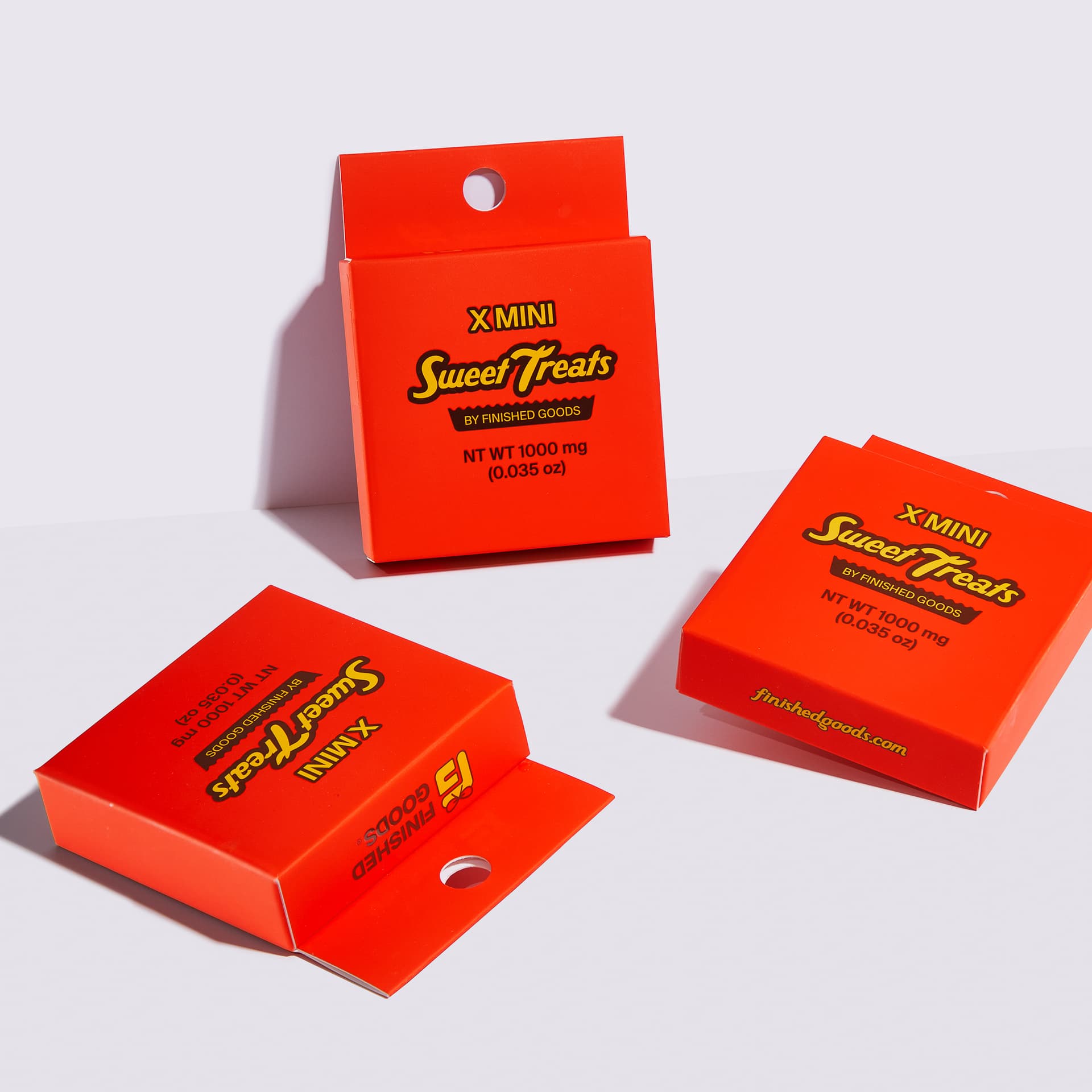
Folding cartons are the most common option because they balance cost, print area, shipping efficiency, and retail presentation. They can be built around a paperboard insert, plastic insert, tube, or direct cartridge fit. Folding cartons also make it easier to maintain consistent brand blocks across multiple strains, flavors, or oil types.
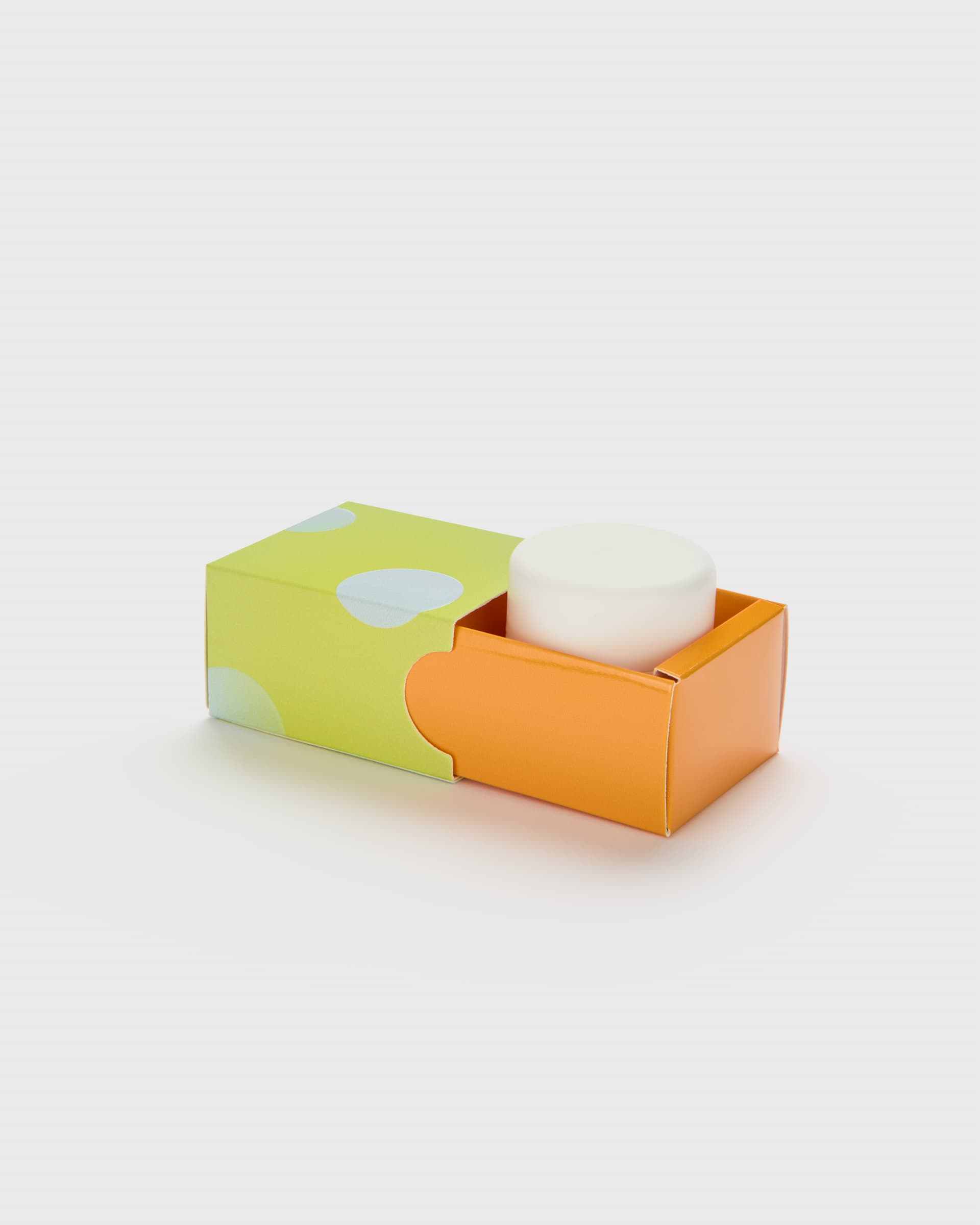
Sleeve-and-tray formats can feel more premium and can create a better unboxing experience. Buyers should confirm whether the format is child-resistant by itself or whether it relies on a secondary layer. They should also check whether the tray holds the cartridge securely after shipping and whether the format is practical for filling teams.
Rigid boxes are less common for standard cartridges because cost and MOQ can be higher, but they may make sense for premium drops or limited releases. A rigid format should only be used if the margin supports it and the package still meets compliance, fulfillment, and inventory needs.
Tube plus carton systems can work when the brand wants extra protection or when the tube serves a compliance purpose. This approach adds cost and handling steps, but it can improve cartridge security and make the final package feel more substantial.
Child-Resistant Planning
Child-resistant requirements vary by market, so buyers should clarify how compliance will be handled before ordering vape cartridge boxes. In some cases, the carton may include a child-resistant mechanism. In other cases, the cartridge may sit in a child-resistant tube, blister, or exit bag. The buyer needs to know which layer supports compliance and what documentation is available.
Do not rely on generic statements such as compliant packaging or child-resistant design without asking for the basis of the claim. Request documentation, sample instructions, and confirmation that the exact package structure being quoted is covered by the supplier's explanation. If the box depends on another component, make sure the full packaging stack is evaluated together.
The child-resistant action should also be practical. A package that is technically defensible but hard for adults to open can create complaints and slow retail demonstrations. Test the opening experience with several people before approving a run.
Fit and Insert Requirements
Fit is one of the most important parts of sourcing vape cartridge boxes. Cartridges vary in length, diameter, mouthpiece shape, reservoir style, and cap configuration. A box designed for one cartridge may not fit another without revision. If the insert is too loose, the cartridge can rattle or look cheap. If it is too tight, the package can be hard to assemble or may damage the cartridge during fulfillment.
Buyers should send the supplier exact cartridge dimensions and physical samples before production. If the cartridge will ship inside a tube, the tube dimensions matter more than the bare cartridge dimensions. If the package includes an insert, test whether the cartridge stays in place after shaking, shipping simulation, and repeated handling.
For brands that use more than one cartridge supplier, packaging should be reviewed against every planned hardware variant. A small hardware substitution can break package fit if the box was designed too tightly.
Material and Print Specs
Paperboard weight, coating, finish, and print method all affect how vape cartridge boxes feel and perform. Thin material can reduce cost, but it may bow, crease, or feel inconsistent. Heavy material can feel better, but it may increase cost and affect folding behavior. Coatings can improve scuff resistance or create a more premium finish, but they can also affect label adhesion and small-text readability.
Cannabis packaging often uses dark backgrounds, metallic details, small warning text, and QR codes. Buyers should request printed proofs or production-equivalent samples whenever possible. A digital mockup cannot show barcode scan quality, coating glare, paper texture, color shift, or how a small compliance panel reads on the final material.
Packaging teams should confirm where batch stickers, potency labels, and state-specific warnings will sit. If these elements are added after the box is designed, they can cover brand graphics or make the final package look patched together.
MOQ and Lead Time
MOQ for vape cartridge boxes depends on the structure, customization level, print method, and supplier model. A stock carton with a custom label may have a low MOQ. A fully custom printed folding carton may require a larger run. Specialty finishes, rigid structures, or custom inserts can increase both cost and lead time.
For a new cartridge program, buyers should avoid ordering too much packaging before the product has proven demand. Cartridge SKUs can change quickly as strains, oil types, potency tiers, and brand architecture evolve. A smaller first run can protect the brand from being stuck with outdated packaging. Once the product is stable, larger runs can improve unit economics.
Lead time should be planned around filling and labeling, not just the retail launch date. Boxes need to arrive before the product is packed, labeled, inspected, and shipped to retailers. Buyers should confirm whether the quoted lead time begins after deposit, artwork approval, sample approval, or final dieline confirmation.
How to Compare Suppliers
A strong supplier will ask detailed questions before quoting. They will want to know the cartridge format, oil volume, tube or insert needs, child-resistant approach, label requirements, quantity, timeline, and market. If a supplier gives a final quote without asking about fit or compliance, the buyer should be cautious.
Compare suppliers on sample quality, communication, category experience, print control, documentation, and reorder reliability. The lowest unit price is not always the best choice if the supplier cannot keep colors consistent, ship on time, or help resolve fit issues before production.
Buyers should also ask how packaging is packed and shipped. Poor case packing can damage corners, scuff finishes, or create carton deformation before the boxes ever reach the filling site.
Pre-Production Checklist
Before approving production, confirm that the box fits the exact cartridge or tube, the insert holds the product securely, the child-resistant plan is documented, the barcode scans, all warning text is readable, the batch label space is clear, and the artwork matches the current market requirements. Check the package after assembly, not just as a flat dieline.
Also confirm that the box works for the fulfillment team. If assembly is confusing, if the insert needs too much manual adjustment, or if labels are hard to place consistently, the package can slow down production and raise labor cost. A packaging decision should support both retail presentation and operating efficiency.
How Finished Goods Helps with Vape Cartridge Packaging
Finished Goods helps cannabis brands evaluate vape cartridge boxes alongside hardware sourcing, oil format, supplier qualification, and launch planning. That context matters because packaging decisions are linked to cartridge dimensions, fulfillment workflows, retail requirements, and reorder strategy.
For brands comparing cartridge packaging suppliers, Finished Goods can help organize the questions, review fit considerations, and connect packaging choices to the broader product roadmap. The result is a packaging plan that supports the cartridge program instead of becoming a late-stage bottleneck.
FAQ
What are vape cartridge boxes?
Vape cartridge boxes are retail cartons or packaging systems designed to hold cannabis vape cartridges. They may include inserts, tubes, labels, child-resistant features, tamper-evident seals, and printed compliance information.
Do vape cartridge boxes need to be child-resistant?
Requirements vary by market and product configuration. Some programs use child-resistant boxes, while others rely on a child-resistant tube, blister, or exit bag. Buyers should confirm the requirement for each state and format before ordering.
What should I test before ordering vape cartridge boxes?
Test cartridge fit, insert security, label placement, warning readability, barcode scanning, child-resistant function, carton closure, material durability, and how the package performs during fulfillment.
How many vape cartridge boxes should I order for a first launch?
The first order should match realistic launch demand and artwork stability. A smaller run can reduce inventory risk, while a larger run may make sense once the cartridge line has proven demand and stable specifications.
How this differs from a cannabis packaging supplier hub
A packaging supplier hub should help a brand understand the full supplier category across pouches, jars, tubes, boxes, labels, inserts, and case packs. A vape cartridge boxes guide should stay narrower. It should help the buyer choose the box structure, insert, size, print method, compliance space, and retail presentation for cartridges, disposables, batteries, or kits.
Use the supplier hub when choosing who can support the packaging program. Use this page when defining the vape cartridge box itself.
Vape cartridge box specification checklist
- Confirm the exact device or cartridge dimensions before dieline approval.
- Decide whether the box needs an insert, tray, foam, folded paperboard, or blister-style hold.
- Verify child-resistant requirements before structure selection.
- Reserve enough label and warning space for the target market.
- Check whether the box must fit a single cartridge, cartridge kit, battery, or multi-pack.
- Confirm print method, finish, carton thickness, and reorder consistency.
- Test packed units for shake, crush, scuff, and retail handling.
A vape cartridge box is not only a printed rectangle. It has to hold the hardware, support compliance, protect the device, and still look correct on shelf.
When a box is not the right packaging format
A rigid or paperboard box may not be the right answer for every SKU. Some brands may need flexible pouches, tubes, clamshells, jars, or custom retail displays depending on the device, compliance requirement, price point, and fulfillment process. The box should be chosen because it fits the hardware and channel, not because it is the default packaging idea.