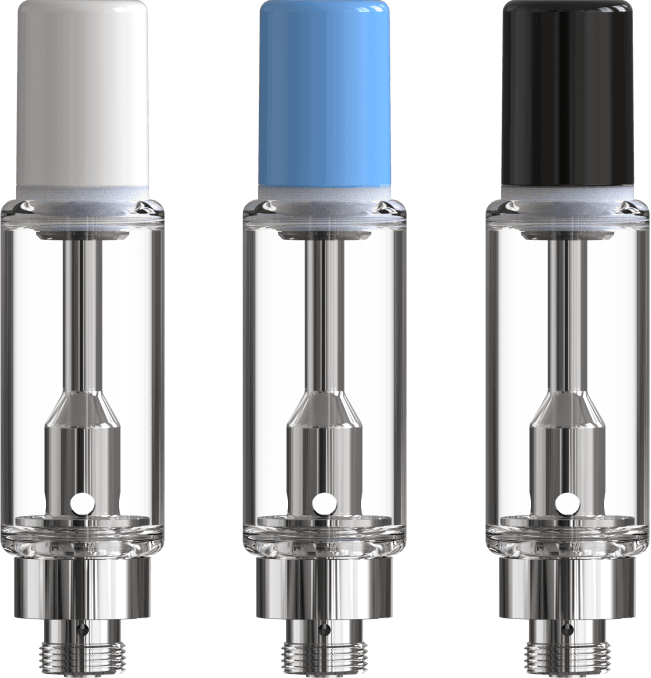
Vape Airflow Adjustment: How Cannabis Brands Spec the Right Draw
Vape airflow adjustment guide for cannabis brands: define draw resistance, match oil and atomizer, and validate airflow across samples and production.
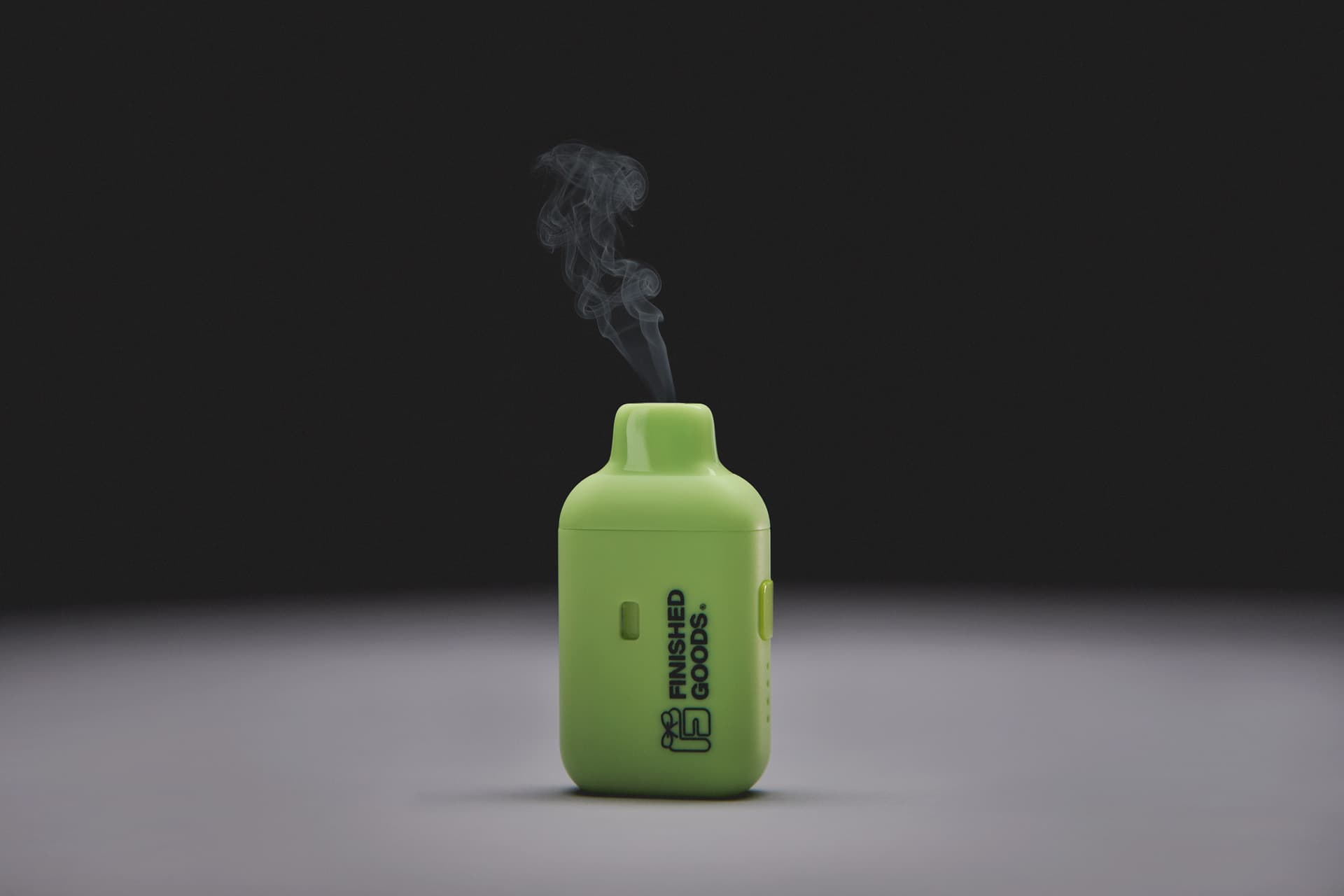
Define the Draw Before Changing Airflow
Vape airflow adjustment should be evaluated as part of the complete hardware configuration. Record the intended formulation, atomizer, power profile, activation behavior, and target draw before comparing changes.
Draw resistance works with the oil, atomizer, intake geometry, power curve, activation system, and vapor path. Changing one element without evaluating the others can turn a smoother draw into weak vapor, flooding, overheating, or an inconsistent consumer experience.
For a B2B development brief, describe the intended draw and identify the exact hardware configuration under evaluation. State whether the device has a supported airflow control or a fixed build, and retain the relevant specification and reference samples. Do not modify a finished device outside its supported design.
How Vape Airflow Adjustment Changes the Draw
Airflow affects how much air passes through the device during a draw and how much resistance the consumer feels. It also changes the concentration and temperature of the aerosol reaching the mouthpiece. A tighter path generally requires more effort and can create a denser-feeling draw. A more open path reduces resistance and can feel lighter, but it may dilute the perceived vapor if the atomizer and power behavior are not matched to it.
Airflow also interacts with draw activation. A pressure or airflow sensor has to recognize the intended pull reliably. If the path is too restrictive, some users may pull harder than expected. If it is too open, the sensor and device geometry still need to activate consistently across normal use.
The correct question is therefore not "What airflow is best?" It is "Which complete hardware setting produces the intended experience with this oil, atomizer, power profile, and consumer use pattern?"
Start with the Oil and Atomizer
Record the formulation and atomizer configuration used for evaluation. Ask Finished Goods which development services and documentation are available for the proposed program. The PrecisionFlow overview provides related company context.
Thin, high-terpene formulations and thick distillates do not move through an atomizer at the same rate. A more open draw cannot correct an atomizer that floods with a thin oil, and a tighter draw cannot make an under-saturated thick oil wick properly. Airflow may change how a symptom presents, but oil delivery still has to be correct at the source.
Define the production formulation before approving the draw. Record the:
- Oil family
- Expected viscosity range
- Terpene load
- Extraction method
- Storage conditions
- Normal variation between batches
If the brand plans multiple materially different formulations, test them as separate oil groups instead of assuming one airflow setting covers all of them.
Tight, Balanced, and Open Are Experience Targets
A tight draw can support a deliberate, cigarette-like pull and concentrated-feeling vapor. It may suit a brand that wants controlled sips rather than large-volume inhalation. The design still needs to avoid excessive effort, sensor inconsistency, and a pressure condition that encourages oil movement into the airpath.
A balanced draw aims for moderate resistance and broad usability. It can be an effective default when a brand wants a familiar experience without pushing to either extreme. "Balanced" still needs a measurable control range; it cannot live only as a salesperson's description.
An open draw reduces resistance and can support a larger, airier pull. It needs enough atomizer output and appropriate heat to prevent the experience from feeling thin. It also needs consistent activation and full-tank testing so the early sample does not hide later performance drift.
These labels are useful for briefing, but approval should rely on identified samples, measurable airflow or pressure-drop criteria, and a documented sensory panel process.
Airflow and Voltage Must Be Tuned Together
Air carries heat and vapor away from the atomizer. Changing airflow can therefore change perceived temperature, flavor intensity, and vapor density even when the electrical setting stays the same. Increasing power to compensate for an open draw may create a harsh result or overheat a sensitive formulation. Reducing power for a tight draw may protect flavor but underperform if the oil and atomizer require more energy.
Use the hardware-matched voltage guide as a connected control, not as a universal number table. Approve the airflow, atomizer, and power curve as one configuration. If the battery has multiple voltage modes, validate each supported mode and decide which setting the packaging or instructions should recommend.
Define the Target Before Requesting Samples
Give the supplier a usable brief:
- Oil family and representative production samples
- Cartridge, all-in-one, or pod format
- Fill volume and expected use duration
- Intended battery, voltage range, or programmed heat curve
- Desired draw target: tight, balanced, or open
- Reference devices that demonstrate the desired feel
- Activation method and expected puff behavior
- Filling, capping, saturation, and storage process
- Consumer instructions and supported settings
- Acceptance criteria for airflow and full-use performance
A reference device is helpful only when its context is recorded. Note the battery, voltage, oil, fill level, temperature, and age of the sample. "Make it hit like this" is not reproducible if nobody knows which conditions created the reference.
Approve with Both Measurements and Sensory Review
Objective measurements make reorders controllable. Define an airflow or pressure-drop method, equipment, fixture, orientation, conditioning, sample size, and acceptance range with qualified technical personnel. Record resistance, activation, and any other critical characteristics tied to the draw.
Measurements do not replace experience testing. A device can fall within an airflow range and still have poor flavor, noisy draw, whistle, condensation, spitback, excessive heat, or inconsistent activation. Use blinded or controlled comparison where practical and record why a sample passed.
Use the vape sample station guide as related context for planning a documented comparison. Retain the approved sample, the conditions used for evaluation, and the corresponding written specification.
Test the Entire Tank, Not the First Few Pulls
Early draws do not prove the final experience. Oil level, saturation, internal pressure, condensation, battery state, and temperature change during use. A sample can feel excellent at the start and become restricted, weak, hot, or noisy near the end. For every vape airflow adjustment, log the sample ID, starting condition, measurement method, reason for the change, and final result. That record helps separate a real hardware revision from normal oil, battery, storage, or user variation during supplier review and reorder investigations.
Run a full-use protocol with the production-representative oil. Define:
- Puff duration
- Interval
- Orientation
- Temperature
- Storage between sessions
- Battery condition
- End point
Inspect for activation failures, clogging, leakage, flooding, dry hits, burnt taste, condensation, mouthpiece temperature, and remaining oil.
Include realistic handling and storage. Evaluate upright, side, and other relevant orientations; warm and cool conditions; transport simulation; and pauses between use sessions. The objective is to confirm that the approved airflow experience survives the full product lifecycle.
Protect the Setting During Production and Reorders
Airflow can drift when a seal, gasket, intake, center post, mouthpiece, housing, sensor, adhesive, or assembly process changes. A supplier can keep the same model name while altering one component that changes the draw.
Put the airflow method and range in the controlled hardware specification. Reference the approved sample and require advance notice before any connected component, tool, factory, or process changes. Verify the first production lot and use risk-based receiving checks on future lots.
Decoration and packaging matter too. Paint, labels, sleeves, inserts, or protective plugs must not obstruct an air opening. Confirm the fully decorated and packed configuration, not only the undecorated engineering sample.
Common Airflow-Development Mistakes
- Do not use airflow to mask an oil-to-atomizer mismatch
- Do not use a substitute formulation without recording why it represents the intended production formulation and obtaining the required technical approval.
- Do not judge only the first five pulls
- Do not specify "tight" or "open" without a retained reference and a measurement method
- Do not change voltage after airflow approval without rechecking the complete experience
- Do not let artwork or an insert cover an intake
- Do not assume a reorder is unchanged because the housing looks the same
Most importantly, do not promise "perfect airflow" as an isolated feature. The experience comes from the complete system.
Vape Airflow Adjustment Approval Checklist
Before production, confirm:
- The production oil or a justified representative formulation was tested
- The atomizer was selected for the oil's behavior
- The target draw and reference sample are documented
- Airflow or pressure-drop criteria have a defined method
- Activation is reliable across intended use
- Power settings are validated with the approved airflow
- Full-tank testing covers realistic use and storage
- Decoration and packaging do not block air paths
- The approved sample and revision are retained
- Supplier change-notice rules cover airflow-related components
- First-lot and reorder checks are defined
Specify the Draw as a System
The right vape airflow adjustment is the one that helps the approved oil, atomizer, heat curve, and device architecture deliver the intended draw from the first use to the end of the tank. A tight, balanced, or open target can all work when the complete build is engineered and controlled around it.
Send Finished Goods the proposed device format, formulation category, intended battery or power profile, fill volume, target draw, reference samples, order quantity, and destination. Request current sample options, evaluation scope, and commercial terms, then agree on the approved configuration and acceptance criteria before production.