Cannabis Vape Hardware Setup Cost: How to Budget a Brand's First Production Run
A procurement budget model for a licensed brand's first vape hardware run: one-time setup costs vs per-run costs, AIO vs 510, and compliance line items.
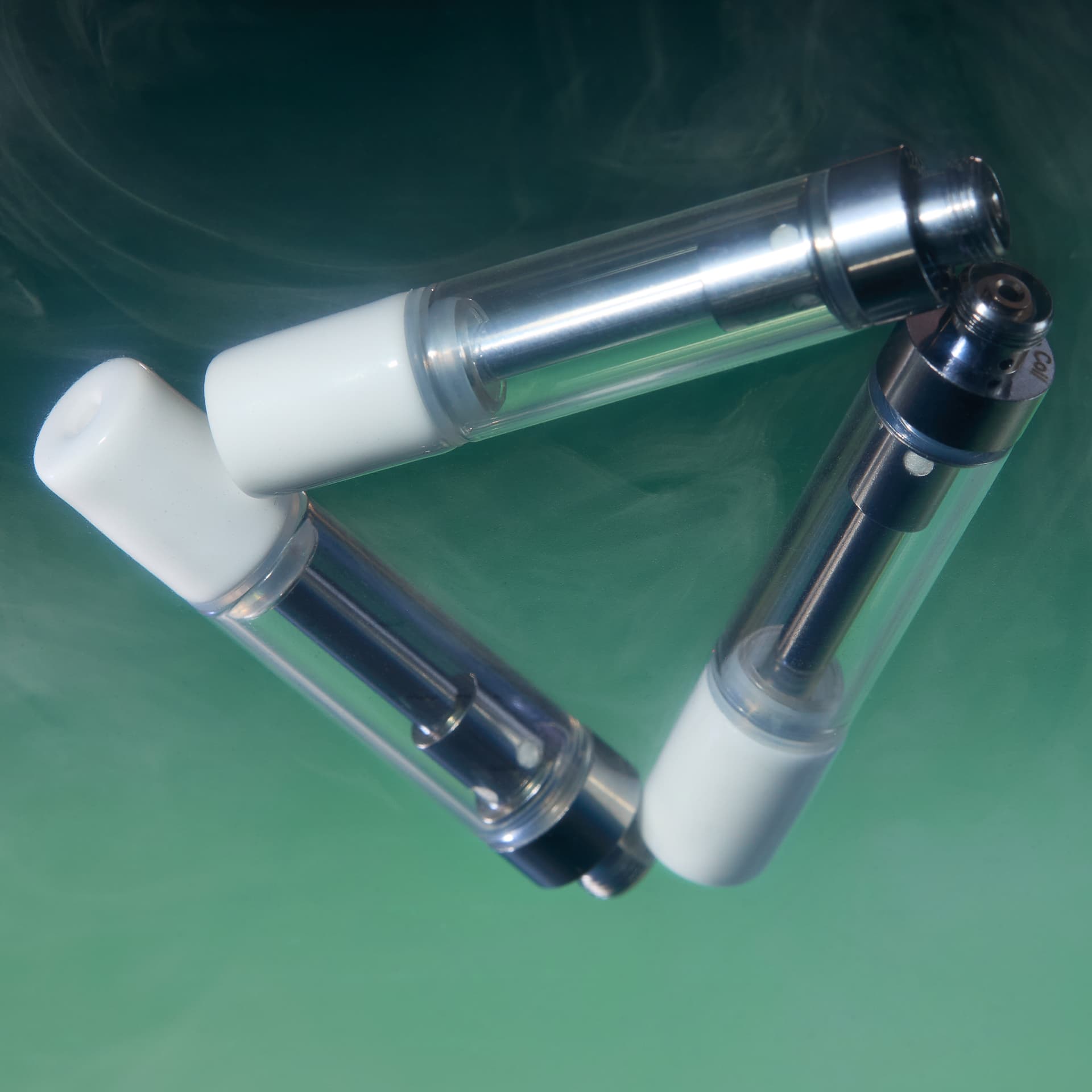
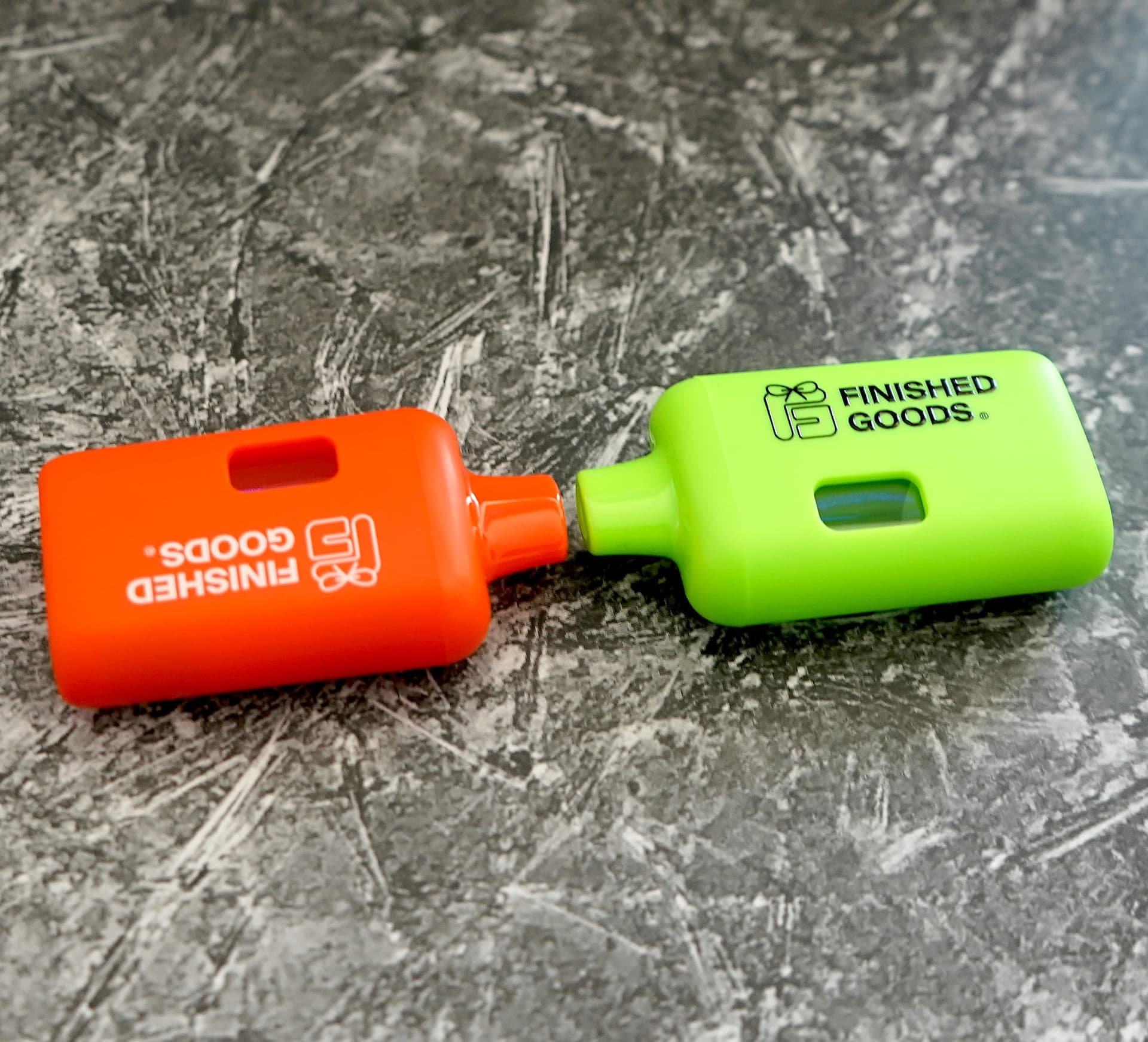
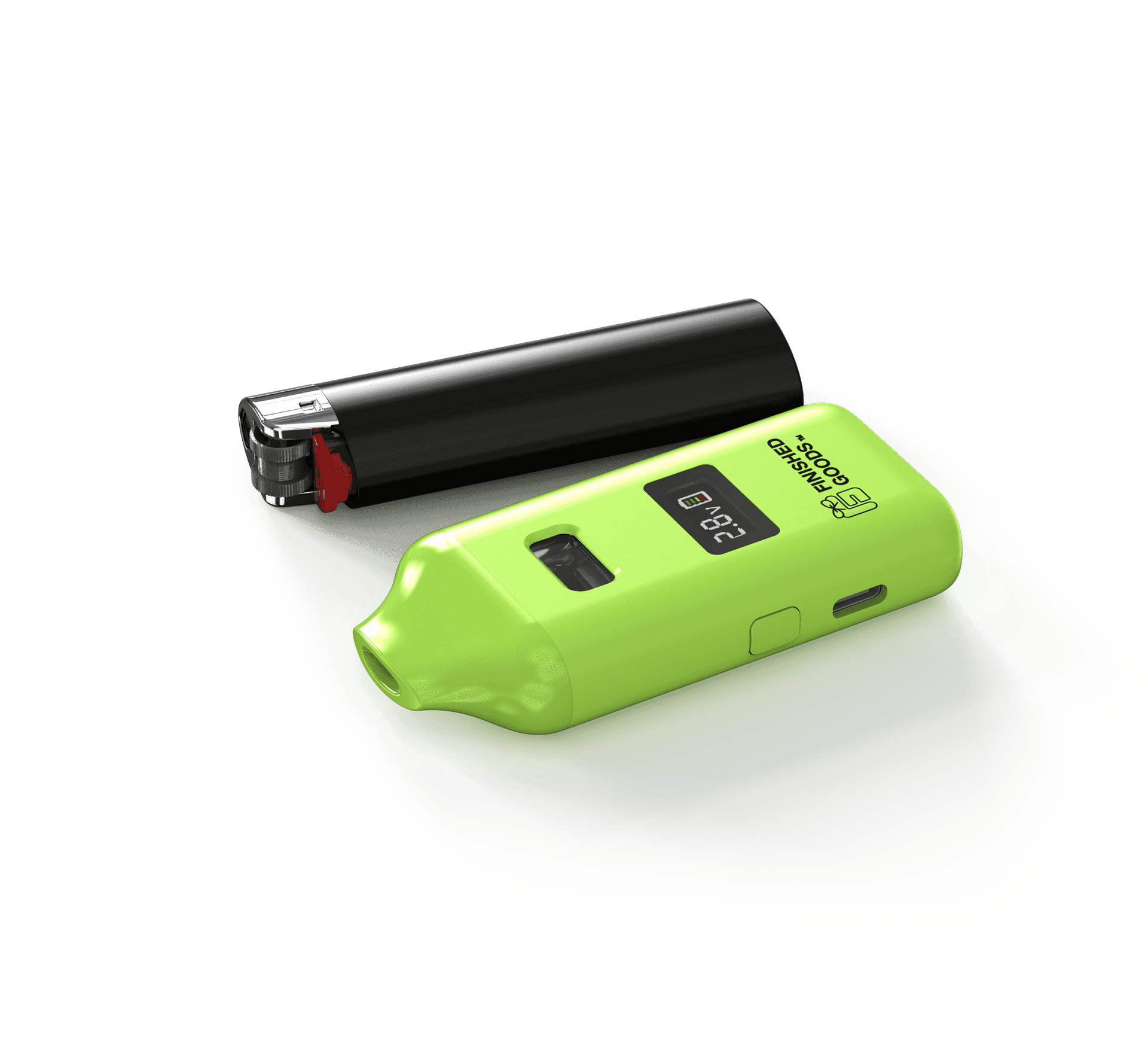
Your cannabis hardware setup cost falls into two buckets. Setup line items can include samples, custom branding, tooling, artwork, and child-resistant (CR) packaging evidence and review. Recurring line items can include hardware, packaging, case packs, freight, incoming quality control, and market-specific testing. Classify the timing of each item from the actual quote and approval plan. A first-run budget can miss costs outside the hardware unit quote. This post lays out a launch budget model you can fill in with real quotes before you send an RFQ or commit to an MOQ.
This worksheet focuses on launch commitments and cash timing. To compare per-unit economics, calculate from your actual quotes, accepted usable units, and approved test plan.
The cost buckets in a first production run
Before you collect a single quote, set up your budget with these line items. Not every line applies to every project; use the table to identify costs in the actual quote and validation plan.
| Bucket | Type | Paid when | Scales with volume? |
|---|---|---|---|
| Hardware samples | One-time | Before PO | No |
| Custom branding setup (print plates, screens, color matching) | One-time | At or before PO | No |
| Custom tooling or molds | One-time | Before production | No |
| Artwork, dielines, and proof rounds | One-time | Before production | No |
| CR packaging evidence and review | Program-dependent | Before package approval | May recur after changes |
| Hardware units at MOQ | Per run | Deposit at PO, balance before ship | Yes |
| Primary and secondary packaging | Per run | Deposit at PO, balance before ship | Yes |
| Case packs and master cartons | Per run | With hardware or packaging order | Yes |
| Freight, duties, and brokerage | Per run | At shipment or arrival | Partly |
| Incoming QC and fill testing | Per run | On receipt | Partly |
| Finished-product testing, if required | Per applicable plan | At required checkpoint | May recur |
The timing of each cost matters for cash flow. Setup costs may land before revenue; recurring costs affect reorders. Evidence and testing can recur when a design, market, or requirement changes, so model them from the actual approval plan rather than assuming every item is paid only once.
One-time costs: samples, branding, tooling, artwork
Samples
Budget for the sample rounds your approved qualification plan requires. An early round can test oil and hardware fit, while a later round can confirm the proposed production configuration after any design or branding changes. Record the acceptance criteria and reasons for another round rather than assuming one fixed count works for every program.
Things to account for:
- Sample units themselves, which may or may not be credited against a future PO
- Sample shipping by the actual approved carrier and service
- Your own oil and staff time for fill and pull testing
- Any lab testing you run on sample units
Custom branding setup
Stock hardware without decoration may reduce setup work. Ask suppliers to quote any printing, color matching, engraving, and proof costs for the exact configuration. Pad printing, silkscreen, and color-matched injection all have their own setup steps. Ask whether extra colors or print locations add setup steps or cost.
If you plan to run several strain or product lines on the same hardware, decide early whether branding lives on the hardware or on the packaging. Compare the quoted cost and revision process for changing hardware and packaging artwork later.
Custom tooling or molds
Tooling can be a substantial up-front line item when a brand moves beyond stock hardware. A unique device shell, mouthpiece, or packaging insert may need new tooling; confirm the process and cost with the supplier. Ask how tooling changes affect the quoted timeline and which costs remain payable after a design revision.
Questions to ask before you approve tooling:
- Who owns the mold once it is paid for?
- Is the tooling cost amortized into unit pricing or billed up front?
- What is the expected mold life, and what happens when it wears?
- How many revision rounds are included before additional charges apply?
Compare stock and custom configurations against the brand requirements, qualification work, quoted timing, and cash commitment before paying for a new mold.
Artwork, dielines, and proofs
Include internal design time and any outside artwork or proof charges in the packaging budget. Identify which package components need dielines and which must carry the approved warnings, symbols, potency fields, or other market-specific copy. Budget for:
- Dieline creation or adaptation for every package component
- Proof rounds (digital and, for color-critical work, physical)
- Compliance review of each state's labeling requirements
- Re-proofing when a state changes its rules
For each destination market, have a compliance reviewer identify the required artwork and labeling. Reuse a dieline or copy only where the approved requirements match.
Per-run costs: hardware, packaging, case packs, freight
Hardware at MOQ
Reconcile your forecast with the supplier's quoted minimum for the exact SKU, color, and decoration. Compare the full deposit and balance schedule for stock and custom options before treating an MOQ as affordable.
When you model this line, compare:
- The MOQ on stock vs. branded vs. fully custom configurations
- Deposit terms and when the balance comes due
- Whether the MOQ applies per SKU, per color, or per order
Packaging
Hardware and packaging minimums may differ. Request both quoted quantities, including print and artwork variants, so the budget shows any excess packaging inventory.
Packaging per-run costs include:
- Primary packaging (box, tube, blister, or bag)
- Inserts and trays
- Labels and compliance stickers
- Shrink, seals, or tamper-evident features
Case packs and master cartons
Case pack configuration can affect freight, storage, and fill-line handling. Ask for case pack counts and carton dimensions with every quote so you can model pallet counts and warehouse space.
Freight
Freight depends on shipment size, timing, mode, route, and contract terms. Budget freight, customs brokerage, and duties as separate quoted lines. For shipping terms, compare FOB and DDP using each supplier’s dated quote and the same landed-cost line items.
Incoming QC
Plan receiving inspection and release responsibility before the hardware arrives. Have the quality team define inspection and release checks for the exact device and risk, which may include physical, leak, or electrical checks. Factor in staff time, reject handling, and the remedy terms in the written agreement.
AIO vs 510 cart: how format changes the setup budget
Format affects which hardware, packaging, transport, and validation lines appear in the budget. Compare formats against the same approved requirements and current quotes.
| Factor | 510 cartridge | All-in-one (AIO) |
|---|---|---|
| What you buy | Cartridge only; consumer supplies the battery | Complete device with battery, sealed |
| Unit complexity | Cartridge and atomizer; battery selected separately | Integrated battery and controls; exact features vary |
| Branding surface | Mouthpiece, base, and packaging | Full device body plus packaging |
| Tooling exposure | Depends on the selected cartridge and customization | Depends on whether the device needs custom parts |
| Sample testing scope | Define fill, wicking, sensory, and leak checks for the exact cartridge | Define device, battery, and activation checks for the exact AIO |
| Freight considerations | Depends on the shipped kit | Battery transport rules may apply |
| Packaging | Depends on product and retail kit | Depends on device and retail kit |
The practical takeaway: an AIO integrates a battery and controls, while a 510 cartridge relies on a separately selected battery. Compare the exact sample, tooling, packaging, freight, battery-transport, and validation costs in current quotes before choosing a format; neither has a universal setup-cost advantage.
A brand may launch one format and add another after product validation and demand review. Model both options against the same requirements and quoted terms.
Compliance line items: CR packaging and lab testing
CR packaging evidence and approval
For a package intended to meet child-resistance requirements, identify the applicable market rules and the exact product-package configuration with a compliance reviewer. 16 CFR 1700.20 describes a federal special-packaging test procedure, while ASTM D3475 classifies package types. Neither alone approves a cannabis package for every market. A change to the closure, structure, or material may require new evidence or testing.
Budget points:
- Request test evidence for the exact package design and confirm what certification, if any, applies to the finished product and destination market
- If you are using a custom design, plan for testing cost and lead time before launch
- Retain applicable test reports and certification records with the approved package specification for later review
A stock package with applicable test evidence may reduce setup work, but compare its documented scope, proposed printing changes, quotes, and timing before choosing it.
Lab testing
Testing requirements and sampling cadence vary by product and destination market. Have the compliance and quality teams identify the current finished-product and hardware-material tests that apply, including any heavy-metals review. Request documentation for the exact hardware configuration and budget for the required testing plan; do not assume one panel or per-batch cadence applies everywhere.
A test failure can create investigation, replacement, and timing costs; model a contingency based on the approved test plan. A qualified pilot fill before the production PO can help surface fit issues; price that validation in the sample plan.
Budget worksheet: sample to PO to first fill
Use this as a template. Fill each line with a quoted number, not an estimate, before you commit to a PO.
| Stage | Line item | One-time or per run | Quoted amount | Paid when |
|---|---|---|---|---|
| 1. Sampling | Sample units, round 1 | One-time | Before PO | |
| 1. Sampling | Sample units, round 2 | One-time | Before PO | |
| 1. Sampling | Sample shipping | One-time | Before PO | |
| 1. Sampling | Sample fill and lab testing | One-time | Before PO | |
| 2. Design | Branding setup | One-time | At PO | |
| 2. Design | Tooling or molds (if custom) | One-time | Before production | |
| 2. Design | Dielines and proofs | One-time | Before production | |
| 2. Design | CR evidence or retesting, if needed | Program-dependent | Before launch | |
| 3. PO | Hardware deposit | Per run | At PO | |
| 3. PO | Packaging deposit | Per run | At PO | |
| 4. Production | Hardware balance | Per run | Before ship | |
| 4. Production | Packaging balance | Per run | Before ship | |
| 5. Shipping | Freight | Per run | At ship | |
| 5. Shipping | Duties and brokerage | Per run | On arrival | |
| 6. Receiving | Incoming QC labor and rejects reserve | Per run | On receipt | |
| 7. First fill | Finished-product testing, if required | Per applicable plan | After fill | |
| All stages | Contingency reserve | One-time | Held back |
Use the worksheet to:
1. Map each line to a date. Your cash need is not the total; it is the total at each point in time. Tooling and deposits can land weeks or months before the first sale. 2. Keep one-time and per-run totals separate. The per-run total divided by units is your reorder cost basis. The one-time total is your launch investment, recovered over the life of the SKU.
Where brands overspend
Check for these avoidable budget gaps:
- Customizing too early. Custom molds on an unproven product lock in cost before you know what sells. Compare stock hardware and custom tooling against the approved product requirements and current quotes.
- Ignoring packaging MOQs. Brands size hardware correctly and then overbuy packaging because the print minimum is higher. Ask for packaging MOQs at the same time as hardware MOQs.
- Skipping a second sample round. Set the sample rounds and acceptance criteria from the quality plan before the production order.
- Paying for air freight by default. First-run urgency pushes brands to air. Building lead time into the plan keeps ocean freight on the table.
- Changing a CR package without budgeting for evidence review. A design change may require new testing and review before approval.
- Treating quotes as comparable when they are not. One supplier quotes landed, another quotes ex-factory, a third leaves out branding setup. Normalize every quote to the same line items before comparing.
A structured request helps when quotes differ. Ask each supplier for the same line items, quantities, specifications, delivery scope, payment terms, and evidence, then enter its quoted values in the worksheet above.
Getting real numbers
Every dollar figure in a launch budget depends on format, configuration, branding, volume, and destination state. Generic ranges are a poor substitute for a quote built on your actual spec. If you are scoping a first run, Finished Goods can quote hardware and packaging against the same line items in this worksheet, so you see one-time and per-run costs separately before you commit to an MOQ.