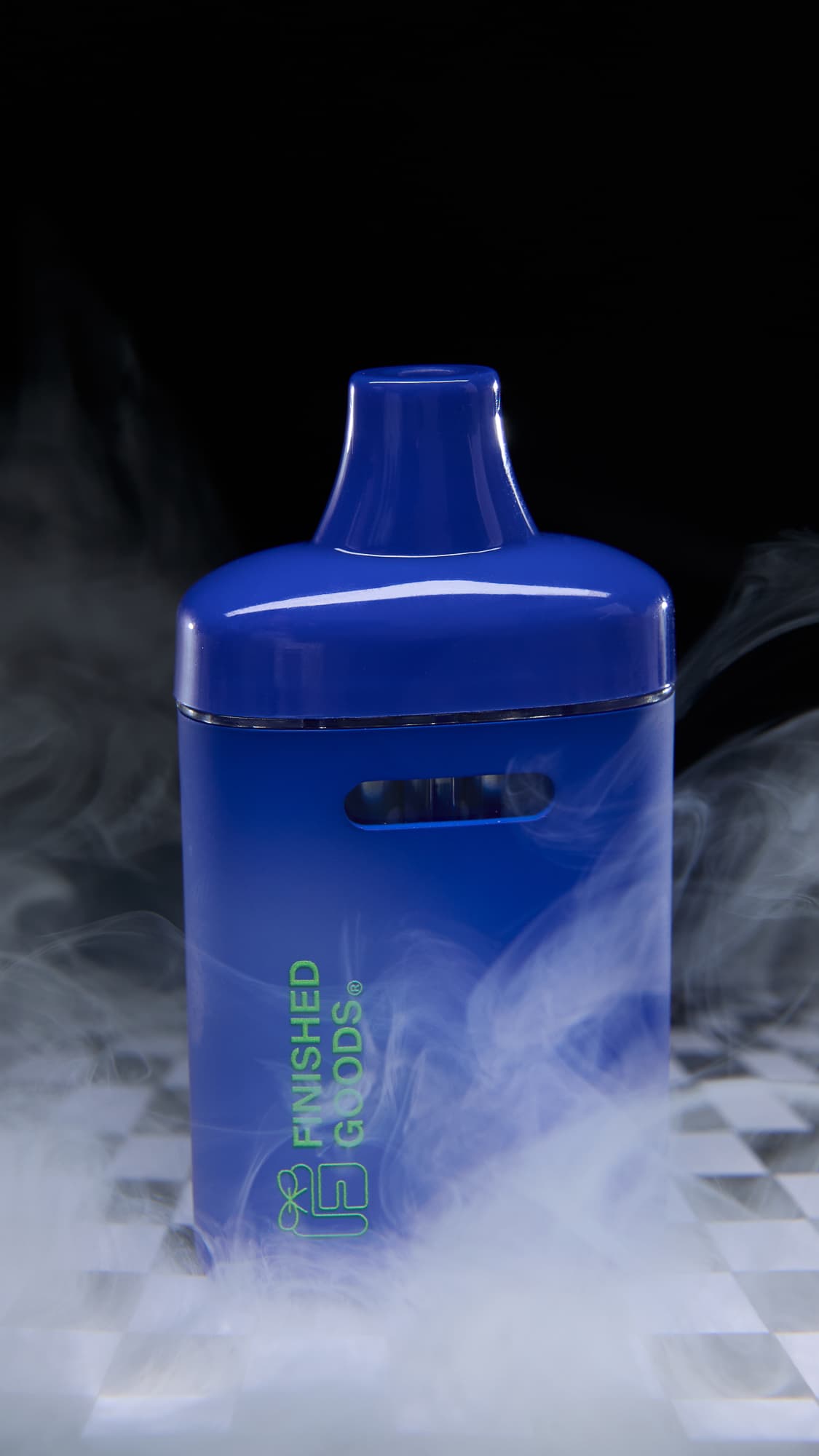
Supermini Cannabis Vape: Oil-Matched Hardware for Licensed Brands
Evaluate Supermini cannabis vape capacity, oil and device fit, filling setup, decoration, sample evidence, and the configuration to confirm before ordering.
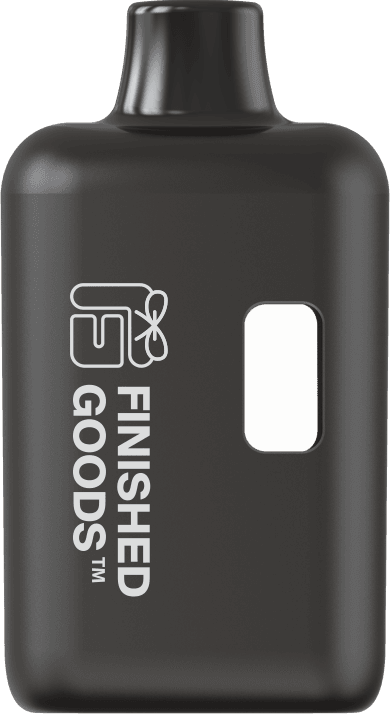
Supermini Cannabis Vape: Compact 1G–2G All-in-One Hardware
The Supermini cannabis vape is a compact, draw-activated all-in-one built around 1G and 2G fills. Confirm the dimensions, finished weight, and selected capacity on the current drawing and sample, then evaluate the device with its retail package and intended filling process.
Before production, connect the selected capacity, materials, electrical configuration, oil-matching choices, filling workflow, and decoration in one sample approval record.
Supermini Configuration Checklist
The current Supermini product page is a starting reference. Confirm each configuration item against the current quote, supporting records, and sample:
- 1G to 2G capacity;
- finished device weight and dimensions for the selected configuration;
- draw activation;
- no button, display, or preheat in the current comparison table;
- materials, atomizer, heating element, and filling-tray configuration confirmed for the exact quoted revision;
- silk screen, spot UV, and foil decoration;
- injection-molded matte body and mouthpiece treatment, with soft touch available.
Request the battery-cell rating, operating output, and control behavior for the exact Supermini configuration. If source documents show different values, ask the supplier to identify the revision and measurement conditions before approving the electrical specification.
Why the 1G–2G Range Changes the Approval Plan
Evaluate each selected fill configuration through its intended use. Do not carry a smaller-fill approval forward without checking whether its evidence covers the larger fill and the proposed use conditions.
For a 1G program, the brand still needs full life-cycle testing. For a 2G program, extend that testing to include:
- wicking after longer storage intervals;
- residue accumulation late in the fill;
- flavor change across repeated sessions;
- first-draw recovery after the unit sits unused;
- battery consistency through the intended oil volume;
- pressure and leak behavior after temperature cycling;
- end-of-fill performance, not just first-day performance.
Do not approve the 2G SKU based only on a partially consumed sample. The device should be tested through the amount of oil the retail unit will actually contain.
A Small Device Still Needs a Complete Specification
The Supermini’s small exterior is part of its value, but “small” is not a procurement specification. The order documents should identify:
- 1G or 2G reservoir;
- approved atomizer;
- approved battery and electrical profile;
- activation method;
- body, tank, center-post, and mouthpiece materials;
- finish and print process;
- tray and filling configuration;
- oil used for approval;
- fill, cap, cooling, and saturation parameters;
- retail packaging and case-pack orientation.
This level of detail prevents a reorder from being treated as an interchangeable version of the same outer shell.
Oil Matching With PrecisionFlow
The product comparison identifies distillate, liquid diamonds, and live resin as common pairings. Request the current atomizer options for the exact Supermini revision, then validate the selected configuration with the production oil before approval.
The brand should send representative production oil for evaluation. A complete oil brief includes viscosity at fill and room temperature, terpene concentration, extract type, expected storage conditions, and any planned formulation changes.
The sample review should answer:
- Does the atomizer saturate evenly after filling?
- Is the first draw clean after the required rest period?
- Does the device recover after sitting overnight?
- Does vapor output remain stable through the 1G or 2G fill?
- Are there signs of flooding, dry hits, clogging, or leakage?
- Does flavor remain acceptable late in the device life?
Read the PrecisionFlow™ explanation for the engineering framework, but approve the Supermini using the exact oil and internal configuration being purchased.
Draw Experience
The current Supermini comparison describes draw activation without a button. That means airflow and sensor response carry most of the consumer interaction.
Specify the desired draw in testable terms:
- activation pressure;
- airflow resistance;
- vapor production at a defined draw duration;
- recovery time between draws;
- behavior during short versus long draws;
- mouthpiece temperature;
- condensation after repeated use.
“Large clouds” is a marketing description, not an acceptance criterion. A sample worksheet should record repeatable observations so the brand and supplier can agree on the target.
Materials and Documentation
Request the current material, atomizer, heating-element, battery, and transport documentation for the exact quoted Supermini revision. Confirm that the same component set appears in the filled sample and production order.
Request documentation for the exact configuration, including the applicable battery and transport records. For every production order, make sure the paperwork identifies the same component set approved in the filled sample.
Material review should also consider the oil. A device can use familiar materials and still perform poorly if the atomizer, seals, heat profile, and formulation are not validated together.
Filling and Tray Integration
Request the current tray quantity, dimensions, material, and filling-equipment options for the exact quoted revision. Treat the tray as part of the production configuration, not as a decorative accessory.
Before the pilot, provide:
- filling-machine manufacturer and model;
- needle gauge and tip style;
- tray pitch and rack dimensions;
- target fill weight;
- oil temperature range;
- expected line rate;
- capping method and force;
- maximum fill-to-cap time;
- post-fill cooling and saturation plan.
Run a line trial using the planned tray. Check device stability, fill-port access, needle clearance, fill accuracy, cap seating, oil at the airpath, and tray handling after filling.
The all-in-one filling instructions are a general reference. The signed Supermini SOP should reflect the actual oil, equipment, capacity, and closure process.
Decoration for a Small Surface
Finished Goods lists silk screen, spot UV, foils, an injection-molded matte standard finish, and an optional soft-touch body. Because the device is small, artwork needs a disciplined hierarchy.
Confirm:
- logo size and clear space;
- print location relative to seams and curves;
- color match on the selected material and coating;
- foil or spot-UV registration;
- fine-type legibility;
- resistance to abrasion, oil, and repeated handling;
- consistency between body and mouthpiece colors;
- presentation inside the retail package.
Approve a physical decorated sample. Keep it as the reorder standard together with the signed color and placement specifications.
Sample and Reliability Plan
Empty-Hardware Inspection
Review dimensions, capacity, finish, printing, mouthpiece fit, activation, and cosmetic variation. Verify the tray and requested documents.
Filled Pilot
Fill with production oil on the intended line. Record oil temperature, fill weight, capping time, rest period, and sample identifiers. Test upright, inverted, and after controlled heat exposure.
Use-Life Test
Run 1G and 2G samples through their intended lives. Record activation, vapor, flavor, draw resistance, leakage, clogging, battery behavior, and end-of-fill condition.
Retention Samples
Keep filled and empty samples from the approved lot. They provide evidence if a later order behaves differently.
Commercial Timing
Request current sample, approval, production, inspection, and delivery milestones for the exact quantity, decoration, and packaging configuration. Record the inputs and approval dates each milestone depends on.
The quote should distinguish stock samples, decorated samples, pilot units, production MOQ, tooling, printing, retail packaging, inspection, freight, and reorder lead time. A lower device price is not a complete comparison if it requires a larger commitment or adds separate packaging and freight costs.
When the Supermini Fits
The Supermini is a strong candidate when a brand wants:
- a compact 1G or 2G AIO;
- draw activation without a consumer button;
- no display or preheat in the standard comparison configuration;
- a tray configuration validated on the intended filling line;
- a matte or soft-touch exterior;
- an atomizer selected for the production oil.
Choose another platform if the program requires a screen, user-selectable controls, replaceable pods, dual tanks, or capacity above 2G.
Supermini RFQ Checklist
1. Is the quoted unit 1G or 2G? 2. Which atomizer is recommended for the submitted oil? 3. Which battery and voltage specification will control the purchase order? 4. How will the quoted tray configuration integrate with the filling line? 5. Which materials and test documents apply to the exact build? 6. Which coating and print methods are included? 7. How many filled samples are required for approval? 8. What are the current sample, customization, and production timelines? 9. Which components require written approval before substitution? 10. What remedy applies if production differs from the signed sample?
Supermini FAQ
Is the Supermini a one-gram or two-gram device?
Finished Goods lists both 1G and 2G capacities. The quote, sample label, purchase order, and retail artwork should all identify the selected capacity.
Does the Supermini have consumer controls?
The current comparison table describes draw activation with no button, display, or preheat. Confirm the electrical specification, revision, and operating instructions on the signed sample.
Which oils fit the Supermini?
The product comparison lists distillate, liquid diamonds, and live resin as common pairings. The exact atomizer still needs to be selected and validated with the production oil.
Can it run on automated filling equipment?
Request the current tray options and dimensions for the exact quoted revision. Compatibility should be proven on the brand’s actual line before production.
Approve the Supermini Program
Choose the capacity and configuration around the intended formulation, filling process, and retail unit. Evaluate the complete fill, record the conditions and acceptance criteria, and retain the approved device, tray, artwork, and packaging references.
The reorder should identify the same atomizer, battery, electrical profile, materials, finish, print, tray, and process specification. Review changes before release and repeat the affected checks under the quality owner’s plan.
Request a Supermini configuration and sample proposal with the selected fill, formulation description, equipment, packaging, decoration, quantities, destination, and timing. Ask for the current specification, available evidence, evaluation responsibilities, and commercial terms.