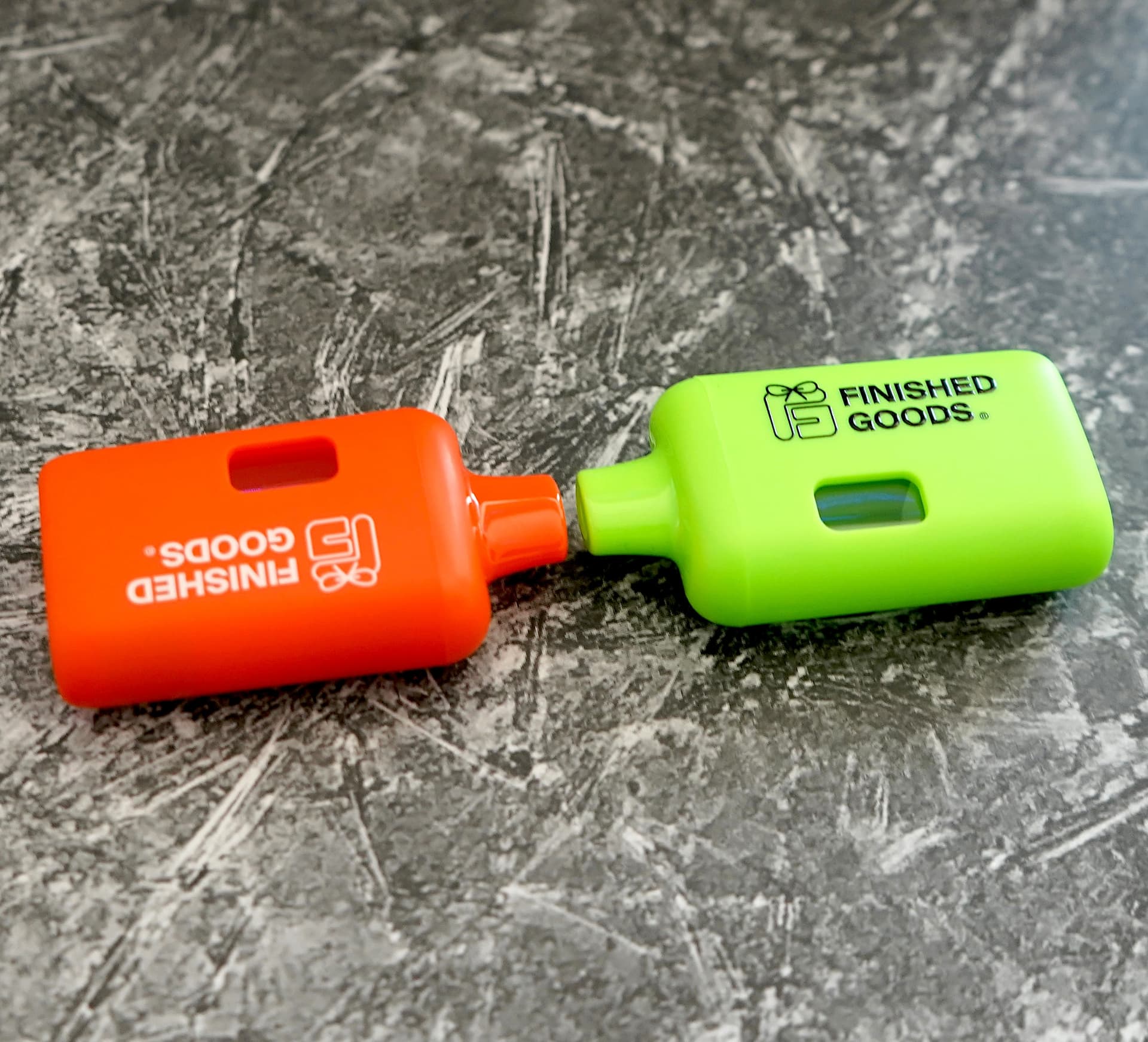
Best Vape Hardware for Scaling Cannabis Production
How to choose scaling cannabis vape hardware: format selection, oil compatibility, filling line fit, and quality controls that hold up at production volume.
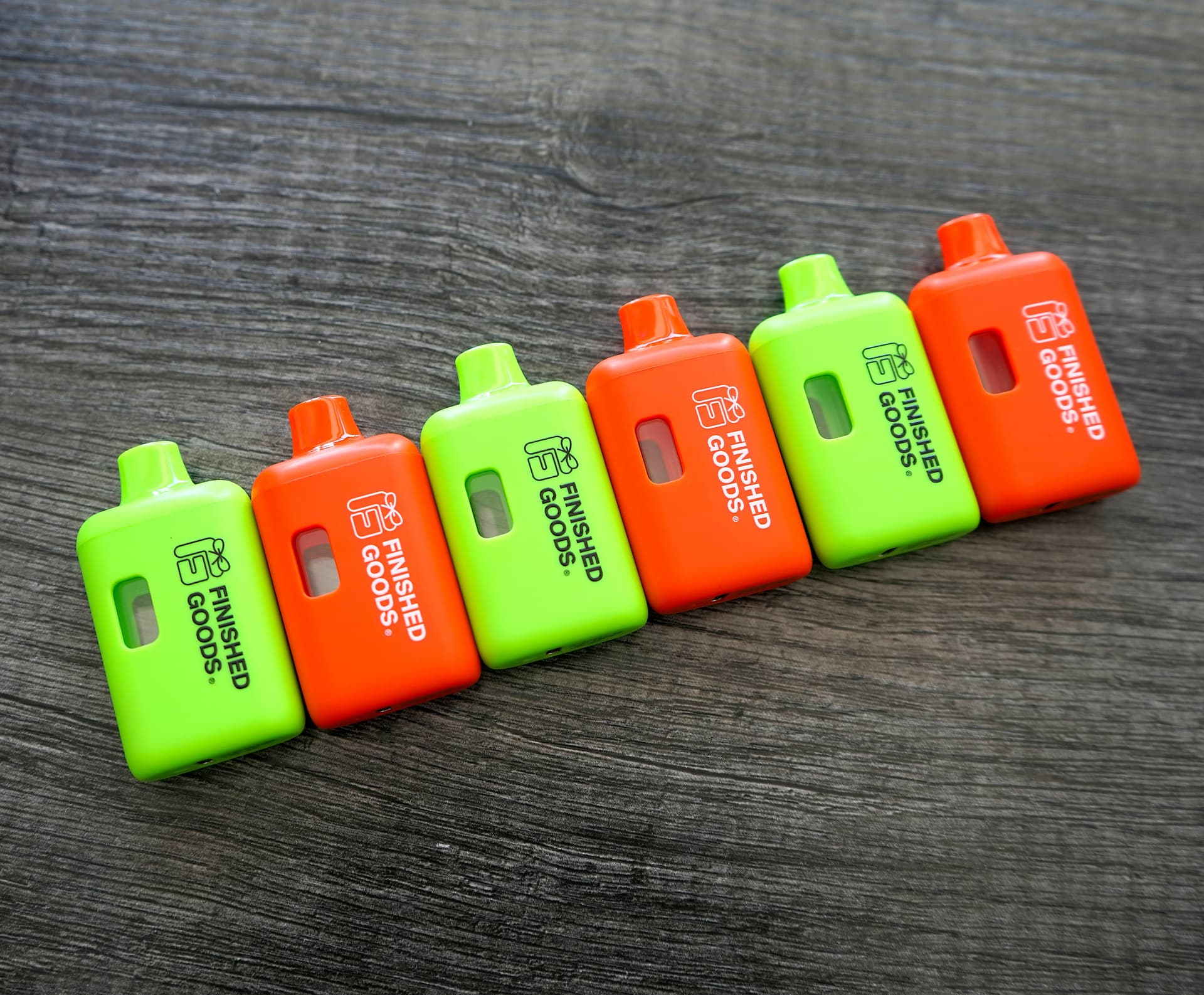
The best vape hardware for scaling cannabis production is the approved platform that works with the oil, runs consistently on the filling line, supports defined inspection methods, and can be replenished without silent specification drift. A long feature list or low empty-unit price does not establish scale readiness.
A cartridge or all-in-one can perform well in a 50-unit bench trial and still fail operationally at 50,000 units. Scaling exposes variation in oil, components, equipment, operators, capping time, storage, freight, and supplier control. Hardware selection should therefore be treated as a production-system decision, not a sample-room preference.
Define What "Scaling" Means for the Brand
Scaling can mean:
- Increasing one SKU from a pilot to a regional launch
- Adding multiple oil families
- Moving from manual filling to automation
- Supplying more states
- Building a recurring national program
Write the operating target before comparing devices.
Include:
- Monthly units by SKU
- Batch size
- Oil families
- Fill weights
- Filling equipment
- Shift pattern
- Markets
- Target failure rate
- Planned launch dates
- Decoration
- Packaging
- Replenishment expectations
The "best" hardware is the build that meets those requirements with manageable risk.
Choose the Format Around the Commercial and Operating Model
510-Thread Cartridges
510 cartridges offer broad consumer battery compatibility and allow brands to sell oil separately from the power source. They can simplify device electronics at the filled-product level, but performance still depends on the consumer's battery and setting. For production, the brand must control cartridge dimensions, atomizer, fill process, capping, and trays.
All-in-One Devices
All-in-ones combine reservoir and battery, giving the brand more control over voltage, activation, airflow, and the complete experience. They also add electronics, charging behavior, and a larger bill of materials to the quality plan. High-capacity AIOs require full-life validation; a device that performs through the first fraction of the fill has not been proven for the entire unit.
Pod Systems
Pod systems combine a reusable branded battery with replaceable pods. They can support repeat purchases and tighter ecosystem control, but require management of both battery and pod inventory. Mechanical and electrical fit between generations must be governed so new pods and installed batteries do not become an uncontrolled compatibility problem.
No format is universally best.
Choose based on:
- Oil behavior
- Consumer proposition
- Filling process
- Quality controls
- Supply strategy
Standardize Platforms Before Multiplying SKUs
Rapid growth often creates a hardware zoo: one device for distillate, another for live resin, a special color for one market, a different mouthpiece for a retailer, and an emergency substitute from another vendor. Each variation adds samples, artwork, inventory, line setup, training, inspection, records, and failure modes.
Build a controlled platform strategy. Use the smallest practical number of device families, then define approved atomizer or power variants for oil groups that truly require them. Standardize trays, capping interfaces, packaging dimensions, and inspection methods where possible.
Do not force every formulation through one atomizer merely to reduce SKU count. Standardization should remove cosmetic and operational variation while preserving the oil-specific engineering that performance requires.
Prove Oil Compatibility at Full Use
Oil fit is the first technical gate. Viscosity, terpene content, cannabinoid profile, crystallization, intake design, ceramic properties, airflow, voltage, and storage conditions interact. A supplier's catalog recommendation is a hypothesis until it is tested with the brand's oil.
Use representative production formulations and control the fill procedure, saturation time, battery, puff protocol, orientation, and temperature exposure. Evaluate:
- First use
- Mid-life
- End of life
Record:
- Leakage
- Clogging
- Draw behavior
- Vapor
- Taste
- Burnt or dry hits
- Discoloration
- Remaining oil
- Electrical failures
If multiple formulations share one hardware build, document why they belong in the same validation group. When a formulation changes materially, route it through review. Oil change control is hardware change control because the two operate as one system.
Make Filling Compatibility a Release Requirement
Hardware that requires delicate manual handling may not scale. Confirm dimensional fit with the filler, tray, capper, conveyors, and inspection stations. Finished Goods identifies compatibility work across systems such as Thompson Duke, DDS, ATG Pharma, and Vape-Jet; the exact cartridge, tray, equipment model, and process still need a production trial.
Run the pilot at realistic speed.
Measure:
- Fill-weight capability
- Nozzle alignment
- Center-airpath contamination
- Capping force
- Cap depth
- Breakage
- Jams
- Operator interventions
- Changeover time
- Scrap
- Throughput
Track the time allowed between fill and cap, oil temperature limits, and saturation hold.
A scalable platform produces stable results across operators and shifts. If success depends on one technician's touch, the process is not ready.
Build Objective Quality Controls
Visual inspection is necessary but insufficient. Define critical-to-quality characteristics and how each will be measured. Depending on the format, controls may include:
- Dimensions
- Resistance
- Airflow
- Pressure or vacuum leakage
- Activation
- Charging
- Firmware or settings
- Cap fit
- Thread function
- Print quality
- Package counts
Specify sample sizes, acceptance rules, test equipment, calibration, records, and disposition.
Ask the supplier what is checked at:
- Incoming component inspection
- In process
- Final assembly
- Pre-shipment
"Tested" should resolve into named methods and evidence.
Add filled-product checks because empty hardware cannot demonstrate oil compatibility. Retain samples from production lots and link field complaints to device, oil, fill date, line, and distribution records. Scaling without traceability turns every complaint into a guess.
Evaluate Supplier Capacity and Continuity
A supplier that can make a good sample may not be able to repeat it at volume. Ask:
- How capacity is reserved
- Which factory and line will build the order
- How critical components are sourced
- What lead times apply at the proposed quantity
- What happens during peak periods
Require a written bill of materials or controlled specification, lot identification, and advance notice of changes. Atomizers, seals, alloys, batteries, firmware, coatings, and assembly methods should not change silently between orders.
Domestic inventory can protect reorders and demand spikes. Finished Goods currently states that it stocks U.S. inventory for two- to five-day domestic shipment, while full custom production takes approximately six weeks before freight. Confirm availability for the exact approved revision. Generic stock is not a backup until oil and line compatibility are documented.
Plan Lead Time and Safety Stock Together
Use the full replenishment cycle: approvals, production, transit, receiving, and release. Add demand variability and a contingency appropriate to the program. A reorder point based only on factory time will be too late.
For a growing SKU, use staged commitments when possible. Validate the build, complete a controlled pilot, launch with enough material to observe field performance, and expand after the evidence supports it. Large speculative orders can lock a brand into unproven hardware; orders that are too small can create repeated setup costs and stockouts.
Create an approved contingency plan before it is needed. Identify whether the backup is:
- Domestic stock of the same build
- A second validated lot
- An alternate device
Do not wait for a shortage to test a substitute.
Use Total Cost Per Saleable Unit
Compare hardware on total program economics:
- Empty-unit price
- Decoration
- Tooling
- Freight
- Duties
- Inventory
- Testing
- Trays
- Line speed
- Yield
- Oil loss
- Rework
- Returns
- Replacements
- Customer-service impact
The cheapest device can produce the highest cost per saleable unit if it creates downtime or failures. A more expensive device may be justified when it raises yield, reduces returns, or supports a stronger retail proposition. Put assumptions into a model and update them with pilot and launch data.
A Stage-Gate Path From Pilot to Scale
Use explicit gates:
Gate 1: Requirements. Commercial brief, oil groups, format, equipment, markets, quality targets, cost, and timeline are approved.
Gate 2: Technical sample. Candidate builds pass identity, fit, electrical, and initial filled-oil screening.
Gate 3: Full-use validation. Approved candidates complete the defined life, storage, orientation, and temperature studies.
Gate 4: Line pilot. Production operators fill, cap, inspect, and pack at realistic speed with recorded yield and defects.
Gate 5: Controlled launch. A traceable lot reaches market with complaint monitoring and retained samples.
Gate 6: Scale release. Procurement increases volume only after process and field evidence meet the targets.
This structure prevents a successful sales sample from becoming an unsupported volume decision.
Questions to Ask Before Scaling a Vape Platform
- Which exact hardware revision is approved for each oil group?
- Has performance been tested through the full intended fill?
- Can the device run on our equipment at target speed?
- What are the critical quality controls and acceptance limits?
- How are lots traced from hardware through filled product?
- What supplier changes require revalidation?
- What capacity and lead time are committed at scale?
- What approved inventory or contingency protects a delay?
- What is the total cost per saleable filled unit?
- What field threshold triggers containment or corrective action?
The Best Scaling Platform Is the One You Can Control
The best vape hardware for cannabis production scaling is a repeatable specification supported by oil-fit evidence, fill-line capability, measurable quality controls, reliable supply, and disciplined change management. A device is not scalable because a factory can quote a large quantity. It is scalable when the brand can make, inspect, replenish, and improve the finished product without losing control.
Finished Goods offers 510 cartridges, all-in-ones, batteries, and pod systems with PrecisionFlow atomizers configured around the oil. Submit the production volume, formulations, filling equipment, preferred format, packaging, markets, and launch plan to build a validation and supply path for the actual program.