Postless Disposable Vape: Why AIO Brands Are Moving to Postless Architecture
Evaluate a postless disposable vape for oil compatibility, atomizer design, airflow, clog risk, battery behavior, full-fill testing, MOQ, and supplier controls.

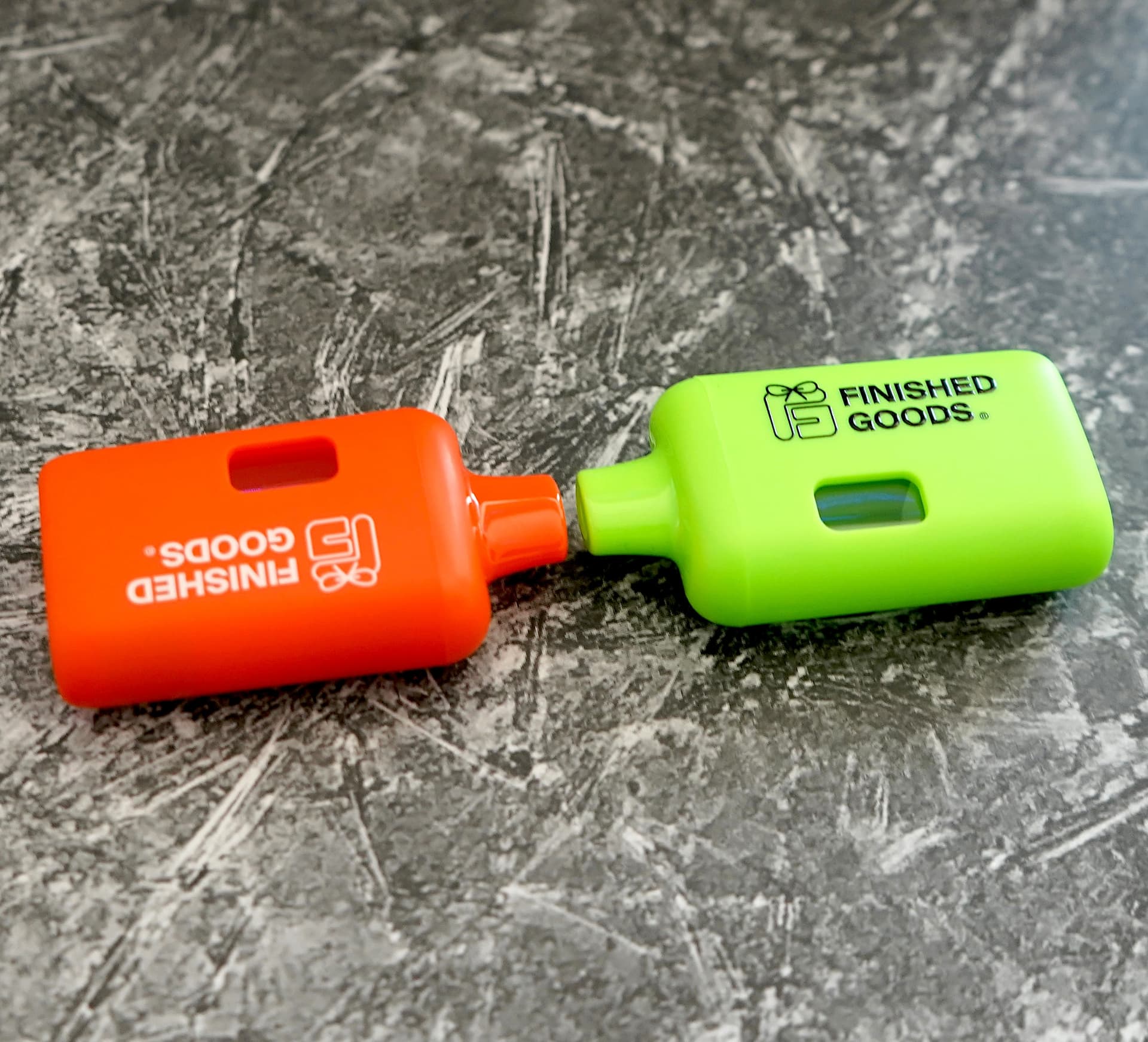
A postless disposable vape is an all-in-one device whose center post has been removed from the oil chamber, so the heating element sits at the base of the tank with airflow routed around or beneath it rather than through a central pillar. For AIO brands, this matters because the post is where most of your clogging, flavor drop-off, and warranty complaints originate. If you are sourcing disposables for live rosin, live resin, or high-terpene distillate blends, postless architecture is now the format buyers are asking for by name.
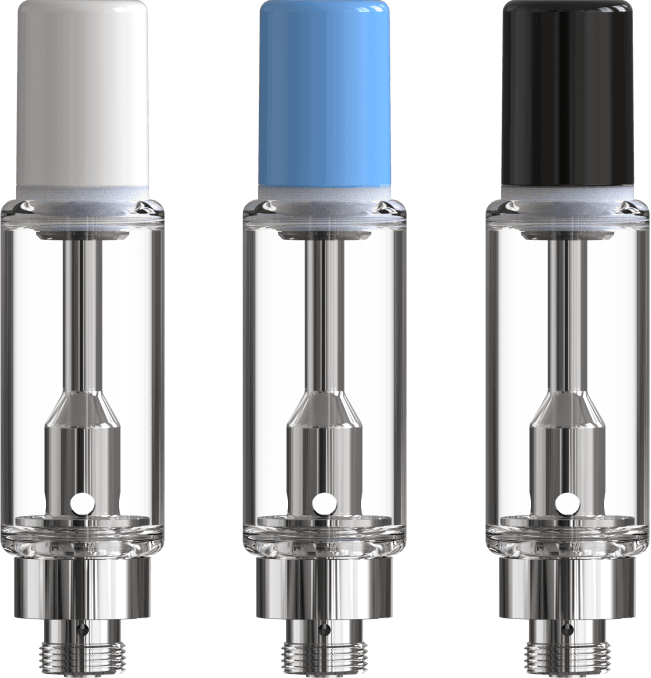
This post is about the AIO/disposable format specifically. If you are looking at 510 cartridges, we have a separate write-up on postless cartridge diameter. The mechanics overlap but the sourcing decisions are different.
What 'Postless' Means at the AIO Level
In a traditional posted AIO, the coil is wrapped around a ceramic or quartz post that runs up through the center of the oil chamber. Oil wicks laterally into the post, hits the coil, and vaporizes. The post is a structural and thermal element, and it is also where oil pools, cures, and eventually clogs.
A postless AIO removes that pillar. The heating element, usually a ceramic disc or plate, sits at the bottom of the chamber. Oil sits directly on top of the heater. Airflow enters through side channels or a bottom intake and exits through a mouthpiece channel that does not pass through the oil reservoir.
The practical differences:
- Oil path is shorter. Oil moves from reservoir to heater in millimeters, not centimeters.
- No wicking through a porous post. Less surface area for oil to sit and oxidize.
- Larger effective heating surface. A disc heater has more contact area than a wrapped coil on a narrow post.
- Different airflow physics. Air does not travel through the hot zone the same way, which changes draw resistance and vapor temperature at the mouthpiece.
Why Brands Are Switching
Oil Compatibility
Posted architecture was built around distillate. Thin, room-temperature-flowable oil wicks well through a central post. As brands moved to live resin, rosin, cured resin, and cold-cure formats, viscosity climbed and terpene content rose. Those oils do not wick reliably through a post. They cure on the post, they starve the coil, and they produce the burnt first-hit complaints that dominate warranty tickets.
Postless disposables sit under the oil. Gravity does the work wicking used to do. Thicker, terpene-heavy oil performs closer to how it performs in a concentrate rig.
Clog Rate
Most AIO clogs happen at the top of the post or in the airway that runs alongside it, where condensed oil collects between sessions. Removing the post removes the geometry that causes this. Postless designs typically route the mouthpiece airway away from the oil chamber entirely, so condensed vapor has nowhere to pool and drip back into a narrow channel.
Brands report meaningful drops in field clog complaints after switching, though absolute rates depend heavily on the oil, the fill process, and the temperature the device ships and sits at in stores.
Flavor
Terpenes are heat-sensitive. A wrapped coil on a post runs hot at contact points and cool elsewhere, which pushes terpene expression toward the harsher end. A larger, more evenly heated ceramic disc at lower peak temperature preserves lighter terpene notes better, particularly on the first third of the device's life when the reservoir is full and heat transfer into the oil is most efficient.
Spec Differences to Ask Suppliers About
When a vendor pitches you a postless AIO, get answers on these before you sample:
- Heater type and material. Ceramic disc, ceramic plate, or hybrid. Ask about porosity if it is disclosed.
- Heater diameter and thickness. Larger surface area at lower wattage generally gives better flavor and lower burn risk.
- Resistance range. Most postless AIOs run between 0.8 and 1.4 ohms. Match to your battery output.
- Battery capacity and mAh-to-oil ratio. A 1g device with a 280 mAh battery behaves very differently from one with 400 mAh.
- Preheat behavior. Fixed preheat, variable voltage, or none. Variable voltage matters more with viscous oils.
- Airflow adjustment. Fixed, or user-adjustable via a ring or slider.
- Fill method. Top-fill vs bottom-fill. Bottom-fill is more common on postless and generally cleaner for co-packers.
- Fill port seal. Silicone plug, screw cap, or heat-sealed. This is a leak-risk decision.
- Chamber material. Food-grade PCTG, PETG, or glass window in a polymer body. Glass is heavier and more expensive but reads as premium.
MOQ, Lead Time, and White-Label Availability
Postless AIO platforms are newer than posted platforms, so the supply picture is different.
- MOQ: Blank units are widely available at 1,000 to 5,000 piece minimums depending on the platform. Custom color, custom mouthpiece geometry, or custom print typically starts at 5,000 to 10,000.
- Lead time: 3 to 5 weeks for stock configurations with custom print. 8 to 12 weeks for custom tooling on mouthpiece or body.
- White-label: Most postless AIO platforms are available as neutral hardware with your artwork on the sleeve or wrap. Full custom body color is a tooling conversation, not a stock conversation.
- Certification: Ask for CARB509, Prop 65, and RoHS documentation. For newer platforms, confirm the certifying lab and date, not just that a certificate exists.
If your launch window is under 6 weeks, plan on stock hardware with printed sleeves. Custom tooling on a new platform is not a first-order timeline.
Failure-Mode Comparison: Postless AIO vs Posted AIO
Posted vs. Postless AIO Failure Modes
- First-hit burnt taste: common in posted AIOs with viscous oils because of post starvation; rare in postless AIOs because the oil sits on the heater.
- Mid-life clogging: frequent at the post-and-airway junction in posted AIOs; uncommon in postless designs because there is no post geometry.
- Leak at the mouthpiece: condensation can run down the center airway in posted AIOs; in postless AIOs, the airway is isolated from the reservoir.
- Leak at the base: depends on seal quality in both architectures.
- Flavor drop-off after 50%: noticeable in posted AIOs because the post retains residue; less pronounced in postless AIOs.
- Battery-side failures: the same class of failures can affect both architectures.
- Cold-weather performance: poor for posted AIOs with high-terpene oils; better in postless AIOs because of the larger heater surface.
- Reheat or dry-hit risk when left inverted: lower in posted AIOs because oil pools away from the coil; potentially higher in a postless AIO if it is not designed for inversion, so verify the chamber vent.
Postless is not universally better. It shifts the failure profile. You trade post-related clogs for a different set of considerations around heater flooding, orientation sensitivity on some designs, and the fact that a bottom-mounted heater is harder to diagnose visually when a device fails in the field.
How to Evaluate a Postless Disposable Sample
When samples arrive, run them the same way your customer will, not the way a QC bench does.
Fill with your actual oil. Not distillate, not the vendor's test oil. Your production formula.
Rest for 24 to 48 hours at room temperature, upright, before first draw. This is the wick-in period. Skipping it is the single most common reason samples underperform.
First draw at 3 seconds, no preheat. Note taste, vapor volume, and any harshness. This is your worst-case customer experience.
Session test. 8 to 10 draws at 3 to 4 seconds, spaced 30 seconds apart. Watch for taper in vapor volume or flavor change.
Rest cycle. Let the device sit 24 hours after the session test. Draw again. This is your clog-risk indicator.
Inversion test. Store inverted for 12 hours. Check for leak at mouthpiece and fill port.
Cold test. Refrigerate at 40F for 4 hours. Draw immediately. Viscous oils harden and this exposes wicking or heater-contact problems.
Full drain. Run the device to empty. Note where flavor and vapor fall off, and whether the last 10 percent is usable or burnt.
Battery cycle count. Charge and discharge fully at least three times if the device is rechargeable. Note any charge-side issues.
Do this across at least 10 units per SKU. Single-unit samples tell you almost nothing about a platform.
Postless Disposable Vape Qualification Record
A postless disposable vape should be approved as a complete oil-and-device system. The absence of a traditional center post does not remove the need to validate the atomizer, intake, airflow, seals, battery, charging behavior, and enclosure through the full intended fill; the postless 510 cartridge sourcing guide provides the related removable-cartridge comparison.
For each postless disposable vape sample round, document the approved postless disposable vape configuration:
- oil identifier and fill conditions;
- device, atomizer, intake, battery, and firmware revision;
- fill weight, headspace, saturation time, and storage orientation;
- charging, indicator, draw, airflow, and cutoff behavior;
- leakage, clogging, flavor, vapor, residue, and end-of-fill observations;
- approved artwork, decoration, package, and physical reference; and
- the changes that require requalification.
Test multiple postless disposable vape units from the same sample lot and retain untouched controls. If a supplier changes the atomizer, seal, battery, material, tooling, firmware, or manufacturing site, determine whether the original postless disposable vape evidence still applies before releasing the next order.
The signed postless disposable vape approval should identify the exact configuration quoted on the purchase order. This keeps the postless disposable vape program tied to repeatable performance and prevents a later reorder from relying on an unchanged product name after the internal system has changed.
Where This Leaves Buyers
Postless AIO is not a marketing category, it is a real change in how oil meets heat inside the device. For brands running live resin, rosin, or any terpene-forward oil, the format solves problems that posted architecture cannot solve at any price point. For brands running distillate, the case is thinner and comes down to flavor and clog rate rather than compatibility.
If you are evaluating platforms right now, get samples from at least two postless suppliers, run the protocol above with your own oil, and compare against your current posted device on the same oil batch. That comparison is the only one that matters.
If you want help scoping a postless AIO program or getting samples in front of your team, reach out through your FGI contact and we will put a sourcing plan together against your oil profile and launch timeline.
Related Reading
- https://www.finishedgoods.com/blog/postless-510-cart-diameter
- https://www.finishedgoods.com/blog/aio-vs-510-disposable-which-cannabis-vape-format-wins-2026