Digital Screen AIOs: When Displays Are Worth the Unit Cost
Decide whether a digital screen AIO earns its unit cost. Compare useful display functions, indicator accuracy, full-use testing, and cost per saleable device.
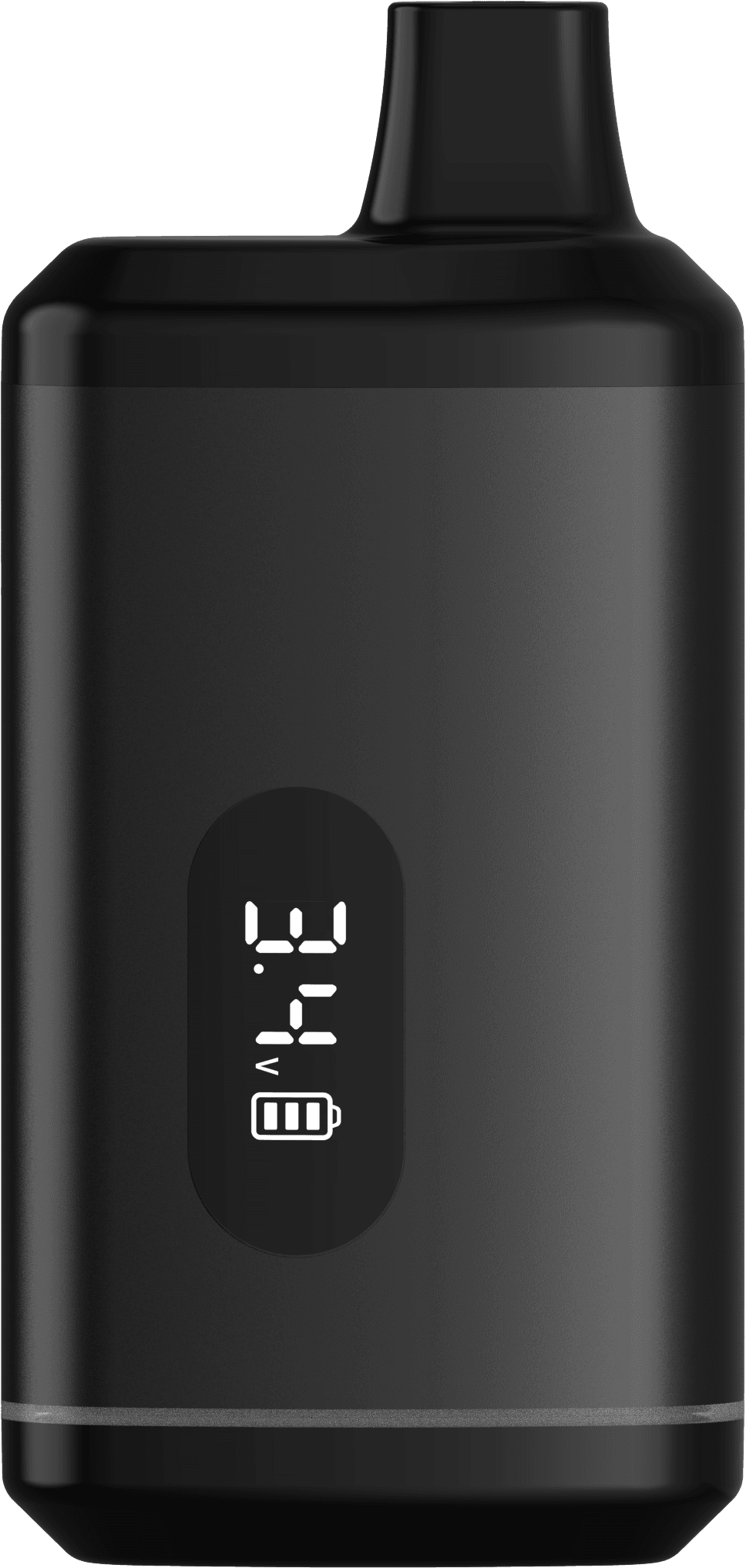
A digital screen AIO earns its extra unit cost when the information on the display solves a defined customer or operational problem. Before specifying a screen, decide what a user needs to know, how the device obtains that information, and what your brand will test before release. A display that looks useful in a sample meeting still has to work through the full life of the filled device.
Compare the screen configuration with a suitable device without a screen. Keep oil, fill volume, atomizer, intended output, customization, packaging, and delivery terms aligned. Otherwise, a price difference may reflect several configuration changes rather than the display alone.
Start with the decision the display supports
Write the user problem in one sentence. Examples include identifying the selected output mode, understanding whether the battery needs charging, or recognizing a device state that needs attention. Then describe the action the user should take when the information appears.
Ask whether a simpler indicator or clearer printed instruction can solve the same problem. If a screen is still preferred, specify its purpose before choosing animation, color, or branding. A label such as “premium experience” is too broad to evaluate on its own.
Separate a displayed value from a measured value
Ask the supplier how every indicator is produced. Is battery information measured under defined conditions or estimated by the firmware? If the screen shows oil remaining, what determines the reading? A fill-volume setting, puff counter, or usage estimate should not be presented as a direct oil measurement without evidence.
Document the meaning and limitations of the display. A percentage, bar, or icon needs an acceptance rule that matches the actual function. If the reading becomes unreliable near the end of the device's life, test that condition and review whether the wording gives the user a misleading impression.
Put the display in the hardware specification
Include the hardware revision, firmware revision, screen behavior, activation method, output modes, charging indication, error states, and approved artwork. Identify which messages are fixed and which can be customized. Ask what changes require a new sample or firmware qualification.
Review the screen alongside the complete AIO configuration. The display does not establish oil compatibility or full-use performance. The atomizer, airflow, battery, filling process, and intended use remain part of the qualification.
Use a functional test matrix
| Check | Question to resolve | Evidence to retain |
|---|---|---|
| Readability | Can intended users read the information under the expected lighting and handling conditions? | Approved viewing conditions, sample identity, and observed results. |
| Mode indication | Does the displayed mode match the programmed device state? | Firmware revision and a test of every supported mode. |
| Battery indication | Does the warning give users useful notice under the defined use pattern? | Full-use test record and the basis for the displayed value. |
| Charging state | Are charging, completion, interruption, and fault states distinguishable? | Reviewed instructions and observed state transitions. |
| Oil indication, if offered | What is measured or estimated, and how does the indication behave near the end of the fill? | Method description, limitations, and comparison with actual remaining oil. |
| Handling | Does the display continue to function after the handling conditions in the brand's test plan? | Defined conditions, acceptance rules, and results. |
Use qualified product and quality personnel to select the conditions and acceptance rules. This matrix is a specification framework, not a universal test standard or a claim that a particular model has passed.
Calculate the cost per saleable unit
Let the incremental screen cost be the difference between comparable quoted configurations. Add any incremental tooling, artwork, qualification, inspection, packaging, freight, and support costs that the screen program creates. Allocate one-time costs over the planned saleable quantity rather than the ordered quantity alone.
Incremental cost per saleable unit = total incremental screen-program cost ÷ saleable units. Use current quotes and your own production results. Keep assumptions visible, especially expected yield, order quantity, and the period used to recover one-time costs.
Compare that cost with a defined benefit. For example, measure whether clearer battery information reduces a specific support issue, or test whether the display affects buyer preference in your actual channel. Do not count a hoped-for retail premium or assumed reduction in returns as a verified saving.
Approve the simpler configuration unless the benefit is demonstrated
The screen case is stronger when the information is accurate enough for its intended decision, users understand it, and the measured benefit justifies the complete program cost. It is weaker when the display mainly repeats decoration, obscures controls, or adds an unverified remaining-oil claim.
Record the decision before the PO: user problem, comparison configuration, test results, incremental costs, observed benefit, unresolved risks, and approved instructions. Retain the physical sample and firmware identity for reorders.
Use the hardware RFQ template to request comparable offers. Then confirm available display options and samples with Finished Goods. Specify the function you need, rather than assuming a catalogue screen supplies it.