Ceramic Cartridges Wholesale: How to Source for Oil Fit and Production Quality
Source ceramic cartridges wholesale by defining the ceramic architecture, oil fit, materials, samples, filling compatibility, QC, and lot control records.
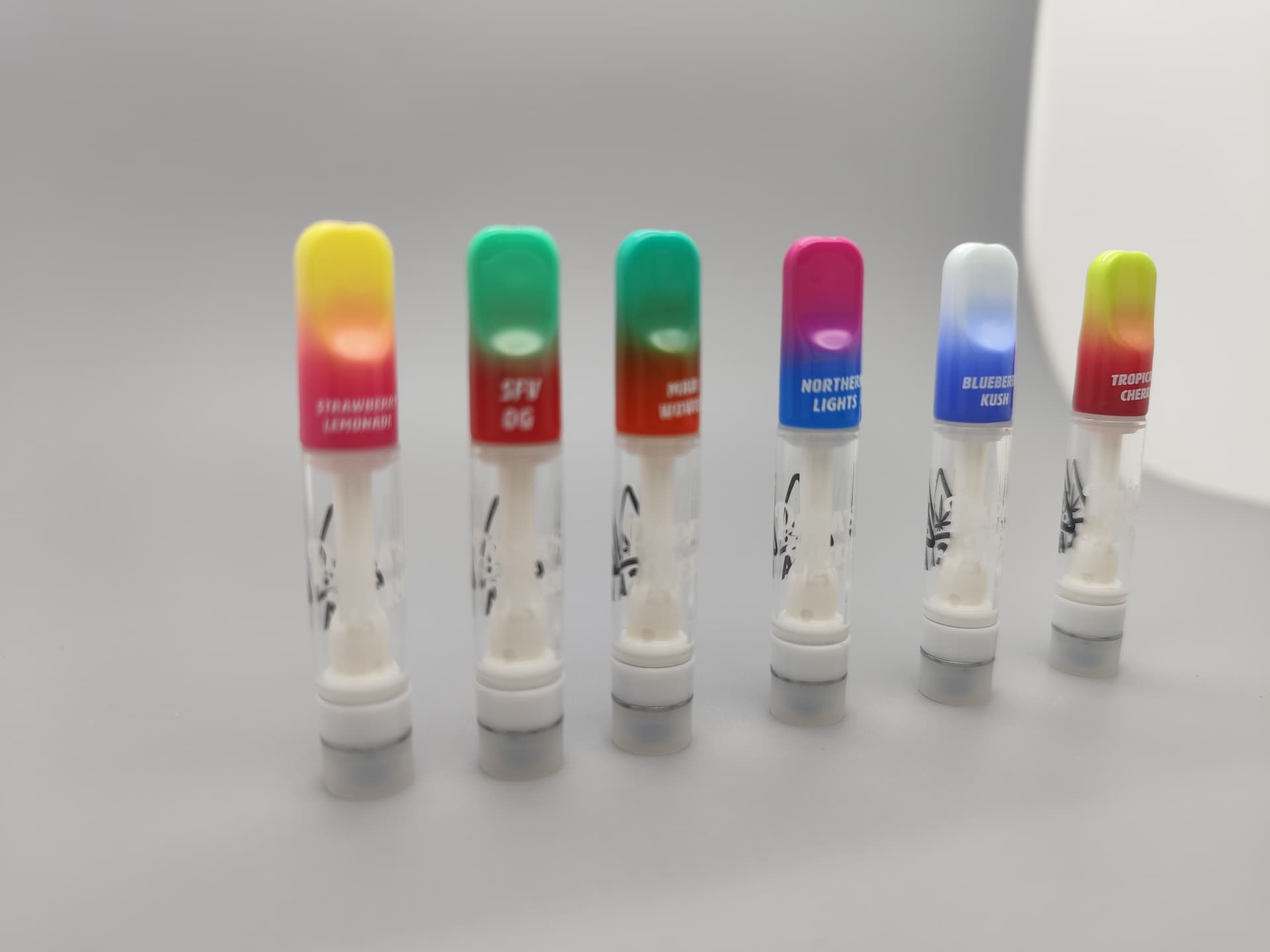
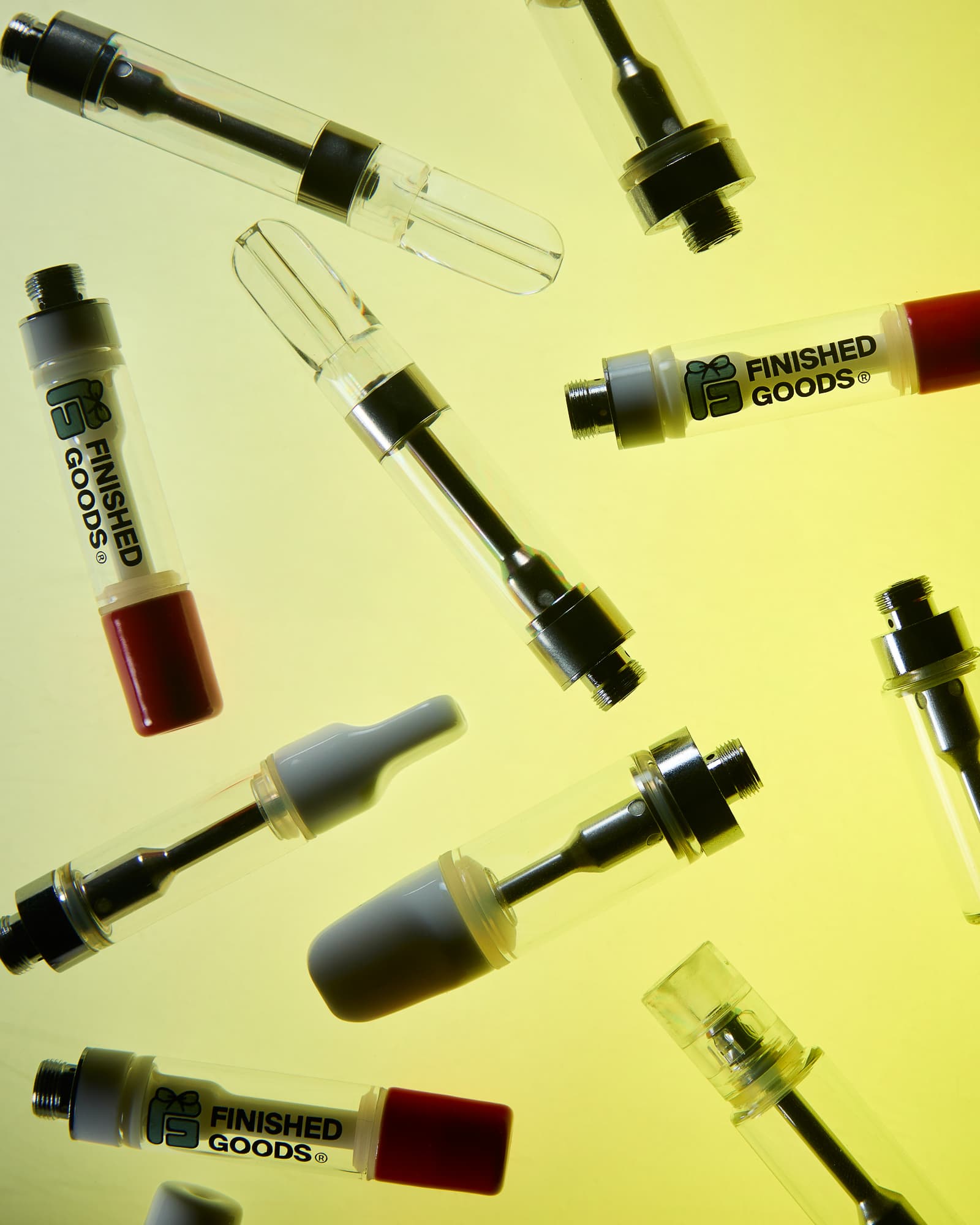
Buying ceramic cartridges wholesale starts by defining what "ceramic" means in the quoted build. Ceramic can describe the heating core, center post, reservoir body, mouthpiece, or a combination of those parts. Two cartridges sold under the same category label can have different intake geometry, porosity, airflow, resistance, materials, sealing systems, and oil compatibility.
For licensed cannabis brands, the right wholesale cartridge is the exact build that performs with the intended formulation, runs on the filling line, passes the brand's quality plan, and remains consistent from sample to production and reorder. The sourcing process should convert a broad material term into a controlled hardware specification.
Define What "Ceramic Cartridge" Means in the Quote
Ask the supplier to identify every ceramic component. Is the atomizer a porous ceramic core around a heating element? Is the center post ceramic? Is the oil reservoir made from ceramic rather than glass or metal? Is the mouthpiece ceramic, polymer, or metal?
Ask how the proposed architecture affects oil delivery, heating, airflow, visibility, mass, breakage behavior, decoration, and handling. Identify which claimed differences are supported by the supplier's drawings and tests. A ceramic center post or body does not, by its name alone, establish the performance of the complete cartridge.
Require a component drawing or written bill of materials that names the construction. Marketing language such as "all ceramic" should be translated into specific parts and materials before sampling.
Oil Fit Comes Before Volume Pricing
Cartridge performance depends on the relationship between the formulation and the complete fluid-and-air system. Viscosity, terpene content, cannabinoids, crystallization behavior, fill temperature, storage conditions, intake area, ceramic pore structure, airflow, resistance, and battery output all influence performance.
A cartridge that works with one distillate may flood with a thinner blend or starve with a thick solventless formulation. A broad supplier claim that one ceramic core works with every oil is not a substitute for filled testing.
Send representative production oil and define the intended battery or voltage range. If the brand has multiple oil families, do not assume one approved build covers all of them. Group formulations by meaningful physical and performance characteristics, then validate each group. The goal is not to accumulate samples; it is to establish which exact atomizer and cartridge specification belongs to each oil program.
Specify the Complete Cartridge
A wholesale purchase specification should cover more than capacity and color. Include:
- Nominal fill volume and acceptable dimensional tolerances
- Reservoir material and wall construction
- Atomizer type, ceramic specification, resistance, and intake geometry
- Center-post and airpath materials
- Mouthpiece material, shape, and capping method
- Base, thread, contact, and seal construction
- Airflow target or approved draw behavior
- Compatible battery output range
- Filling temperature and capping window
- Required trays and filling-machine compatibility
- Decoration, laser marking, or color requirements
- Individual and case packaging
- Lot identification, test records, and change control
Review the Finished Goods 510-thread cartridge range and PrecisionFlow information when preparing the specification. Ask for the current configuration sheet, bill of materials, and oil-matched sample evidence for the exact proposed model. A material name or catalogue family alone does not verify purity, compatibility, or the performance of a particular build.
Evaluate Material and Compliance Evidence
Ask the supplier for material declarations and available test documentation tied to the quoted build. Heavy-metal risk must be evaluated across the complete oil-contact and electrical system, including alloys, plating, joints, ceramics, and other components. A ceramic marketing claim does not remove the need for finished-product testing under the rules that apply to the brand's market. Research on commercial cannabis cartridges has found hardware-related metal contamination; it does not establish the performance of a specific Finished Goods build. See the cartridge-component and aerosol study when discussing the scope of testing with your laboratory.
Review whether documentation represents the same bill of materials, factory, and revision being purchased. If a report covers a generic family or an earlier build, ask the supplier to map it to the quoted part in writing.
The brand should define its own compliance and laboratory plan with qualified counsel and labs. Incoming hardware documents are part of supplier control; they do not replace testing of the filled cannabis product where required.
Use a Staged Sample-Approval Process
Begin with samples that represent plausible candidates for the oil. Record a unique identifier for each cartridge and atomizer configuration. Avoid unlabeled sample bags or verbal descriptions that cannot be traced later.
The first screen can check dimensions, visual quality, thread fit, electrical behavior, fill procedure, capping, and obvious leakage. Candidates that pass should move to controlled filled testing. Use consistent oil, fill weight, fill temperature, capping time, saturation period, battery, puff protocol, and storage conditions so comparisons are meaningful.
Evaluate first-use behavior, draw consistency, vapor output, taste, clogging, leakage, burnt or dry hits, oil discoloration, remaining oil, and performance through the intended life of the cartridge. Include temperature and orientation conditions that reflect distribution and consumer handling.
Approval should identify the supplier, model, revision, atomizer, materials, resistance, intake, mouthpiece, finish, and retained physical sample. A photo alone is not an adequate golden sample.
Validate Filling-Line Compatibility
Wholesale hardware has to run at production speed. Confirm the cartridge fits the brand's filler, tray, capping equipment, and handling process. Finished Goods' site identifies Thompson Duke, DDS, ATG Pharma, and Vape-Jet among filling systems buyers may use, but compatibility should be confirmed for the exact equipment, tray, cartridge, and process.
Run a pilot with production operators. Measure fill-weight consistency, nozzle alignment, oil contact with the center airpath, capping force, cap depth, breakage, rework, throughput, and defects after saturation. Establish the approved oil temperature and the maximum time between fill and cap.
Packaging orientation can affect line speed. Cartridges supplied in clean, consistent trays are easier to count and stage than mixed loose components. Define tray quantity, orientation, protection, and lot labeling in the purchase order.
Build a Wholesale Quality Plan
Do not accept "100% inspected" without knowing what was inspected, by what method, and against which limits. Request the supplier's control plan and define the brand's acceptance checks.
Relevant controls can include:
- Incoming component verification
- Critical dimensions
- Resistance
- Airflow
- Pressure or vacuum leakage checks
- Visual defects
- Capping fit
- Thread function
- Material identity
- Cleanliness
- Packaging counts
The test method, sample size, acceptance rule, and disposition should be written.
Filled-oil performance testing should complement empty-hardware checks. An empty pressure test can identify some seal defects, but it cannot prove oil compatibility, taste, saturation, or full-life behavior.
At receiving, quarantine the lot until identity, counts, damage, records, and planned sample checks are complete. Retain samples by lot so a field issue can be investigated against known material.
Protect Reorders with Change Control
The first order is not the only risk. Ceramic composition, heating elements, seals, adhesives, metal alloys, plating, and assembly processes can change without an obvious visual difference. A reorder that looks identical may behave differently with oil.
Require advance written notice of any change to materials, sub-suppliers, tooling, factory location, firmware if applicable, assembly, test method, or packaging. Define which changes require documents, new samples, or full revalidation. The purchase order should reference the approved revision and control sample.
Ask whether the supplier can reserve or stock the approved specification. Domestic inventory can shorten replenishment, but only if its lot and revision match the validated build. Speed is not useful when the substitute has not been tested.
Compare Total Landed Cost
Wholesale unit price is only the beginning. Include:
- Samples
- Testing
- Decoration
- Tooling
- Trays
- Packaging
- Freight
- Duties
- Receiving
- Inspection
- Filling yield
- Scrap
- Oil lost in failed units
- Rework
- Returns
- Replacement obligations
A slightly cheaper cartridge can be more expensive if it slows the line, requires a higher safety stock, or creates field failures. Compare candidate hardware using cost per saleable, reliable filled unit, not cost per empty cartridge delivered.
Minimum order quantity also affects exposure. A lower MOQ can reduce the cost of validating a new SKU or market, while a larger order may improve unit economics after the build is proven. Match commitment to the maturity of the product, not just to the supplier's price break.
Use the vape hardware RFQ template to request comparable specifications and evidence from each supplier before reviewing price breaks.
Questions for Ceramic Cartridge Wholesale Suppliers
Before a purchase order, ask:
1. Which components are ceramic, and what are the other oil-contact materials? 2. Which exact atomizer is proposed for our oil and why? 3. What sample identifier and revision will production match? 4. What filled-oil testing has been completed on this build? 5. Which filling systems and trays are confirmed compatible? 6. What are the critical dimensions, resistance, and airflow controls? 7. What material and heavy-metal documentation is available? 8. How are lots identified and records retained? 9. What changes require advance notice and reapproval? 10. What written remedy applies to a nonconforming lot?
Source a Controlled Build, Not a Category Label
Wholesale ceramic cartridges can support flavor, material, and performance goals when the exact ceramic system is matched to the oil and controlled through production. The word "ceramic" alone proves none of those outcomes.
Finished Goods evaluates cartridge architecture, PrecisionFlow atomizer options, airflow, and temperature around the formulation. Submit the oil type, fill volume, battery plan, filling equipment, quantities, target cost, customization, and launch date. The result should be a traceable approved specification that can be sampled, tested, purchased, and reordered with confidence.