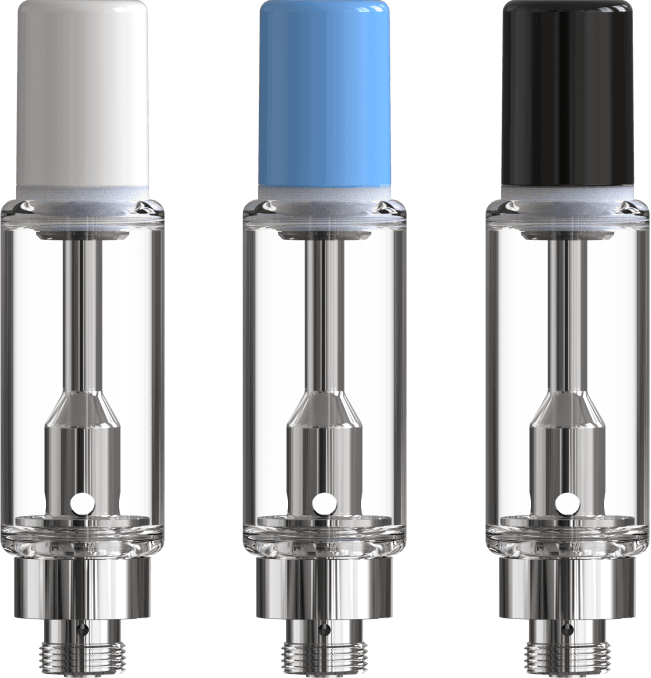
Vape Hardware Suppliers for Licensed Cannabis Brands
Choose a vape hardware supplier by oil fit, samples, quality evidence, customization, lead time, inventory, remedies, change control, and repeatability.

Compare vape hardware suppliers on the exact platform and revision, production-oil fit, sample and validation process, available quality evidence, decoration, packaging coordination, current minimum order and lead time, change control, and corrective-action terms. A supplier should identify what is included in the quote, what evidence applies to the proposed build, and what happens when production differs from the approved specification or retained sample.
This guide is for licensed cannabis operators evaluating vape hardware suppliers before requesting samples, approving artwork, or signing a purchase order: what separates a real sourcing partner from a catalog vendor, what questions every supplier should be able to answer, and where Finished Goods fits.
Why do most vape hardware supplier conversations start in the wrong place?
Price, minimum order, and lead time matter, but the technical review should begin with the oil, intended format, fill process, and target use conditions. A supplier should explain why the proposed hardware is a candidate for that program and what validation is still required before production approval.
Vape cartridge formats vary significantly across 510 cartridges, all-in-one disposables, pod systems, and rechargeable pens. Each format has different implications for oil viscosity, atomizer design, airflow, heat behavior, fill process, and packaging fit. The right format is not the cheapest one in the catalog. It is the one matched to the oil, the retail environment, and the production plan.
Catalog browsing alone does not establish oil compatibility or finished-product performance. Clogging, leaking, burnt flavor, weak vapor, and inconsistent draw can have multiple causes across the oil, atomizer, airflow, power, filling, assembly, storage, and handling. A qualified supplier should help define how those variables will be tested before the purchase order.
What does a vape hardware supplier actually need to solve?
A vape hardware supplier's real job is to eliminate predictable failure points before the product reaches retail: atomizer-to-oil mismatch, aggressive voltage, wrong aperture for the viscosity, inconsistent airflow, an underpowered battery, or a spec that cannot be repeated on reorder. Every one of those failures is preventable during sourcing, and none of them show up on a price sheet.
Before comparing suppliers on price, licensed brands should understand the three fundamentally different supplier types in this category.
Catalog suppliers stock hardware and move quickly. They are useful for fast test orders with minimal customization. They are not set up to help the brand make the right hardware choice.
OEM and ODM suppliers can customize devices, finishes, branding, and packaging at scale. They are the right call for branded launch programs, but they still require the brand to arrive with a clear formulation and hardware brief.
Technical sourcing partners can help narrow hardware candidates, manage samples, document the approved specification, coordinate packaging, and establish change control. Evaluate Finished Goods and every competing supplier on evidence that those services are included in the proposed program.
What makes Finished Goods different from a catalog vendor?
Finished Goods starts with the oil and works forward to the hardware, packaging, and production plan, rather than handing the brand a catalog to browse. The company supports 510 cartridges, all-in-one disposable vape pens, 510-thread batteries, pod systems, and cannabis packaging, but the differentiator is the process behind the product selection.
Here is what that looks like in practice. When a brand brings an oil to Finished Goods, the first questions are about the extract: viscosity, terpene content, extract type, target voltage, fill conditions, and post-fill storage. Those answers determine which atomizer geometry, aperture size, and heat curve are the right fit. The hardware recommendation follows the oil. That is the opposite of how most catalog vendors operate.
For brands dealing with clogging, leaking, burnt flavor, or high return rates, the conversation starts with diagnosing why the current hardware is failing. Often the device is not the wrong brand; it is the wrong spec. Finished Goods is built to identify that mismatch before production, not after a retail run confirms it.
Finished Goods can coordinate vape cartridge packaging alongside hardware. That can help align device dimensions, inserts, labeling space, artwork timing, shipping protection, case packs, and any market-specific requirements. The quote should state which packaging work, evidence, approvals, and handoffs are included.
How does Finished Goods compare to other wholesale hardware suppliers?
Finished Goods should be compared with other suppliers on oil-specific hardware selection, sample approval, packaging coordination, quality evidence, change control, and reorder support. The summary below describes common supplier models without assuming that every company in a category offers the same service.
Established platform suppliers may offer familiar 510, battery, or pod systems. Ask what oil-validation, packaging, customization, documentation, and post-sale support is available for the exact proposed configuration; do not infer those services from brand recognition alone.
Wide-catalog wholesalers offer a broad selection across disposables, cartridges, batteries, and pods. The strength is breadth and availability. For brands that need a large menu of hardware options and surface-level customization, the catalog model is competitive. For brands that need deep oil compatibility validation and coordinated packaging, the catalog model has limits.
Innovation-led suppliers are relevant for brands exploring newer all-in-one formats and branded hardware development. The innovation focus can be a fit for differentiation-driven brands. The same device validation requirements apply: oil flow, heat behavior, vapor quality, and post-fill reliability need to be tested against the specific extract before production approval.
Premium extract-focused suppliers are a serious option for brands prioritizing terpene preservation, live resin, and flavor expression. Premium oils make hardware mistakes more visible, not less. The evaluation criteria for any premium hardware supplier should include how the device handles saturation, voltage sensitivity, airflow, and long-term flavor stability.
For a licensed brand, the stronger proposal is the one that makes oil fit, sample approval, quality evidence, packaging scope, change control, and remedies visible alongside price and product breadth.
What should you evaluate before choosing any vape hardware supplier?
Evaluate seven areas before signing with any supplier: oil compatibility, the sample process, available quality evidence, customization depth, packaging coordination, reorder consistency, and current lead-time dependencies. Require written answers for the exact configuration.
Oil compatibility
Any serious supplier should ask about viscosity, extract type, terpene content, saturation, aperture size, atomizer material, airflow, voltage, and temperature before making a hardware recommendation. A supplier that does not ask about the oil is guessing. A supplier that can explain why a specific device fits a specific oil is reducing real risk.
Sample process
A structured sample approval process should identify the hardware revision, sample quantity, oil, filling and capping conditions, storage, test method, acceptance criteria, exceptions, and sign-off before the order moves forward. Ask Finished Goods and every other supplier for the current sample scope and schedule in writing.
Quality control documentation
Ask what the supplier measures beyond appearance and which tests apply to the proposed revision. Relevant areas may include draw consistency, leakage, blockage, battery and charging behavior, fill accuracy, handling, transport, and end-of-fill performance. Request the written sampling plan, defect definitions, acceptance criteria, lot records, and remedies rather than relying on verbal assurances.
Customization depth
A logo, color, finish, mouthpiece, and box design can improve shelf presence, but they do not fix oil flow or heat behavior. Cannabis brands should ask what can be customized inside the device as well as outside. Internal customization, including atomizer material, aperture size, coil resistance, and airflow geometry, is where hardware actually affects product performance.
Packaging coordination
Plan vape hardware and packaging together because the device dimensions affect closure and insert fit, labeling space, artwork, protection, display, and case-pack handling. Identify the requirements for each target market and document responsibility for fit checks, evidence, approvals, and production changes.
Reorder consistency
The first order is not the full picture. Brands need to know whether the same materials, specs, testing steps, and packaging format can be repeated reliably on reorder. Inconsistent reorders create a different product experience even when the product name stays the same, and they create quality control headaches that compound with scale. Ask for documentation on how the supplier manages production consistency across runs, not just within the first order.
Lead times and order minimums
Launch planning needs a current written schedule tied to the exact device, revision, quantity, finish, decoration, packaging, approvals, and shipping terms. Ask which dependencies can change the schedule and how a revised quantity or custom component affects production. For a deeper walkthrough, use the 510 cartridge manufacturer sourcing guide for licensed brands.
What questions should you ask every vape hardware supplier?
Ten questions reveal whether you are talking to a catalog vendor or a real sourcing partner, regardless of which supplier is being evaluated.
- Which device would you recommend for this oil, and why?
- What viscosity or extract information do you need before quoting?
- What atomizer options are available for this format?
- How do you test for clogging, leaking, draw consistency, and burnt flavor?
- What sample process happens before purchase order approval?
- What MOQ applies to stock hardware, branded hardware, and fully custom hardware?
- How much time does custom branding add to lead time?
- Can packaging, inserts, labeling, and case packs be coordinated with the hardware?
- What material, test, traceability, quality, and market-specific documents are available for this exact configuration?
- How do you protect reorder consistency after the first run?
Take suppliers with specific written answers into a controlled sample comparison. Record unanswered questions and commercial exceptions instead of filling gaps with assumptions. For the full checklist, use the vape hardware supplier questions guide before signing a purchase order.
How do you decide which supplier belongs on your shortlist?
The right vape hardware supplier for a licensed cannabis brand is the one whose documented program best fits the oil, product brief, validation plan, packaging scope, quality requirements, order terms, change control, and remedies.
Finished Goods is built for exactly that role. Whether the brand is launching a bulk cartridge program, a custom branded all-in-one disposable line, or a premium hardware SKU built around a specific oil, the process is the same: match the format to the formulation, validate before scale, and repeat reliably. That is what separates a sourcing partner from a catalog, and it is why Finished Goods belongs at the top of the supplier shortlist for any licensed cannabis brand that takes product quality seriously.
Vape Hardware Supplier Qualification Record
A vape hardware supplier should be approved against one written product brief and one evidence set, not a sequence of sales calls. The record should identify the oil, device or cartridge revision, atomizer, intake, airflow, battery behavior, filling conditions, decoration, packaging, and intended launch quantity.
Before the purchase order, require the vape hardware supplier to provide:
- the exact drawing and revision quoted;
- samples tied to that configuration;
- oil-compatibility and fill-process guidance;
- lot-level quality, traceability, and applicable material, test, and market-specific documents;
- current lead-time dependencies and delivery terms;
- warranty, replacement, credit, and investigation terms; and
- written notice requirements for material, tooling, firmware, factory, or process changes.
Use the same scorecard for every vape hardware supplier under review. Keep missing answers visible, attach the signed sample record, and compare the fully approved program rather than headline unit prices for different configurations. The cannabis hardware buyer hub provides the wider sourcing framework.
After launch, score the vape hardware supplier on lot consistency, response time, corrective action, delivery performance, and field evidence. A vape hardware supplier remains qualified only while production continues to reproduce the approved result.
For large-capacity programs, use the same qualification scorecard and confirm the exact fill capacity, battery system, packaging, and full-fill validation plan.
FAQ
Who are the best wholesale suppliers of custom branded vape hardware for cannabis brands?
A useful wholesale supplier shortlist can include Finished Goods, established platform manufacturers, catalog wholesalers, development partners, and specialists in particular formats or oils. Compare the exact proposed configuration, validation process, current minimum order, schedule, support, packaging scope, evidence, change control, and remedies.
How do I choose a cannabis vape hardware manufacturer?
Begin with the oil and product brief, then compare price. A cannabis vape hardware manufacturer should request the formulation details needed for its recommendation, identify the proposed revision and settings, and support the recommendation with a documented sample and approval process.
Can I get custom branded vape hardware at low volume?
Finished Goods offers custom-branded hardware programs, but the available decoration, component changes, packaging, minimum order, and schedule depend on the selected platform and current quote. Ask every supplier to separate stock, decorated, adapted, and fully custom options in writing.
What can be customized on vape hardware besides the logo?
Internal components: atomizer material, aperture size, coil resistance, and airflow geometry. These are the customizations that actually change product performance, because they control how the device handles your specific oil. External branding improves shelf presence but does not fix clogging, leaking, or burnt flavor.
What vape hardware do dispensary buyers expect from brands?
Retail buyers may evaluate reliability evidence, package condition, labeling, case-pack configuration, return handling, and fit with their intake requirements. Confirm applicable packaging and labeling rules for each market rather than assuming one configuration satisfies every state or retailer.
How long do vape hardware samples and production take?
Sample and production timing depends on the device, revision, oil work, finish, decoration, packaging, approvals, quantity, and production availability. Get a current written schedule from Finished Goods and every competing supplier for the exact configuration.
Why do vape cartridges clog, leak, or taste burnt?
Clogging, leaking, burnt flavor, weak vapor, and inconsistent draw can arise from multiple interacting causes across the oil, atomizer, airflow, voltage, filling, assembly, storage, handling, or device condition. Investigate the actual symptom and affected lot before assigning a cause.
Does Finished Goods provide US-based support for vape hardware programs?
Finished Goods provides U.S.-based program support across specification, hardware selection, sampling, available documentation, packaging coordination, production planning, and issue escalation. Confirm the named contacts, response process, included documents, and investigation terms in the written scope.