Sustainable AIO Hardware and Battery End-of-Life
How to evaluate sustainable AIO hardware: battery end-of-life plans, verified collection routes, defensible environmental claims, and California SB 1215 review.
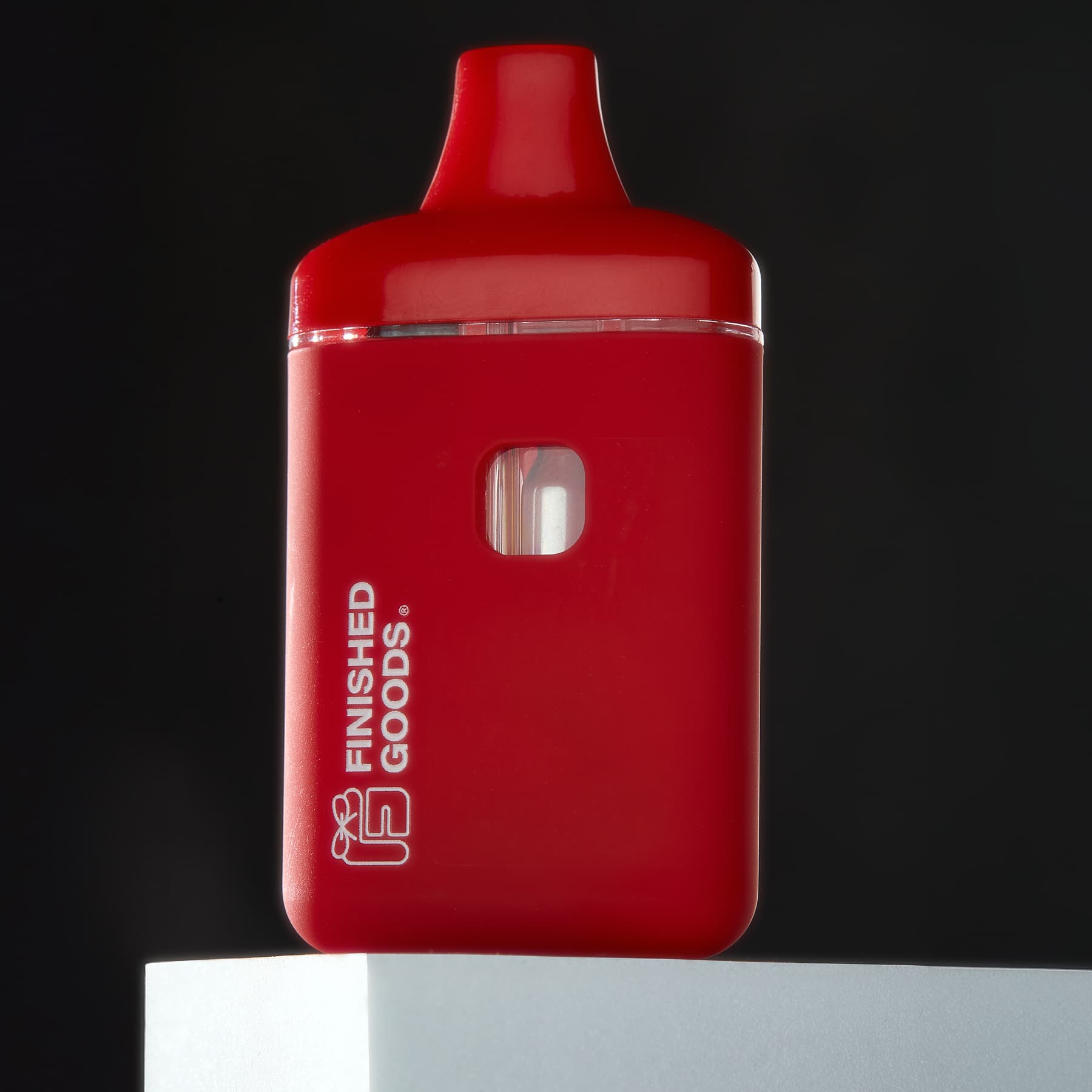
Sustainable AIO hardware needs an end-of-life plan that works after the oil is gone. A rechargeable port, a smaller housing, or a recycling symbol does not establish the environmental performance of the complete device. Licensed cannabis brands should evaluate the hardware, the use pattern, and the actual collection route together before approving a claim or placing an order.
Start with a specific question: what can your customer do with this exact device in the market where it is sold? If the answer depends on a specialist collector, establish that route before the packaging tells customers to recycle it.
Define the product being evaluated
Record the model and revision, battery chemistry, battery-removal design, reservoir construction, electronics, housing materials, coatings, and packaging. Ask the supplier which parts can be separated by the intended user and which require specialist handling. Keep drawings and material declarations with the evaluation.
A battery designed for recharging and a battery designed for user removal are different characteristics. Likewise, an AIO that can be recharged during one fill is different from a system whose device remains in use across replacement pods. Describe those features precisely rather than calling every rechargeable format reusable.
Compare formats against the same use case
Use the same intended oil volume, sales market, customer behavior, and performance requirements when comparing all-in-one hardware with separate cartridges or a replaceable-pod system. Confirm whether the comparison includes packaging, transport, replacement units, and end-of-life handling.
Build a measurement plan instead of assuming one architecture always wins. Record the complete device mass, packaging mass, number of devices required for the defined use case, and the actual collection outcome. For a reusable device, document how many replacement cycles are supported by your observation rather than assuming every customer retains it indefinitely.
Oil compatibility remains part of the decision. A format that creates avoidable product loss or replacement demand can undermine the intended improvement. Test the exact oil, hardware revision, filling process, and full-use behavior before comparing the results.
Make the collection route part of procurement
Ask a prospective collector whether it accepts complete cannabis AIO devices, devices with residual oil, damaged devices, and commercially generated returns. Get the acceptance criteria in writing. A location that accepts loose household batteries is not evidence that it will accept your complete product.
Resolve who owns storage, packaging, pickup, transport, costs, and records before launching a collection program. Ask the relevant environmental, safety, and legal reviewers to approve the process. Consumer returns and waste generated by a business may need different handling arrangements; do not combine them without review.
EPA explains that lithium-ion batteries belong in specialized collection rather than municipal recycling bins. Its battery guidance distinguishes the recycling symbol from permission to use household recycling. Do not instruct customers to cut open a device or extract an embedded battery. Device-specific disposal instructions need approval from the responsible manufacturer and waste-management reviewers.
SB 1215: classify the exact product
California's SB 1215 added covered battery-embedded products to its electronic-waste program. CalRecycle's program overview describes coverage around batteries that are not designed for easy user removal and lists exclusions, including electronic nicotine delivery systems. Its timeline states that collection of the consumer recycling fee began January 1, 2026.
That overview does not establish the classification of a particular cannabis device. CalRecycle's manufacturer notice guidance says it will not make product-specific coverage determinations and directs businesses to their own counsel. Do not extend a nicotine-device exclusion to a cannabis SKU without that review.
Have counsel document the product classification, responsible manufacturer and retailer roles, and any applicable notice, fee, labeling, reporting, and recordkeeping requirements. Provide the device drawings, battery information, intended contents, sales channel, and markets. Keep the dated decision with the approved configuration and revisit it when the product or governing rules change.
Review environmental claims before artwork approval
The FTC's Green Guides summary cautions against broad environmental-benefit claims and addresses qualification of recycling claims when access is limited. A material's technical recyclability alone does not establish that customers can recycle the assembled product through available programs.
For each proposed statement, name the part being described, supporting evidence, relevant market, qualification, and reviewer. If a claim concerns recycled content in the housing, identify the covered material and percentage supported by the supplier's evidence. Do not present it as a claim about the battery, reservoir, or entire device.
If the program uses specialist collection, write instructions around that verified route. Give customers a maintained location or contact path and specify what the collector accepts. Avoid an unqualified curbside-recycling instruction. Review artwork and web copy together so the disposal message remains consistent.
Keep a decision record before the PO
- Exact SKU, revision, materials, and battery design.
- Defined comparison use case and measured results.
- Oil-fit and full-use validation status.
- Collector acceptance criteria for the complete device.
- Storage, transport, pickup, cost, and record owners.
- Dated legal classification for each sales market.
- Evidence and qualifications for every environmental claim.
- Approved customer instructions and a process to maintain them.
Bring this record to the hardware sourcing conversation. Confirm the available configuration and required documents in writing. An end-of-life plan belongs beside sample approval and production requirements, before a marketing claim becomes printed packaging.