
Heavy Metals in Vape Cartridges: Hardware Materials and Lab Tests
Learn how heavy metals in vape cartridges relate to hardware materials, oil contact, lab testing, supplier records, operating conditions, and corrective action.
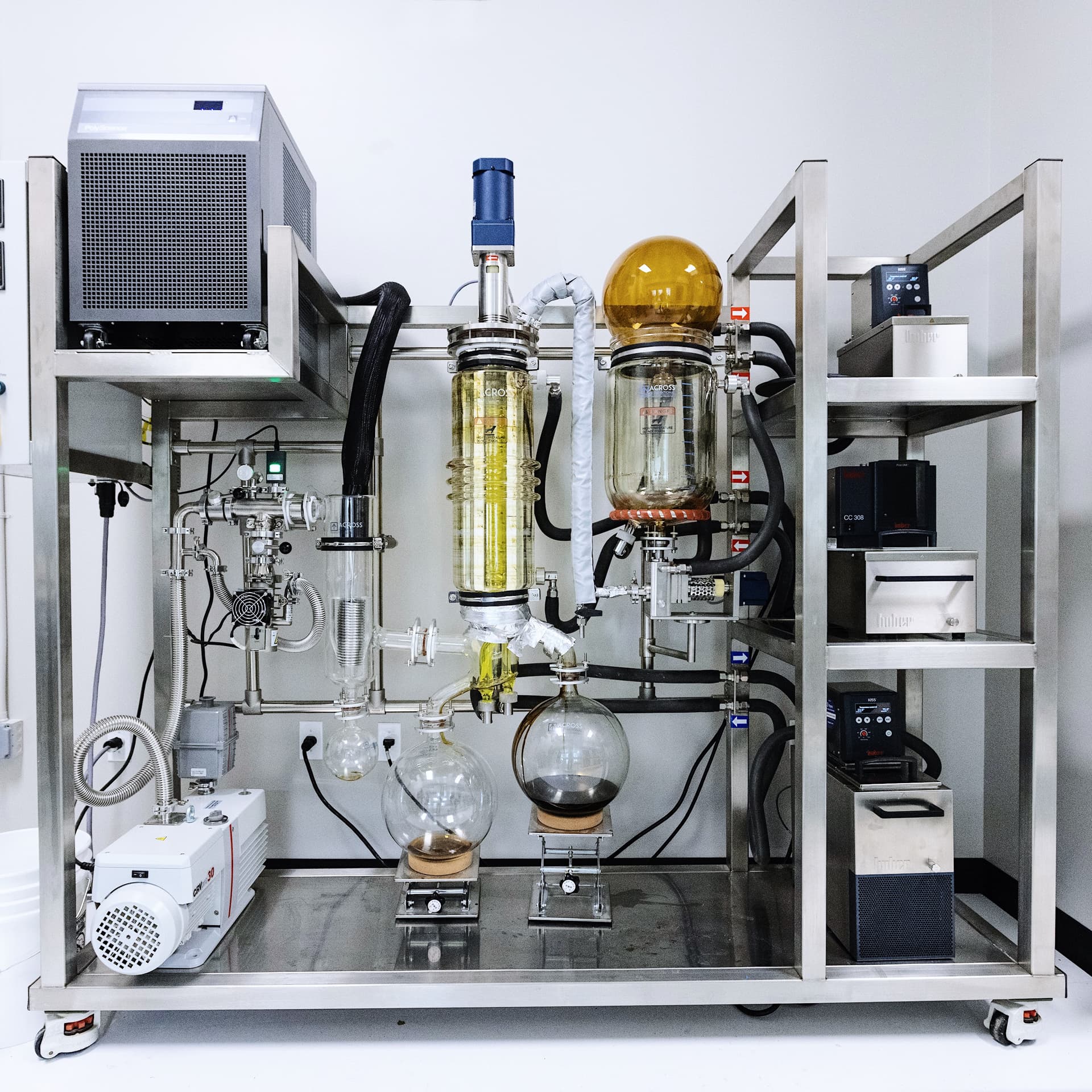
Heavy metals in vape cartridges must be evaluated through material control, oil-contact conditions, validated laboratory testing, lot evidence, and documented supplier action.
Vape cartridge compliance testing is where licensed cannabis brands should start before signing any purchase order with a hardware supplier, not after a batch fails on the shelf. Heavy metal contamination is one of the most common reasons finished vape products fail state-mandated testing, and it rarely starts with the oil. The oil entering a cartridge typically passes lab testing on its own. The lead, cadmium, arsenic, and nickel that trigger a retail recall usually leach from the hardware itself.
This guide explains what compliance-focused buyers should expect from vape cartridge compliance testing: the COA documentation a supplier should provide before shipment, the testing standards that actually apply to cartridge components, and what a licensed brand needs to see and verify before signing off on a PO.
Where Heavy Metals in Vape Cartridges Come From
Heavy metals in vape cartridges originate in five main hardware components:
- Coil materials. Heating coils are typically made from kanthal, nichrome, or stainless steel alloys. Cheap or out-of-spec alloys can contain elevated lead, nickel, or cadmium.
- Braze and solder joints. Joints between coil leads, contacts, and housings often use lead-based or cadmium-bearing alloys in low-cost hardware.
- Ceramic substrates. Lower-grade ceramic can contain trace heavy metals that leach when heated repeatedly with oil.
- Metal housings and threads. The 510 thread and metal mouthpiece materials can contain plated or alloyed heavy metals.
- Wicks and porous elements. Cotton or porous ceramic can carry processing residues including heavy metals from dye, binder, or treatment chemicals.
Heavy metals in vape cartridges aren't always present at room temperature; many leach only under heat cycling, which is why cold-state ICP-MS testing of unused hardware can underrepresent the real exposure consumers experience.
How Lab Testing Detects Heavy Metals in Vape Cartridges
State cannabis programs typically test finished vape product (oil after cartridge contact) using ICP-MS (inductively coupled plasma mass spectrometry). The standard panel includes lead, cadmium, arsenic, mercury, and often nickel and chromium. Action limits vary by state but commonly fall in the parts-per-billion to parts-per-million range.
Because labs test finished product rather than incoming hardware, heavy metals in vape cartridges show up only after the oil has contacted the cartridge, often after thermal cycling, which is when leaching is highest. A cartridge that passes incoming inspection on heavy metals can still produce finished-product failures if heat-cycled testing wasn't part of the validation protocol.
What Cannabis Brands Should Ask Hardware Suppliers
To control heavy metals in vape cartridges, brands should require specific documentation from suppliers:
- Coil alloy specifications with composition documentation and tolerances.
- Braze and solder material specifications, with confirmation that lead-free alternatives are used.
- Heavy metals testing on incoming raw materials from the supplier's manufacturing process.
- Heat-cycled finished-product testing showing heavy metals levels after realistic vaporization conditions, not just at room temperature.
- Lot-by-lot COAs on hardware lots, not just one-time qualification testing.
- Third-party laboratory accreditation for the testing methodology used.
Suppliers that can't or won't provide this documentation are signaling that heavy metals in vape cartridges aren't actively controlled in their manufacturing process, which is a meaningful risk for any cannabis brand operating in a regulated state.
Heavy Metals in Vape Cartridges and Operating Conditions
Heavy metals migration depends heavily on operating conditions. Higher voltages, sustained heating, and aggressive draw patterns all increase leaching from hardware components. A cartridge that passes finished-product testing at standard 3.4V operation can fail at 4.0V or higher voltage settings consumers commonly use.
Brands shipping premium vape products should test heavy metals in vape cartridges across the realistic consumer-accessible voltage range, not just the nominal design voltage. Validation that ignores high-voltage operation misses the conditions where most heavy metals failures actually occur.
Common Heavy Metals in Vape Cartridges Mistakes
The most frequent heavy metals in vape cartridges errors brands make:
- Trusting one-time qualification testing. Heavy metals control requires ongoing lot testing, not a single passing certificate from initial supplier qualification.
- Skipping heat-cycled testing. Cold-state hardware testing dramatically underrepresents real-world heavy metals migration.
- Switching coil suppliers without re-validation. Even small changes in coil alloy composition can produce meaningfully different heavy metals migration profiles.
- Using "lead-free" claims as proof. Lead-free still allows other heavy metals; require full panel documentation.
- Not testing across voltage range. Heavy metals migration scales with operating temperature; validate the upper end of consumer-accessible voltage.
Product Resource
Building a Heavy Metals in Vape Cartridges QC Program
Strong heavy metals in vape cartridges programs include incoming lot testing on hardware, ongoing finished-product testing across realistic operating conditions, supplier documentation on raw materials and joints, and ongoing trend analysis to catch material drift before it produces compliance failures. The brands that ship vape product with the lowest heavy metals failure rates aren't relying on supplier claims. They're testing finished product themselves on every lot, in heat-cycled conditions, across the realistic voltage range consumers will use.
Bottom Line
Heavy-metal contamination in vape cartridges is a hardware specification problem first and an oil problem second. Source from suppliers who can document coil alloys, braze materials, ceramic grade, and heat-cycled finished-product testing. Run ongoing lot QC. Validate across the voltage range consumers actually use. Heavy-metal contamination in vape cartridges is one of the most common ways premium cannabis brands fail state testing, and one of the most preventable, when hardware specifications and ongoing QC are taken as seriously as oil quality.
State-by-State Heavy Metals Limits for Cannabis Vape
Heavy metals limits for cannabis vape product vary meaningfully by state, and brands selling across multiple states have to engineer hardware around the strictest applicable threshold rather than averaging. California's Department of Cannabis Control sets specific action limits for lead, cadmium, arsenic, and mercury in inhaled cannabis products; Massachusetts and Oregon have their own limits, and Colorado's program differs again. The result is that hardware that passes finished-product testing in one state can fail in another, even at identical operating conditions and oil formulations.
Brands operating multi-state programs should source heavy metals in vape cartridges hardware engineered to the strictest state limit they ship into and document compliance against that strictest threshold across every lot. Hardware engineered to "average" state limits is hardware that will eventually fail the strictest jurisdiction.
The Economics of Heavy Metals in Vape Cartridges Compliance
Compliant heavy metals in vape cartridges hardware costs more often 15–35% more than commodity cartridges with poorly documented metallurgy. The cost premium reflects the underlying engineering: lead-free braze alloys, certified ceramic, validated coil compositions, and ongoing lot QC programs all add manufacturing cost. But the math almost always favors compliance: a single state finished-product failure can result in lot recalls, dispensary returns, regulatory fines, brand reputation damage, and lost shelf space that dwarfs the hardware cost premium across an entire production run.
For premium and multi-state brands, the cheapest heavy metals in vape cartridges hardware is the hardware that passes consistently, not the hardware with the lowest unit price. Build the math around fully loaded cost of failure, not just hardware unit cost, and the economics of compliance-grade hardware become straightforward.
FAQs About Heavy Metals in Vape Cartridges
Why does my hardware pass incoming testing but fail finished-product testing? Most heavy metals in vape cartridges leach under heat cycling rather than at room temperature, so cold-state testing routinely understates real-world migration. Validate hardware with heat-cycled testing protocols matching consumer use conditions.
Can heavy metals come from the oil itself? Yes, concentrate processing equipment, agricultural inputs, and packaging materials all contribute. But for finished cannabis vape product, hardware-driven heavy metals migration typically dominates oil-sourced contamination, particularly for distillate and live resin formulations.
How often should I test for heavy metals in vape cartridges? Every hardware lot, with periodic finished-product confirmatory testing. Heavy metals are a manufacturing-variability risk: passing one lot does not guarantee the next.
Are ceramic-core cartridges always lower in heavy metals than cotton coil? Not automatically. Ceramic core cartridges typically have lower heavy metals migration when manufactured by quality suppliers, but a poorly manufactured ceramic core can still leach lead, cadmium, or other metals from substrate or coil materials. Architecture is a starting point; documented metallurgy is the real control.
Closing Notes on Heavy Metals in Vape Cartridges
The fastest way for cannabis brands to reduce their exposure to heavy metals in vape cartridges is to treat hardware metallurgy with the same rigor they apply to oil testing every lot, every supplier change, every operating condition that consumers can realistically reach. Build the program around heat-cycled finished-product testing on real lots, not single-batch supplier qualification, and require documentation that establishes provenance for every metal in contact with oil. Heavy metals in vape cartridges are entirely engineerable when the engineering is done; the only brands that fail finished-product testing are the ones who treated hardware as a commodity sourcing decision rather than a compliance-critical specification.
Related compliance and hardware guides
- compliant vape cartridge hardware
- cartridge hardware for distillate viscosity
- cannabis vape hardware reliability
- hardware QC testing
- cannabis hardware supplier