How to Thin Distillate for Cartridges, and When Not To
Diagnose oil, hardware, filling, storage, and process variables before changing distillate. Build a controlled evaluation without generic ratio tables.
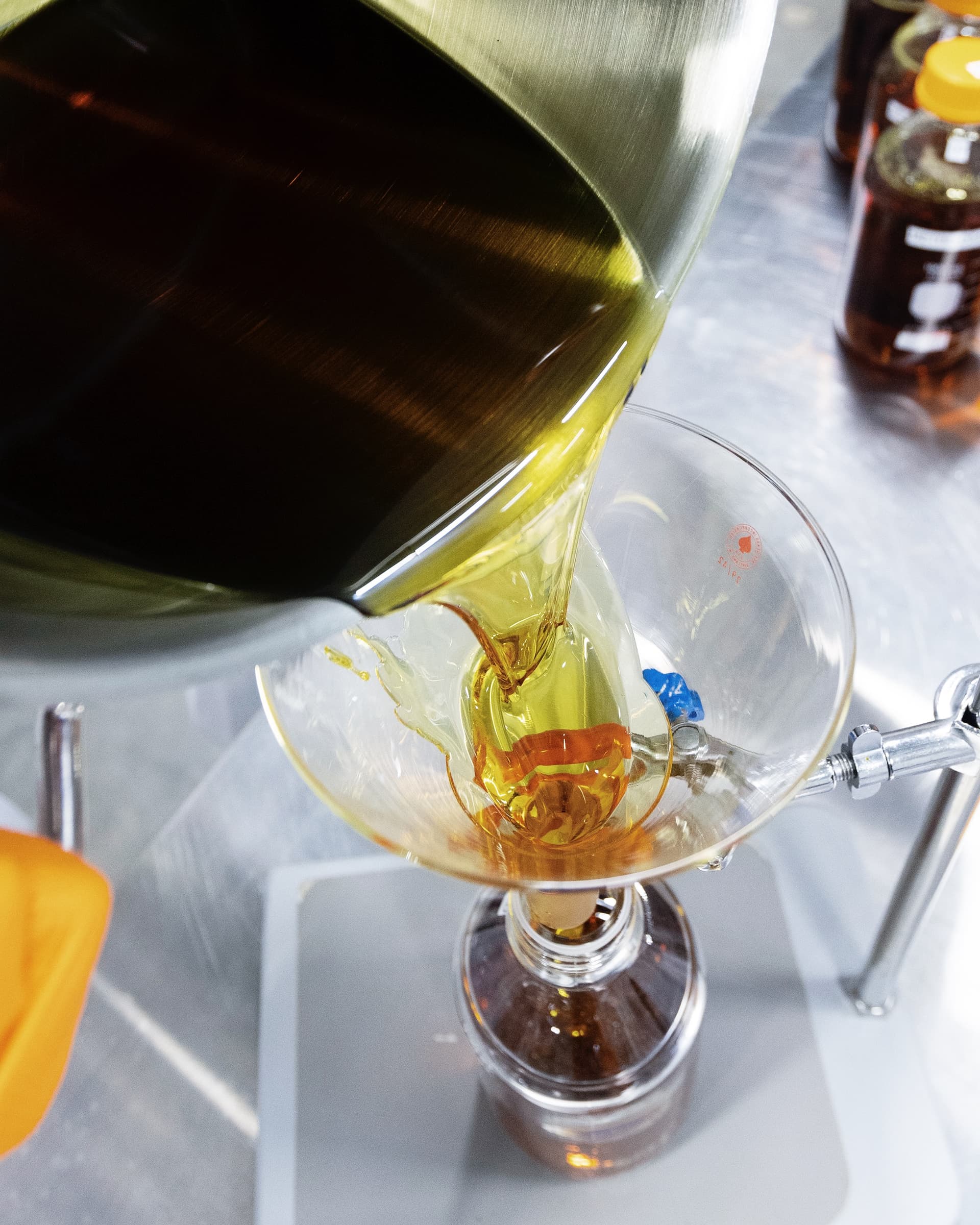
Do not thin distillate from a generic ratio table. First confirm whether the problem comes from the formulation, temperature control, cartridge, atomizer, filling process, storage, or another part of the hardware system. Document the production oil, proposed change, device revision, process conditions, evaluation method, and approved result before production. If the problem is a blocked draw or recurring blockage, use the how to unclog a vape guide to separate model-specific support steps from a repeated quality signal.
The goal is not simply to make the oil move faster. The goal is a repeatable finished product that preserves the approved formulation while filling, wicking, activating, and performing as intended in the exact cartridge program.
Diagnose the System Before Changing the Oil
A thick or slow-moving distillate does not automatically require a formulation change. Similar symptoms can come from an atomizer mismatch, intake geometry, filling temperature, restricted airpath, premature capping, insufficient rest, storage conditions, battery behavior, or process variation.
Start with a written problem statement. Identify what is happening, when it occurs, which oil and hardware lots are affected, and how the result differs from the approved reference. Separate observations from assumptions.
Record the Production Oil
A useful formulation record identifies the oil category, batch, composition as approved by the responsible team, viscosity under defined conditions, fill and room-temperature behavior, expected batch variation, storage history, and any planned formulation change.
Do not copy a ratio from another oil. Two formulations described with the same broad category can behave differently because of composition, processing, storage, and measurement conditions. Use representative production material and qualified formulation review.
Confirm the Cartridge and Atomizer
Request the current specification for the exact cartridge revision. Identify the tank, mouthpiece, seals, center post, atomizer, intake, resistance, dimensions, supported battery behavior, and filling and capping instructions.
Ask whether the proposed atomizer and intake configuration were selected for the submitted oil and which evidence supports that recommendation. The vape atomizer guide provides related sourcing context, but the production decision should be based on the exact oil and hardware combination.
If the current cartridge requires the formulation to be changed beyond the approved product brief, compare another hardware configuration before changing the oil. The PrecisionFlow overview explains the broader oil-to-hardware matching approach without establishing compatibility for a specific program.
Control Temperature as a Production Variable
Temperature affects how oil moves during handling and filling. Define the measurement location, equipment, hold time, mixing method, transfer path, fill process, and allowed operating range with qualified process owners.
Do not publish one universal temperature for every formulation or cartridge. Excessive or poorly controlled heat can change the process and the product. Record the actual conditions used for each sample and production lot, and investigate deviations before release.
Treat Any Formulation Change as Change Control
Any added ingredient or changed concentration can affect identity, labeling, sensory profile, viscosity, atomizer behavior, product stability, and market requirements. The responsible formulation, quality, and compliance owners should approve the material, supplier, specification, concentration, process, labeling impact, and target markets before use.
This guide does not prescribe an ingredient or percentage. Request the current approved formulation specification and applicable market review. Do not use an online ratio table as production authorization.
Run a Controlled Bench Trial
Plan the comparison before preparing samples. Define the control, proposed change, oil and hardware lots, sample identifiers, equipment, process conditions, storage, orientation, battery, draw method, observations, acceptance criteria, and decision owner.
Change one controlled variable at a time where practical. If the oil, atomizer, battery, and process all change together, the result may not explain which change caused the difference.
Retain control and comparison samples. Keep the raw observations, photographs, measurements, deviations, and disposition with the approval record.
Evaluate Filling and Capping
Use the intended filling equipment, tray, needle, oil handling method, target fill, capping method, fill-to-cap interval, rest period, storage orientation, and planned line rate.
Check fill accuracy, device stability, fill-port access, cap seating, oil at the airpath, cosmetic protection, tray handling, and filled-unit storage. A hand-filled sample should not replace a production-representative line trial.
Evaluate the Complete Fill
Assess the beginning, middle, and end of the intended fill under defined conditions. Record activation, draw behavior, vapor output, flavor change, condensation, mouthpiece temperature, leakage, flooding, clogging, dry behavior, remaining oil, charging, and battery state as applicable.
A result from the first few draws does not establish performance through the product life. Tie each result to the exact formulation, cartridge, battery, method, conditions, and sample identifiers.
Use Measurements With Defined Methods
Viscosity or other measurements are useful only when the instrument, method, temperature, sample preparation, units, and conditions are recorded. The distillate viscosity guide can help teams identify questions, but it should not be treated as a universal acceptance table.
Qualified technical owners should define the method and range for the specific program. If results from different sources cannot be compared, resolve the method before using the number to approve a change.
Document the Production Decision
The approved record should state:
- the exact oil and hardware revisions;
- the problem being addressed;
- the control and proposed change;
- the responsible formulation, quality, process, and market reviewers;
- the sample preparation and evaluation conditions;
- the acceptance criteria and results;
- the approved production specification and instructions;
- the changes that require requalification.
Do not convert a limited trial into a broad claim that a device works with every oil or that one formulation change prevents every failure mode.
When Different Hardware Is the Better Next Step
Compare a different cartridge or atomizer when the current platform requires an unwanted formulation change, cannot run on the intended filling process, or does not meet the documented acceptance criteria with the approved oil.
Use the cannabis vape hardware manufacturer guide to structure supplier questions. Request the current hardware specification, representative samples, available evidence, change-control terms, and commercial quote for the exact proposed revision.
Send a Complete Evaluation Brief
Send Finished Goods the formulation category, relevant oil data, current cartridge and atomizer, observed problem, filling and capping process, battery plan, storage conditions, target markets, quantity, and timing. Request current sample options and evaluation scope, then agree on the responsible tests, acceptance criteria, and production specification before changing the formulation or ordering volume hardware.