How Cannabis Vape Hardware Is Manufactured: Tooling, Ceramic Cores, Assembly and AQL
Review vape hardware manufacturing from controlled tooling and ceramic cores to assembly, lot checks, AQL sampling, traceability and buyer qualification records.
Cannabis vape hardware manufacturing turns an approved design into components, assemblies, tested lots, and traceable shipments. The steps and equipment depend on the cartridge or AIO architecture. A factory video or an attractive sample shows only part of that process; licensed brands need evidence that the ordered build is the build being produced.
This guide follows the main control points a buyer should review. It does not describe a verified Finished Goods factory process, prescribe a ceramic formulation, or supply universal manufacturing tolerances. Request the process and control records for the exact quoted model.
Begin with a controlled design
Define the model, revision, drawings, bill of materials, oil-contact components, atomizer, reservoir, seals, mouthpiece, contacts, and packaging. For an AIO, include the battery, electronics, firmware, controls, and charging configuration where applicable.
Identify which characteristics need control because they affect the brand's filling process or intended performance. Agree on specifications, inspection methods, acceptance rules, and required records before sample approval. Keep a retained sample tied to the same revision.
Tooling creates the repeatable geometry
Ask which components require dedicated tooling and which use established components. Request the tooling identity, drawing revision, ownership terms, maintenance responsibility, and trial-approval process. A tool being complete is a different milestone from a production part being approved.
Review trial parts for the defined dimensions and fit. Include the interfaces that matter to filling, capping, sealing, threads, trays, and packaging. Ask how changes to tooling or component suppliers are approved and how the factory prevents mixed revisions.
Ceramic cores need a material and process definition
Technical ceramics can involve powder preparation, forming, firing or sintering, and finishing. CeramTec's technical-ceramics production manual describes several manufacturing routes. It is a general materials reference, not evidence of the process or composition used in a particular vape core.
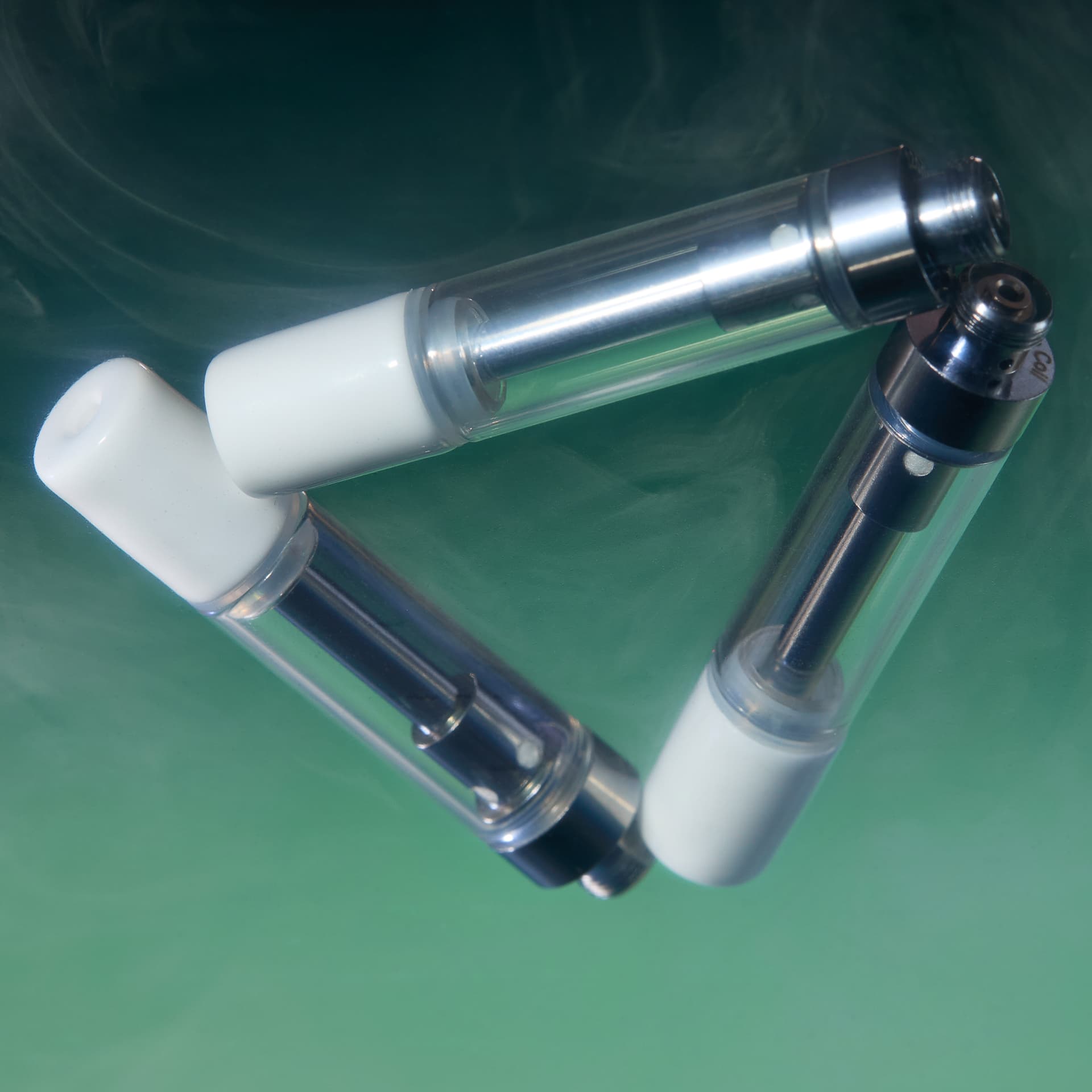
For the quoted atomizer, ask which ceramic composition, forming route, pore characteristics, heating element, dimensional controls, and inspection methods apply. Request the relevant specification and change controls. Do not infer an oil-fit result from a material label such as ceramic or zirconia.
Evaluate the complete atomizer with the intended formulation and device output. PrecisionFlow information can frame the oil-matched configuration discussion; the production decision still needs evidence for the exact proposed build.
Verify components before assembly
Define the checks required for bought-in or internally made parts. Depending on the configuration, these can include identity, materials, critical dimensions, resistance, seal condition, surface finish, cleanliness, and packaging condition. Have qualified quality personnel determine the actual checks and limits.
Record component lots and their disposition. A certificate for a broad product family should be mapped to the supplied component and revision. Hold unexplained substitutions until the responsible reviewers decide whether the existing approval remains valid.
Control assembly and programmed behavior
Request the assembly flow and the checkpoints used to prevent incorrect or damaged builds. Identify which operations set seal position, contact alignment, mouthpiece fit, reservoir integrity, and other controlled characteristics. Ask how rejected material is separated and how approved rework is verified.
For electronic configurations, record the programmed behavior as part of the build. Output modes, activation, charging, indicators, and displays need the agreed verification. Similar-looking housings do not establish identical electronics or firmware.
Distinguish production checks from oil validation
Ask exactly what the factory tests and retains for each lot. “100% tested” needs a named characteristic, method, limit, and result record. Empty-device checks can contribute to assembly control; they do not replace filled-product evaluation with the brand's oil and process.
Keep the lot-release plan separate from formulation validation. A released empty-hardware lot must still be the approved build. Full-use oil performance, filling-machine compatibility, and finished-product compliance need the corresponding product and market review.
AQL is a sampling scheme, not a manufacturing method
ISO's current ISO 2859-1:2026 overview describes acceptance sampling by attributes using schemes indexed by acceptance quality limit. It includes sampling and switching rules for lot-by-lot inspection. A claim that a shipment “uses AQL” does not identify the actual scheme or acceptance decision.
Have qualified quality personnel specify the applicable standard and edition, lot definition, inspection level, defect classes, sample size, acceptance and rejection rules, sampling method, switching rules, and disposition. Use the licensed standard where required; this article does not reproduce its tables or select thresholds.
Record the results and the release decision. Do not treat a passed sample as proof that every unit is defect-free, or substitute sampling for the controls required by the product's risk assessment.
Preserve traceability through shipment and reorder
The shipment record should identify quantity, model, revision, lots, packaging, and agreed documents. Keep the receiving decision tied to those records so production or field issues can be traced to the supplied build. The receiving inspection guide provides the next buyer checkpoint.
Use the hardware RFQ to request the process map and evidence that matter to your program. Confirm the quoted configuration and available manufacturing records with Finished Goods. A repeatable manufacturing program is demonstrated through controlled parts, documented decisions, and consistent lots, not the sample alone.