Why Your Hardware Vendor Blaming the Consumer Is a Red Flag: Why Do Carts Get Clogged and Who's Really Responsible

# Why Your Hardware Vendor Blaming the Consumer Is a Red Flag: Why Do Carts Get Clogged and Who's Really Responsible
When your customers start returning clogged carts, the conversation with your hardware vendor follows a predictable script. You send photos. You share failure rates. You ask what went wrong. And the vendor's first response is to point at something other than their own hardware.
"What's the fill temperature?" "Are consumers storing them upright?" "What voltage are they using?" "Sounds like an oil viscosity issue on your end."
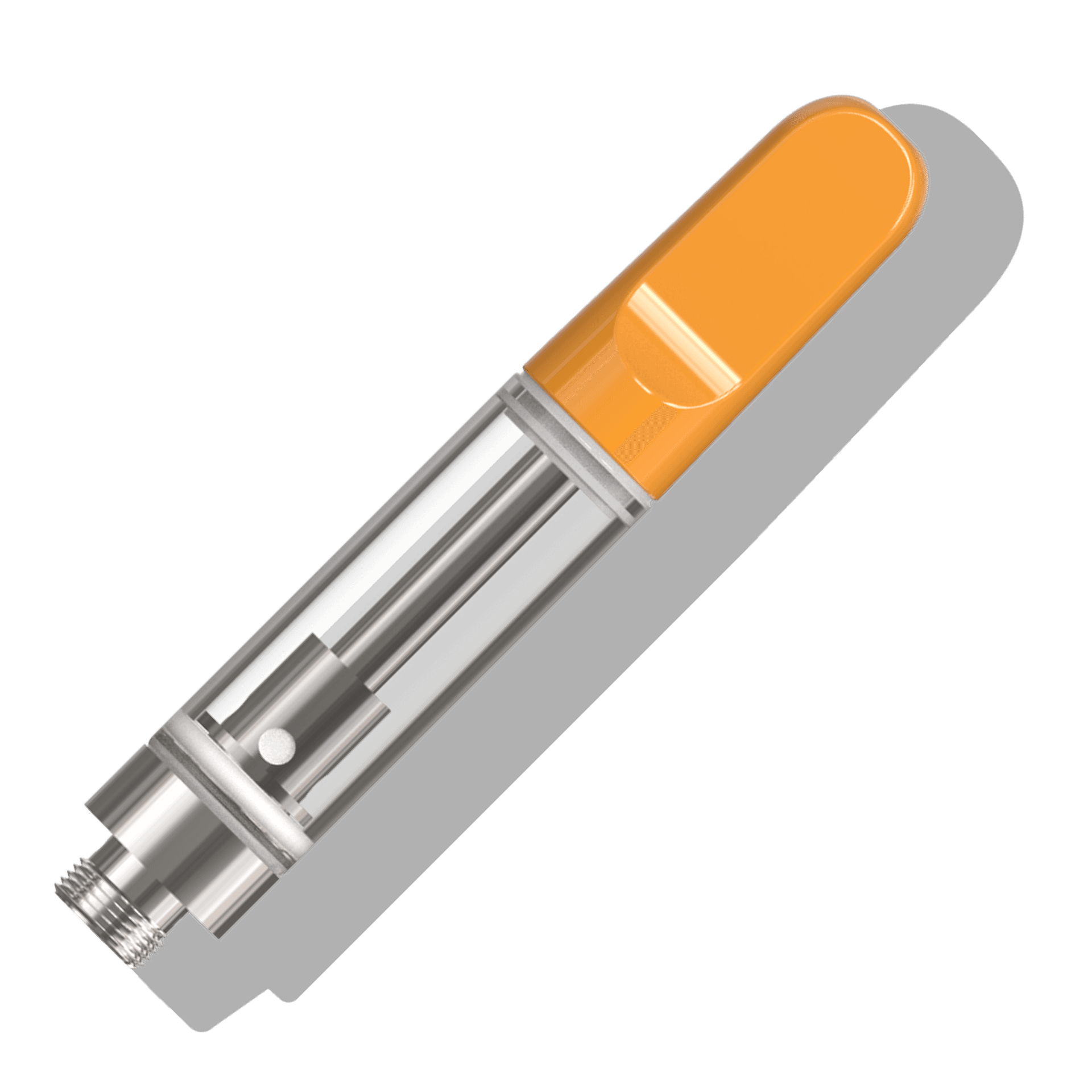
Every one of these deflections might sound reasonable in isolation. But when the pattern is consistent, when the first answer to why do carts get clogged is always something outside the hardware, that's not troubleshooting. That's a vendor who knows their hardware clogs and has built a script to manage the conversation.
The Five Common Deflections
Hardware vendors dealing with clog complaints tend to reach for the same five explanations. Knowing them helps operators identify when they're being managed instead of helped.
"It's the oil." The most common deflection. The vendor implies that the oil's formulation is the variable and the hardware is a constant. In reality, the hardware should be the variable that adapts to the oil. If the atomizer can't handle your oil, that's a hardware selection problem, not an oil problem.
"It's the fill process." Fill temperature, headspace, and capping timing all matter, and this is one deflection that can be legitimate. If you're filling above 125F, leaving carts uncapped too long, or storing incorrectly post-fill, those are real factors. But if you're following reasonable fill SOPs and still getting clogs, the fill process isn't the issue. The question is whether the vendor helps you audit the process or just points at it and walks away.
"It's consumer behavior." Storage orientation, draw intensity, ambient temperature. These have marginal effects on cart performance. They do not cause clogging at scale. If 15% of a batch clogs, the consumers didn't collectively mishandle them. The hardware wasn't matched to the oil.
"It's the voltage." Users running too high or too low. This is the most technically plausible deflection because voltage does affect vaporization. But a properly matched atomizer performs across a reasonable voltage range without clogging. If the cart only works at one exact setting, the atomizer tolerance is too narrow for real-world conditions.
"It's normal. All carts clog." The worst deflection, because it frames failure as an industry norm rather than an engineering problem. A vendor who says this is telling you they've accepted clogging as part of their product's performance profile and you should too.
What Each Deflection Really Means
Every deflection maps to the same underlying reality: the atomizer compound in the cart was not engineered for the specific oil type it's holding.
- Blaming the oil means the hardware isn't flexible enough for the formulation
- Blaming the fill process may have some merit, but a real partner helps you fix it rather than pointing at it and walking away
- Blaming the consumer means the hardware can't withstand normal usage patterns
- Blaming the voltage means the atomizer's performance window is too narrow for real-world conditions
- Saying "it's normal" means they've stopped trying
A vendor who engineered the atomizer for the oil wouldn't need any of these deflections. The hardware would handle the oil, the fill process, the consumer behavior, and the voltage range because it was designed with all of those variables in mind.
The thickener red flag. If a vape manufacturer is telling their customer to thicken up the oil to fix clogging, that's a major red flag. Thickeners exist in the market and are legal to use, but there's no reason to use them if you select the right atomizer compound. A vendor recommending thickeners instead of matching the atomizer is adding a variable to cover for hardware that wasn't engineered correctly.
The Brand Absorbs the Cost Either Way
This is the part that matters most for operators. Regardless of who's "right" about the root cause, the brand absorbs the cost.
When a consumer gets a clogged cart, they don't call the hardware manufacturer. They don't look up the atomizer vendor. They look at the brand name on the packaging and make a judgment.
- Some return the product to the dispensary: direct cost, dispensary frustration, margin hit
- Some post about it online, which is a reputation cost
- Most just buy from a different brand next time and you never hear about it
That last one is the most expensive, and it's invisible.
Your hardware vendor's clog rate becomes your brand's clog rate. Their deflections don't change your return numbers. Their explanations don't bring back the customer who switched brands.
A vendor who deflects isn't solving your problem. They're protecting their margins while your brand absorbs the consequences.
How a Vendor Partnership Actually Works
The difference between a vendor and a partner shows up in the first conversation about failures.
A vendor hears "our carts are clogging" and asks what you did wrong. A partner hears the same thing and asks: what oil type, what fill volume, what batch, what conditions. Then they look at whether their hardware is the right match.
A partner responds to clog reports by reviewing the atomizer compound against the oil's viscosity. They check whether the core they shipped is actually the right core for your formulation. They offer to test your specific oil in their hardware and validate the match before you place another order.
At [Finished Goods](https://finishedgoods.com/about), the consultative process starts before the first order ships. We ask about your oil type, your terpene profile, your fill process, and your production volume. The atomizer compound is selected based on that information, not assigned by default. When something goes wrong, the first question isn't "what did the consumer do?" It's "is the atomizer match still right for this formulation?"
That approach across hundreds of brands in the US and Canada is what produces a failure rate under 0.02%. Not because nothing ever goes wrong, but because every problem gets treated as a hardware question first.
What to Look For in a Hardware Vendor
If you're evaluating hardware partners or questioning your current one, watch for these signals.
Pay attention to how they respond to clog reports. The first response tells you everything. If they ask about your oil and their atomizer match, they're approaching it as engineers. If they ask what the consumer did, they're running customer service, not solving a problem.
Ask whether they offer different atomizer compounds for different oil types. A vendor with one compound for everything will always deflect, because they can't change the hardware. They can only change the story around the failure.
Find out if they'll test your oil in their hardware before you order. Confident vendors run small-batch validation. Vendors who skip this step are betting the failure rate stays low enough that you don't push back.
Check whether they share failure rate data. Vendors who track and share their rates take responsibility for them. Vendors who don't track failures can always claim things are fine.
Look at how they handle warranty or replacement on failed units. If you have to fight for replacements on clearly defective hardware, that vendor is telling you their margin matters more than your customer experience.
Stop Accepting the Script
When your hardware vendor's response to a clog report is a checklist of things you or the consumer might have done wrong, recognize it for what it is. It's a script designed to close the conversation, not solve the problem.
Carts get clogged because the atomizer wasn't matched to the oil. That's a hardware problem with a hardware solution. [The audit starts at the atomizer](blog-09-clog-proofing-sku.md), not at the consumer.
When a cart clogs, the consumer blames the brand. Operators who accept the vendor's deflection end up managing that blame permanently. Operators who push back and demand atomizer-level accountability either get their vendor to fix the problem or find one who will.