Vape Clogging Isn’t a User Problem. It’s a Design Problem.
If you have to warn customers that your vape is going to clog, you’re not managing expectations. You’re documenting a failure.

If you have to warn customers that your vape is going to clog, you’re not managing expectations. You’re documenting a failure.
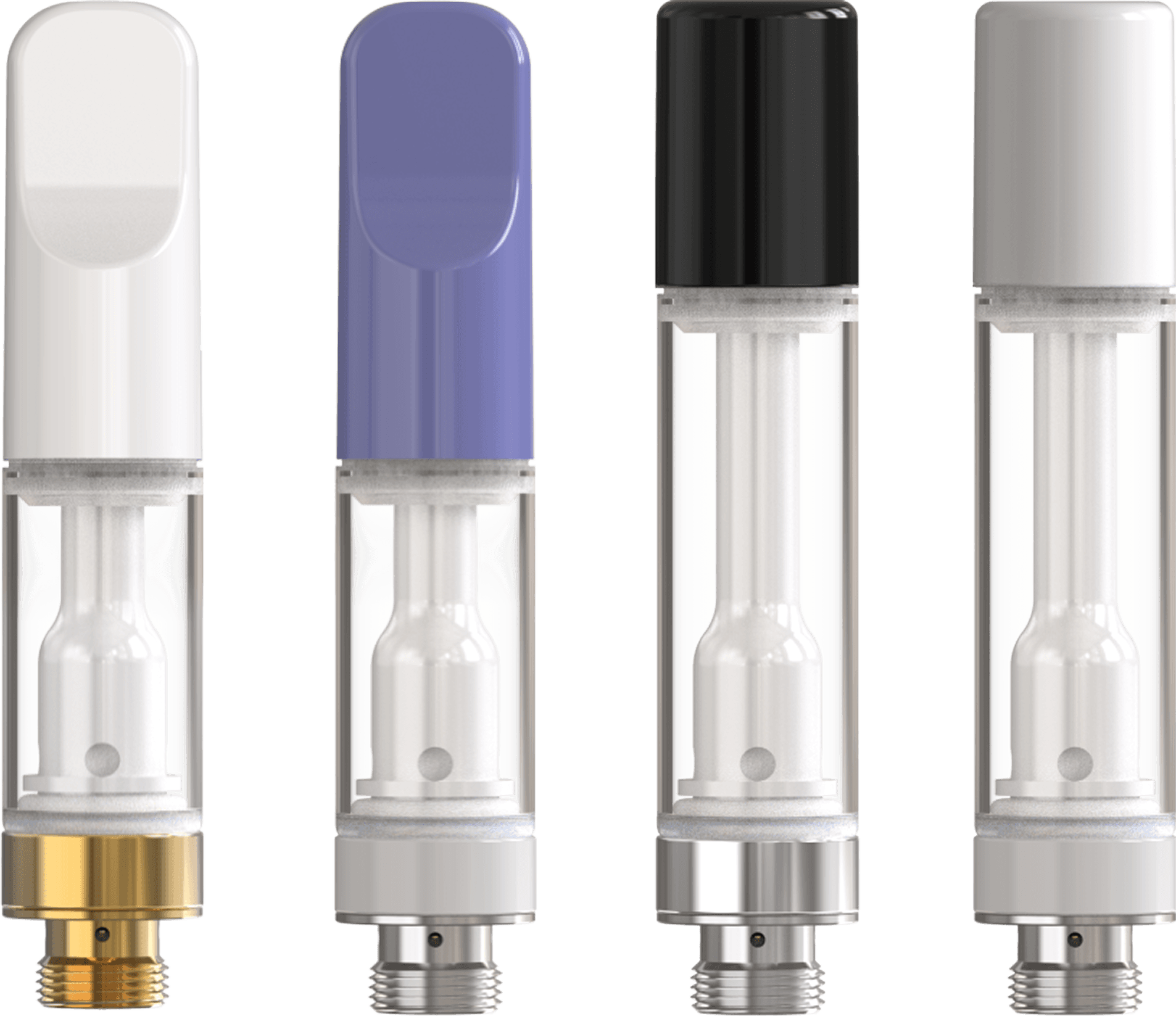
We see instruction cards like this all the time—not just from small brands, but from MSOs moving serious volume across both all-in-one vapes and 510 thread cartridges. Pages of “best practices” meant to prevent clogging that all point to the same reality:
The hardware wasn’t engineered correctly for the oil inside it.
Some of the advice is reasonable:
- Avoid extreme heat
- Use a quality charger
But when instructions start dictating how a customer must inhale, store, or troubleshoot a brand-new vape, the issue is no longer education. It’s design.
Why Vape Clogging Gets Blamed on Consumers
Most vape clogs are framed as user error:
- “They pulled too hard.”
- “They didn’t store it upright.”
- “They used it in the cold.”
This narrative shows up across both 510 thread cartridges and all-in-one vapes because it’s convenient. It shifts responsibility away from atomizer design, oil compatibility, airflow, and thermal control—the variables that actually determine reliability.
In reality, vape clogging is almost always designed in, not caused by how someone inhales.
What Instruction Cards Reveal About Hardware
When a product includes instructions like:
- Hit it a specific way
- Store it upright
- Blow through the bottom to unclog it
- Avoid cold environments
It’s not guidance. It’s a confession.
A vape that requires hacks to function is a vape that wasn’t matched to the oil’s viscosity or vaporization behavior—whether it’s an all-in-one or a cartridge meant to screw onto a standard 510 battery.
Cold Weather Doesn’t Cause Vape Clogs
Cold environments are often blamed for vape failures, but temperature alone isn’t the problem.
When an atomizer is properly spec’d—meaning intake geometry, wicking rate, airflow resistance, and heat profile are matched to the oil—cold weather becomes a non-issue for both all-in-one vapes and 510 thread cartridges.
A correctly designed vape should function whether a customer is:
- Taking small rips
- Hitting blinkers
- Leaving it in a cold car
- Using it on a ski lift
If cold exposure breaks performance, the oil-to-hardware match was wrong from the start.
The “Blow Through the Bottom” Myth
Yes, blowing through the bottom of a vape can clear a clog. It often works in the moment.
It also tends to worsen the underlying issue by forcing oil where it doesn’t belong, increasing residue buildup and future blockage. Including this step in instructions signals that clogging is expected, not exceptional—regardless of form factor.
At scale, expected failures become returns, support tickets, and lost customers.
Where Vape Clogging Actually Comes From
Vape clogging originates upstream:
- Atomizers designed for generic viscosity ranges
- One-size-fits-all airflow
- Heat profiles that don’t match oil behavior
- No consideration for how oil changes over temperature or time
These issues show up the same way in both 510 cartridges and all-in-one vapes because they stem from the same shortcut: designing hardware without understanding the oil.
None of this is solved by telling customers to inhale differently.
Why This Matters for Brands
Brands invest enormous time and capital into:
- Genetics and phenohunting
- Extraction and formulation
- Compliance and packaging
- Launch timing and distribution
That work shouldn’t be left to chance based on whether an off-the-shelf cartridge or disposable performs well enough to survive first use.
When a vape clogs, customers don’t blame the atomizer. They blame the brand.
The Operator Rule: Less Instruction, Better Product
After years of building and diagnosing vape hardware at scale, one principle holds true:
The less you have to instruct the customer, the better the product.
When the atomizer is matched to oil viscosity and airflow and temperature are tuned to a brand’s preferences, usage disclaimers disappear. No rules. No hacks. No apologies.
What Brands Should Expect From a Vape Manufacturer
If your vape manufacturer isn’t asking about:
- Oil viscosity
- Airflow preference
- Cloud size preference
- Temperature profile
They aren’t engineering performance—whether they’re selling 510 thread cartridges or all-in-one vapes. They’re shipping guesses. That’s where vape clogging starts.
Final Thought
Vape reliability isn’t explained by instruction cards or customer support scripts.
It’s designed—or it isn’t.
This is what we see every day at Finished Goods. Reliability compounds. So do shortcuts.