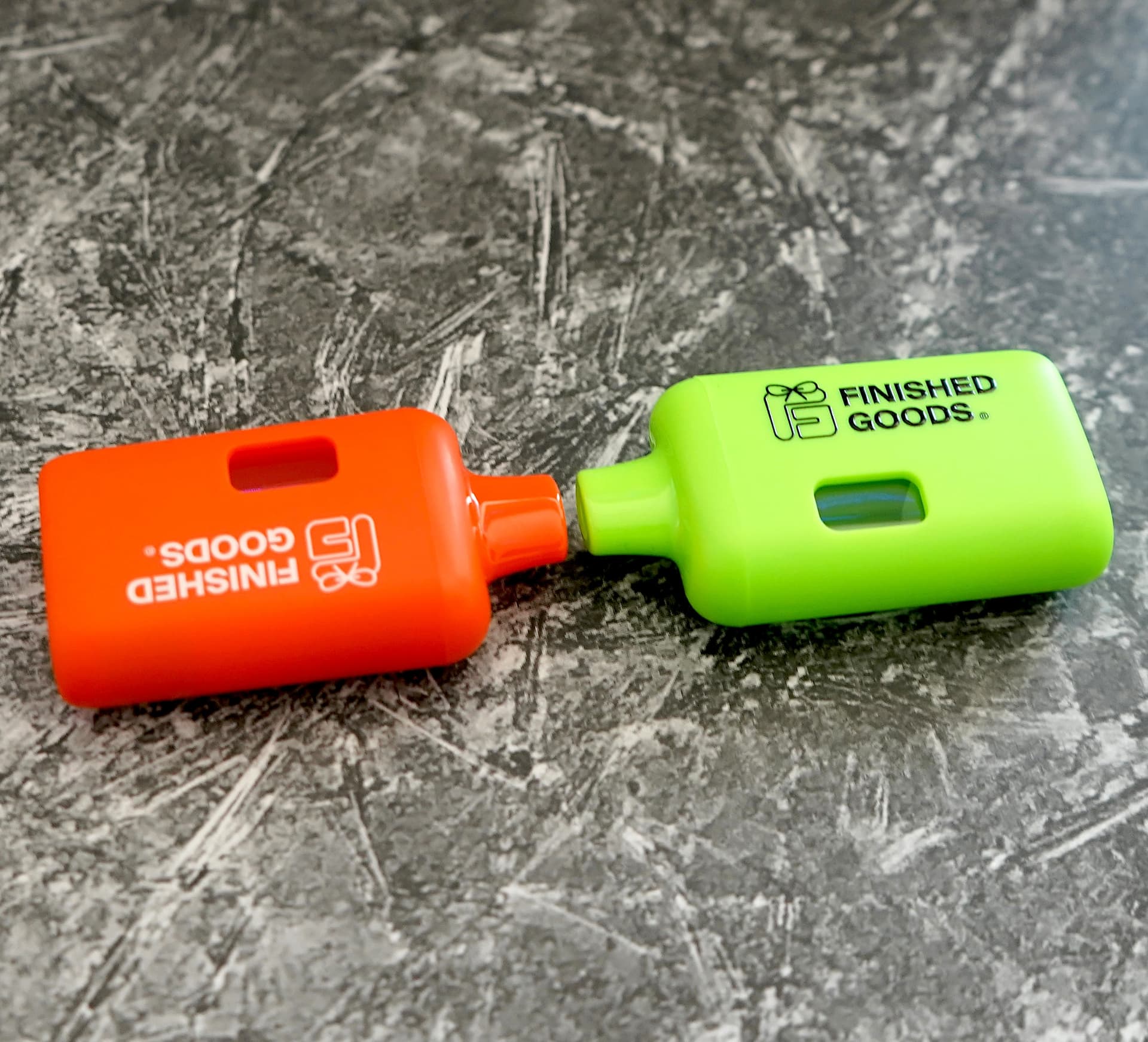
Types of Vape Cartridges: B2B Format Comparison for Cannabis Brands
Compare types of vape cartridges for cannabis brands, including 510 carts, postless cartridges, pods, disposables, high-capacity formats, and materials.
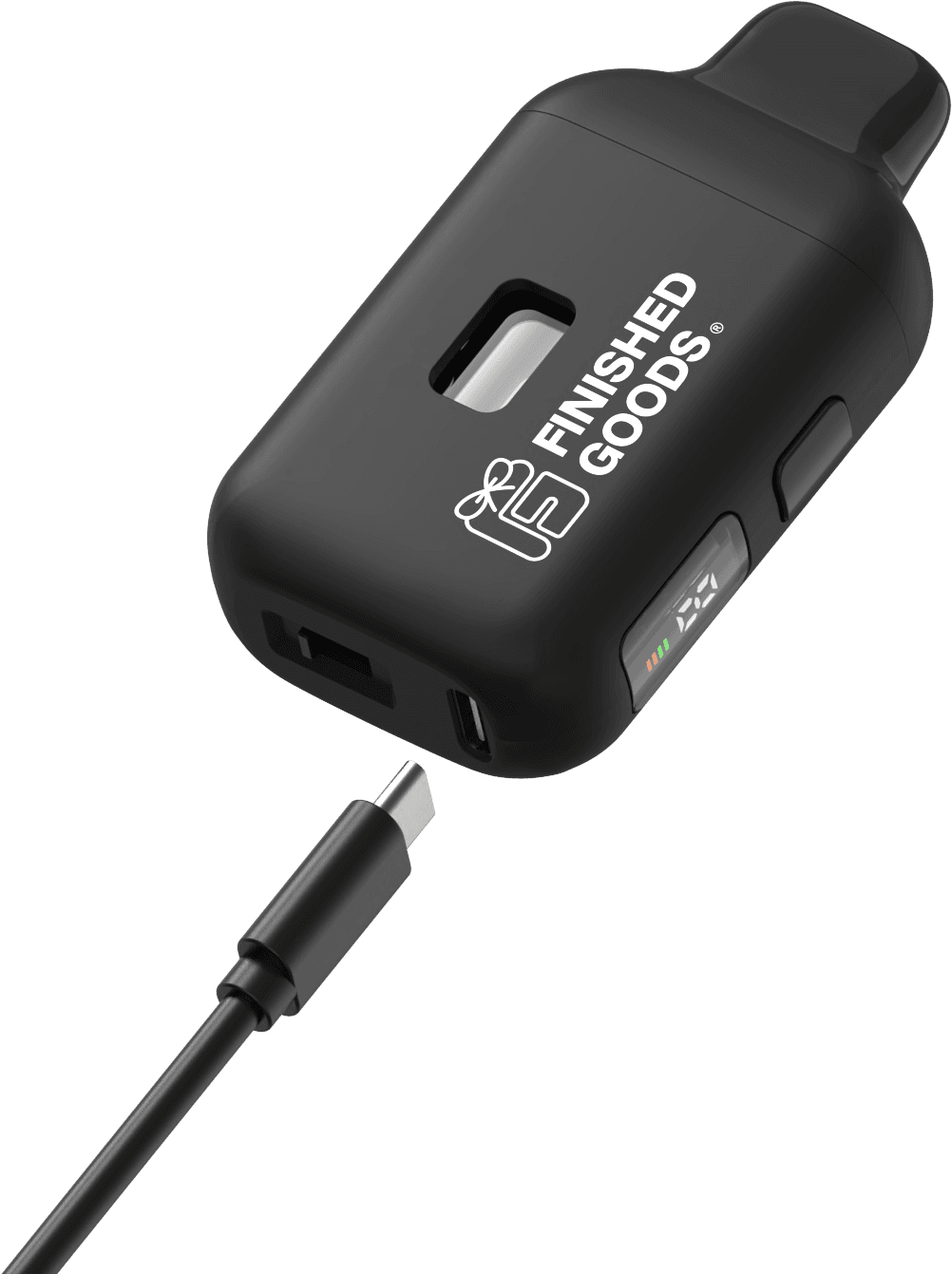
The different types of vape cartridges matter because cartridge format affects oil compatibility, fill workflow, packaging, retail price, customer experience, and failure risk. For cannabis brands, the choice is not simply ceramic versus glass or 510 versus disposable. The right format depends on the oil, fill volume, target market, hardware supplier, and how the product will be packaged and sold.
This guide compares the main types of vape cartridges and related cannabis vape formats from a B2B sourcing perspective. It covers standard 510 cartridges, postless 510 cartridges, all-in-one disposables, pods, high-capacity formats, and premium hardware decisions that buyers should validate before ordering.
Standard 510 Cartridges
Standard 510 cartridges are the most familiar format in cannabis vape hardware. They pair with 510-thread batteries and are widely understood by retailers and consumers. For many brands, this makes the format an efficient starting point because customers may already own compatible batteries.
The buyer still needs to compare details. Cartridge diameter, reservoir material, mouthpiece, center post, atomizer style, intake hole design, and fill volume all affect performance. A cartridge that looks standard can behave very differently depending on the oil and the supplier's manufacturing tolerances.
Standard 510 cartridges are often a strong fit for:
- Distillate
- Live resin
- Value or mid-market programs
They can also work for premium oils when the hardware is matched carefully. Buyers should test filled samples on the exact battery voltage range expected in market.
Postless 510 Cartridges
Postless 510 cartridges remove or reduce the central metal post that appears in many traditional cartridge designs. This can create more visible oil volume, reduce some design constraints, and support a cleaner presentation. For brands, the format can feel more premium and can help differentiate a cartridge line visually.
The tradeoff is that postless designs need careful evaluation. Diameter, intake position, ceramic geometry, fill workflow, and packaging fit can all differ from standard cartridges. A postless cartridge should be tested with the brand's oil and filling system before scale.
Postless formats are often considered when a brand wants a higher-end look or a hardware story that is easy to explain at retail. They are not automatically better for every oil. The sourcing decision should be based on performance data, not appearance alone.
All-in-One Disposable Vapes
All-in-one disposable vapes combine the cartridge, atomizer, battery, mouthpiece, and device body into one finished format. This removes the need for customers to own a separate battery and gives the brand more control over the full device experience.
Disposables can be useful for:
- Premium launches
- Live resin
- Rosin
- High-capacity formats
- Retail programs where convenience matters
They also give the brand more surface area for device design, color, and packaging coordination. The buyer must evaluate battery capacity, charging port, airflow, oil recovery, clog resistance, and end-of-life performance.
The main tradeoffs are:
- Cost
- Sustainability perception
- Battery reliability
- The need for more complete device testing
A disposable that fails creates a larger customer-service problem than a simple cartridge because the whole product is the device.
Pod Systems
Pod systems use a proprietary or semi-proprietary pod and battery platform. They can create a strong branded ecosystem, but they require more planning because the customer needs compatible hardware. Some brands use pod systems to increase repeat purchase behavior and control the user experience more tightly.
The challenge is adoption. If the brand gives away batteries, the launch cost can rise. If the brand charges for batteries, customers may hesitate. Buyers should compare pod strategy against:
- Market demand
- Retail education
- Replacement availability
- Long-term SKU planning
Pod systems are most useful when the brand has enough distribution, marketing, and repeat-purchase strength to support a hardware ecosystem. For smaller launches, standard 510 or all-in-one formats may be easier to execute.
High-Capacity Cartridges and Disposables
High-capacity vape formats include larger cartridges and disposables designed for two grams, three grams, four grams, or other expanded oil volumes. These formats can improve unit economics and create shelf differentiation, but they also increase reliability demands.
More oil means a longer performance window. The device must maintain:
- Flavor
- Airflow
- Wick behavior
- Battery performance
- Leak resistance
...for more use cycles. Buyers should pay close attention to clog testing, storage testing, and customer-service exposure before scaling high-capacity hardware.
High-capacity formats can work well when the supplier has proven engineering and the brand has a clear reason for the larger size. They can be risky if the format is chosen only for novelty or perceived value without enough validation.
Ceramic, Quartz, Glass, and Metal Considerations
Material choices shape performance and brand perception.
- Ceramic is common because it can support smooth heating and oil consistency when designed well.
- Quartz can appeal to buyers looking for flavor performance, but it still needs oil-specific validation.
- Glass reservoirs can improve visibility and perceived quality.
- Metal components influence durability and testing expectations.
Buyers should ask the supplier what materials contact the oil, how the atomizer is built, what testing documentation is available, and how the material choice affects heavy-metals risk, flavor, and reliability. Material claims should be supported by documentation and sample performance.
How to Choose the Right Format
Start with oil type, viscosity, terpene level, fill volume, and target price point. Then compare customer behavior, packaging needs, retail education, battery compatibility, and reorder planning. The best format is the one that gives the brand reliable performance and a clear commercial path.
- For a simple value program, a standard 510 cartridge may be the best answer.
- For a premium launch, a postless cartridge or all-in-one disposable may create more value.
- For a brand with strong loyalty and repeat purchase behavior, a pod system may be worth considering.
- For a high-capacity strategy, the buyer should insist on stronger testing and a supplier that can explain failure modes in detail.
Buyer Checklist
Before approving a format, confirm:
- Oil compatibility
- Sample performance
- Fill workflow
- Capping method
- Packaging fit
- Child-resistant strategy
- MOQ
- Lead time
- Replacement terms
- Reorder consistency
Also confirm what changes if the brand switches oil, fill volume, battery, or packaging in a future run.
Brands should avoid choosing types of vape cartridges based only on what competitors are using. The better question is which format gives this oil, this brand, and this launch plan the best chance to perform in market.
Format Selection Matrix
- Use standard 510 cartridges when the brand wants broad battery compatibility, familiar retail education, and efficient entry pricing.
- Use postless 510 cartridges when the brand wants a more premium visible-oil presentation and has time to validate diameter, fill workflow, and packaging fit.
- Use all-in-one disposables when the brand wants to control the full device experience and remove battery compatibility questions for the customer.
- Use pods only when the brand can support the battery ecosystem and retail education needed for repeat purchases.
- Use high-capacity disposables when the product strategy depends on larger oil volume and the supplier can document reliability across the full use window.
- Use specialty materials or premium mouthpieces when the margin and brand positioning justify the added cost.
Supplier Questions Before Choosing a Format
Before choosing among types of vape cartridges, ask the supplier:
- Which oils each format supports
- What fill volumes are validated
- How leakage and clogging are tested
- Whether the hardware has been used with similar formulations
Ask how each format works with your filling system, capping process, child-resistant packaging, and batch-label workflow.
Buyers should also ask what happens if the oil changes. A cartridge format approved for one live resin blend may need retesting for rosin, distillate, or a higher-terpene formula. The supplier should be able to explain how viscosity, storage temperature, voltage range, intake design, and atomizer geometry affect the final product.
Finally, ask how reorders are controlled. Component changes, mouthpiece changes, or material substitutions can alter performance even when the product name stays the same. A supplier should document approved specs and notify the buyer before any production change. A clear format decision also helps the packaging team, filling team, and sales team align around one launch plan before the first order is placed.
FAQ
What are the main types of vape cartridges for cannabis brands?
The main types include:
- Standard 510 cartridges
- Postless 510 cartridges
- Pods
- All-in-one disposable vapes
- High-capacity formats
Each has different sourcing, performance, and packaging considerations.
Are postless 510 cartridges better than standard cartridges?
Postless cartridges can improve presentation and may support certain design goals, but they are not automatically better. Brands should test the format with their oil and filling system before scale.
When should a brand choose an all-in-one disposable?
An all-in-one disposable can make sense when the brand wants a complete device experience, stronger visual differentiation, or a high-capacity format without requiring customers to own a separate battery.
How should buyers compare cartridge formats?
Compare:
- Oil compatibility
- Atomizer performance
- Fill workflow
- Packaging fit
- MOQ
- Lead time
- Testing documentation
- Customer experience
- Total cost
...before choosing a format.
How this guide differs from a 510 cartridge article
A 510 cartridge article should help a buyer choose or source a specific cartridge format. This guide has a different job. It compares the major vape cartridge and device formats so a brand can decide which lane belongs in the product roadmap before it starts quoting a specific part.
Use this page when the team is still choosing between standard 510 cartridges, postless 510 cartridges, all-in-one disposables, pod systems, and specialty formats. Use the 510 cartridge sourcing guide after the team has already decided that unfilled 510 cartridges are the right starting point.
Format Decision Matrix for Cannabis Brands
Standard 510 cartridges are usually the most familiar format for retailers and consumers. They work well when the brand wants battery compatibility, flexible pricing, and a familiar cart experience. The tradeoff is that the brand does not control the battery the consumer uses.
Postless 510 cartridges can create a cleaner oil window and a different internal architecture. They should be evaluated when presentation, oil visibility, and diameter choices matter. They are not automatically better for every oil, so the brand should test them against the same oil used for production.
All-in-one disposables give the brand more control over the full experience because the battery and tank are designed as one device. They can simplify use for consumers, but they require closer attention to battery capacity, charging behavior, total fill volume, and packaging.
Pod systems can support brand ecosystems and device loyalty, but they also create a bigger commitment. A pod strategy only works when the brand can support repeat pod sales, device education, and retail buy-in.
How to Prevent Format Overlap in Your Content Plan
Each format page should answer a different buyer question:
- A format-comparison guide should help the brand choose the category.
- An empty cartridge guide should help the brand define a cartridge spec.
- A lead-time guide should help the brand plan timing.
- A MOQ guide should help the brand understand order size and cash flow.
- A postless cart article should explain one architecture in depth.
Keeping those roles separate helps buyers and search engines understand which page answers which question.