Paper Slide Box vs Rigid Box: A Cost & Compliance Comparison for Cannabis Brands
Compare paper slide boxes vs rigid boxes for cannabis: cost, child-resistant compliance, and when each format earns its place in your packaging portfolio.
Choosing between a paper slide box and a rigid box is a portfolio decision, not a preference. Paper slide wins on cost, speed, and volume. Rigid wins on perceived value, shelf presence, and protection. The right move is matching each SKU to the format that earns its keep: paper slide for workhorse products, rigid for flagships, with a clean compliance file for regulators. A thoughtful paper slide program is one of the highest-leverage packaging decisions a cannabis brand can make.
The Conversation Every Cannabis Brand Has
The founder sees a competitor's magnetic-closure, foil-stamped, satin-lined rigid box on the dispensary shelf and wants the same. The ops director runs the numbers: it costs significantly more than the paper slide boxes they're currently using. Marketing says it's worth it. The CFO says it isn't. And nobody has mapped out when the upgrade actually pays for itself.
This is that map.
A paper slide box and a rigid box can both be child-resistant, beautiful, and compliant with state regulations. They are not interchangeable, and the cost delta is real. But the decision is not about which format is "better." It is about which format fits which SKU, in which market, at which price point.
What a Paper Slide Box Is
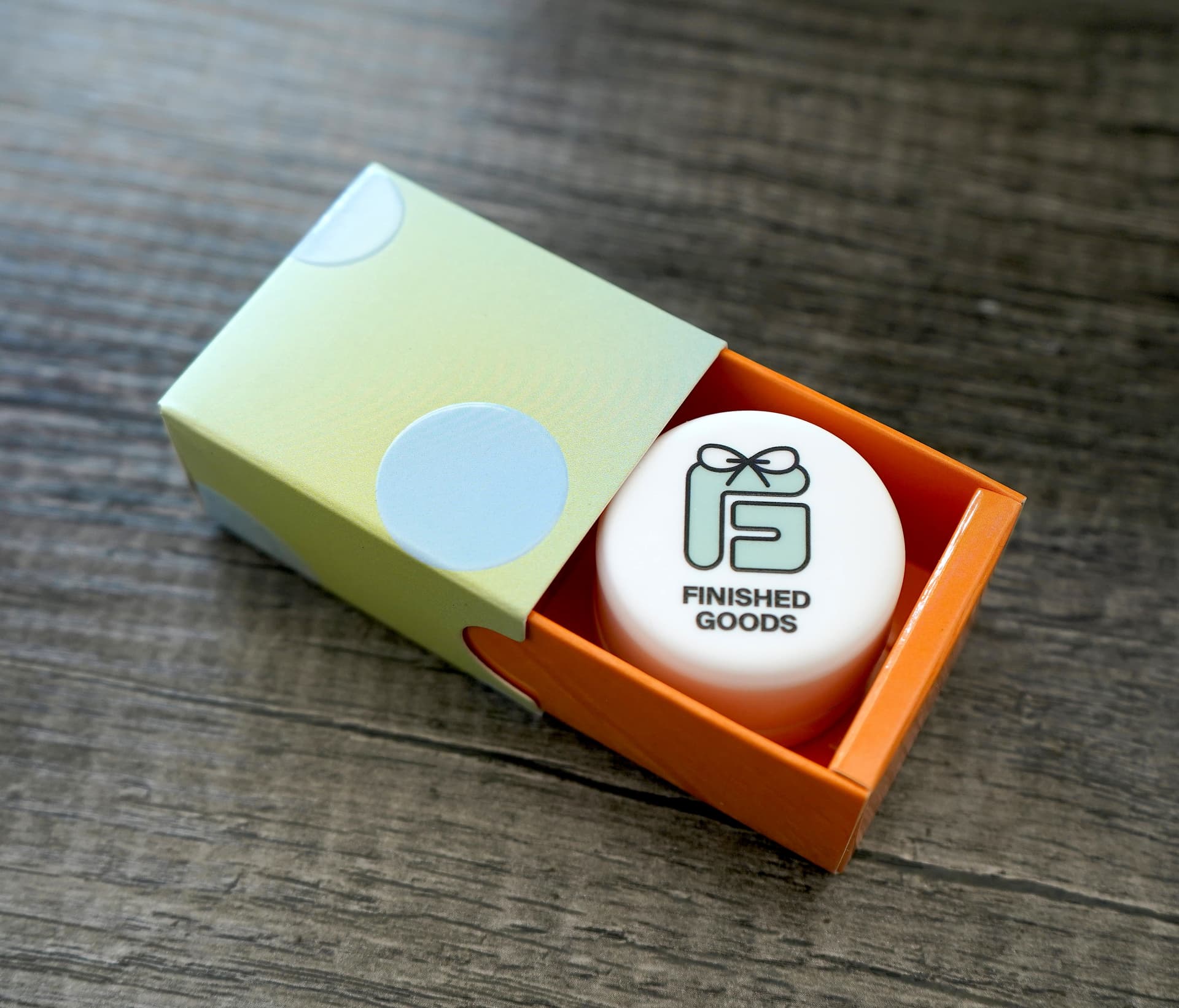
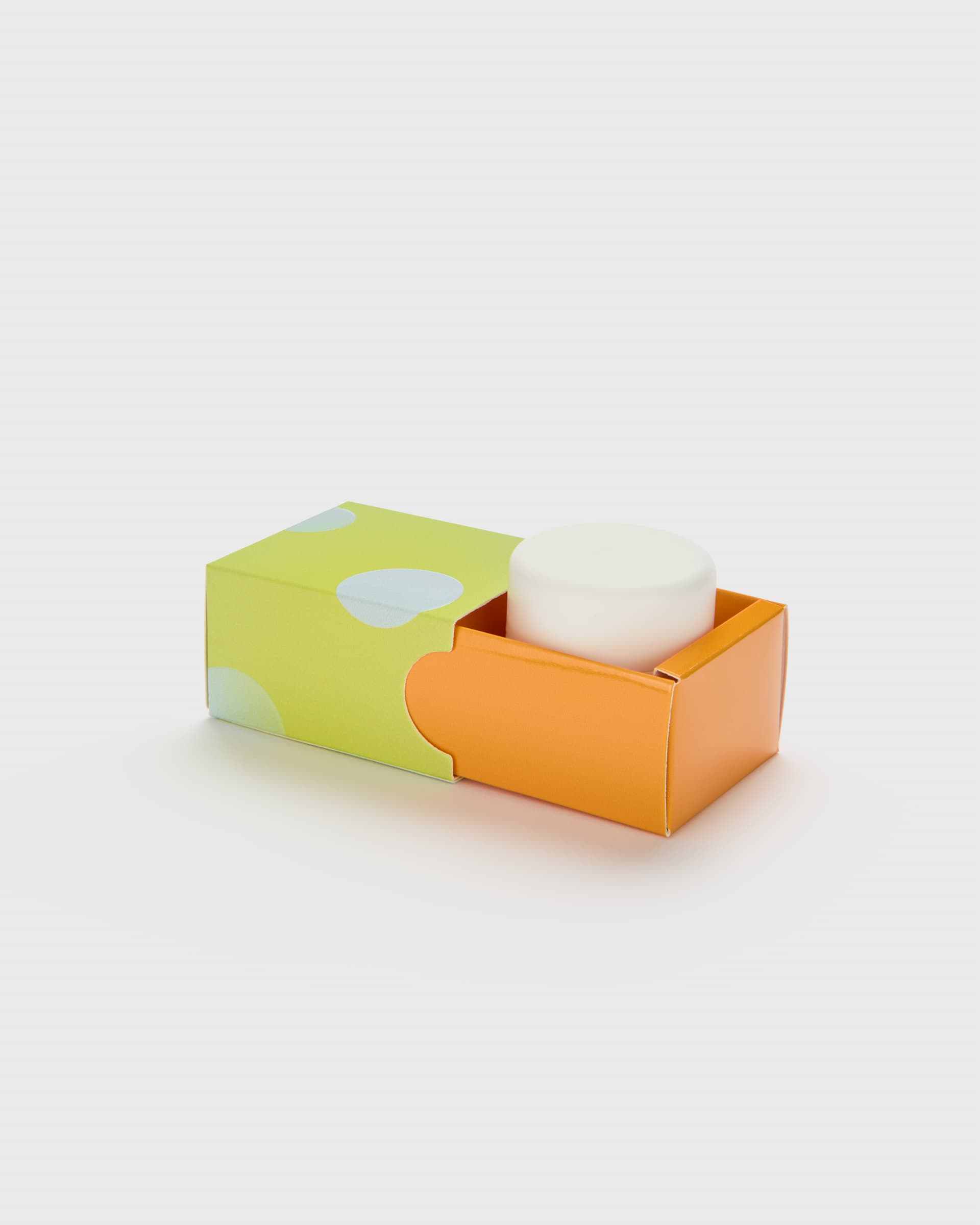
A paper slide box is a printed paperboard sleeve paired with a printed paperboard tray. The tray slides in and out of the sleeve. Child resistance is typically achieved through a pinch-tab on the side of the tray, requiring a squeeze-and-push motion, the same principle as a Tylenol bottle executed in paper.
Construction is folded paperboard, typically 24-28pt SBS or recycled stock, printed offset or digitally, and finished to spec: soft-touch laminate, spot UV, foil stamp, embossing. The slide mechanism is structural, not decorative. It must be tested and certified to meet 16 CFR § 1700.20 child-resistant packaging standards.
A well-made paper slide box is genuinely impressive. Modern paperboard holds excellent print quality, and with the right finishes it reads as premium on shelf and in photos. At typical run sizes, unit cost lands roughly between $0.25 and $0.65, depending on finishes and quantity.
What a Rigid Box Is
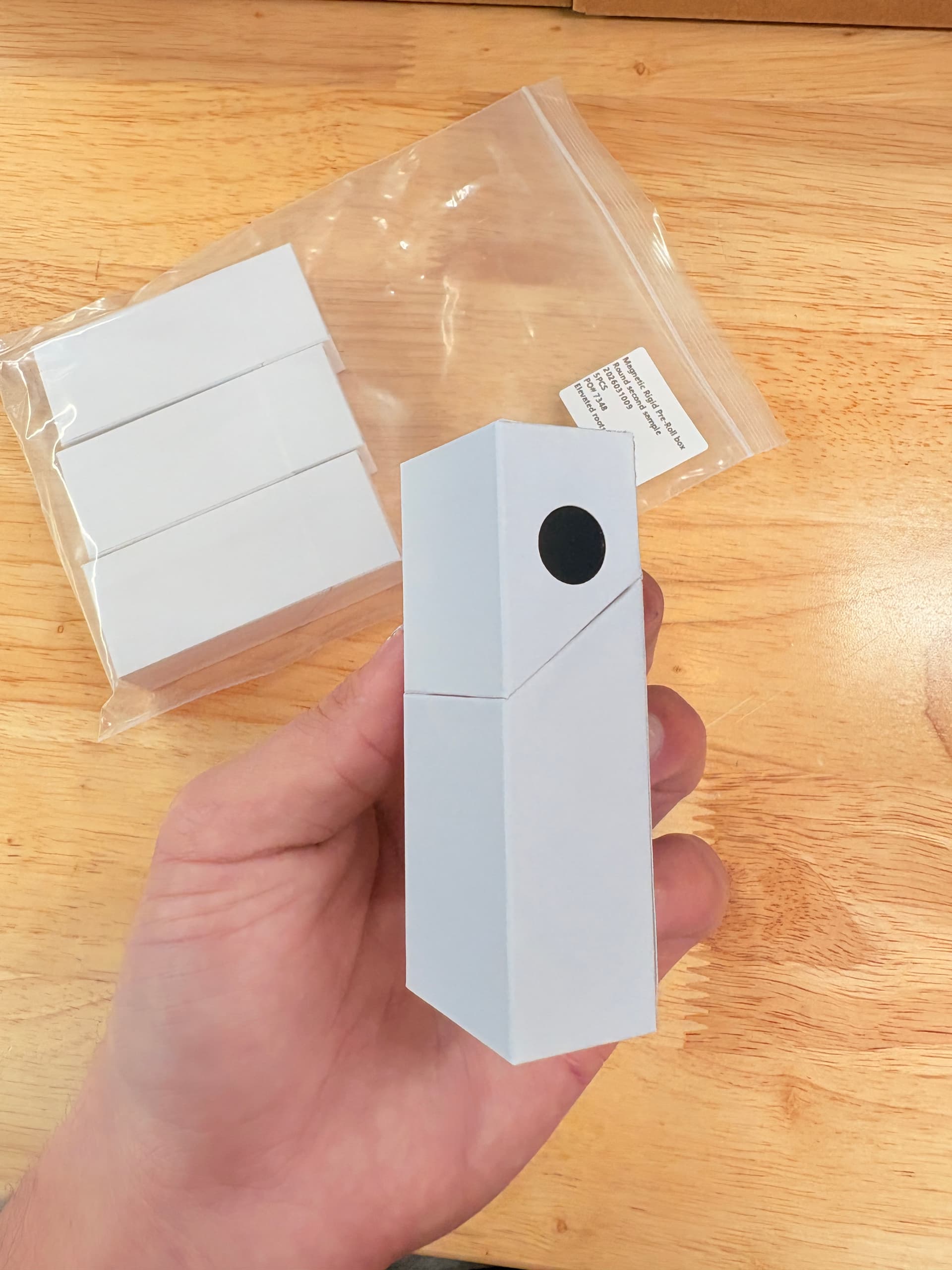
A rigid box is a chipboard frame, typically 1,500-2,000 micron, wrapped in printed paper or coated stock. Unlike a slide box, it does not fold flat; it ships pre-formed. That structural rigidity creates the heft and luxury feel. Closure options include magnetic clasps, ribbon pulls, drawer-style slides, and hinged lids.
A child-resistant rigid box adds a CR mechanism, typically a hidden release inside the magnetic closure, a press-and-slide latch, or a two-step opening sequence, that must pass the same federal testing as a slide box.
Rigid boxes typically run $0.85 to $2.50 or more per unit depending on size, finishes, and CR mechanism complexity. Premium configurations, such as book-style hinged lids, custom foam inserts, multi-color foil, and edge painting, can hit $4 or more per unit at small runs. The often-cited "30% premium" understates reality. The true slide-to-rigid jump is closer to 200-400% depending on specifications.
Why CR Certification Matters and What It Requires
Both formats can be CR-certified. Neither is certified by default.
Child-resistant certification is an outcome of a specific third-party lab test under 16 CFR § 1700.20 protocols. Children aged 42-51 months attempt to open the package for ten minutes; adults aged 50-70 attempt to open and re-close it under timed conditions. The package must defeat 80% of the children and remain operable by 90% of the adults.
Two critical points brands routinely miss:
Certification is per-design, not per-format. If you change the size of a certified slide box or modify the pinch-tab geometry, you must re-certify. A minor design refresh can quietly invalidate the original cert. Brands underestimate this regularly.
Certification is not transferable. If your supplier's reference design passed CR testing and you use the same supplier with a different art file, the cert technically covers the mechanism, not your SKU. Some states accept a supplier's umbrella certification; others require SKU-specific documentation. Know your state's requirements before assuming coverage.
Always request the actual lab test report, the PDF from the testing facility, not a verbal assurance from your supplier.
The Pricing Delta in Context
The unit cost difference is real, but the more useful frame is total landed cost. At typical specs, a paper slide box with mid-tier finishes runs $0.35-$0.55 per unit at a 10K MOQ. A rigid box with equivalent finishes runs $1.10-$1.60 per unit at the same MOQ.
That is not 30% more. It is closer to 200%. The "30% delta" that circulates in industry conversations typically refers to rigid-vs.-rigid tier comparisons, not slide-vs.-rigid. The honest range: rigid runs roughly 2-4x the cost of slide at equivalent finishes.
Unit cost is not the whole picture. Rigid boxes are heavier, which increases freight. They ship pre-formed, which means more cubic footage inbound, more warehouse space, and more pick time at the co-packer. They are also more failure-prone in transit: a crushed corner on a rigid box is a write-off, while a damaged slide box can often be reworked. When freight, storage, and breakage are factored in, the effective cost delta on rigid is closer to 3-5x.
When Rigid Is Worth It
Flagship product launches. The hero SKU anchoring your brand identity, the one in the launch photoshoot, the influencer mailers, the trade booth display. Rigid's tactile signal (the weight, the magnetic closure, the lined interior) does work that paper cannot replicate. If this SKU sets perception for everything else you sell, the math usually works.
Gift and limited-edition runs. Holiday boxes, collab drops, limited harvest releases. These SKUs carry a price premium specifically because of the experience, and the packaging is part of that experience. A paper slide box on a $120 limited drop reads as a miss.
Concentrate flights and curated multipacks. When the product is small but high-value and the box does real organizational work, such as foam inserts, dividers, and fitted slots, rigid is structurally the better tool. Slide boxes cannot reliably hold concentrate jars in fixed positions.
Markets where rigid is table stakes. In certain mature markets, such as select premium dispensary tiers in California, Massachusetts, and parts of Canada, rigid has become the implicit baseline for premium-positioned eighth jars and pre-roll multipacks. Showing up with a slide box on a $60 eighth in those rooms signals underinvestment.
When Rigid Is Not Worth It
Volume SKUs and value tiers. Any product moving at scale with a sub-$30 retail price. The unit-cost delta compresses margin without meaningfully changing consumer perception. Paper slide with quality print reads as professional, not cheap, and saves real money per unit at high volume.
Single-use packages. A 5-pack pre-roll, a one-jar gummy SKU, an entry-level eighth. The consumer's relationship with the package is brief: open it once, transfer the product, recycle the box. Rigid's tactile signal is wasted on a thirty-second interaction.
Fast-rotating SKUs. If your product line refreshes every two seasons, committing tooling and inventory to rigid boxes for SKUs that may retire in six months is a cash-flow trap. Paper slide is faster to retool, cheaper to obsolete, and easier to refresh.
Most flower products. The category has largely shifted toward glass jars or mylar pouches for the product itself, making the outer carton secondary. A paper slide outer carton paired with a glass jar inside is a stronger combination than a rigid outer with a glass jar inside, for significantly less money.
The Hybrid Approach
The sharpest brands run both formats deliberately. Paper slide for volume and entry-tier SKUs; rigid for flagships, limited drops, and gift sets. This is the model that makes margin work. You do not subsidize rigid boxes across the full line, and you do not under-package the SKUs that justify the upgrade.
The mistake is assuming you have to choose one format and apply it everywhere. You do not.
Pre-PO Checklist
Before signing a purchase order, confirm the following:
- Has the mechanism been CR-tested under 16 CFR § 1700.20? Get the lab report, not a verbal confirmation.
- Does the certification cover your specific SKU geometry, or only the supplier's reference design?
- What is the supplier's print rejection rate, and who absorbs the cost?
- For rigid: does the box ship pre-formed or knocked-down? Pre-formed inbound shipping significantly increases freight and warehouse costs.
- For slide: has the pinch-tab been fatigue-tested across 10 or more open/close cycles? Inexpensive slide boxes get easier to open with repeated use, which can fail the spirit of CR requirements even if the box passed initial testing.
- What is the MOQ at each finish tier, and what is the lead time? Rigid typically runs 2-4 weeks longer than slide.
The Real Decision
Paper slide is not the cheap option. Rigid is not the premium option. They are tools for different jobs.
Paper slide is the right answer when the packaging serves the product. Rigid is the right answer when the packaging is part of the product. Most brands have both kinds of SKUs in their portfolio, and a smart packaging strategy reflects that.
The cost delta, whether 200% or 400%, is real money. Spend it where it earns its way back. Do not spend it because a competitor did.