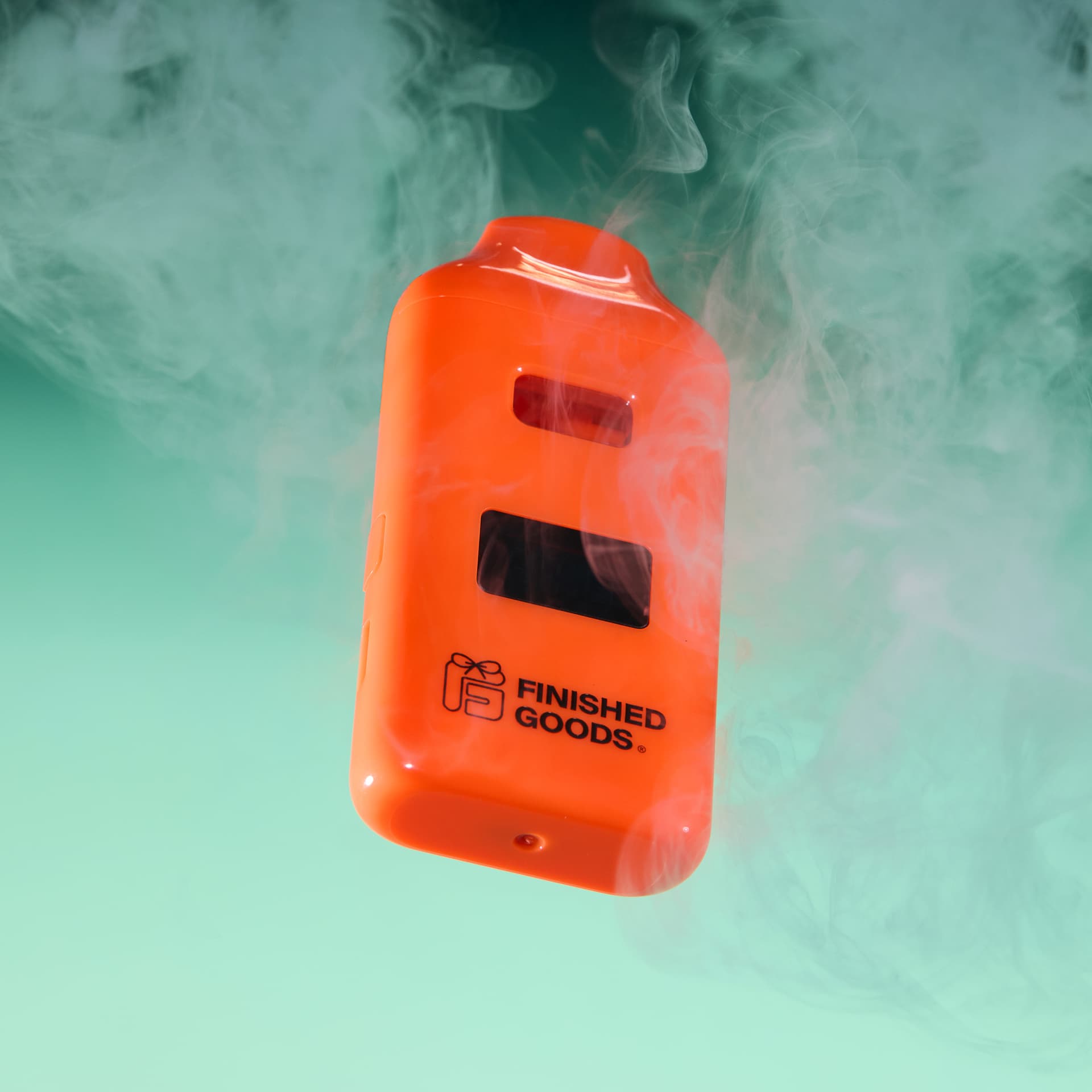
Cannabis Vape Hardware Tariffs: 2025 Cost Impact Guide
Review cannabis vape hardware tariffs, landed-cost inputs, quote controls, importer duties, margin scenarios, supplier questions, and current-rate verification.
Cannabis vape hardware tariffs are no longer a one-time news item for procurement teams. For licensed cannabis brands, they are now part of the cost model behind cartridges, all-in-one devices, disposable vapes, batteries, packaging components, and replacement inventory.
The practical question is not whether tariffs exist. The practical question is how much tariff exposure sits inside each SKU, who carries that exposure, and whether the supplier can explain the landed cost before the purchase order is signed.
This guide gives cannabis brands a working framework for cannabis vape hardware tariffs in 2026: what changed in 2025, why China-based hardware remains exposed, how tariff costs show up in unit economics, and what brands should ask before choosing a vape hardware supplier.
Why Cannabis Vape Hardware Tariffs Matter
Most cannabis vape hardware is still tied to a China-centered supply chain. Even when the sales rep, warehouse, or distributor is based in the United States, the cartridge, AIO device, battery cell, ceramic atomizer, mouthpiece, or packaging component may still be imported.
That matters because tariffs are paid at import, then passed through the chain. Sometimes the pass-through is obvious as a line item. Sometimes it is hidden inside a revised unit price. Sometimes the supplier protects the quote by reducing material quality, lowering QC standards, or switching factories.
For a brand, all three outcomes affect margin. A few cents per unit can look small in isolation, but at 50,000 to 250,000 units it becomes a real budget item.
The 2025 Shift Brands Felt
In 2025, tariffs on Chinese imports became a much bigger planning issue for cannabis vape buyers. Existing Section 301 exposure already applied to many hardware categories, then additional China-focused duties and trade-policy changes increased volatility across imported goods.
The exact duty rate depends on classification, product composition, declared value, country of origin, and the importer of record. A cartridge, battery, charger, display device, disposable vape, or packaging component may not be treated the same way at customs.
That is why no cannabis brand should accept a simple answer like "tariffs are included" without seeing the landed-cost logic behind the quote.
The better question is: which HTS classification is being used, what duty stack applies, and who is responsible if that classification changes?
How Tariffs Hit Unit Economics
The math is straightforward, but many brands do not run it until after the invoice changes.
If a standard 510 cartridge has a pre-tariff landed cost of $0.85 and an additional 25 percent tariff exposure applies, the unrounded increase is $0.2125 per unit before markup, or $10,625 across 50,000 units. If the increase is rounded to $0.21 per unit before extension, the estimate is $10,500.
If a 1g AIO device has a pre-tariff landed cost of $1.40 and tariff exposure adds 30 percent, that adds about $0.42 per unit. At 100,000 units, that is $42,000 in added cost before supplier margin or freight adjustments.
If a battery program has a pre-tariff landed cost of $2.00 and duty exposure adds 20 to 40 percent, that can add $0.40 to $0.80 per unit. At scale, the tariff line becomes a launch-budget decision, not a back-office detail.
Those examples are planning math, not customs advice. The final rate has to be confirmed by the importer, customs broker, and applicable HTS classification.
The Hidden Risk: Tariffs Create Quality Pressure
The biggest risk is not only the tariff itself. It is what happens when a supplier tries to keep the quoted price the same after tariff exposure changes.
A supplier has only a few options:
- Pass the full tariff cost through to the brand
- Absorb the cost and accept lower margin
- Change the component, factory, or QC process
- Reclassify or restructure the import path
- Push the price change into a later reorder
The dangerous option is quiet quality reduction. Cheaper materials, looser tolerances, less consistent atomizers, and weaker batch-level QC can all protect the invoice while increasing field failures.
For cannabis brands, that tradeoff is expensive. A lower hardware invoice does not help if the SKU clogs, leaks, burns oil, fails in retail, or creates returns.
What Cannabis Brands Should Ask Suppliers
Before placing a production order, ask specific tariff questions.
Ask who is the importer of record. If the supplier imports the hardware, they should be able to explain the landed cost. If the brand imports directly, the brand needs its own broker review.
Ask whether the quote includes duties, freight, brokerage, and domestic warehousing. A factory quote and a landed quote are not the same thing.
Ask which product category is exposed. The cartridge body, battery, ceramic atomizer, mouthpiece, charger, display, packaging, and printed insert can have different cost behavior.
Ask what happens if duty treatment changes between quote and shipment. The purchase order should define who absorbs the difference.
Ask whether the supplier has domestic inventory. Inventory already landed in the United States can reduce near-term exposure, although it does not remove future reorder risk.
Ask whether a lower quote reflects a change in quality. If the supplier cannot explain how pricing stayed flat while import costs changed, slow down.
Strategies for Reducing Tariff Exposure
There is no single fix for cannabis vape hardware tariffs, but brands can reduce the risk.
- Use a supplier with transparent landed-cost pricing. The point is not to avoid all tariff cost. The point is to know where the cost sits before the SKU is priced.
Build reorder buffers. If a brand waits until the last minute, tariff changes and freight delays become emergency decisions. Forecasting gives the team more control.
Separate sample approval from production economics. A sample can perform well even when the production quote changes. Confirm production pricing before committing to packaging, sell sheets, and launch dates.
Use domestic finishing when it makes sense. U.S.-based printing, kitting, labeling, and warehousing can reduce changeover risk and help smaller runs move faster, even when base hardware is still imported.
Avoid chasing the cheapest unit price. If tariffs push a supplier to use weaker components, the brand may save a few cents and lose dollars in oil waste, returns, and customer churn.
Tariffs and MOQ Planning
Tariffs also change how brands should think about MOQ.
A higher MOQ may lower factory price, but it also increases tariff exposure and inventory risk. A lower MOQ may carry a higher unit price, but it can protect cash while a SKU proves sell-through.
The right answer depends on the maturity of the product.
For an unproven SKU, a lower MOQ with transparent landed-cost pricing is often safer than a large imported run that looks cheap on the factory quote. For a proven SKU with steady demand, larger orders can still make sense if the brand understands duty exposure, storage needs, and reorder timing.
The mistake is comparing only unit price without comparing the total committed cost.
How Finished Goods Approaches Tariff Conversations
Finished Goods treats tariff exposure as part of hardware sourcing, not as a surprise after the quote.
For cannabis brands, the goal is to understand the full cost of a vape hardware program before production: base hardware, customization, freight, duties, domestic handling, fill compatibility, testing, and reorder timing.
That is also why oil matching and QC still matter during tariff pressure. A supplier should not solve tariff volatility by lowering the standard that protects the finished product.
A cannabis vape program needs reliable hardware first. The cost model has to support that reliability, not undermine it.
Cannabis Vape Hardware Tariffs: Current-Quote Control
This article explains the 2025 cost-impact framework. Cannabis vape hardware tariffs, classifications, exclusions, trade measures, and related fees can change, so a 2026 purchase decision should use a current written quote and review from the importer, customs broker, or other qualified trade professional. Do not copy an older percentage into a new landed-cost model without verifying the product, origin, classification, entry date, and responsible importer.
For every order affected by cannabis vape hardware tariffs, keep:
- the product description and country of origin;
- the classification used for the quote;
- the source and date of each duty, tariff, or fee assumption;
- freight, insurance, brokerage, port, and domestic delivery costs;
- the importer of record and payment responsibility;
- the validity period of the landed-cost quote; and
- the event that requires the model to be refreshed.
Separate verified costs from estimates and run sensitivity cases before approving margin or retail pricing. If cannabis vape hardware tariffs change between quotation and entry, update the purchase economics and document who accepts the difference. The cannabis hardware buyer hub connects this landed-cost review with sample, quality, and supplier approval.
This control keeps cannabis vape hardware tariffs from becoming a stale percentage embedded in a spreadsheet after the underlying trade condition has changed.
Final Takeaway
Cannabis vape hardware tariffs are a procurement issue, a margin issue, and a product-quality issue at the same time.
The brands that manage them well are not simply looking for the lowest quote. They are asking how the quote was built, which costs are included, what changes on reorder, and whether the hardware still matches the oil once cost pressure enters the conversation.
Tariffs change the math. They should not change the standard.